

Antique Rectangular Wood Table
An antique rectangular wood table brings solid timber grain and centuries of domestic utility straight into a modern interior.
Antique Rectangular Wood Table
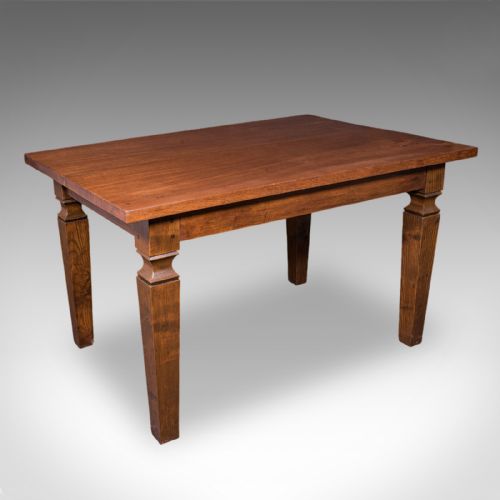
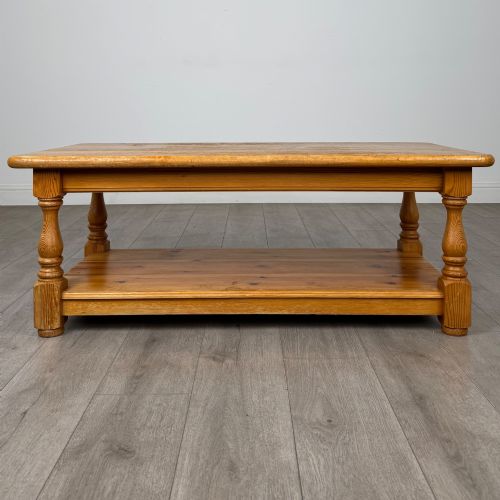
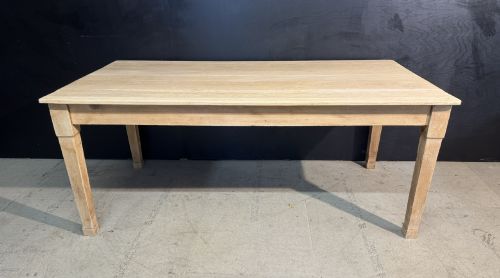
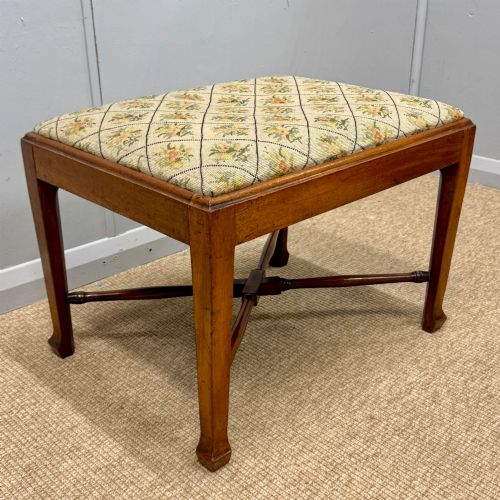
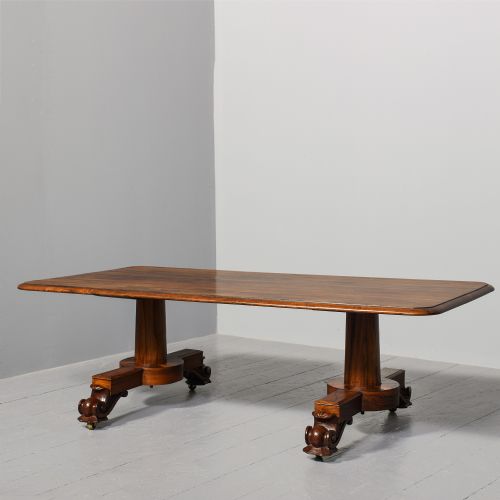
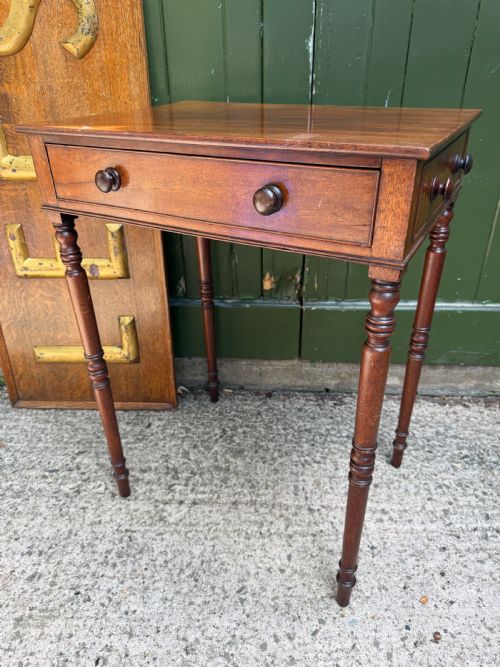
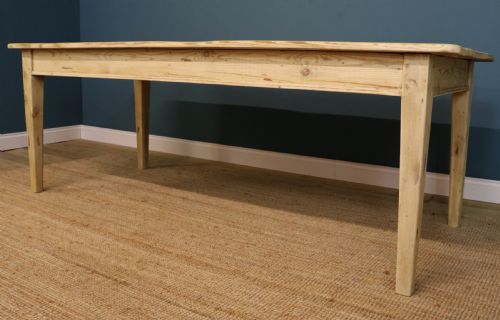
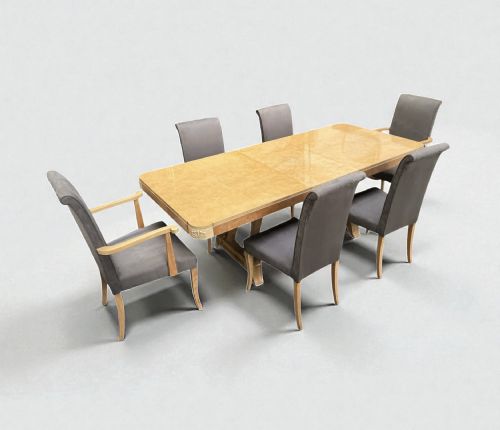
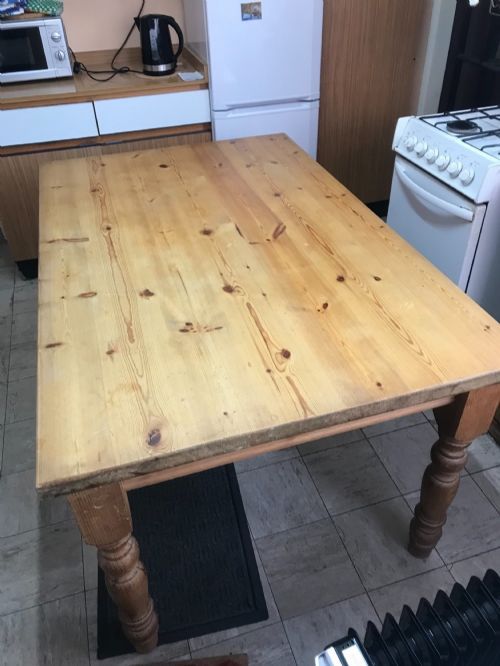
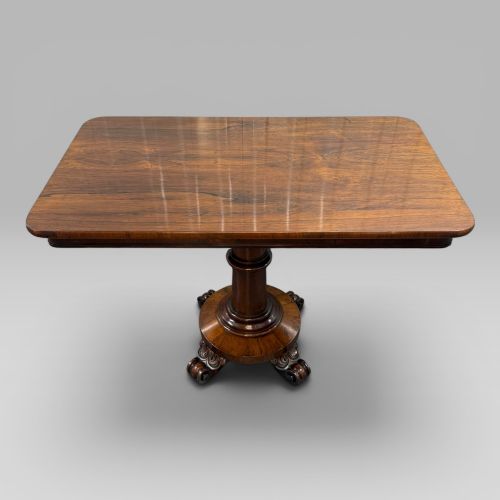
Every antique rectangular wood table spans a vast domestic vocabulary, running from large kitchen and dining boards down to compact coffee, side, and occasional pieces. The selection includes formal George III breakfast tables and William IV centre pieces alongside rustic elm and pine low forms.
Makers from the 18th century onward built these rectangular formats for dining, writing, and display, utilising mahogany, rosewood, oak, and walnut. Surviving examples incorporate drop leaves, tilt tops, and pedestal supports tailored to specific rooms.
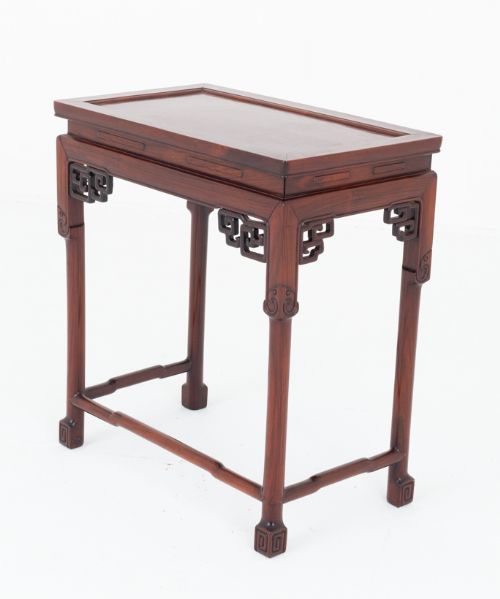
Buyers meet specimens originating from English workshops, French provincial houses, and Chinese dynasties. These items function equally as serving surfaces, low coffee tables, and central room anchors.
How they were made
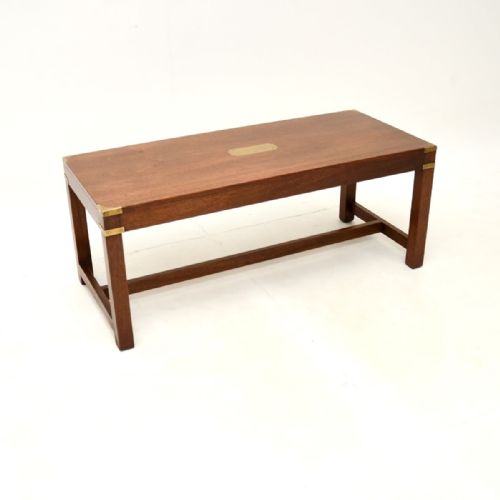
Cabinetmakers constructed each antique rectangular wood table using dense hardwoods such as mahogany, oak, rosewood, and walnut, often enhanced by contrasting satinwood banding or brass fittings. Joinery relied on mortise and tenon frames, solid timber tops, and robust cross stretchers.
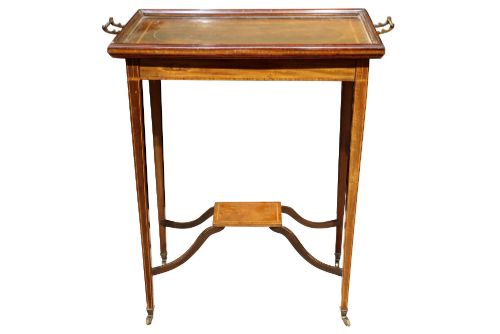
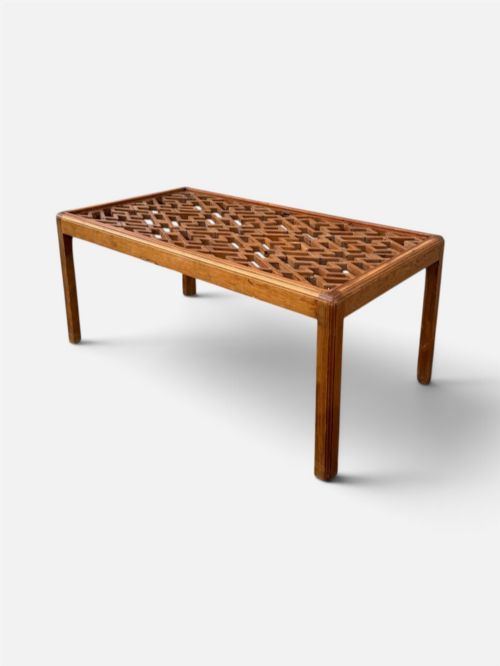
Surface ornamentation varied from fine inlaid stringing and carved fretwork panels to glass tops and painted decoration. Timbers were selected for natural grain pattern, then hand-finished with wax or polish to protect the wood.
Listings feature mahogany, oak, rosewood, walnut, elm, and pine across 18th-century, Georgian, Victorian, and Edwardian periods.
What varies in quality
The degree of refinement in timber selection and joinery separates standard utility furniture from high cabinetmaker output. Superior examples display finely figured grain, precise inlay work, and robust structural framing without excessive modern intervention.
Proportion and architectural balance dictate the standing of a piece, where crisp carving and original brass hardware elevate the item. Lesser examples show simpler construction methods, heavier timbers, or plain surfaces intended for purely utilitarian rooms.
Hille
The Antique Rectangular Wood Table Glossary
- Crossbanded
- Bordered with a strip of veneer laid across the grain of the main timber. This decorative technique frames the rectangular top of a table.
- Tilt top
- A table mechanism allowing the surface to pivot and lock vertically when not in use. It saved valuable floor space in smaller period rooms.
- Drop leaf
- A hinged flap on either side of a central table top that folds down. It provided adjustable surface area for dining or occasional use.
- Occasional table
- A small, movable table designed for intermittent use around a room. Examples include lamp, wine, and side tables.
- Centre table
- A piece finished on all sides to stand free in the middle of a room. These served for display, writing, or informal gatherings.
Antique Rectangular Wood Table: Frequently Asked Questions
How do I use a low coffee table?
Low coffee tables provide a stable surface for books and decorative objects in living spaces. Their modest height grounds the surrounding seating arrangement.
Position the piece centrally before a sofa to maintain comfortable reach and clear movement paths through the room.
How do I care for antique wood?
Antique wood surfaces require gentle cleaning with a soft cloth and occasional application of traditional wax polish. Avoid placing timber pieces in direct sunlight or near heat sources to prevent splitting.
Keeping indoor humidity stable protects the structural integrity of old joints and veneers.
Where were side tables placed?
Side tables stood against walls in hallways, drawing rooms, and dining parlours to hold lamps, porcelain, or serving dishes. Their rectangular shapes fitted neatly into perimeter spaces.
They offered surface utility without blocking the main walkways of a busy household.