
Antique Provincial Buffet
An antique provincial buffet offers generous storage and grounding presence, bringing rustic regional character and practical utility to a dining room or kitchen.
Antique Provincial Buffet
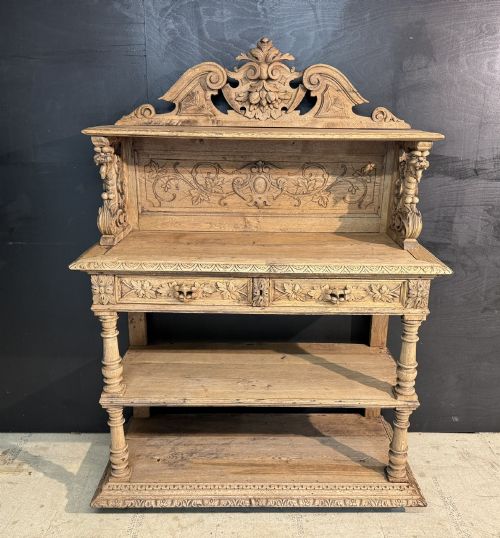
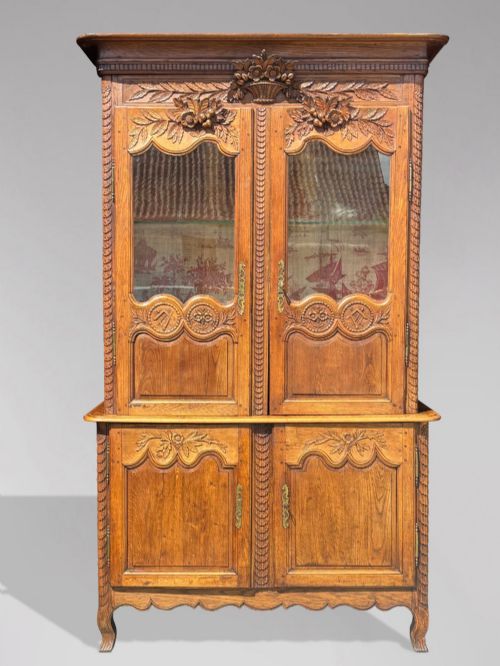
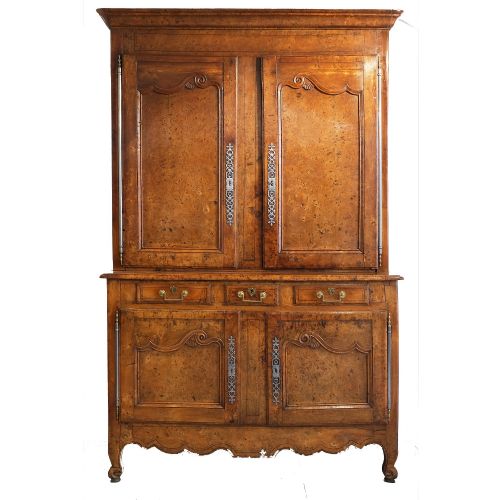
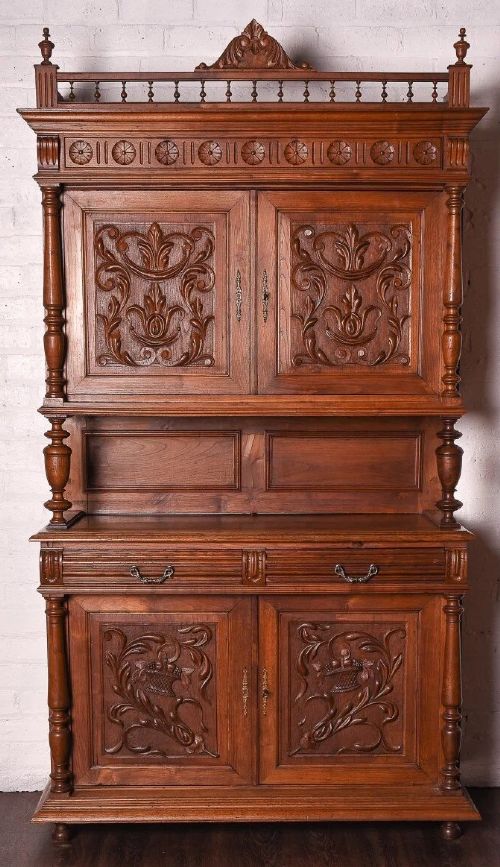
An antique provincial buffet serves as a substantial storage piece created in regional workshops rather than metropolitan centres. Buyers searching for an antique provincial buffet encounter sturdy timber constructions designed for domestic utility and dining service.
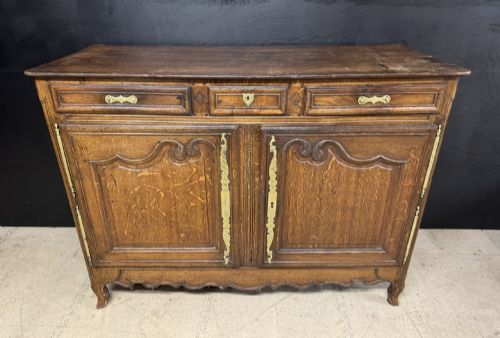
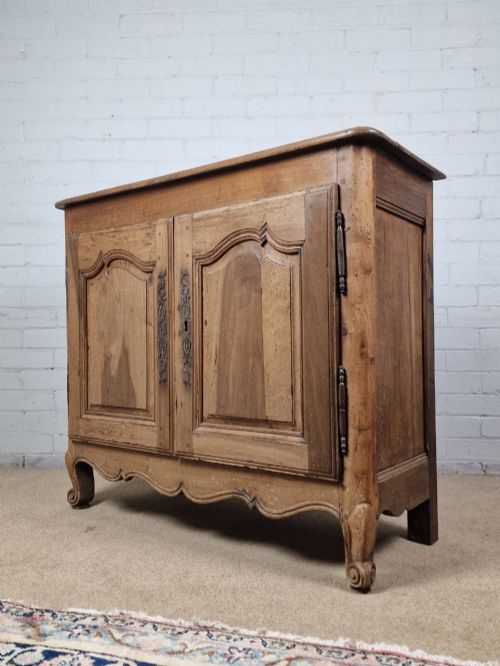
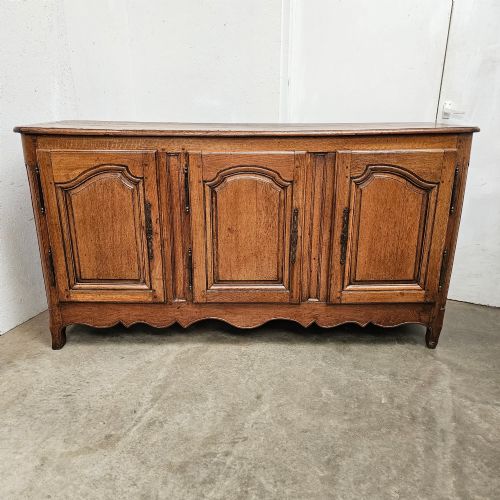
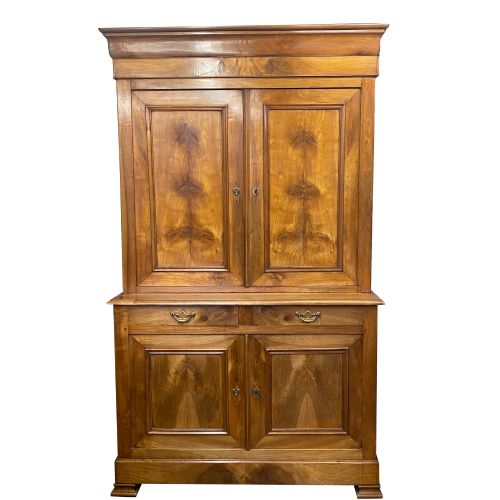
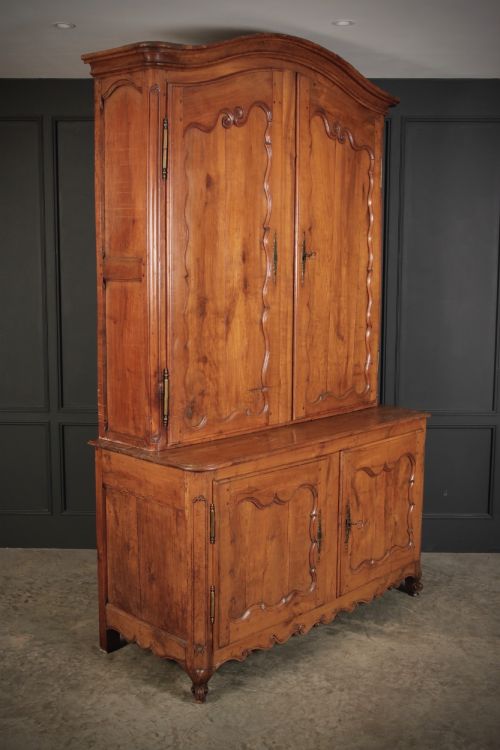
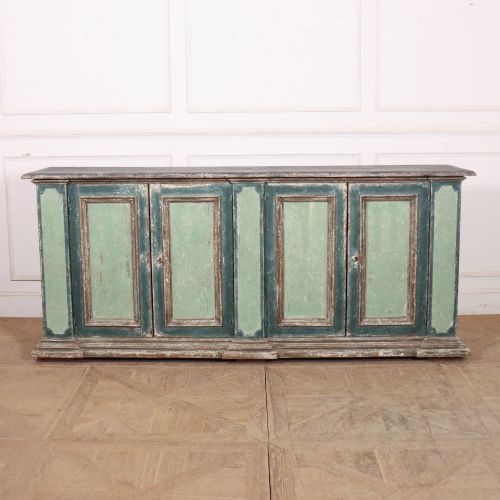
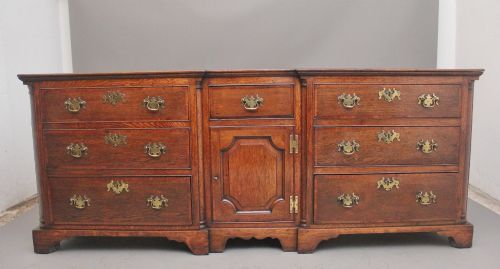
The pieces on this page span the seventeenth to the twentieth centuries, featuring robust forms in oak, walnut, and cherrywood. Sideboards, enfilades, and two-part cupboards dominate the selection, reflecting diverse European regional traditions from the Louis XV period through to later rustic revivals.
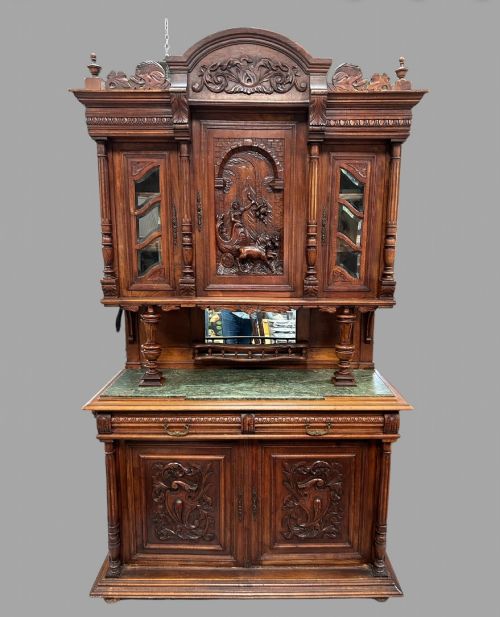
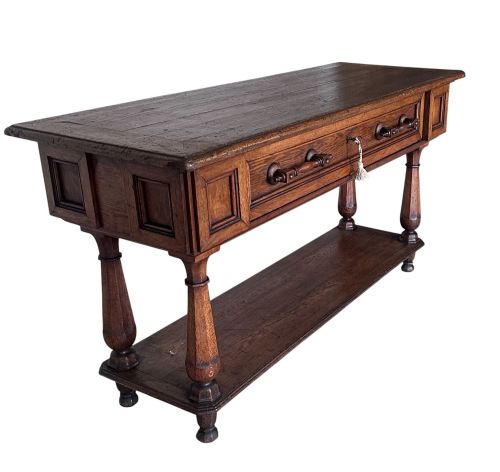
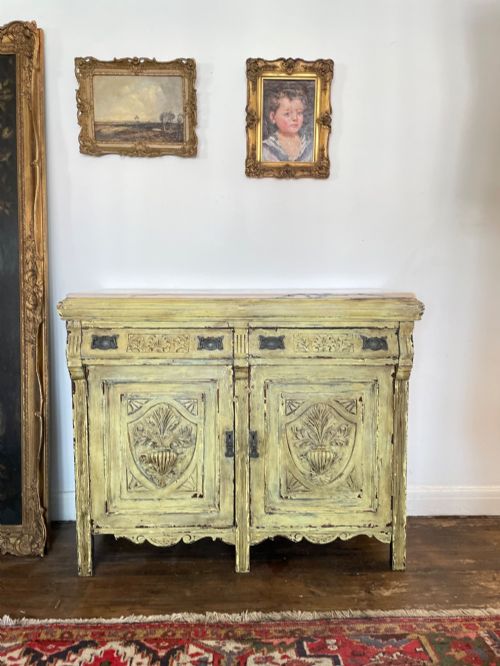
Regional variations include low sacristy cabinets, grand deux corps cupboards, and marble-topped serving tables. These items provide deep cupboards and drawers originally intended for household provisions and dining linen.
Construction and materials
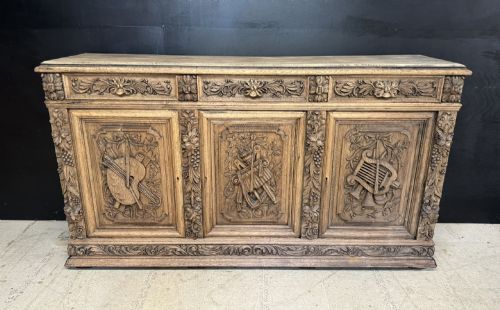
Joinery relies heavily on solid regional timbers such as oak, walnut, ash, elm, and cherrywood, often combined with fruitwood elements. Carved ornamentation and panelled doors display traditional hand-tool methods utilised by regional cabinetmakers.
Selected pieces incorporate contrasting materials like pink marble tops, brass hardware, and iron fittings to enhance durability and surface utility. Timber selection varied according to local availability, resulting in distinct regional grain patterns and patination.
Several cupboards retain deeply carved game motifs on their doors, originally intended to inspire appetite before the hunt feast.
Judging quality and proportion
Quality rests upon the integrity of the timber selection and the crispness of the hand-carved detailing on doors and panels. Superior examples maintain balanced proportions and original structural hardware without excessive modern interventions.
The depth of the patination and the harmony between secondary timbers reveal the relative care taken during initial construction. Finer pieces demonstrate precise joinery in heavy framework like the deux corps, ensuring stability across centuries of domestic service.
The Antique Provincial Buffet Glossary
- Enfilade
- A long sideboard or buffet featuring a sequence of doors, typically three or four, aligned along the front. This form originated in grand dining spaces for serving food.
- Deux corps
- A large two-part cupboard consisting of an upper cabinet resting upon a deeper lower base. These imposing pieces provide extensive storage capacity.
- Pot board
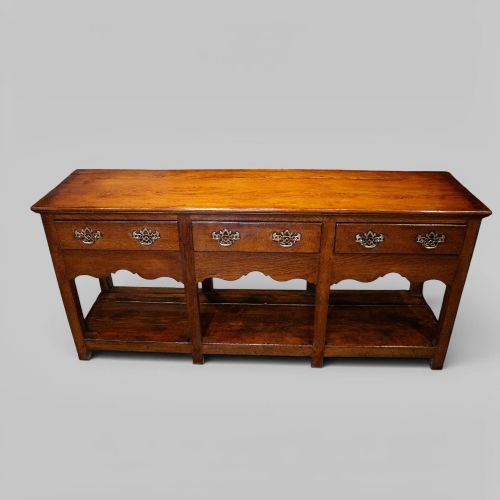
- An open lower shelf built into a dresser base or sideboard. Historically, this surface held heavy pots and kitchen utensils.
- Parquetry
- Geometric wood inlay work arranged in patterns on table tops and cabinet fronts. It adds decorative surface texture using contrasting timber tones.
- Fruitwood
- Timber sourced from fruit-bearing trees such as cherry, pear, or apple. Cabinetmakers utilised these dense woods for fine turning and carving.
Antique Provincial Buffet: Frequently Asked Questions
Where should I place an antique provincial buffet?
These substantial pieces anchor dining rooms, large hallways, or spacious kitchens where deep storage is required. Their broad surfaces also accommodate serving dishes or display items.
Ensure adequate wall space and clearance for doors or drawers to open fully without obstruction.
How do I clean and maintain timber surfaces?
Dust regularly with a soft, dry cloth and apply a quality beeswax periodically to nourish the grain. Avoid chemical sprays and keep timber away from direct heat sources.
Marble tops require simple wiping with a damp cloth and mild soap to prevent staining from acidic liquids.
What is the difference between a buffet and an enfilade?
A buffet generally refers to a lower storage cabinet used for food preparation or serving. An enfilade is a specific extended buffet style featuring three or more doors in a continuous line.
Both forms offer substantial internal capacity for dining ware and household linens.
How can I identify the timber used?
Examine the grain patterns, colour variations, and density of the wood visible on unpainted interior and exterior surfaces. Oak displays prominent medullary rays, while walnut exhibits rich dark brown tones with varied figuring.
Cherrywood and fruitwoods typically show a smooth, warm reddish hue that deepens with age.