



Rustic French Server
A rustic french server brings provincial utility and honest timber into a dining room or kitchen.
Rustic French Server
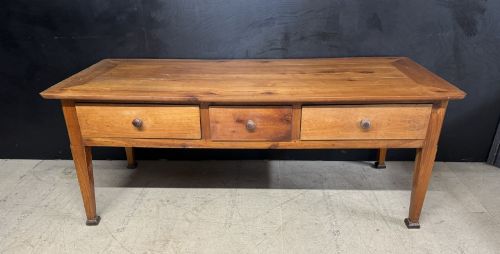
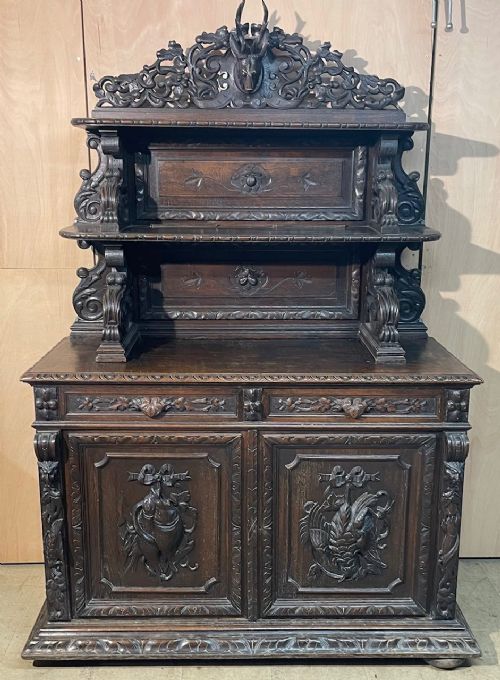
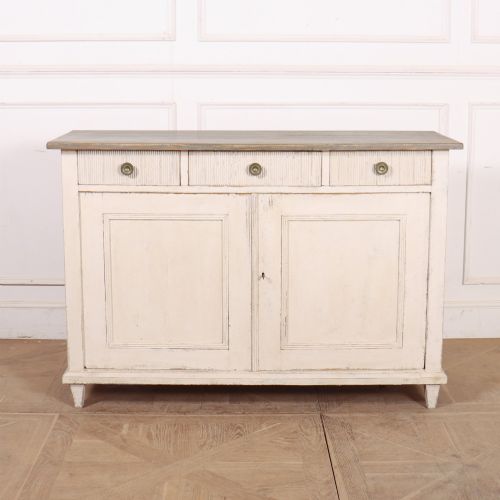
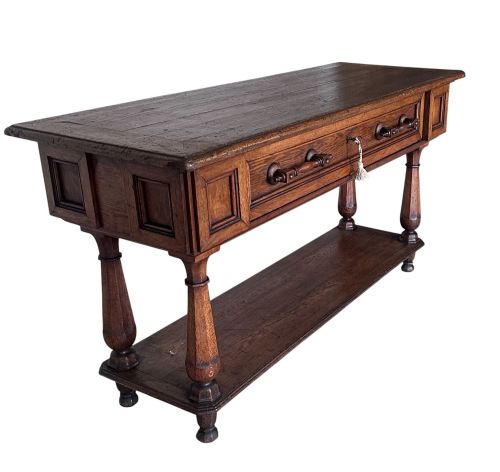
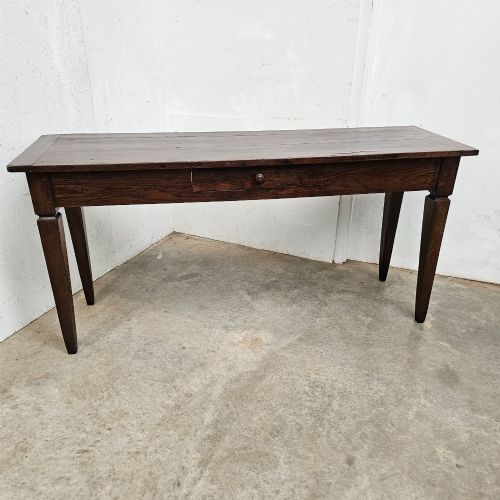
When you search for a rustic french server, you look at heavy utilitarian tables, sideboards, and dresser bases designed for daily domestic use. These pieces originate primarily from the eighteenth and nineteenth centuries, spanning regional styles from provincial farmhouses and manor kitchens to shop interiors.
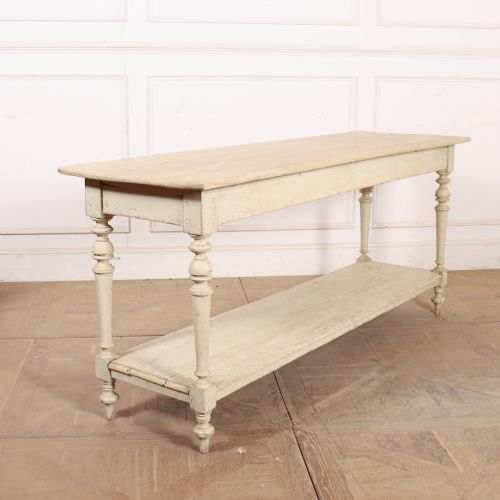
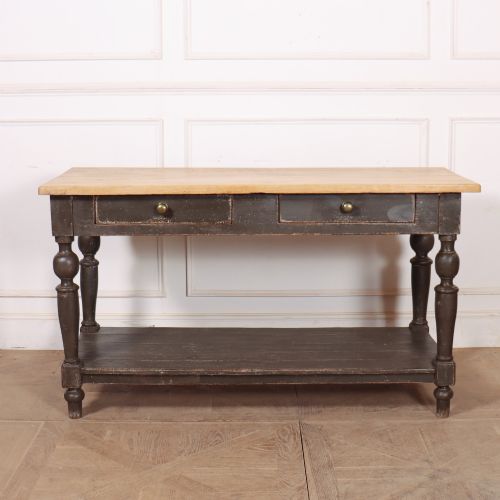
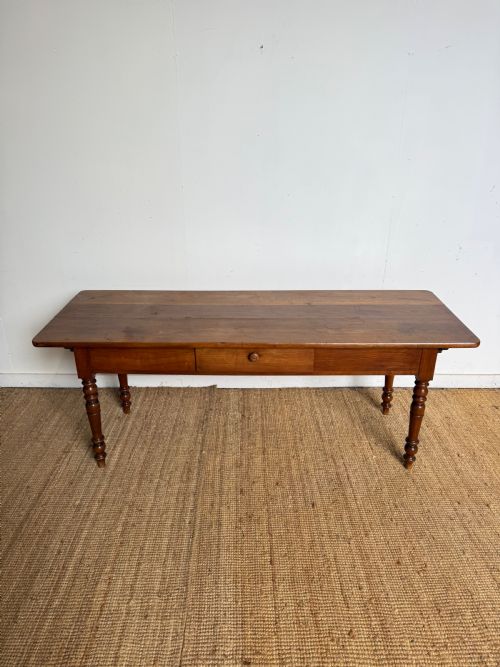
You are most likely to meet oak, pine, and cherrywood examples on this page, often equipped with drawers, pot-shelves, or scrubbed tops. The forms range from narrow console tables and harvest serving tables to substantial cupboards and drapers tables.
Regional diversity shapes these objects, with specific origins like Alsace and Bresse appearing among the inventory. Their primary purpose involved food preparation, storage, and service in domestic and commercial settings.
Materials and Construction
Carpenters built these servers using solid regional hardwoods including oak, fruitwood, cherrywood, walnut, chestnut, and burr elm, alongside soft pine. Timber selection depended on local availability, resulting in robust plank tops, panelled carcasses, and sturdy frames designed to withstand heavy kitchen labour.
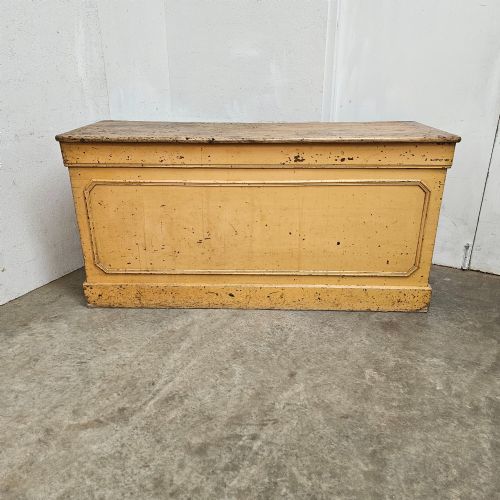
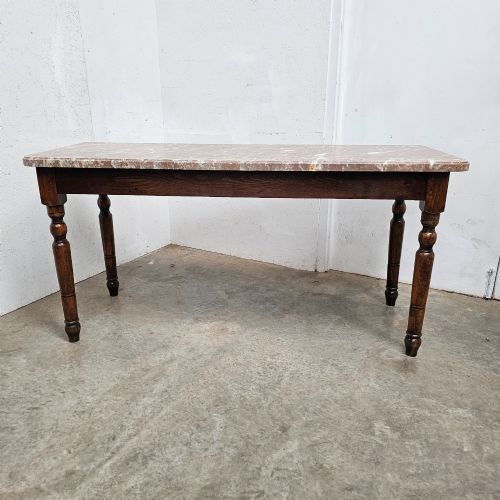
Surface treatments vary between natural waxed timber, bleached finishes, and original or later paint layers. Iron and brass hardware such as drawer pulls and hinges complete the construction, while selected pieces incorporate marble tops for patisserie preparation.
Bread prep tables and shop counters carry the silent flour-dust memories of rural French bakers who leaned against them every single morning.
Assessing Quality and Proportion
The distinction between ordinary utility items and superior pieces rests on timber selection, structural integrity, and originality of surface. Dense grains, mature burr elm, and well-figured walnut elevate a simple serving table into a more distinguished object.
Proportion and scale dictate visual success, particularly in longer drapers tables, monumental console tables, and tall manor house pieces. Retained original paint, untouched patination, and functional drawers or pot-shelves enhance the desirability of an antique server.
The Rustic French Server Glossary
- Drapers Table
- A long, narrow table traditionally utilised for folding and displaying textiles in shops, now favoured as a serving console. These tables typically feature multiple drawers beneath a generous timber top.
- Pot-Shelf
- A low lower shelf fitted between the legs of a serving table or dresser base, originally designed for storing heavy pots and pans. This structural element adds stability and practical storage space.
- Dresser Base
- The lower portion of a traditional kitchen dresser, functioning as a sideboard or low cupboard with drawers and cupboards. They provide substantial surface area and enclosed storage for dining rooms.
- Patination
- The surface sheen and colour acquired by wood, paint, and metal through decades of handling, cleaning, and ageing. Good patination reflects the genuine history and untreated surface of a piece.
- Fruitwood
- A collective term for timber harvested from fruit-bearing trees such as cherry, apple, and pear, valued for its warm tone and fine grain. French provincial cabinet makers utilised these accessible regional woods extensively.
Rustic French Server: Frequently Asked Questions
What is a rustic french server used for?
These servers function primarily as sideboards, console tables, or food preparation surfaces in dining rooms and kitchens. They provide generous top space for serving dishes and lower storage within drawers or pot-shelves.
Historically, they served domestic and commercial roles in French homes, shops, and manor houses. Today, their sturdy construction and utility make them practical additions to modern living spaces.
How do I identify an 18th century piece?
Eighteenth century servers display construction methods specific to the period, including hand-cut joints, pegged tenons, and deep natural patination on walnut and oak. Their proportions tend to reflect earlier utilitarian designs before nineteenth century industrial standardisation.
Examine the undersides, drawer construction, and timber movement to understand their age. Regional French pieces often show distinct tool marks and local wood choices characteristic of pre-revolutionary cabinet making.
Are bleached oak tables original?
Bleaching or stripping timber to achieve a pale, scrubbed finish is a common treatment for nineteenth century oak and pine tables. While some pieces naturally weathered through centuries of heavy scrubbing with water and sand, many underwent professional lightening to suit contemporary decorative tastes.
This treatment alters the original dark wax or polish but highlights the grain and texture of the wood. Collectors should inspect the depth of the finish and the condition of the underlying timber.
How do I clean and maintain a wooden server?
Maintain antique timber servers by dusting regularly with a soft, dry cloth and applying occasional quality beeswax to nourish the wood. Avoid placing them near direct heat sources or in areas with extreme humidity fluctuations to prevent splitting.
Protect marble tops from acidic substances like citrus or vinegar if utilised for serving food. Gentle care preserves the historical surface and patination built up over generations.