




Antique Pottery Wall Dish
An antique pottery wall dish brings centuries of painted tin-glazed earthenware and porcelain directly onto the surface of a room.
Antique Pottery Wall Dish
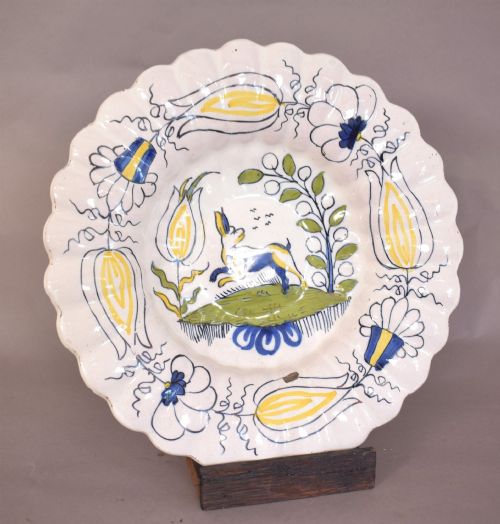
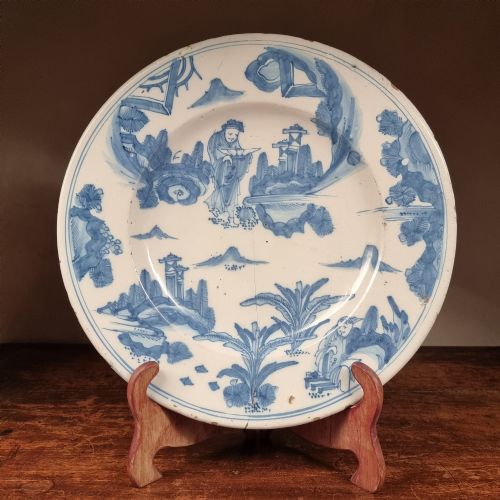
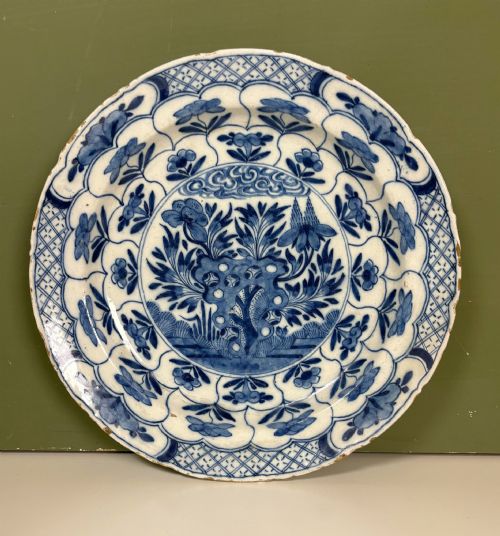
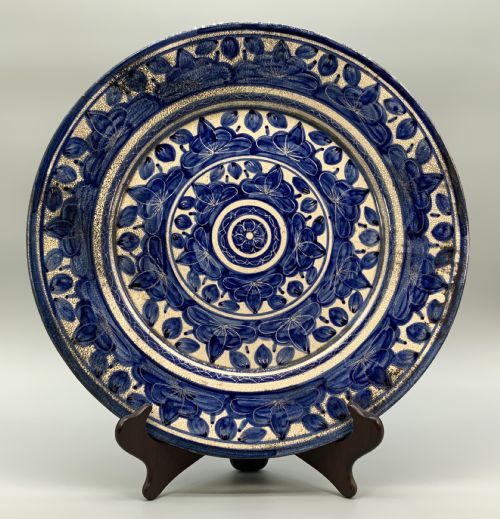
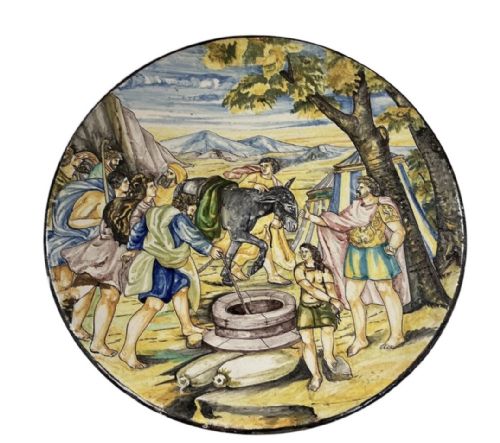
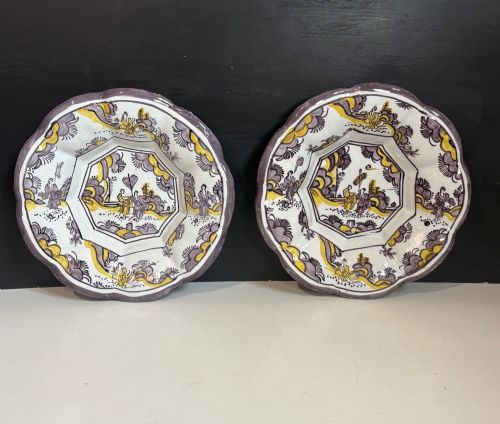
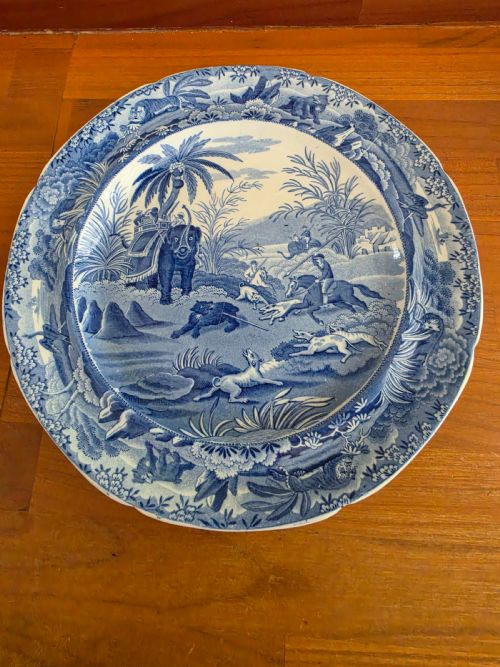
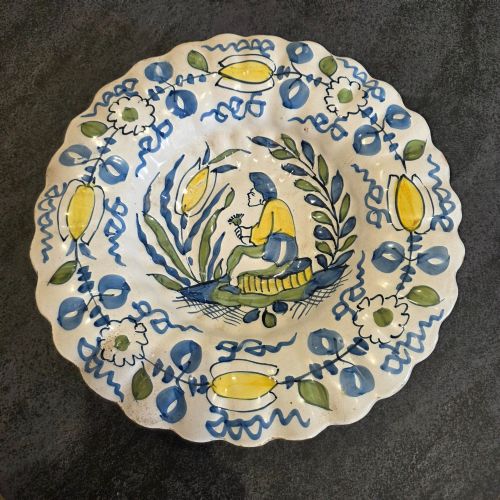
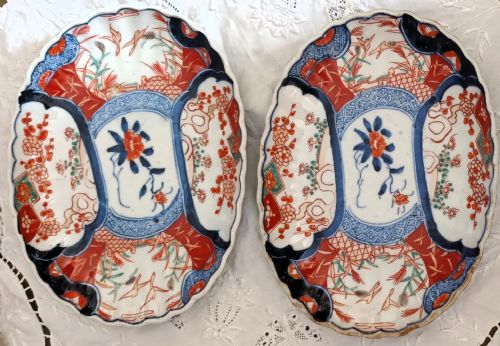
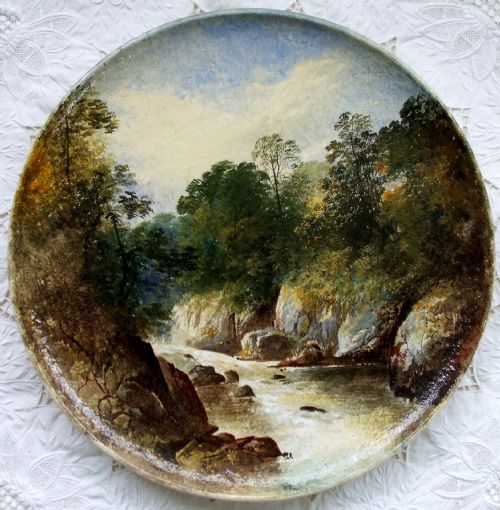
When you search for an antique pottery wall dish, you encounter substantial chargers, decorative plates, and pictorial plaques spanning from the seventeenth century through the early twentieth century. The selection leans heavily toward Dutch Delftware, English tin-glazed earthenware, and Japanese Imari porcelain made for display. These forms were designed specifically to be hung on walls or set upon furniture to catch the light.
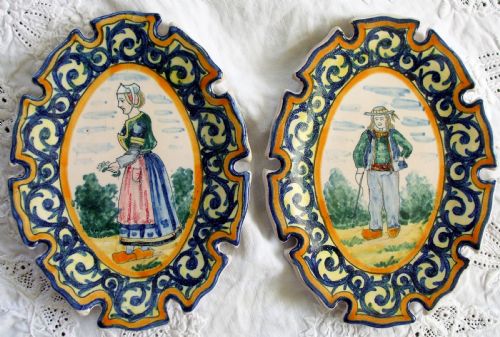
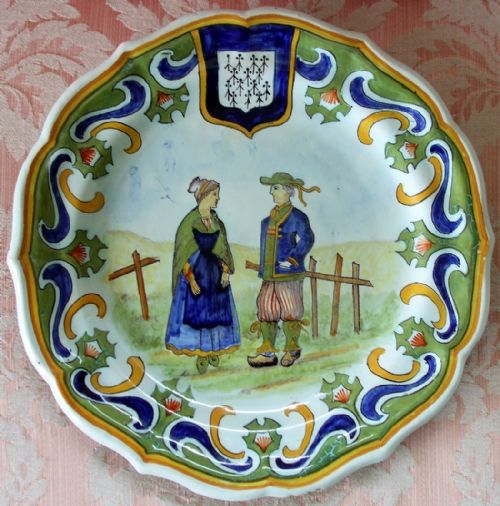
The origins stretch across Europe and Asia, taking shape as seventeenth-century Dutch chargers, English plates from the eighteenth century, and Japanese Meiji period porcelain. You meet everything from simple blue and white Delft bowls to polychrome Spanish and French faience. Each object reflects the prevailing decorative tastes of its period, moving from bold geometric styles to naturalistic scenes.
How they were made
Makers shaped earthenware, ceramic, and porcelain bodies before applying tin glaze or enamel surfaces. Artisans then painted details using cobalt pigment and various coloured pigments directly onto the absorbent ground before firing.
Techniques varied between the high-temperature glazing of European delftware and the fine porcelain potting traditions seen in Japanese Imari and Satsuma wares. Potters often utilised hand-thrown or moulded bases, finishing the rims with scalloped edges or pierced feet for hanging.
Regional styles represented include Dutch Baroque, Japanese Imari, French Provincial, and Renaissance Revival.
What varies in quality
The hierarchy of quality rests upon the crispness of the painted brushwork and the stability of the glaze during firing. Superior pieces display confident, fluid cobalt or polychrome painting that holds its definition without bleeding excessively into the surrounding tin glaze.
Form also dictates standing, as larger chargers and deeply lobed dishes require immense skill to prevent warping in the kiln. The depth of colour and the complexity of the narrative or floral motifs separate ordinary production ware from exceptional examples.
Koshida·William Yale·John Ridgway·Clarice Cliff·Stubbs
The Antique Pottery Wall Dish Glossary
- Tin-glazed earthenware
- Pottery covered with a white opaque glaze containing tin oxide, providing a smooth white ground for painting. This surface mimics the appearance of costly Chinese porcelain.
- Charger
- A large decorative plate intended primarily for display on a sideboard or wall rather than for dining. These wide surfaces offered artists a broad canvas for narrative scenes.
- Imari
- Japanese porcelain decorated in underglaze blue, iron red, and gilt, highly sought after by European collectors. The style emphasises dense, vibrant botanical and geometric patterns.
- Polychrome
- Decoration utilising multiple distinct colours rather than a single pigment like cobalt blue. Artisans applied these mineral colours over or under the glaze.
Antique Pottery Wall Dish: Frequently Asked Questions
How were antique wall dishes hung?
Many early earthenware chargers lack factory-made hanging holes, meaning historical owners relied on wire frames or specialised tension clips. Later nineteenth-century plaques often incorporate pierced feet at the rear specifically for cord attachment.
Securing these pieces safely requires hardware designed to distribute weight evenly across the base and rim. Avoid pressing rigid wires directly against fragile tin glaze.
What is the difference between delft and faience?
Delft specifically describes tin-glazed earthenware produced in the Netherlands, particularly around Delft, though English centres adopted the term for similar blue and white output. Faience serves as the broader European term for tin-glazed pottery made in France, Spain, and other regions.
Both categories share the same fundamental manufacturing technique of applying an opaque white glaze over a buff or earthenware body. The distinction lies entirely in regional terminology and local decorative palettes.
Can I hang these dishes on the wall?
Displaying these items on walls is a traditional practice dating back centuries, especially for large chargers and commemorative plaques. Ensure that any mounting bracket bears the full weight without pinching the delicate edges.
Keep display locations away from direct sunlight and areas subject to sudden temperature shifts to protect the historic glaze. Periodic checks of the hanging wire prevent accidental slips.