




Victorian Earthenware Wall Plate
A victorian earthenware wall plate brings nineteenth-century narrative and landscape directly to your interior walls through rich ceramic artistry.
Victorian Earthenware Wall Plate
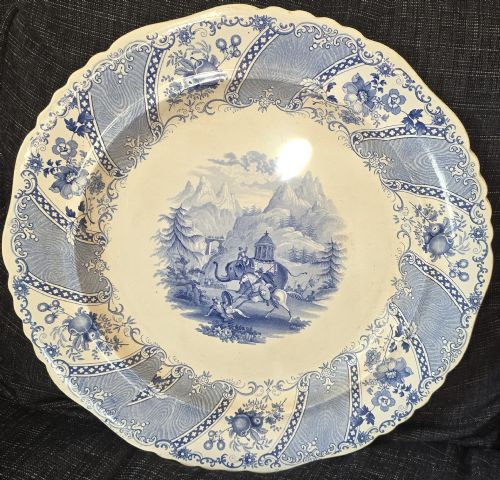
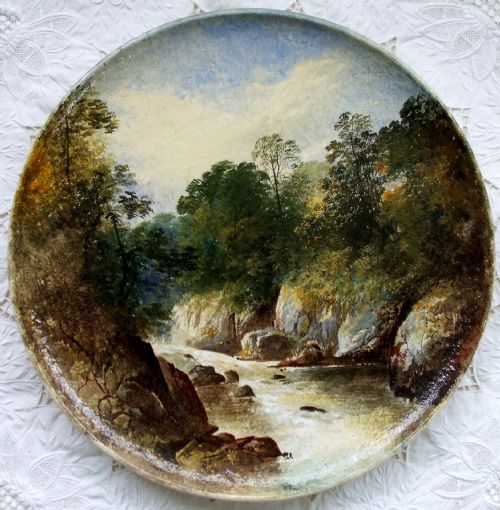
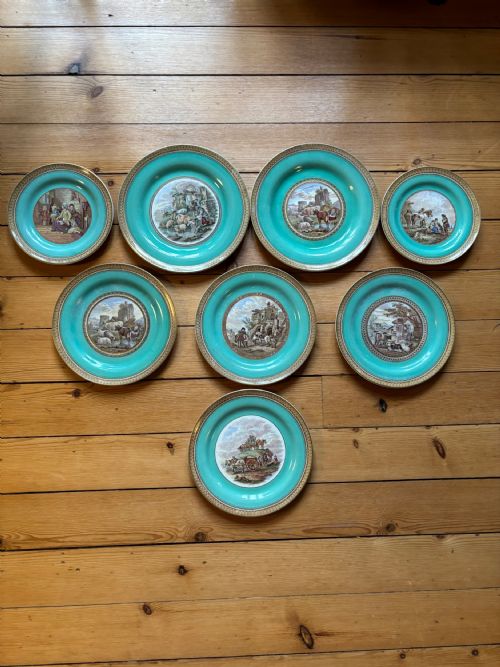
These items encompass decorative plates, wall plaques, and chargers made from earthenware, ceramic, and ironstone during the nineteenth century. The selection ranges from topographical landscape scenes to blue and white transferware and armorial designs.
You will encounter pieces featuring Chinoiserie motifs, historicist subjects, and folk art expressions alongside hand-painted botanical or ornithological studies. Many incorporate hanging provisions or serve as substantial display chargers.
Copeland, Minton, and Staffordshire factories dominate the physical evidence, often presenting titled Welsh views or classical transfer printing. The primary focus remains on wall display and decorative impact rather than functional dining use.
Materials and manufacture
Potters shaped the clay body using earthenware, ceramic, and ironstone pastes before applying tin or lead-based glazes. These surfaces received transfer printing in blue and white or polychrome enamel paint applied by hand.
Kiln firing fixed the underglaze prints and enamel pigments, sometimes requiring multiple firings for complex palettes. Specialised factories utilised local clays and specialised decorative techniques like majolica glazing.
Victorian Earthenware Wall Plate Retail Price Guide 2026
Typical asking prices for victorian earthenware wall plate among the pieces listed under this phrase on Sellingantiques today, from the lower quarter to the upper quarter. They describe what is for sale here now, not the wider market.
Listings feature earthenware, glaze, ceramic, and enamel materials across Victorian and Georgian periods.
Assessing quality
The sophistication of the painted or printed subject matter largely determines the merit of an example, especially where artists signed specific landscape views. Crispness of the transfer print and richness of the enamel glaze separation distinguish finer works.
The weight and scale of the ceramic body, alongside the complexity of moulded borders or armorial detailing, separate standard production from exhibition-grade chargers.
Copeland Pottery·Minton·Staffordshire·Royal Bonn·Portobello
The Victorian Earthenware Wall Plate Glossary
- Earthenware
- Porous ceramic pottery fired at lower temperatures than stoneware or porcelain, requiring a glaze to achieve impermeability.
- Transferware
- Pottery decorated by applying a design from an engraved copper plate onto tissue paper and transferring it onto the ceramic body before glazing.
- Majolica
- Heavy earthenware covered with an opaque tin-lead glaze and brightly coloured metallic oxide paints, popular for naturalistic animal and plant motifs.
- Charger
- A large decorative plate primarily used for display on a sideboard or wall rather than for serving food at table.
- Ironstone
- A dense, durable type of earthenware patented in the nineteenth century to imitate porcelain while offering greater strength.
Victorian Earthenware Wall Plate: Frequently Asked Questions
How do I hang a heavy wall plate safely?
Most display plates of this period require specialised brass spring hangers that grip the rim securely without damaging the ceramic body.
Ensure you anchor the fixing directly into a wall stud or use a rated plaster wall plug to support the weight of ironstone or majolica chargers.
Were these plates meant for dining?
The larger chargers and specific wall plaques were conceived strictly for interior decoration and visual display rather than daily table service.
Transfer-printed platters and meat plates saw practical kitchen use, while scenic plaques were framed or hung directly on walls.
How can I identify a nineteenth-century piece?
Look for impressed factory marks, registration diamonds, or hand-written titles on the reverse that indicate nineteenth-century production methods.
Weight, crazing in the glaze, and the specific depth of the earthenware body help distinguish Victorian wares from later reproductions.
What subjects appear on these wall pieces?
Popular themes include British and Welsh topographical views, literary scenes, Chinese-inspired transfer prints, and botanical studies of birds and flowers.
Many bear specific titles or artist signatures identifying exact locations like North Wales or historical landmarks.