



Antique Pottery Lion
An antique pottery lion brings unmistakable presence to a room, ranging from robust Staffordshire mantel ornaments to finely modelled Japanese Shishi figures.
Antique Pottery Lion
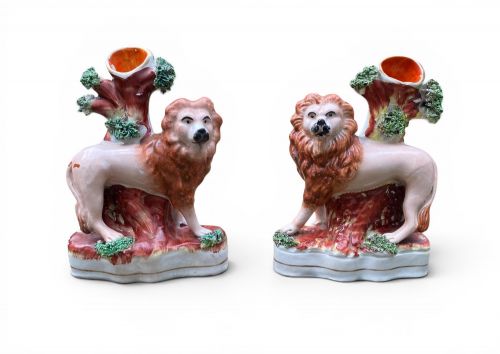
When you search for an antique pottery lion, you encounter a fascinating mix of domestic Staffordshire earthenware and imported Asian ceramic sculpture. The most common examples on this page are Victorian Staffordshire figures, often modelled as recumbent pairs or spill vases with bold glazes.
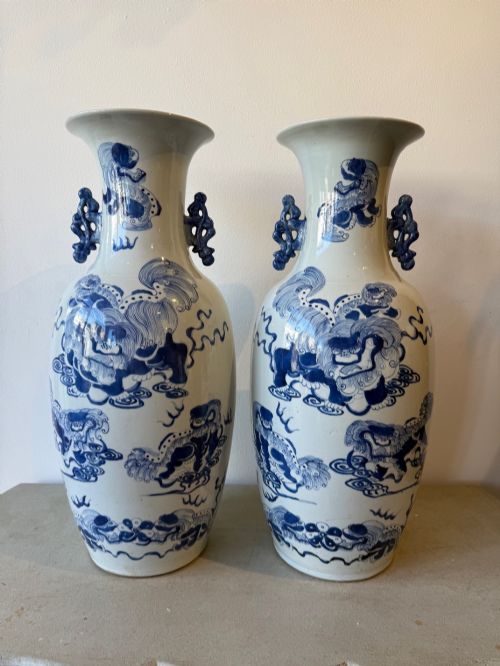
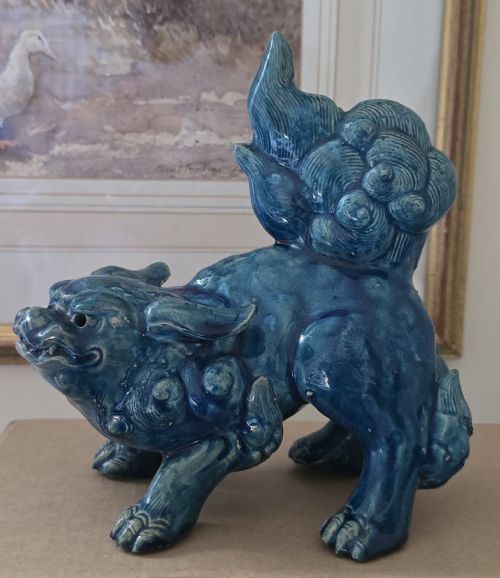
Beyond the classic British fireplace ornaments, the forms extend across centuries and origins to include Chinese porcelain Foo dogs, Japanese turquoise-glazed Shishi figures, and even practical kitchenalia such as cream-glazed jelly moulds.
The materials span standard earthenware and pearlware through to hard-paste porcelain and stoneware, reflecting both utilitarian kitchen uses and high-status decorative arts from diverse global traditions.
Materials and construction methods
Potters relied primarily on earthenware, porcelain, and stoneware bodies, shaping them through moulding, slip-casting, or hand-modelling before applying foundational glazes. Many British pieces utilise lead glaze, tin glaze, or rich treacle and copper lustre finishes to achieve their distinctive sheen.
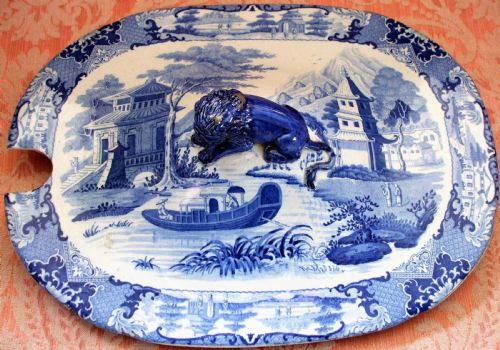
Decoration often involved underglaze blue and white transfer printing, enamel painting, or delicate gilding, particularly on pieces originating from Staffordshire factories and East Asian kilns during the nineteenth century.
One determined feline disguise appears as a Staffordshire poodle sporting confetti fur and separate leg figures.
Assessing visual and physical refinement
The application and depth of the glaze dictate much of the visual success, distinguishing richly pooled treacle, copper lustre, or turquoise surfaces from flat, uninspired colouration.
Robert Hamilton·Rockingham Pottery·Lancaster and Sons of Hanley·Rogers
The Antique Pottery Lion Glossary
- Staffordshire
- A major centre of English ceramic production in the nineteenth century, known for producing prolific quantities of chimney spaniels, lions, and spill vases. Pieces from this region define the quintessential British mantelpiece aesthetic.
- Shishi
- A traditional Japanese guardian lion or temple dog, frequently rendered in ceramic or porcelain during the Meiji period. These figures often feature vibrant turquoise or Satsuma glazes.
- Pearlware
- A refined earthenware developed in the late eighteenth century by Josiah Wedgwood, characterised by a subtle bluish tint in the glaze pooling around crevices. It served as a popular base for early Staffordshire figures.
- Treacle glaze
- A dark, translucent brown lead glaze that creates a rich, glossy finish reminiscent of molasses. It appears frequently on nineteenth-century animal figures.
- Spill vase
- A hollow ceramic figure incorporating an attached cylinder designed to hold wooden spills for lighting candles or fires. These practical mantel ornaments combine utility with sculptural form.
Antique Pottery Lion: Frequently Asked Questions
How do I identify a Staffordshire lion?
Staffordshire lions typically appear as earthenware mantel ornaments, often modelled as recumbent pairs, standing figures, or spill vases. Look for characteristic crackle in the glaze and robust proportions typical of nineteenth-century British production.
Many of these figures feature distinct hand-painted facial expressions, golden lustre accents, or heavy treacle glazes. Examining the unglazed base often reveals the porous earthenware body standard for the period.
Where were these ceramic lions displayed?
In nineteenth-century British homes, pottery lions stood proudly on mantelpieces, often arranged as symmetrical pairs flanking a fireplace. Their bright glazes and imposing presence added decorative warmth to the parlour.
Larger versions sometimes functioned as garden ornaments on bases, while smaller iterations served practical roles as bookends or even kitchen jelly moulds.
How do glazes help date pottery lions?
The type of glaze offers clear chronological markers, shifting from early tin glazes and pearlware to rich copper lustre, salt glaze, and glossy treacle finishes by the mid-nineteenth century. Each chemical composition reflects the prevailing technology of its decade.
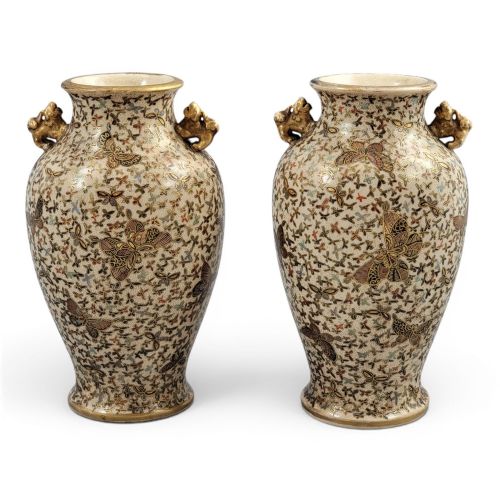
Asian pieces introduce alternative aesthetic markers, such as turquoise glazes or delicate Satsuma enamel work, which accurately anchor items to specific periods like the Meiji era.