

Antique Portraiture Artwork
Antique portraiture artwork captures individual identities across centuries, offering collectors a direct link to past lives through painted canvas, pastel, and print.
Antique Portraiture Artwork
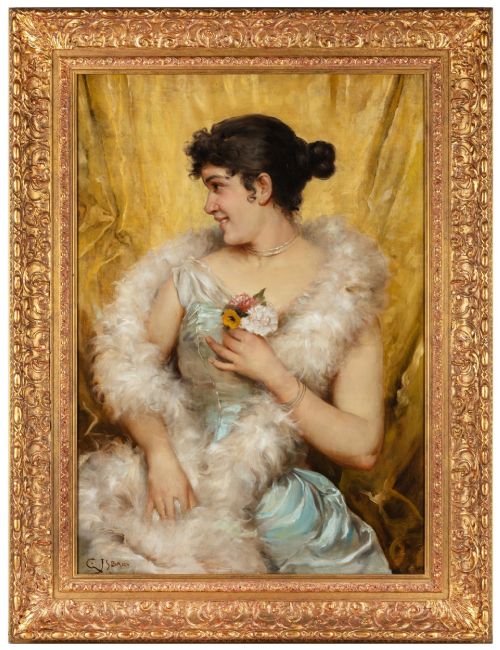
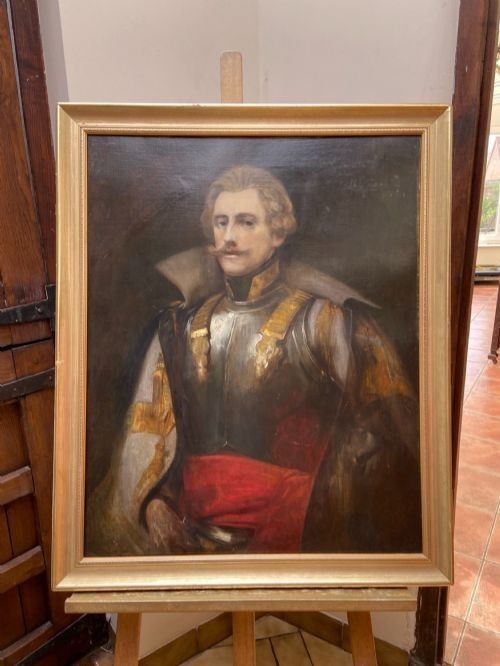
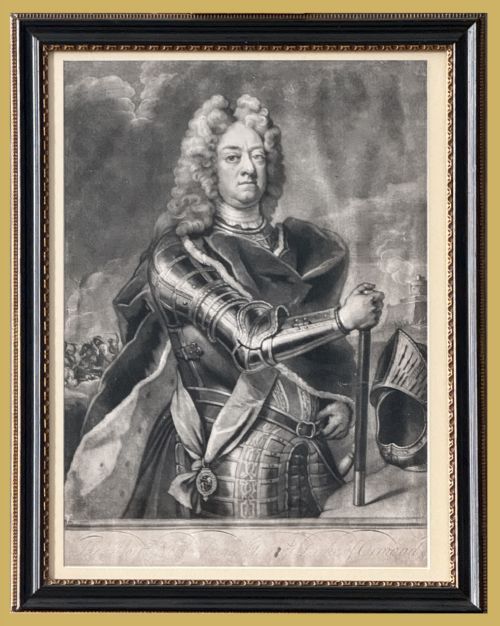
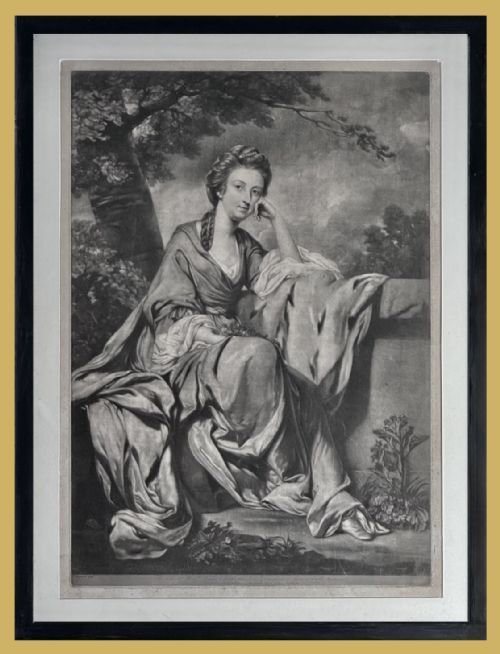
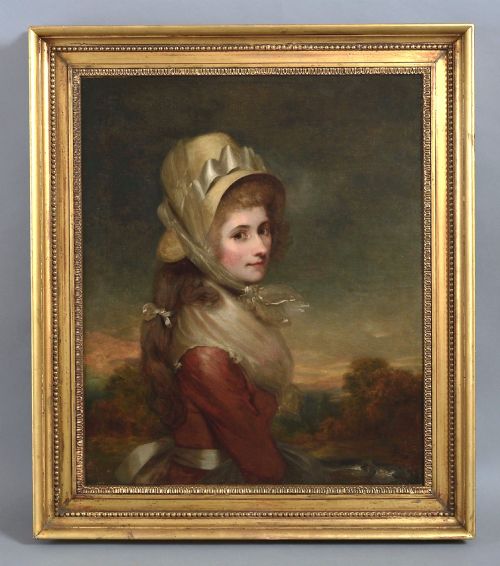
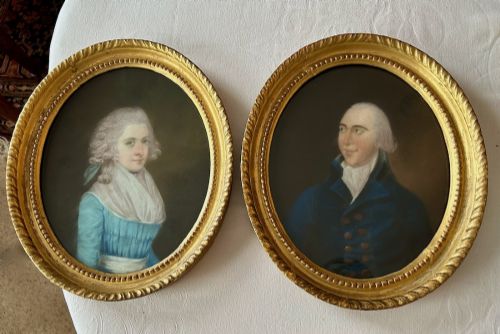
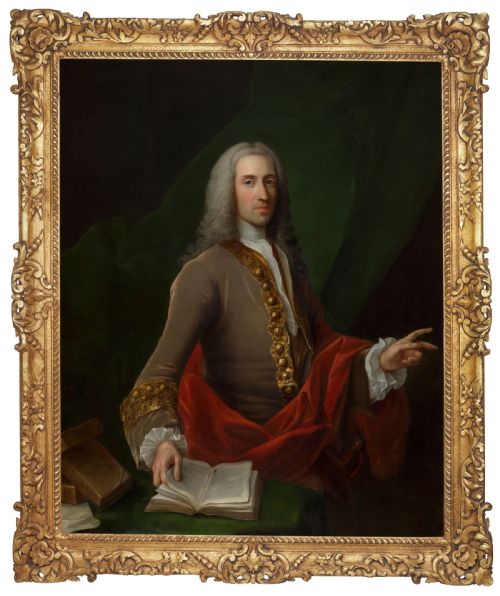
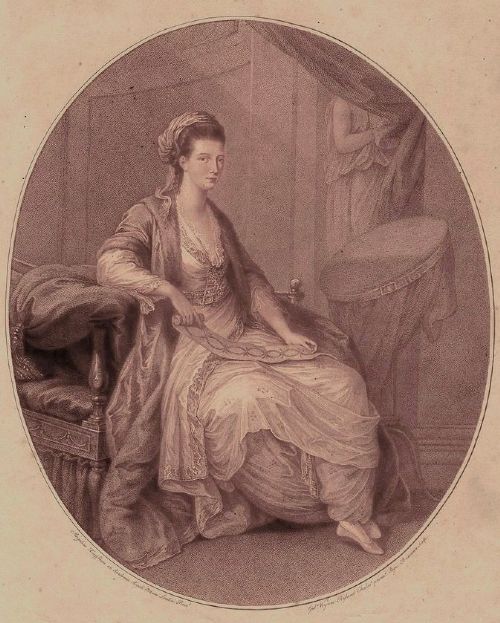
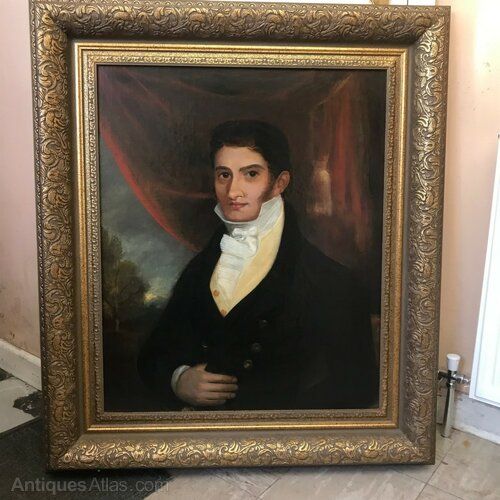
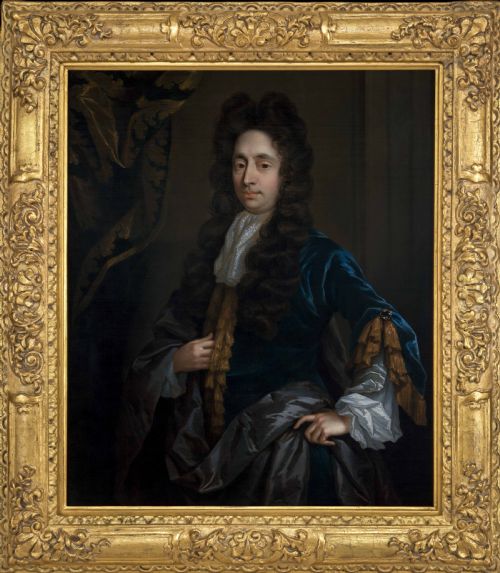
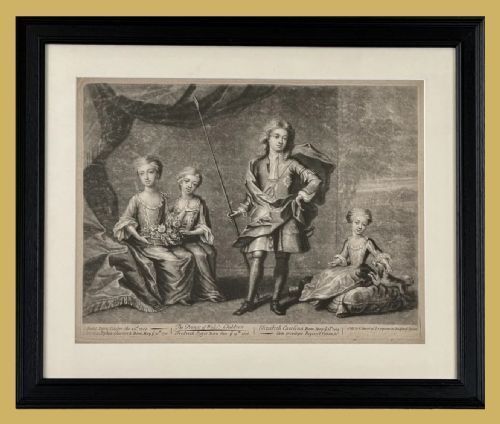
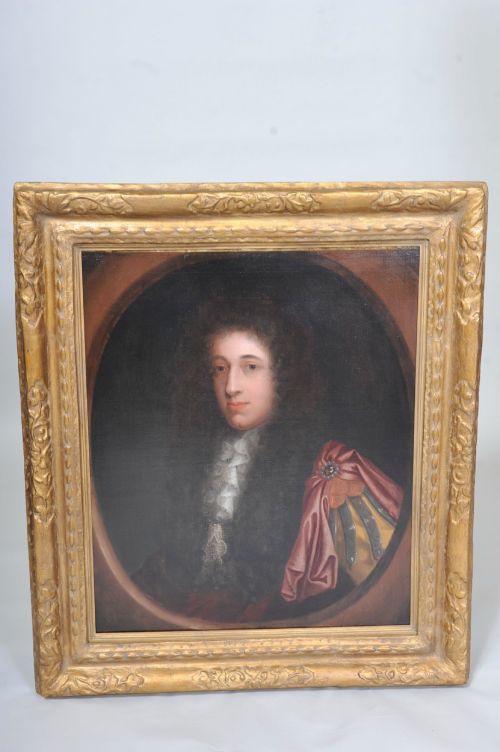
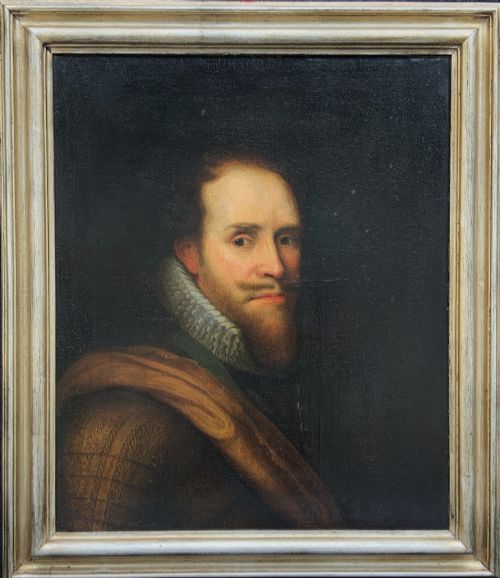
When searching for antique portraiture artwork, collectors examine historical likenesses rendered across oil paintings, pastel drawings, mezzotints, and watercolours. These works record the faces of nobility, military officers, children, and notable gentlefolk from various eras.
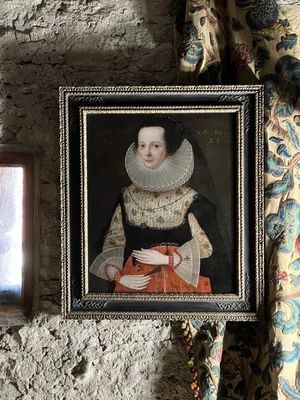
The selections available here span from the 17th century through the Victorian period and into the 20th century. Buyers will frequently encounter formal oil on canvas pieces, delicate pastel portraits, and detailed engraving works reflecting distinct stylistic periods.
Works range from intimate portrayals of children and family members to grand depictions in elaborate historical costume. Each piece serves as both a historical document and a significant example of period fine art.
Materials and methods
Makers utilised oil paint applied to prepared canvas, wood panels, or boards to achieve durable, rich colour depth. Many works employ traditional priming methods underneath layers of pigment.
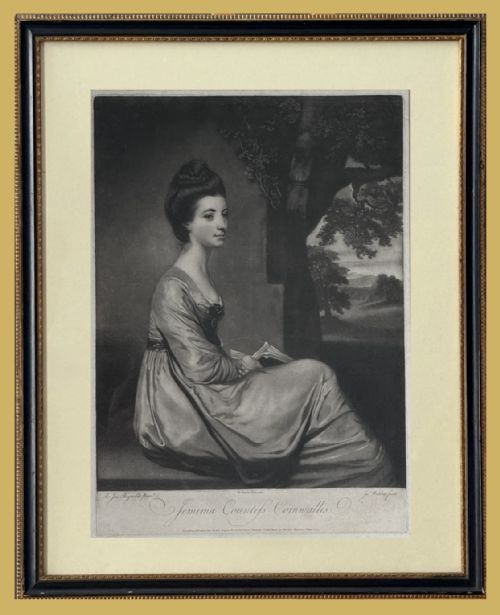
Pastel portraits on paper capture delicate textures through dry pigments, frequently preserved behind glass within period frames. Engravings and mezzotints utilise inked metal plates pressed onto paper to reproduce fine tonal gradations.
Listings feature works across the 17th, 18th, 19th, and 20th centuries, executed in oil, pastel, watercolour, and mezzotint engraving.
Distinctions in quality
The skill of the artist dictates the psychological depth and anatomical accuracy present in the subject's face and hands. Superior pieces demonstrate confident brushwork or precise pastel handling that brings vitality to the sitter.
Condition and originality heavily influence the standing of a work. Surviving original frames, minimal restoration to the paint surface, and clear provenance connecting the subject to a documented painter elevate the importance of the piece.
The elaborateness of the costume, the inclusion of detailed background objects such as curtains or books, and the historical significance of the sitter separate standard decorative portraits from museum-grade examples.
John Simon·Michael Dahl·Edward Fisher·Sir Joshua Reynolds·Sir Martin Archer Shee·James Watson·Jeremiah Davison·Constantyn Netscher·John Smith·Charles D Agar·Augustin Edouart·John Russell·Cornelius Johnson·Frederick Tatham·Florence Small
The Antique Portraiture Artwork Glossary
- Mezzotint
- A printmaking process where the copper plate is roughened to allow deep shades and subtle tones to emerge. This technique was widely utilised for reproducing painted portraits in the 18th century.
- Pastel
- A medium composed of powdered pigment and a binder, shaped into sticks for drawing. It creates a velvety matte surface requiring glass protection.
- Giltwood
- Wood that has been coated with a thin layer of gold leaf or gilt paste. It frequently forms the decorative frames surrounding antique oil paintings.
- Old Master
- A term applied to European painters of high skill working before about eighteen hundred. These artists established foundational styles seen in Dutch and British portraiture.
- Attributed to
- A designation used when a work is considered likely by a specific artist based on style and technique, though without definitive signature proof.
Antique Portraiture Artwork: Frequently Asked Questions
How do I identify a 17th-century portrait?
Seventeenth-century works often feature sitters in rigid, elaborate lace collars, stiff doublets, or heavy ceremonial costume. The brushwork tends to be direct, and panels or heavy canvases were common supports before lighter stretcher frames became standard.
Examining the reverse of the canvas or panel frequently reveals aged wood, old handwritten labels, or structural joinery typical of early workshops.
How should I display antique portraits?
Antique portraiture artwork thrives in controlled environments away from direct sunlight and excessive humidity. Natural light can fade delicate pastel pigments and discolour old varnish on canvas surfaces.
Grouping works of similar periods, such as matching pairs of pastel portraits or Dutch oil paintings, creates a cohesive historical display on a wall.
What does attribution mean on a listing?
Attribution indicates that an expert has linked a painting to a specific artist or school based on stylistic markers and handling techniques. While lacking a direct signature, the work shares distinct characteristics with documented pieces by that hand.
This classification helps buyers understand the likely origin and circle of production when original documentation is absent.