





Graphite Portrait Study
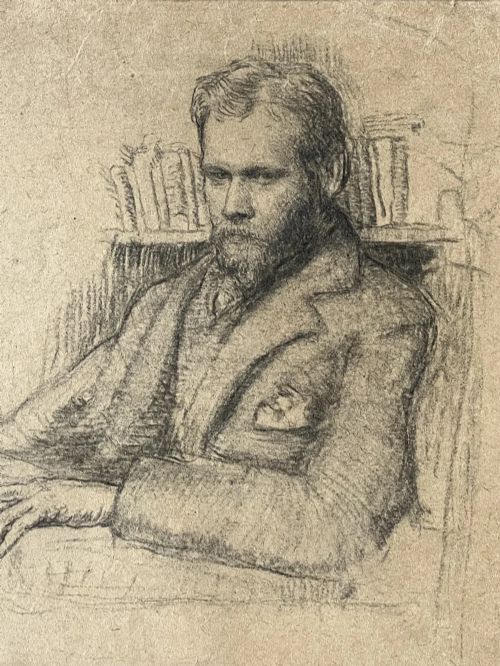
A graphite portrait study captures the likeness and character of a sitter through the direct application of pencil and chalk on paper.
Graphite Portrait Study
A graphite portrait study offers an intimate window into the likeness and character of a sitter through the direct application of drawing media on paper. When exploring a graphite portrait study, a buyer encounters works spanning the nineteenth century through the modernist period, including Edwardian and art deco examples.
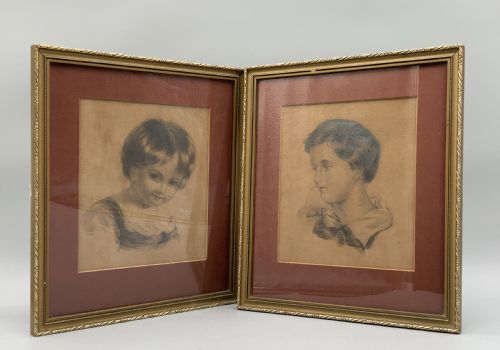
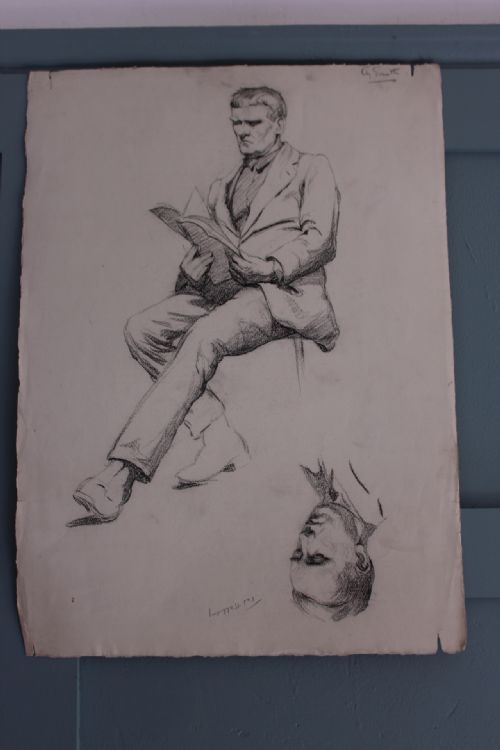
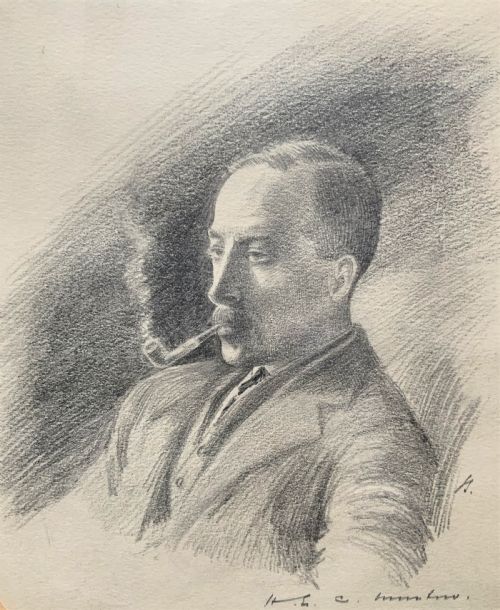
The selections on this page encompass original drawings and framed works originating from British and French hands. These pieces range from academic realism to modern British art styles, depicting subjects from young boys and smoking gentlemen to notable figures.
How they were made
Framing often involves wood and gilded wood under glass to protect the delicate paper surfaces from environmental damage and handling.
Several drawings preserve the quiet moments of daydreaming sitters, mothers with babies, and gentlemen pausing for a smoke.
What varies in quality
Quality in these works rests upon the surety of the draughtsmanship and the psychological depth captured in the sitter's expression. Pieces executed with confident, expressive line work by established hands demonstrate a superior command of proportion and light compared to more rigid academic exercises.
The preservation of the paper support and the harmony of the original framing also contribute significantly to the standing of an individual piece within the wider field.
Augustus John·Sir Thomas Lawrence·Ted Halliday·Juliet Pannett
The Graphite Portrait Study Glossary
- Graphite
- A form of crystalline carbon used in pencils, allowing artists to achieve varied tones from delicate silver-grey to dense black. It forms the primary medium for linear definition and shading in these drawings.
- Toned paper
- Paper manufactured or prepared with a neutral or coloured tint rather than stark white. This allows the artist to work up both dark shadows and white highlights effectively.
- Academic realism
- A style of painting and drawing produced under the influence of European academies of art. It emphasises precise anatomical accuracy, careful proportion, and lifelike representation.
- Modern British
- An umbrella term for art produced in Britain during the twentieth century that engaged with European modernism while retaining distinct national characteristics.
Graphite Portrait Study: Frequently Asked Questions
How should I frame and display my drawing?
Drawings on paper require conservation-grade mounting under glass to protect the delicate graphite and chalk pigments from dust and physical contact.
Keep framed pieces away from direct sunlight to prevent the paper from yellowing and the media from fading over time.
How do I identify the period of a drawing?
Dating relies on the costume and hairstyle of the sitter, the style of the mounting or framing, and any signatures or inscriptions on the paper.
Stylistic markers such as Victorian academic realism or later modern British approaches also provide clear chronological clues.
Are these works original or reproductions?
The pieces listed here are original hand-drawn works of art created directly by the artist using pencil, chalk, or graphite.
Each drawing is a unique item bearing the actual hand movements and tonal layering of the creator.