
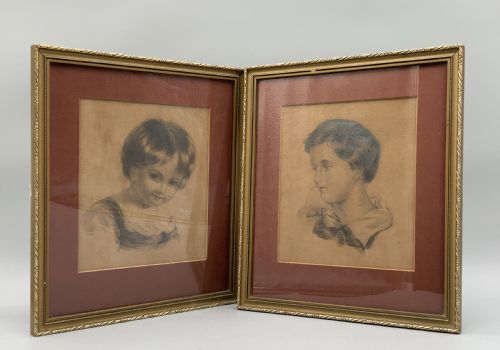



Pencil Portrait on Paper
A pencil portrait on paper captures character through direct line and subtle shading, offering an intimate record of past lives.
Pencil Portrait on Paper
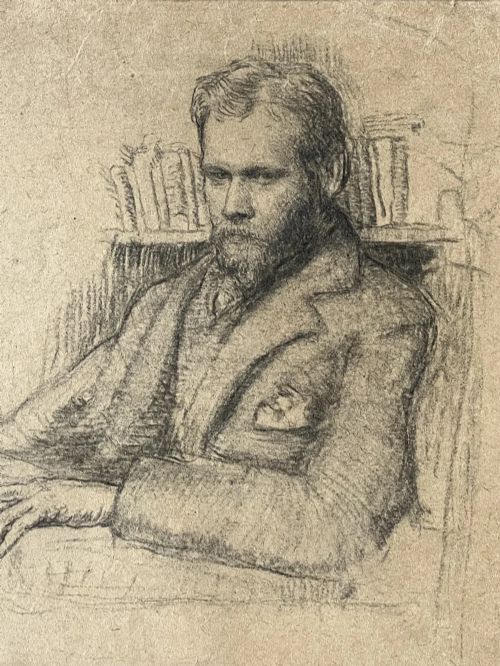
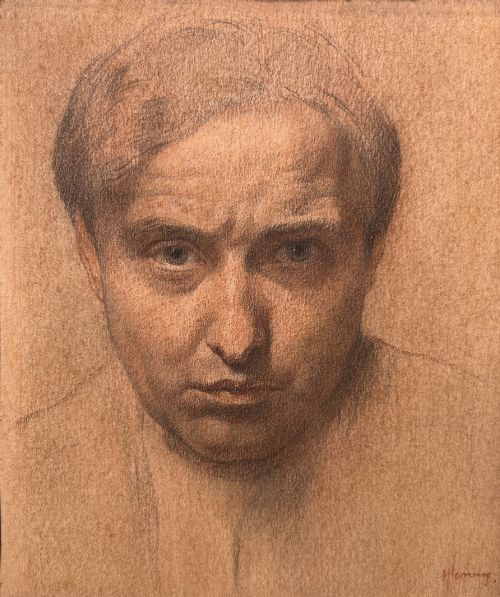
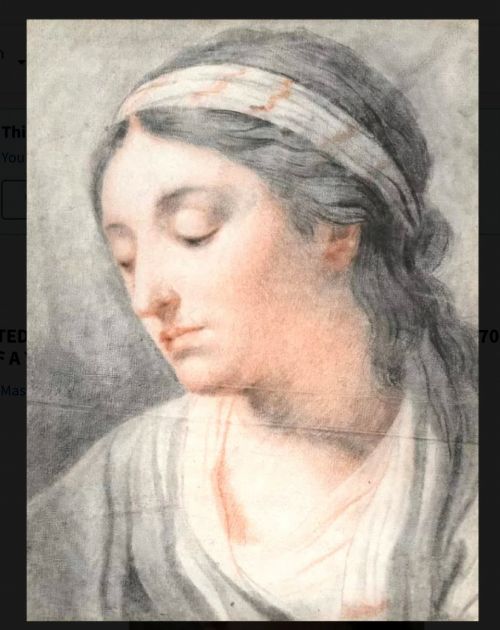
A pencil portrait on paper functions as a direct record of an individual's likeness, captured through graphite, charcoal, or chalk on various paper supports. These works range from rapid studio sketches to highly finished academic studies intended for exhibition.
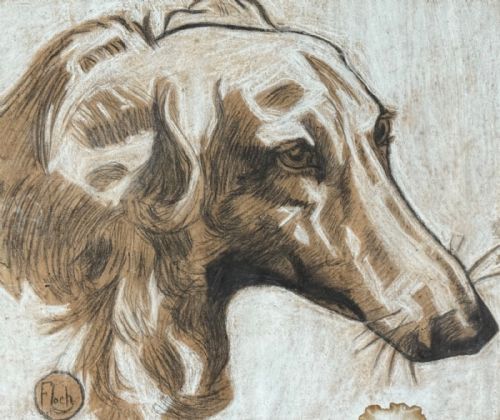
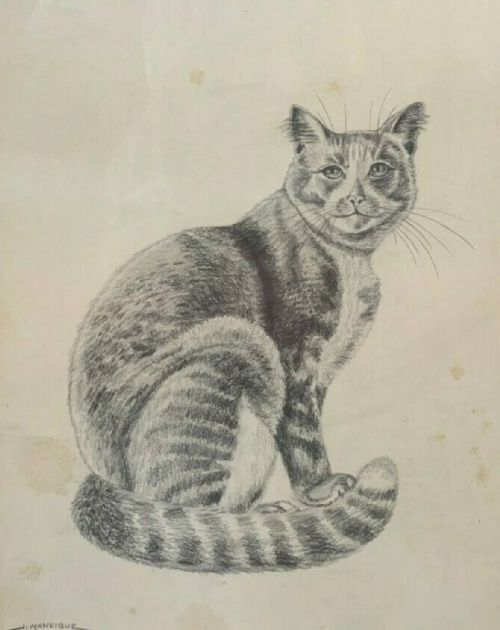
The selections available span multiple centuries, touching upon Regency elegance, Victorian formality, and twentieth-century modernism. Portrait drawings appear alongside animal studies, such as dogs and cats, as well as figurative compositions.
Earlier examples often reflect academic traditions, while later pieces adopt looser strokes characteristic of Art Deco and Mid-Century aesthetics. Common formats include framed wall art and works on paper ready for mounting.
Materials and technique
Graphite and pencil provide the foundational line work, frequently combined with charcoal, chalk, or watercolour wash to add depth and tone. Artists utilise white bodycolour or gouache on tinted or buff papers to create highlights that lift the subject from the page.
Supports consist primarily of paper, occasionally featuring watermarks such as J Whatman, which indicate the quality of the sheet. Preservation typically involves framing behind glass to protect the delicate media from atmospheric moisture and handling.
Several Victorian sitters brought their spaniels along to sit for the artist, immortalising loyal pets side-by-side with their owners.
Distinctions in quality
The strength of a portrait lies in the confidence of the draughtsmanship, where precise control of line and tone defines bone structure and expression. Works executed with sureness of hand convey immediacy and psychological depth, separating accomplished studio pieces from rigid exercises.
Condition plays a role, with clean, stable paper surfaces and minimal foxing commanding greater attention from collectors. The inclusion of clear signatures, dates, or detailed provenance linking the sitter to a known historical figure elevates the historical interest of the drawing.
Augustus John·Dame Laura Knight·George Perfect Harding·Mariette Lydis·Sir William Charles Ross
The Pencil Portrait on Paper Glossary
- Graphite
- A form of carbon used as a drawing medium in pencils, producing grey or black marks that can be smudged for tonal shading.
- Buff paper
- A pale brownish-yellow paper stock that provides a warm mid-tone background for highlights and dark pencil lines.
- Watermark
- A recognizable design impressed into paper during manufacture, often identifying the papermaker and year.
- Wash
- A thin, translucent layer of diluted watercolour or ink applied with a brush to add atmospheric tone over pencil lines.
- Academic realism
- An artistic style of meticulous representation taught in official academies, emphasising anatomical accuracy and careful observation.
Pencil Portrait on Paper: Frequently Asked Questions
How should I frame a pencil portrait?
Protect the delicate surface by mounting the drawing away from the glass using an acid-free mat. This prevents humidity from causing the paper to adhere to the glazing.
Keep the framed work away from direct sunlight to prevent the graphite or watercolour elements from fading over time.
How do I identify the period of a drawing?
Examine the paper type, watermark, and framing style, alongside the clothing and hairstyle of the sitter. Clues within the signature or inscription often point to a specific decade.
Compare the draughtsmanship style against known movements, such as the rigid formality of the Victorian era or the expressive lines of the Art Deco period.
Were these portraits meant to be finished works?
Many drawings served as preparatory studies for larger oil paintings or finished miniatures destined for private collections. Artists also created independent sketches to capture an informal likeness of family members or notable figures.
Studio drawings often remained in the artist's possession until their death, providing a direct glimpse into their working methods.
What is the difference between graphite and charcoal?
Graphite creates a silvery-grey metallic line that can achieve fine detail and subtle tonal gradation. It resists smudging better than softer media.
Charcoal produces a deep, velvety black mark with high contrast, suited for expressive shading and bold figurative studies.