




Sepia Pencil Drawing
A sepia pencil drawing offers a muted monochrome warmth, capturing portraits, architecture and landscapes across centuries.
Sepia Pencil Drawing
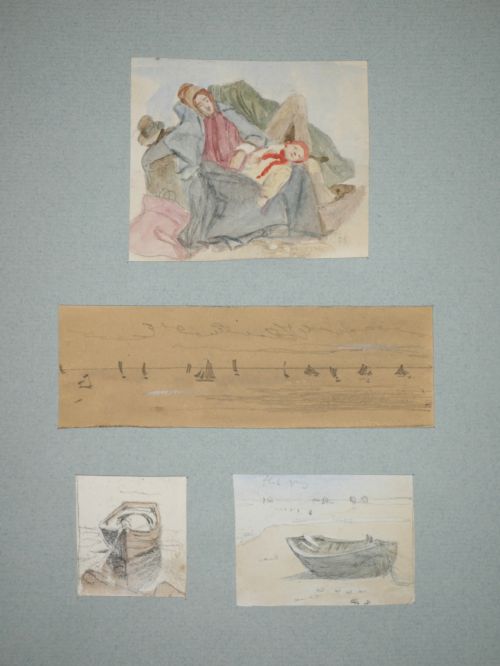
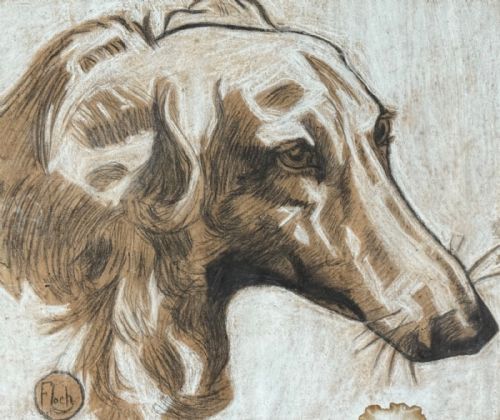
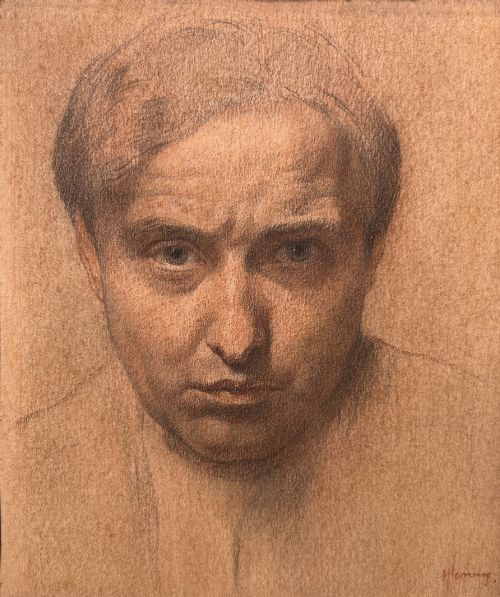
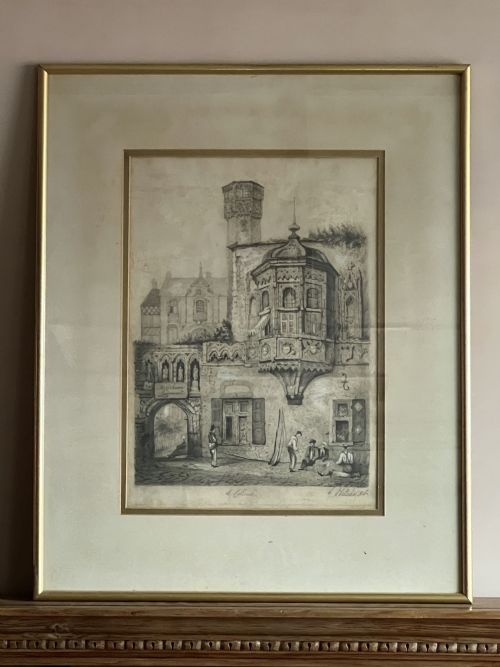
A sepia pencil drawing is an original work on paper, bringing together fine graphite, charcoal, chalk or watercolour wash to build subtle tonal depth. When you search for a sepia pencil drawing, you encounter works ranging from Georgian studies and Regency architectural sketches to Victorian portraits and mid-century townscapes.
The selections span distinct periods including the 18th century, 19th century, Art Deco era and mid-century. Subjects move from botanical studies and sporting art to intimate character portraits and continental buildings.
Materials and technique
Artists utilise paper supports, often buff or tinted sheets, applying pencil, graphite and chalk to establish fine linear details. Watercolour washes and gouache frequently supplement the monochrome pencil work to deepen shadows and provide tonal contrast.
Framed presentation protects these delicate works on paper behind glass, preserving the fugitive qualities of early pigments and graphite marks against environmental moisture and light degradation.
Current listings feature works spanning from the 18th century through to the mid-20th century, executed on paper using pencil, graphite, chalk, and watercolour.
Factors of quality
Draftsmanship defines the upper tier of these works, where confident line work and precise anatomical or architectural perspective separate accomplished academic studies from amateur exercises. The handling of subtle sepia tones to create believable volume and atmospheric depth marks superior output.
Provenance and documentation elevate certain pieces, particularly when a drawing bears a signature, period inscription or firm attribution to a recognised artist. The integration of secondary mediums like wash or chalk to enhance the core pencil composition further distinguishes exceptional examples.
James Smetham·Herbert Johnson Harvey·Michael Lyne·J W Hogley·Sir Francis Leggatt Chantrey·Dame Laura Knight·Fred Lawson·Theobald Chartran
The Sepia Pencil Drawing Glossary
- Sepia
- A brownish pigment traditionally derived from the ink sac of the cuttlefish. It provides the characteristic warm monochrome tone seen in historic drawings and wash studies.
- Buff paper
- A pale yellowish-brown paper stock frequently utilised by artists in the nineteenth and early twentieth centuries. It imparts a natural mid-tone ground that absorbs white chalk highlights effectively.
- Wash
- A thin layer of diluted watercolour or ink applied with a brush to paper. Artists combine wash with pencil lines to establish rapid shadows and atmospheric depth.
- Provenance
- The documented history of ownership of an antique artwork. Clear provenance supports the attribution and dating of unsigned or historic pieces.
Sepia Pencil Drawing: Frequently Asked Questions
What is a sepia pencil drawing?
A sepia pencil drawing is an original artwork executed on paper using graphite, pencil, or chalk, unified by warm brownish monochrome tones. These pieces range from rapid preparatory sketches to finished portraiture and topographical views.
Such works rely on the interplay of line and subtle shading rather than heavy colour. They capture the immediate hand of the artist across various historic periods.
How should I display works on paper?
Works on paper require framing behind glass to shield the delicate medium from dust, atmospheric pollutants, and physical handling. UV-filtering glazing helps prevent the fading of historic papers and sepia pigments.
Position these drawings away from direct sunlight and damp environments. Stable indoor humidity protects both the paper support and any wooden framing elements.
How do I date a historic drawing?
Dating relies on examining the paper watermark, the style of handwriting in any inscriptions, and the costume or architectural details depicted. Signed and dated pieces provide a firm chronological benchmark for comparison.
Stylistic markers, such as Neoclassical severity or Victorian sentimentality, further align an unknown sheet with a specific century. Paper types and framing methods also offer clues to the era of creation.
Are these drawings original works?
The listings comprise original hand-drawn artwork rather than mechanical reproductions or mass-produced prints. Each sheet bears the distinct physical indentations of pencil points and the varied application of media.
Close inspection under magnification reveals individual artist strokes and the texture of the paper grain. This direct execution distinguishes unique works on paper from published engravings.