



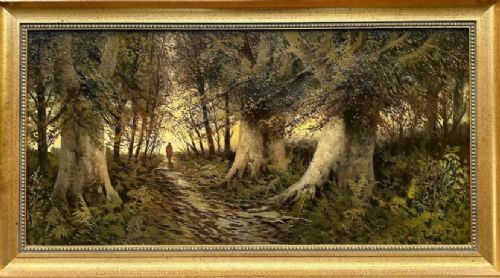
Signed Victorian Artwork
Signed victorian artwork brings authentic nineteenth-century hand-rendered paintings and drawings directly into your collection.
Signed Victorian Artwork
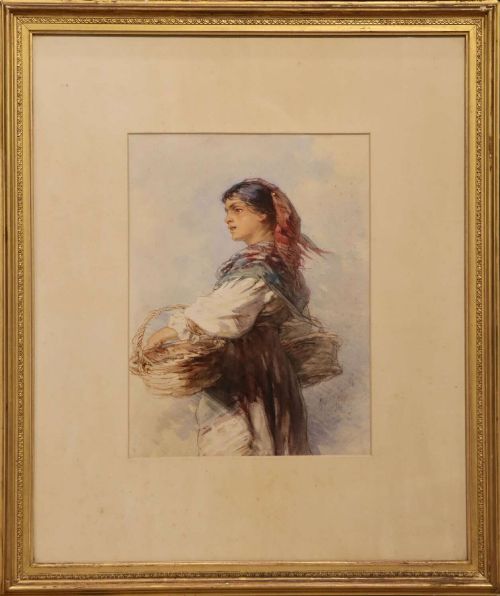
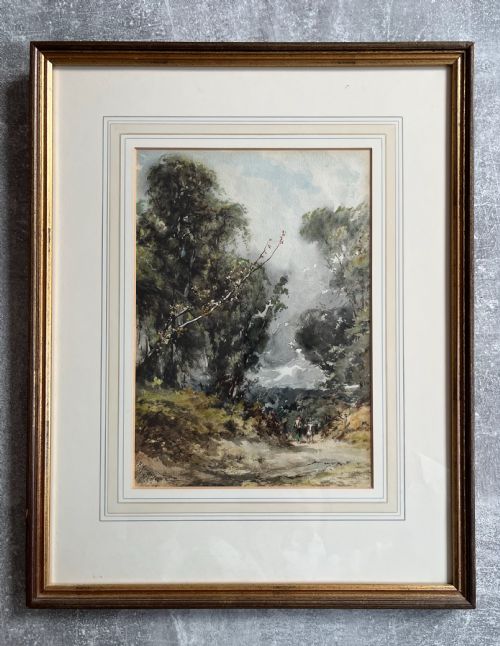
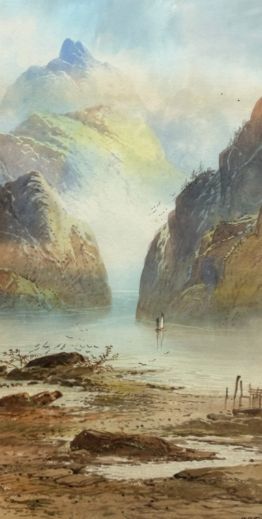
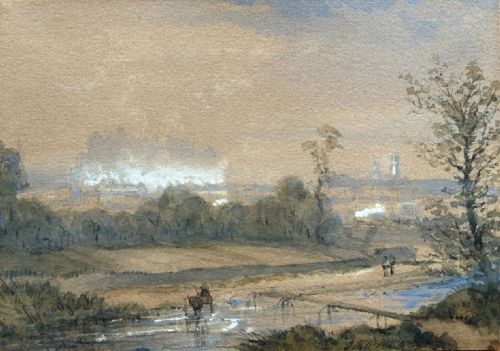
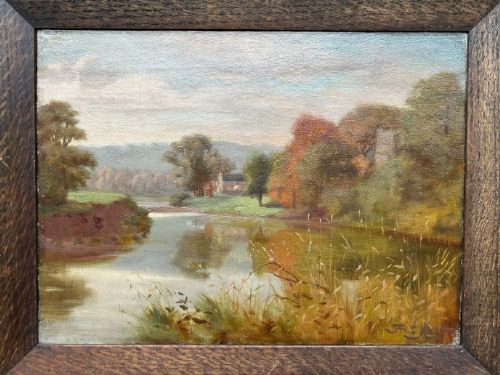
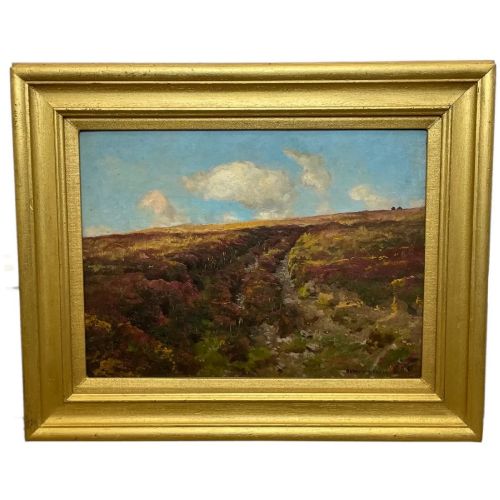
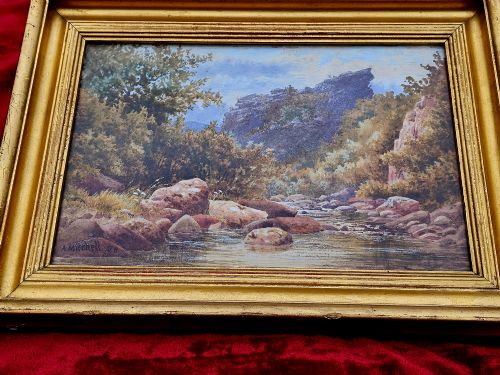
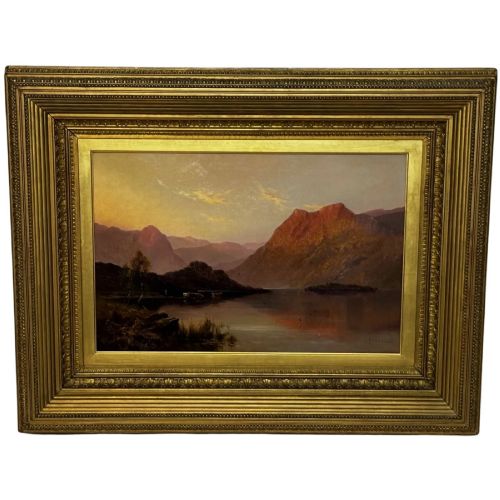
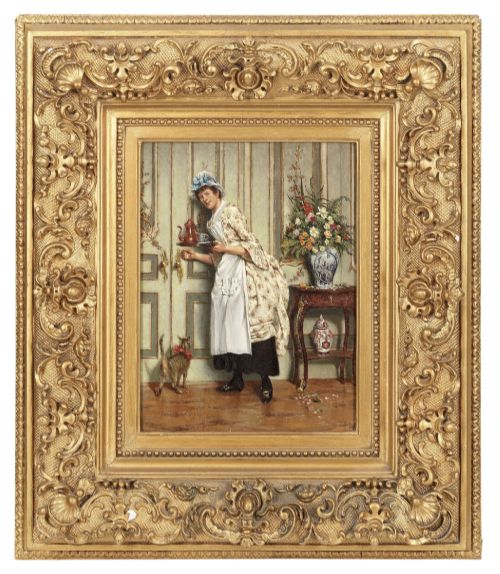
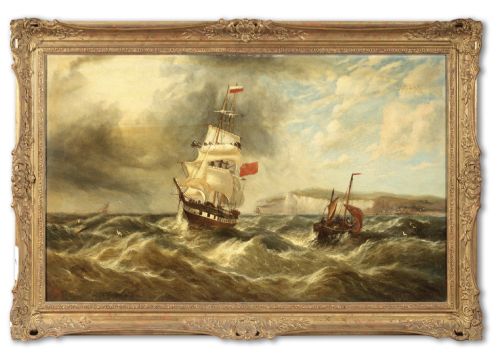
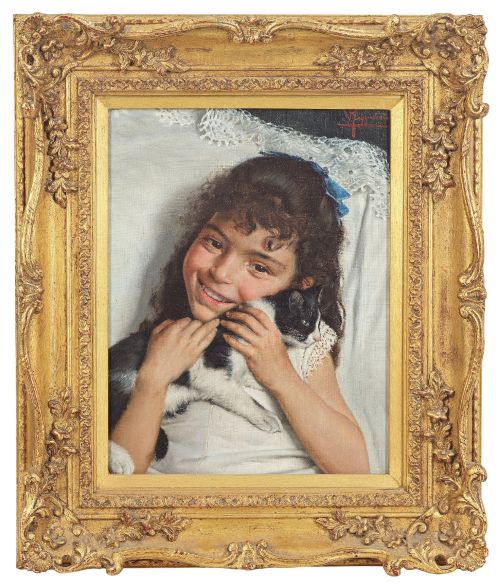
Signed victorian artwork comprises original watercolours, oil paintings on canvas or panel, charcoal pencil drawings, and etchings produced during the nineteenth century. These pieces encompass landscapes, seascapes, maritime scenes, and figurative studies created by British and continental painters. Buyers frequently encounter framed watercolours and oil paintings bearing period signatures or monograms from active nineteenth-century artists.
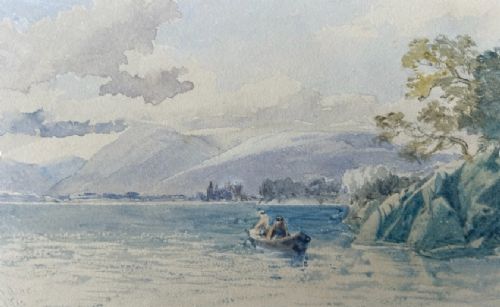
The selection ranges from detailed Scottish and English countryside views to coastal harbours and intimate domestic interiors. Many works capture specific locations such as Brighton Beach, Loch Awe, and Whitby, documenting natural and architectural surroundings. Collectors also find botanical studies and animal portraits rendered with careful observation.
Most items date from the mid to late nineteenth century, reflecting the prevailing styles of Victorian landscape painting, realism, and naturalism. These wall art pieces retain their original character, often preserved in period frames featuring giltwood or simple wooden mouldings.
Materials and techniques
Painters of this period utilised watercolour pigments on paper or applied oil paints to stretched canvas and wooden panels. Watercolours relied on transparent washes to capture light and atmosphere, particularly in landscape and marine subjects. Oil works employed heavier impasto and layered glazes to build depth and rich tonal contrast in interiors and figure studies.
Draftsmen worked with charcoal and graphite on paper for detailed life studies and portraits, while printmakers produced etchings on vellum and paper. Supports frequently included gilt frames that complemented the visual weight of the painted compositions. These traditional methods ensure the surviving pieces maintain their structural integrity and surface texture.
Common media spans paper, canvas, and glass, utilising watercolour, oil, charcoal, and etching techniques.
Judging the work
Quality in these pieces depends upon the sureness of the draftsmanship and the artist's handling of light and perspective. Stronger examples display confident brushwork and precise atmospheric rendering, whereas lesser pieces often show mechanical execution and static composition.
The prominence of the maker and the clarity of the signature also influence the standing of a piece within the period. Well-documented artists working within academic traditions achieved greater anatomical and spatial accuracy in their figurative and landscape subjects.
Guido Bach·George Fotherly Hargitt·Thomas Miles Richardson Jnr·James Orrock·William Henry Earp·John R Prentice·William Howard Hardy·Frederick Marriott·Arthur Wardle·Alfred Fontville de Breanski Jr·William Banks Fortescue·Stephen Samuel Lewin·John Rose Miles·Vittorio Reggianini·Thomas W Lascelles·Herbert Dicksee·Vincent Clare·R Hurst·Bernard Benedict Hemy·William Oliver·Alfred G Morgan·John Emms
The Signed Victorian Artwork Glossary
- Watercolour
- A painting method where fine pigment is suspended in a water-soluble binder and applied to paper. This technique allows for luminous washes and delicate colour transitions.
- Oil on Canvas
- Pigment mixed with drying oils applied to a woven fabric support stretched over a wooden frame. This method permits rich texture and extensive blending.
- Etching
- A printmaking process where lines are incised into a metal plate using acid before ink is applied and transferred to paper. Artists often signed these impressions in pencil.
- Giltwood
- Wood carved and coated with gold leaf or metallic paint to create a decorative frame finish. Such frames enhance the presentation of nineteenth-century paintings.
- Monogram
- A motif made by overlapping or combining two or more letters to form a recognizable symbol. Nineteenth-century artists frequently used these instead of full signatures.
Signed Victorian Artwork: Frequently Asked Questions
What subjects appear most often?
Landscapes, coastal scenes, and domestic figure studies dominate the available selection. Artists frequently recorded specific British and European locations with careful attention to natural light.
Maritime views and rural countryside settings also form a substantial portion of the surviving inventory. Botanical studies and animal portraits provide alternative focal points for collectors.
How do I identify a period signature?
Signatures typically appear in ink, pencil, or paint near the lower corners of the composition. Some works bear monograms or faint inscriptions naming the artist and date.
Comparative research against known nineteenth-century exhibition records helps verify authorship. Many pieces also retain period framing that corresponds to the active years of the creator.
Where were these pieces displayed?
Original watercolours and oil paintings hung primarily within nineteenth-century drawing rooms and domestic parlours. Domestic display reflected the Victorian taste for narrative art and natural scenery.
Institutional settings and regional art societies also exhibited works by academic painters. Today, these pieces suit traditional wall displays in residential interiors.
How should I care for watercolour art?
Watercolours require protection from direct sunlight to prevent the fading of delicate pigments on paper. Displaying pieces away from high humidity preserves the paper support and prevents foxing.
Framing with acid-free mount board and ultraviolet-filtering glass ensures long-term preservation. Regular dusting of the outer frame maintains the overall presentation.