



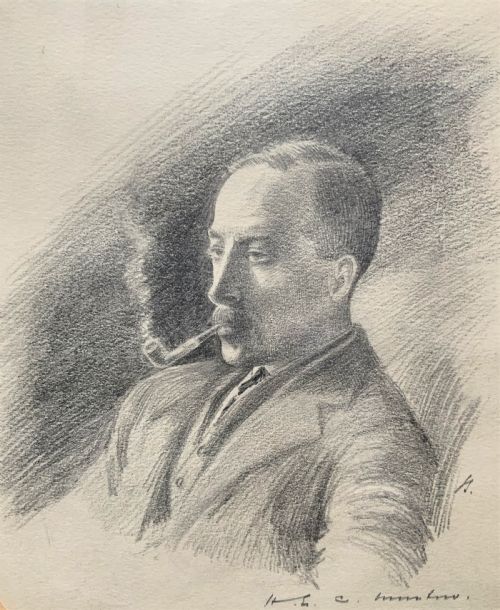


Grey Pencil Portrait
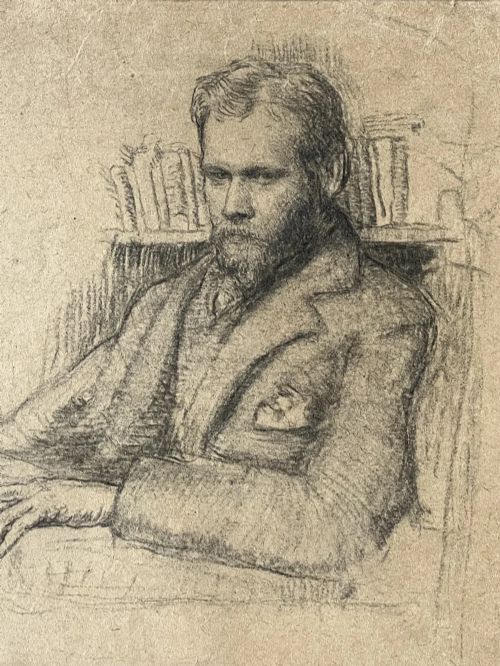
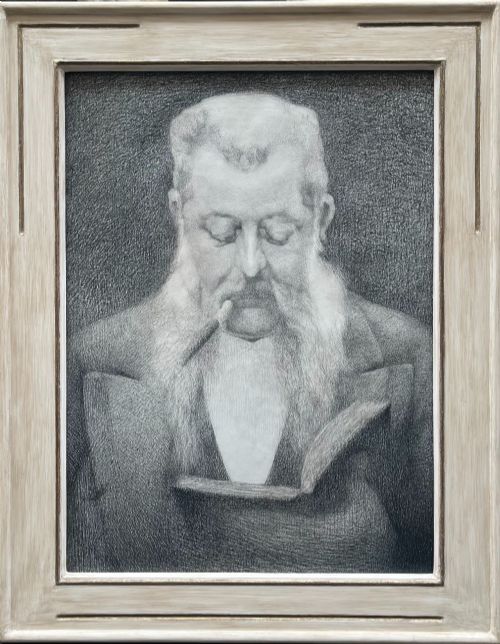
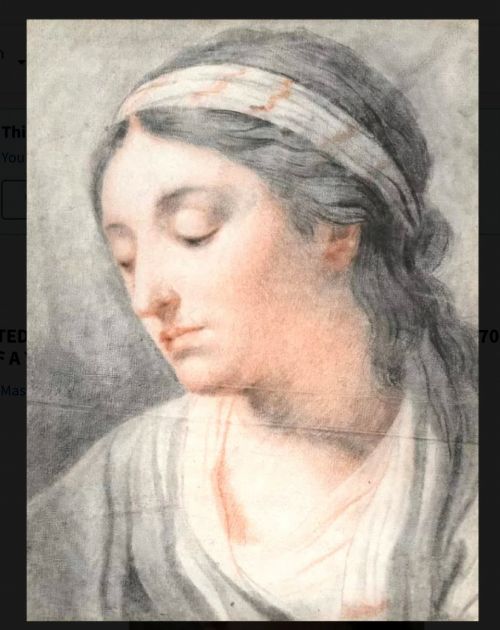
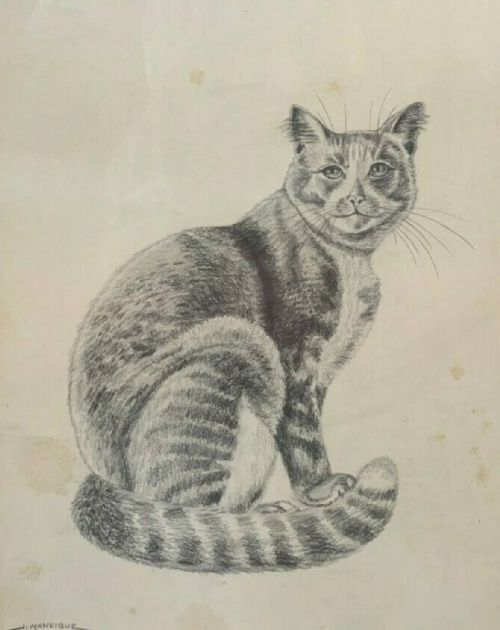
These grey pencil portrait works capture sitters through delicate graphite and chalk mark-making on paper.
Grey Pencil Portrait
A grey pencil portrait brings together works executed in graphite, pencil, and chalk on paper, spanning periods from the eighteenth century to the mid-twentieth century. Buyers searching for a grey pencil portrait will encounter diverse forms including framed artwork, original drawings, and sets of portrait drawings.
The selections on this page range from French neoclassical head studies and symbolist school depictions to Edwardian studies and mid-century realism. Many pieces incorporate subtle watercolour touches alongside the primary graphite medium.
Portraits vary considerably in their subject matter, showing figures such as Edward Nettleship, Queen Marie Leszczinska, and individual women in Paris. The stylistic range covers eighteenth-century academic traditions through to Art Deco and Modern British Art.
Materials and technique
These works rely fundamentally on paper supports combined with graphite, pencil, and chalk mediums. Artists built tone and form through precise line work and shading, occasionally adding watercolour to enhance specific details.
The finished drawings are typically housed behind glass within wooden frames to protect the delicate paper surfaces from environmental damage. The integration of charcoal and chalk in select pieces allowed artists to create deeper shadows and softer highlights.
The documented styles span Art Deco, Modern British Art, Symbolist, French Neoclassical, Georgian Revival, and Mid-Century Realism.
Assessing quality
Quality in these portraits rests upon the sureness of the draughtsmanship and the expressive depth captured in the sitter's expression. Stronger examples demonstrate a confident handling of line and proportion that brings the subject to life on the page.
The preservation of the paper support and the clarity of the graphite mark-making also determine the standing of a piece. Finer works maintain their tonal contrast without excessive fading of the delicate pencil or chalk lines.
Augustus John·J Manrique·Leo Klin·Francis Dodd·Cecil CP Lawson
The Grey Pencil Portrait Glossary
- Graphite
- A form of carbon used as the core of pencils for drawing and shading. It produces silver-grey marks ranging from hard, light lines to soft, dark tones.
- Chalk
- A soft mineral material used in stick form for drawing. It provides rich opaque lines that blend easily with graphite and charcoal.
- Symbolist School
- An artistic movement focusing on internal psychological states and metaphorical imagery rather than strict realism. Works from this tradition often emphasise mood and emotion.
- French Neoclassical
- A style drawing inspiration from the classical art and culture of ancient Greece and Rome. It prioritises clarity of form, restraint, and balanced composition.
Grey Pencil Portrait: Frequently Asked Questions
How should I frame a pencil portrait?
Protect the paper by using conservation-grade mount board that keeps the drawing from touching the glass directly. Ultraviolet-filtering glass helps prevent the graphite and any added watercolour from fading under room light.
Choose a wooden frame that complements the age of the artwork without overpowering the delicate lines of the drawing. Ensure the backing board is acid-free to maintain the long-term stability of the paper.
What is the difference between graphite and charcoal?
Graphite offers a metallic silver-grey sheen and allows for precise, controlled lines and fine shading. It sits firmly within the fibres of the paper.
Charcoal creates a deeper, matte black mark with a softer texture that smudges easily. Drawings made with charcoal generally require a fixative to prevent the pigment from lifting over time.
How do I care for antique paper drawings?
Keep drawings away from direct sunlight and damp environments to prevent paper yellowing and mould growth. Stable indoor temperatures preserve both the paper support and the framing materials.
Display the artwork on interior walls where environmental fluctuations remain minimal. Routine checks of the backing seals help protect the drawing from dust and insects.
How can I tell a nineteenth-century drawing apart?
Examine the paper type and watermark characteristics under gentle light, as nineteenth-century mills produced distinct textures. Hand-laid papers differ visibly from machine-made cellulose sheets introduced later.
Look at the framing method, fixative residue, and stylistic conventions typical of the period. Academic training during that era emphasised strict anatomical precision and tonal graduation.