


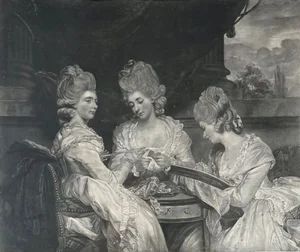
Monochrome Paper Portrait
When choosing a monochrome paper portrait, buyers seek historical depictions executed in ink, charcoal, and graphite across centuries of British and European artistry.
Monochrome Paper Portrait
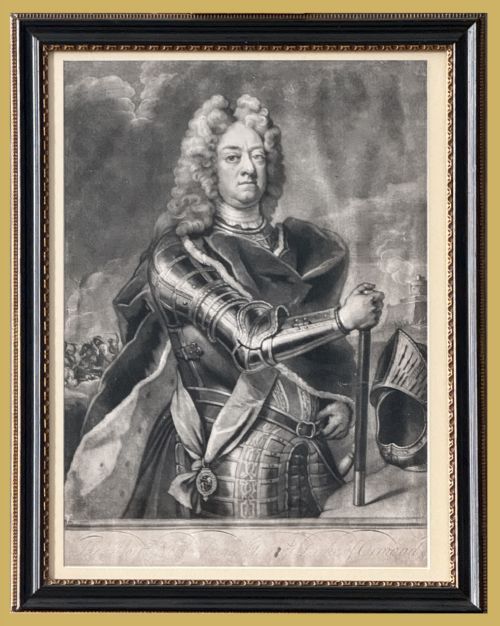
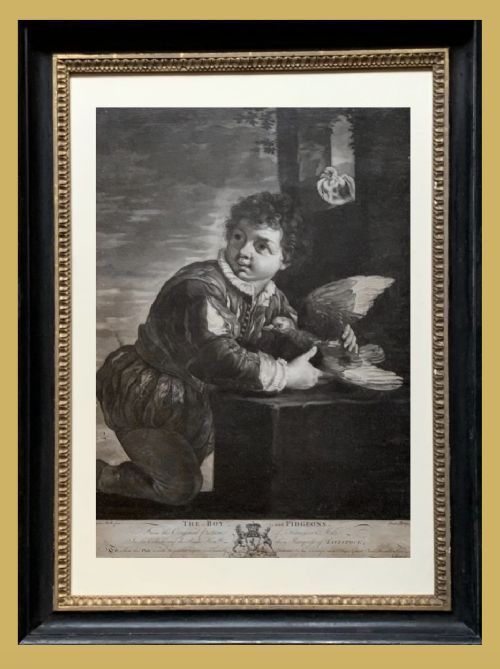
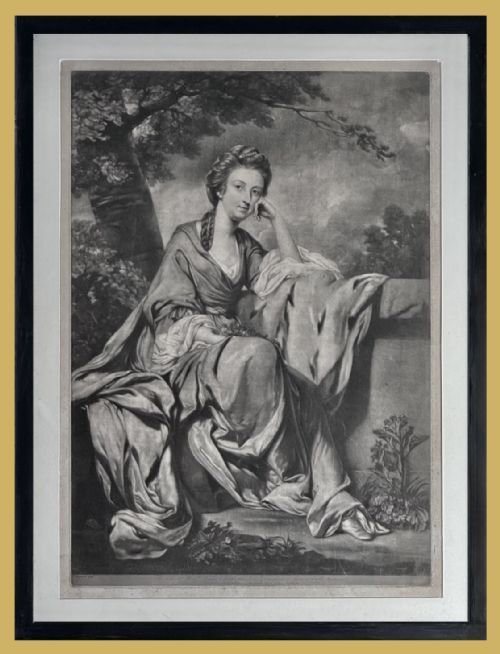
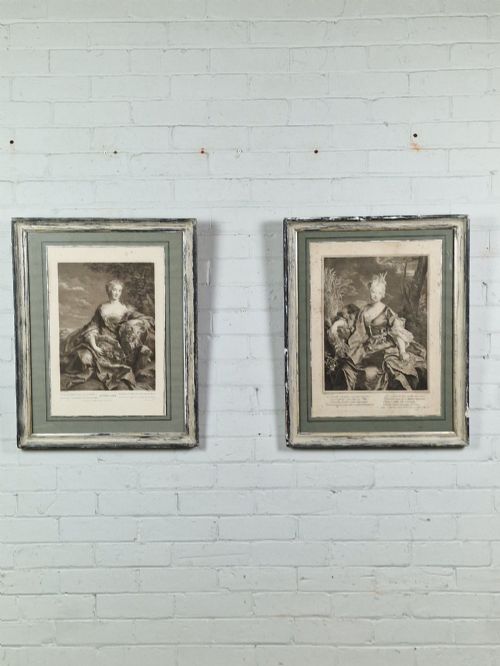
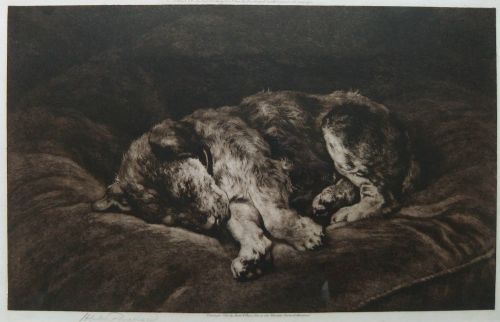
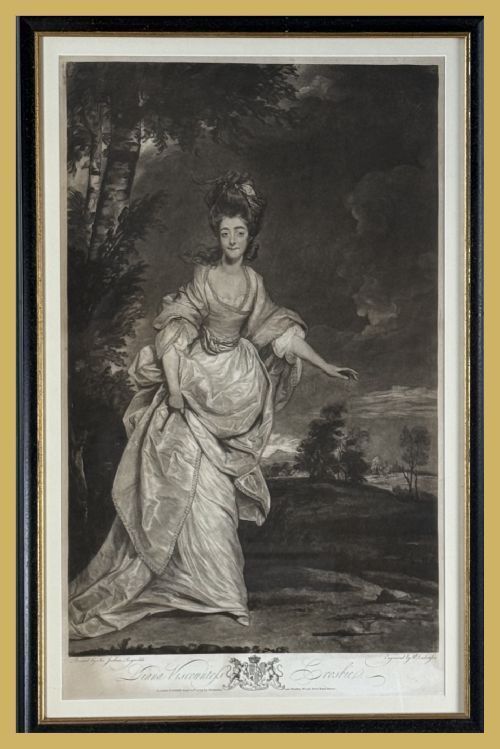
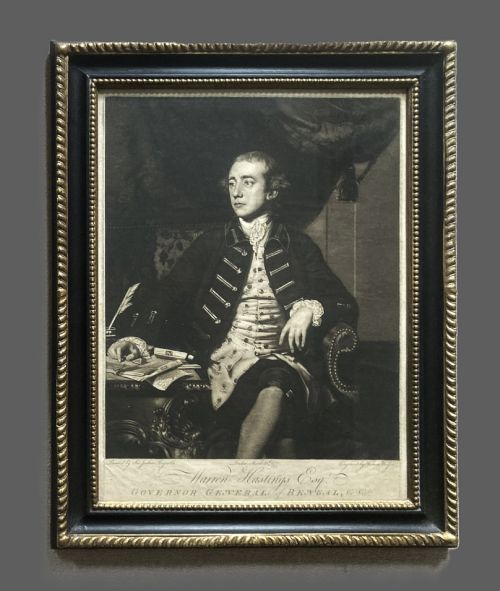
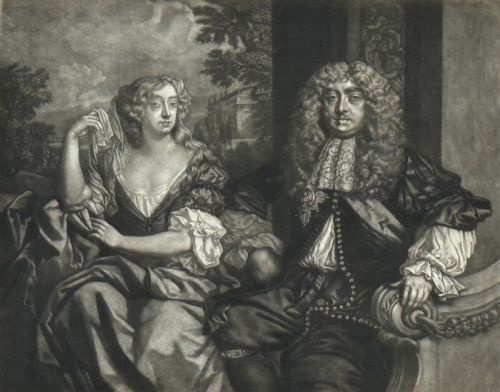
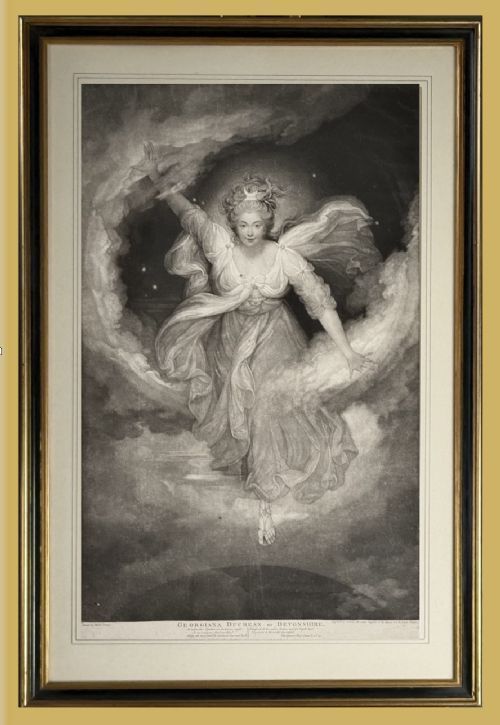
A monochrome paper portrait presents a likeness in a single colour tone, typically black, brown, or grey, rendered upon a paper support. These works span from the 17th century to the mid 20th century, encompassing both detailed preparatory studies and finished printed editions.
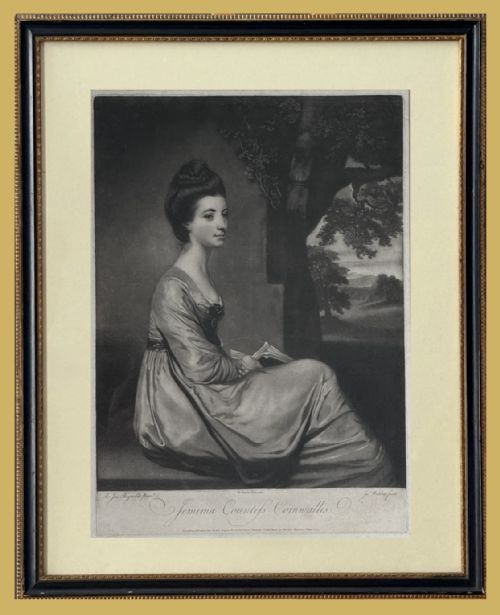
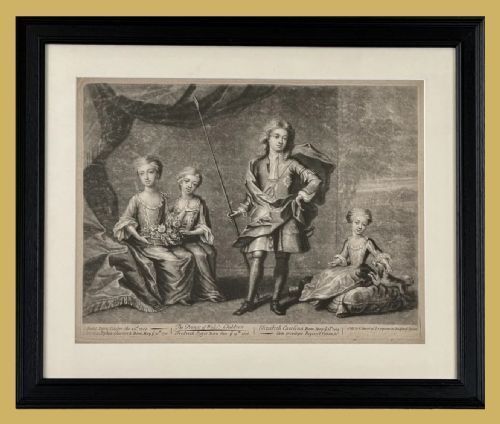
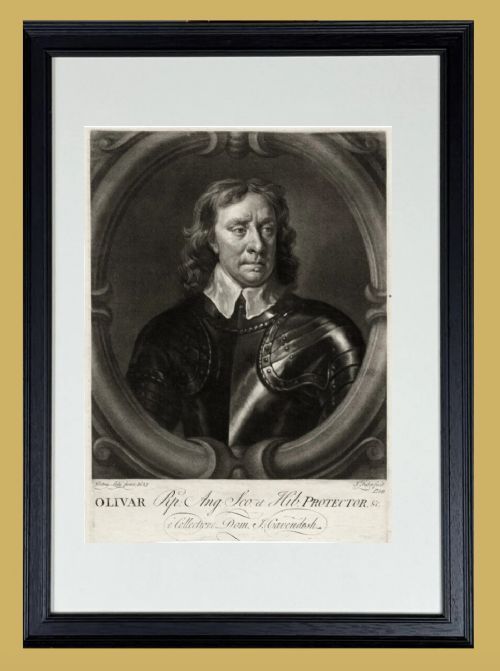
The selections on this page are most commonly encountered as 18th-century mezzotints and engravings depicting notable historical figures, alongside 19th-century drawings and etchings. Framed works dominate the selection, preserving delicate paper sheets behind glass.
Subjects range from aristocratic figures and military commanders to artists and everyday characters, reflecting shifting aesthetic movements from Baroque grandeur to Victorian realism and early 20th-century academic study.
How they were made
Makers utilised paper as the primary support, applying media such as ink, charcoal, graphite, wash, and gouache to build tonal depth and shadow. Drawings rely on the direct application of dry or liquid media by hand.
Printmakers employed copper plates to produce engravings, etchings, and mezzotints. The mezzotint technique involved roughening the metal plate to hold ink for rich dark tones, while scraping and burnishing generated lighter highlights.
The listings span multiple centuries, uniting 17th-century mezzotints with 19th-century charcoal drawings and 20th-century etchings on paper.
What varies in quality
The standard of a monochrome paper portrait depends heavily on the crispness of the impression in printed works and the confident line work in original drawings. Early impressions from a mezzotint or engraved plate display sharper contrasts and finer detail before the copper plate wore down.
In hand-drawn portraits, the expressiveness of the mark-making and the preservation of the paper ground dictate the visual strength of the piece. The skill of the original painter and the proficiency of the printmaker directly influence the artistic value of the finished sheet.
John Simon·John Boydell·Edward Fisher·John Smith·James Watson·Joseph Sympson·Robert Williams·Valentine Green·James MacArdell·Jacobus Houbraken·Richard Houston·Julian Mandel·Augustus Edwin John
The Monochrome Paper Portrait Glossary
- Mezzotint
- A printmaking process where the copper plate is roughened uniformly to produce rich dark areas, and smoothed selectively to create lighter tones. This method was widely used in the 17th and 18th centuries for velvety tonal portraits.
- Engraving
- A method of cutting lines directly into a metal plate using a sharp tool called a burin. The resulting incisions hold ink to print sharp, precise linear images onto paper.
- Etching
- A technique where acid bites into lines drawn through a protective ground on a metal plate. It allows artists greater freedom of stroke compared to direct engraving.
- Drypoint
- A printmaking variation where a sharp needle is dragged across a metal plate to raise a rough ridge of metal called burr. This burr catches the ink to produce soft, velvety lines when printed.
- Gouache
- An opaque water-based paint composed of pigment, water, and a binding agent such as gum arabic, often added to ink or watercolour drawings to create solid highlights.
Monochrome Paper Portrait: Frequently Asked Questions
What is a mezzotint portrait?
A mezzotint is an intaglio printmaking method that builds up rich tonal gradations rather than simple lines. Master printmakers use this technique to translate oil paintings into deeply atmospheric monochrome works on paper.
These prints were immensely popular in past centuries for reproducing grand portraits of nobility and public figures. Their velvety dark backgrounds set them apart from standard line engravings.
How should I frame paper portraits?
Framing historical paper requires careful protection from environmental factors like direct sunlight and excess moisture. Acid-free mounts prevent the paper from yellowing or degrading against the backing board.
Glazing is essential to shield delicate charcoal, ink, and print surfaces from dust and physical contact. UV-filtering glass helps preserve fugitive inks and water-based pigments over time.
How do I date antique paper?
Dating paper works relies on examining watermarks, paper thickness, plate marks, and stylistic conventions of the period. Print impressions often carry publication dates or credit lines naming the engraver and painter.
Original drawings can sometimes be attributed through artist signatures, studio stamps, or historical exhibition labels on the reverse of the frame. Comparing the paper type to known manufacturing eras provides further confirmation.
Are these works original prints?
Many listings comprise period prints pulled from copper plates engraved or scraped centuries ago. These are distinct from modern photographic reproductions because they carry physical plate impressions and ink layers deposited from a metal matrix.
Original drawings and etchings represent unique creations or limited artistic editions made directly by the hand of the artist. Documentation or publisher provenance often accompanies these collectible sheets.