


British Portrait Study
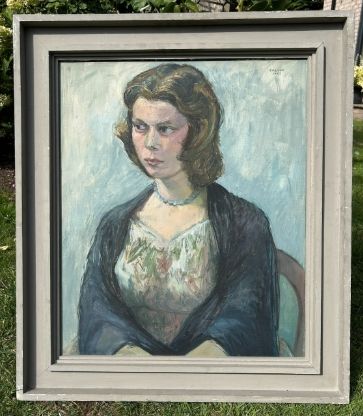
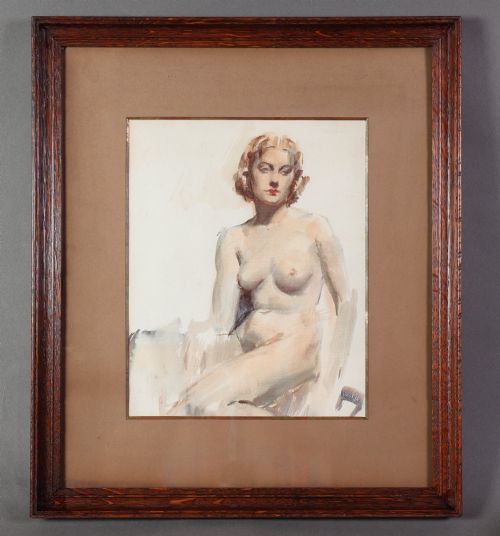
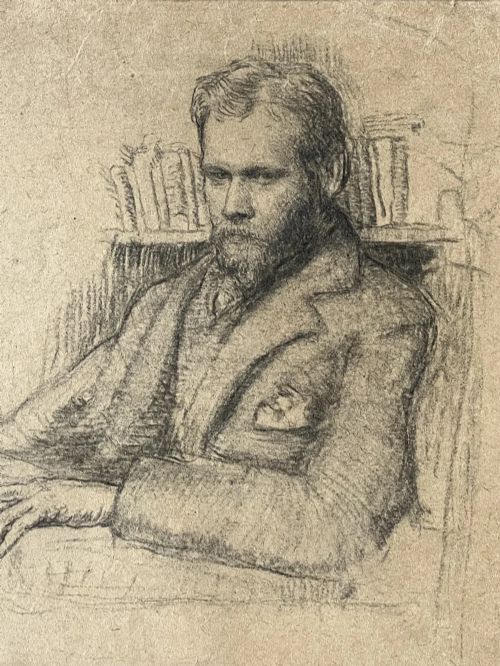
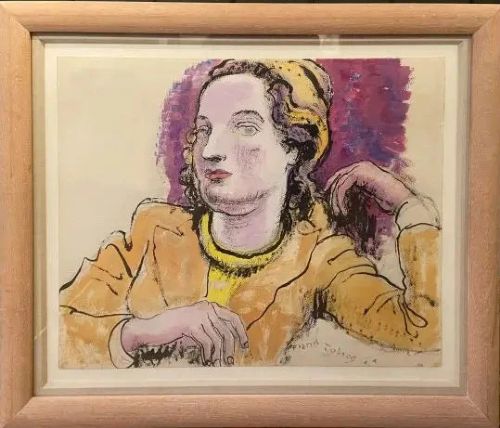
When you search for a british portrait study, you are looking at intimate works on paper and canvas that capture the character of sitters through the hands of British artists.
British Portrait Study
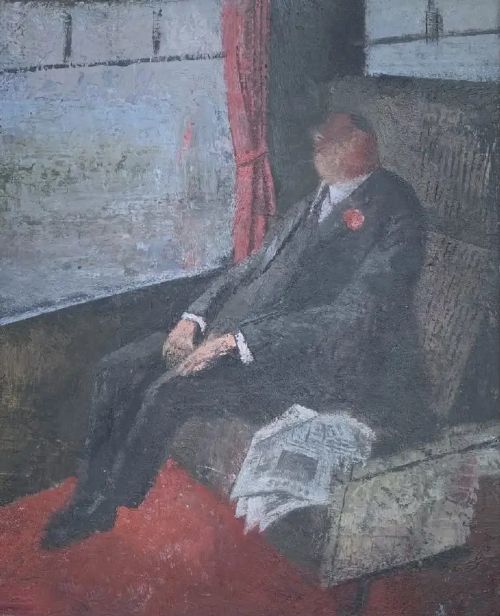
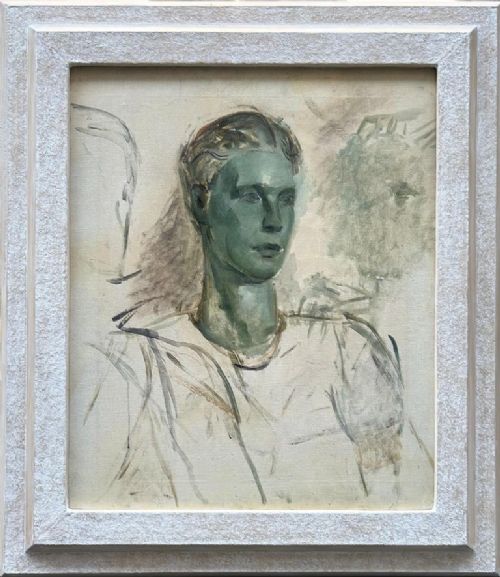
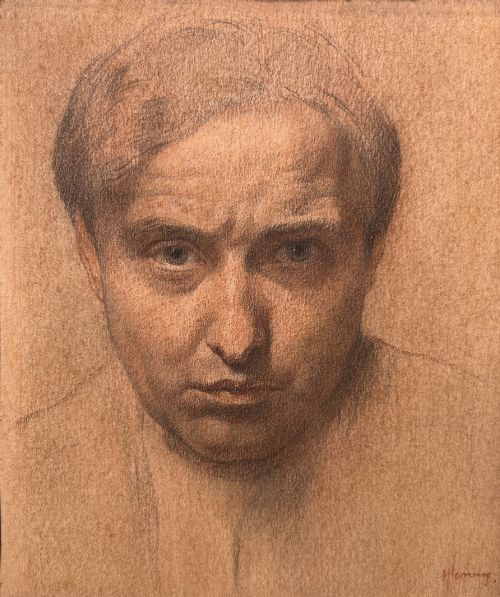
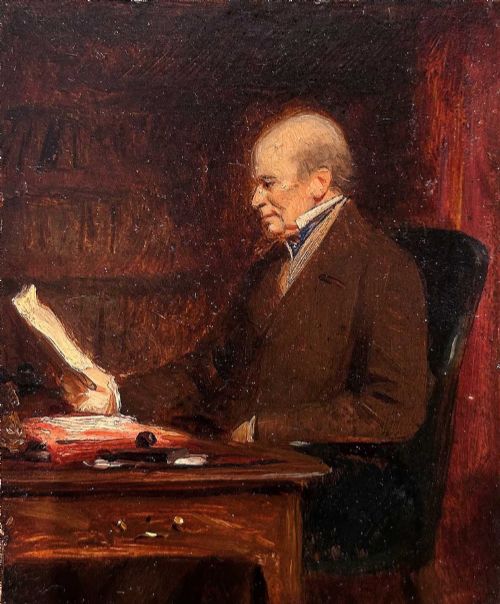
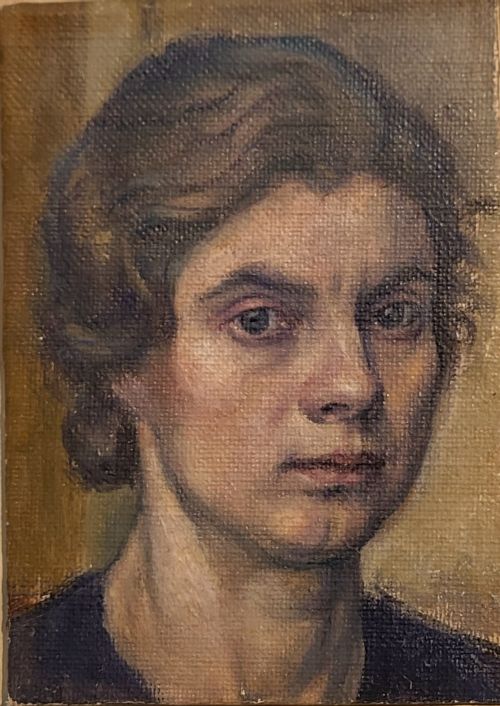
A british portrait study represents a focused exploration of a subject, ranging from rapid pencil sketches and charcoal drawings to more finished oil paintings on canvas and panel. These works often serve as preparatory exercises for larger commissions or standalone explorations of sitter character.
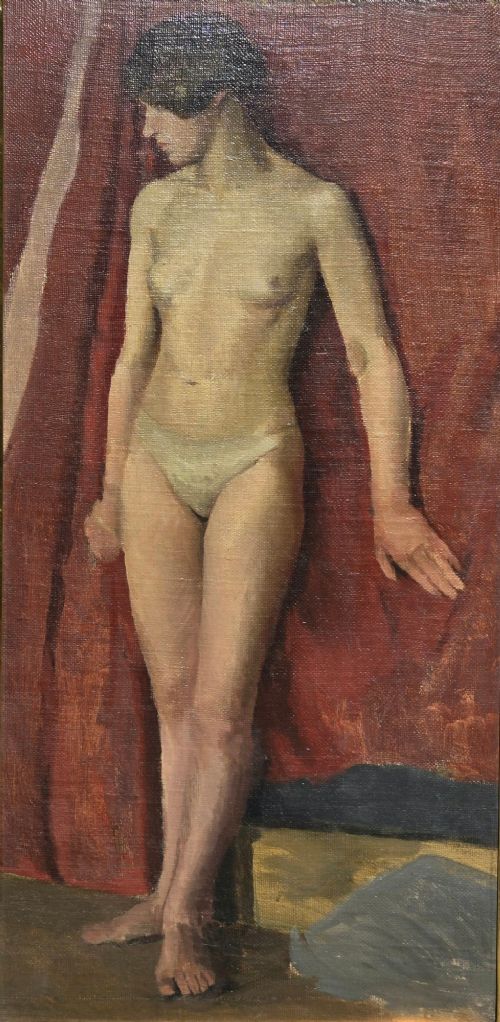
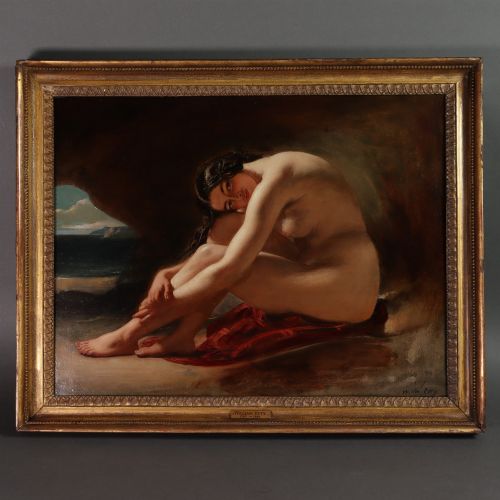
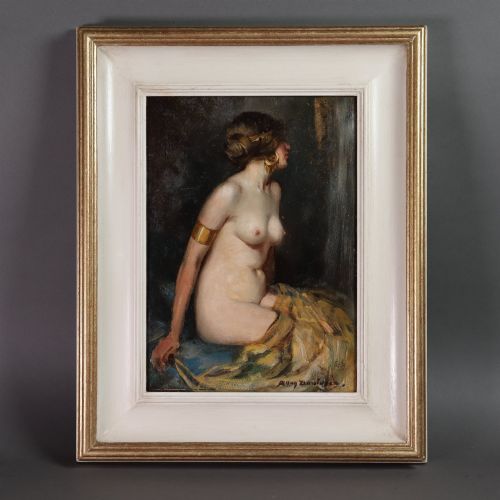
The selections available span from the nineteenth century through the Edwardian era into the mid-twentieth century, including works by both named academic painters and anonymous members of the British School. Forms encompass formal head studies, seated figures, and detailed academic nudes.
Buyers will find that many pieces retain a direct immediacy, showing the artist working through composition, expression, and light without the rigid constraints of a formal finished portrait.
Materials and Techniques
Artists relied primarily on oil paint applied to canvas, board, or wood panel, alongside works executed in pencil, charcoal, watercolour, and gouache on paper. These traditional media allowed practitioners to build up tone and texture swiftly, capturing fleeting expressions or anatomical details.
Support materials varied according to the intended purpose of the study, with lightweight paper used for rapid preliminary drawings and sturdier wood panels or primed canvases reserved for oil sketches that required layering and reworking.
Materials recorded across the inventory include oil paint, watercolour, charcoal, bronze, and pencil on paper.
Assessing Quality in Portrait Studies
Quality rests upon the sureness of the line and the confidence of the brushwork, where a skilled hand communicates depth and personality with minimal strokes. Superior examples demonstrate a clear command of anatomy, light, and shadow, avoiding stiff or laboured execution.
The presence of identifiable sitters or documented connections to established academies often elevates the significance of a piece, distinguishing a casual sketch from a fully resolved artistic observation.
Augustus John·Frank Dobson·William Etty·Lucien Freud·Dame Laura Knight
The British Portrait Study Glossary
- Study
- A preparatory drawing, sketch, or painting made to explore a subject or composition before executing a finished work.
- British School
- A designation applied to works of unknown specific authorship originating from British artists working within a particular period.
- Gouache
- An opaque water-based medium often combined with watercolour to add highlights and solid colour areas to works on paper.
- Panel
- A flat piece of wood used as a rigid support for oil or tempera paintings, common in earlier periods before canvas became dominant.
- Provenance
- The documented history of ownership of an artwork, establishing its authenticity and chain of custody.
British Portrait Study: Frequently Asked Questions
What is the difference between a study and a finished portrait?
A study focuses on specific elements like expression, lighting, or anatomy, often showing visible brushstrokes and rapid pencil lines.
Finished portraits present a polished, formal representation intended for exhibition or commission, containing fewer signs of the working process.
How should these works on paper be framed?
Works on paper require conservation mounting with acid-free materials to prevent degradation and discolouration over time.
Glazing with UV-filtering glass protects delicate watercolours, charcoals, and pastels from fading under direct light.
Are unsigned studies worth collecting?
Unsigned pieces attributed to the British School often offer genuine insight into period techniques and academic training.
Quality of execution and draughtsmanship remain the primary indicators of value rather than a signature alone.
How do I identify the period of an unsigned portrait study?
Dating relies on stylistic markers, framing conventions, paper watermarks, and the clothing or hairstyle of the sitter.
Comparison with documented works from the same era helps narrow down the decade of creation.