

Vintage Figure Study
When you handle a vintage figure study, you are looking at an intimate record of the human form captured through pencil, oil paint, or bronze.
Vintage Figure Study
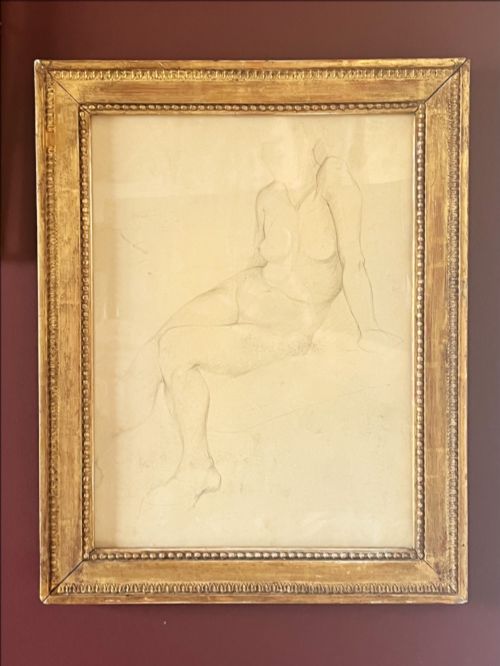
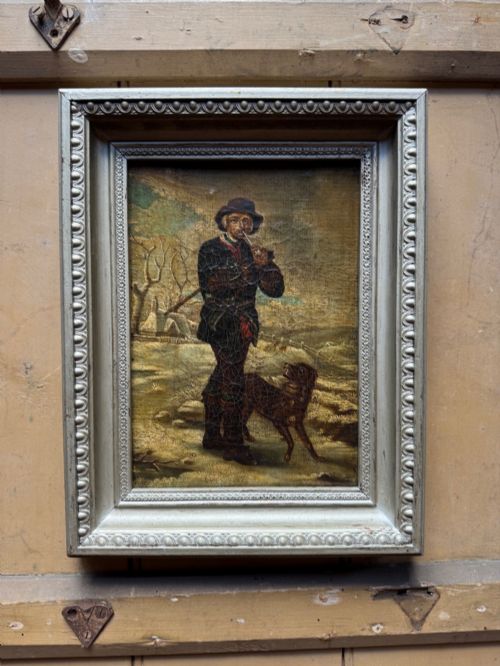
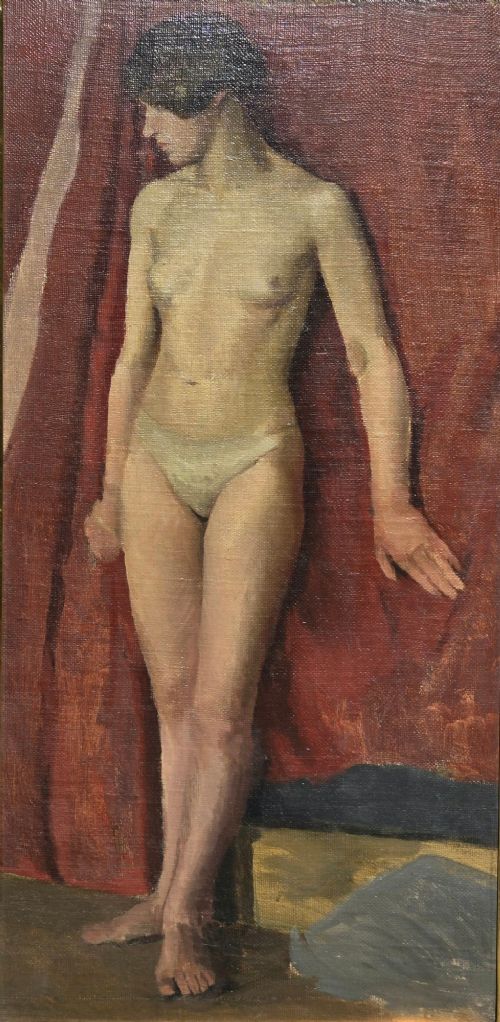
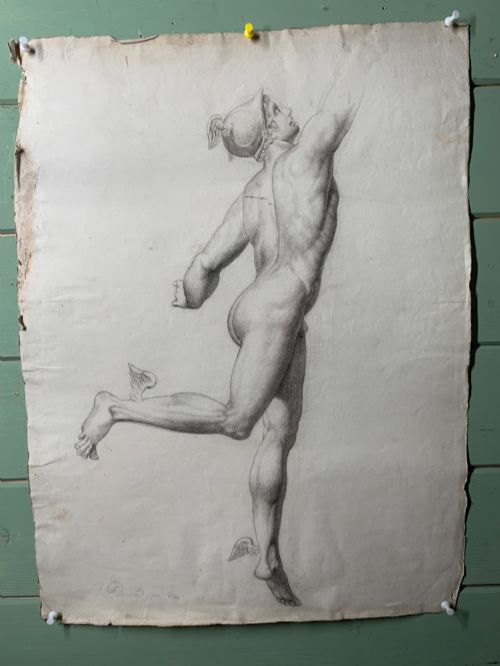
A vintage figure study captures the human body, animals, or characters through observational drawing, painting, or sculpture. These works range from academic life drawings completed in the nineteenth century to Art Deco bronzes and mid-century modern canvases.
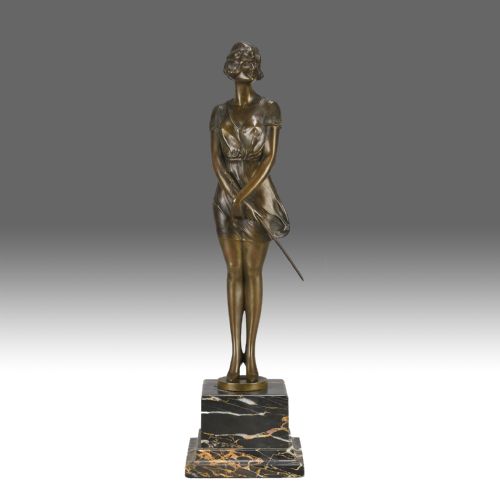
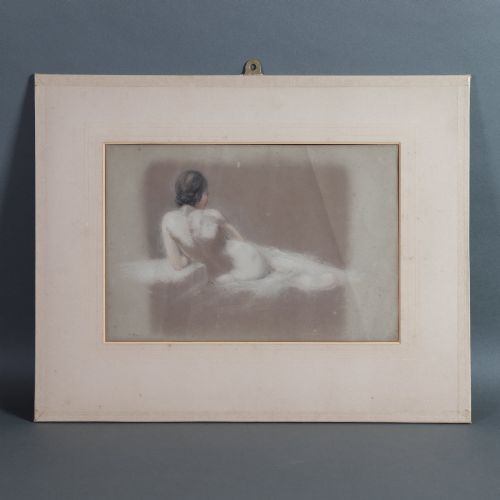
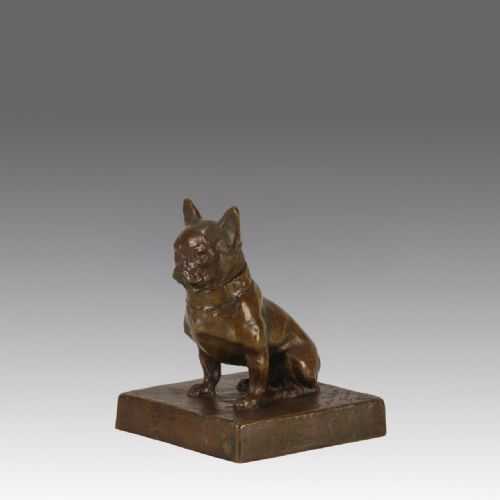
You are most likely to encounter framed pencil life drawings, academic sketches, and small bronze animal or human sculptures from the early twentieth century. These pieces reflect rigorous training methods and studio practices across British, French, and wider European schools.
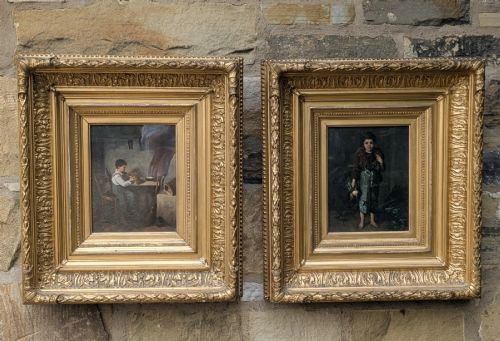
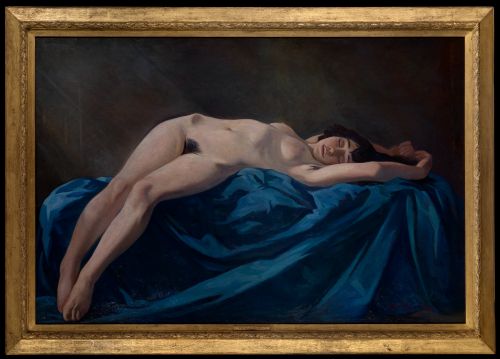
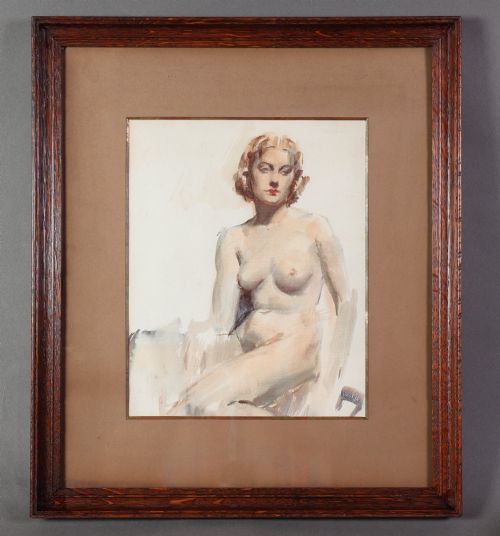
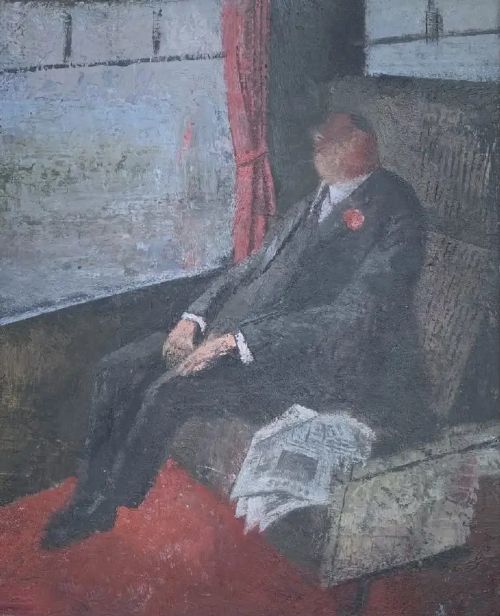
The selection also spans mixed media illustrations and watercolours depicting nudes, portraits, and domestic subjects. Each item preserves a moment of direct observation by an artist or maker working from life.
How they were made
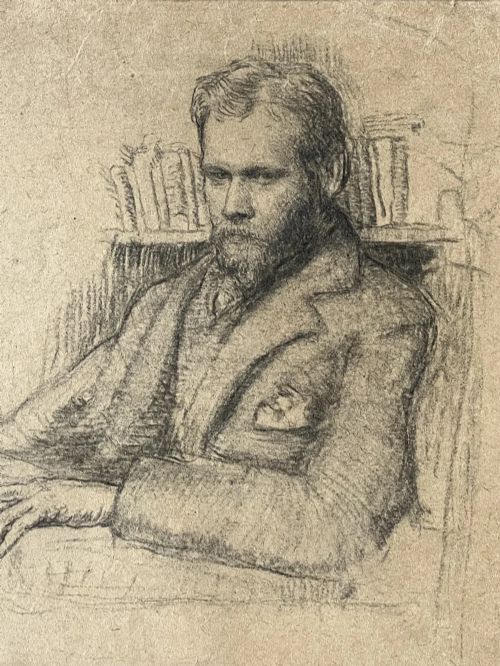
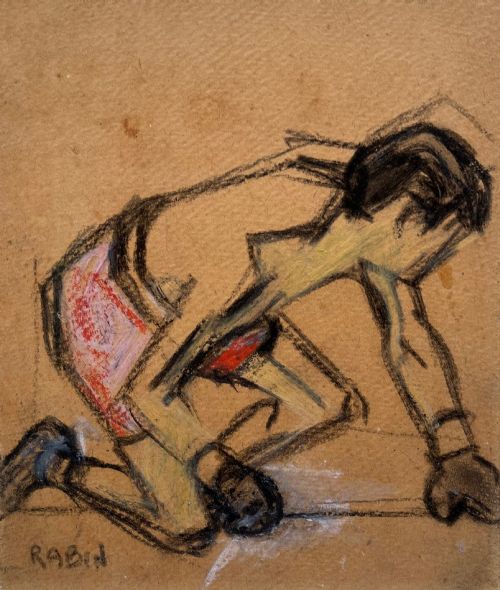
Works on paper utilise graphite, charcoal, chalk pastel, and ink applied to various textured paper sheets. Painters build up compositions using oil paint and watercolour on canvas, wood panels, or board.
Three-dimensional pieces employ bronze casting, often via the lost-wax method, alongside carved wood, soapstone, and cold-painted metal mounted on marble or onyx bases. Many sculptural works combine metal casting with hand-finished patination.
What varies in quality
Quality rests in the sureness of the line and the anatomical understanding shown in the rendering of bone and muscle. A superior study demonstrates confident proportion and economy of mark-making rather than laboured correction.
Material execution further separates the output, visible in the depth of a bronze casting's patination or the preservation of paper and pigment. Works retaining clear provenance and energetic brushwork or carving stand apart from routine studio exercises.
Bruno Zach·Dora Heber·Harry Epworth Allen·William Etty·Augustus John·Samuel Rabin·Winifred Rymer·Michael Healy·Julian Mandel·Alexandre-Louis Martin·Allan Douglas Davidson
The Vintage Figure Study Glossary
- Academic Realism
- A style of painting and sculpture produced under the influence of European academies of art, prioritising strict proportions and classical subjects. It relies on meticulous observation from the living model.
- Animalier
- A nineteenth and early twentieth-century artistic movement dedicated primarily to the faithful depiction of animals. Practitioners often worked in bronze to capture creatures in motion.
- En Grisaille
- A painting executed entirely in shades of grey, neutral grey, or another single monochrome colour. Artists frequently used this technique to mimic the appearance of relief sculpture.
- Cold Painted Bronze
- A method where bronze sculptures are painted with cold enamel paints rather than fired in a kiln. The technique was widely utilised by Austrian workshops in the early twentieth century.
- Life Study
- A drawing, painting, or sculpture created directly from a live human or animal model. These pieces served as preparatory exercises or finished exhibition works.
Vintage Figure Study: Frequently Asked Questions
What is a figure study?
A figure study is an artwork created to observe and record the human form, an animal, or an object from life. Artists produce these pieces to understand anatomy, movement, and light before incorporating them into larger compositions.
Many studies remain independent works of art prized for their immediacy and expressive line work. They offer a direct window into the working methods of artists across different centuries.
How do I date an antique study?
Dating relies on stylistic markers, framing techniques, and the materials used for the support. Academic drawings from the nineteenth century often bear studio stamps or inscriptions noting the period and sitter.
Sculptures and bronzes frequently carry foundry marks or artist signatures stamped directly into the metal or stone base. Comparing the paper type or canvas weave to known manufacturing periods provides further chronological context.
How were bronze studies displayed?
Small bronze figures and animal studies were typically mounted on heavy stone plinths made of marble or green onyx. This added stability and elevated the sculpture for desk or mantelpiece display.
Collectors in the early twentieth century placed these decorative bronzes in studies, libraries, and offices as functional or artistic ornaments.
Where should I hang a paper drawing?
Paper drawings and charcoal studies require careful placement away from direct sunlight to prevent fading of the pigment and yellowing of the paper. Professional framing with acid-free mounts protects the delicate media from atmospheric damage.
Displaying them in interior hallways or rooms with controlled lighting preserves the integrity of graphite and chalk lines for decades.