
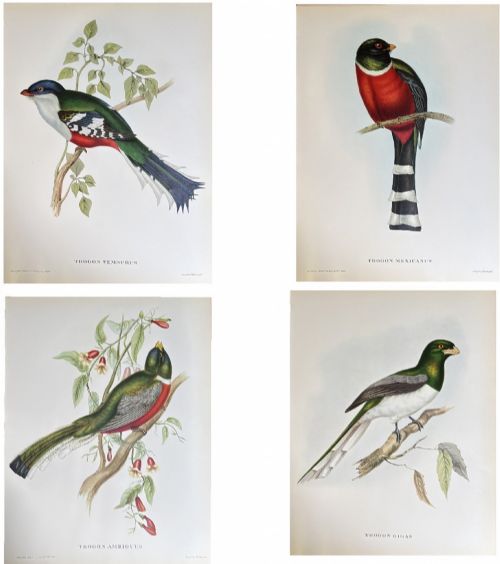
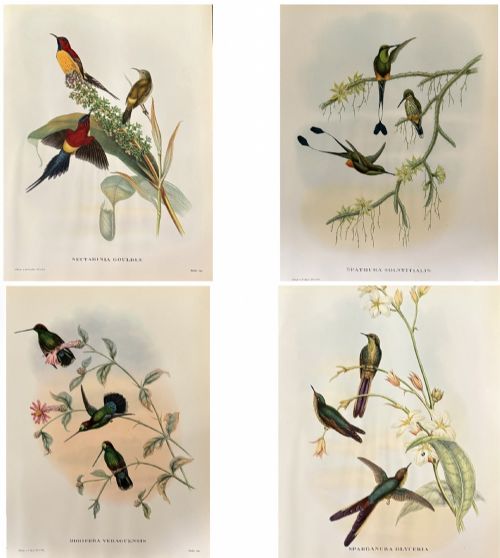
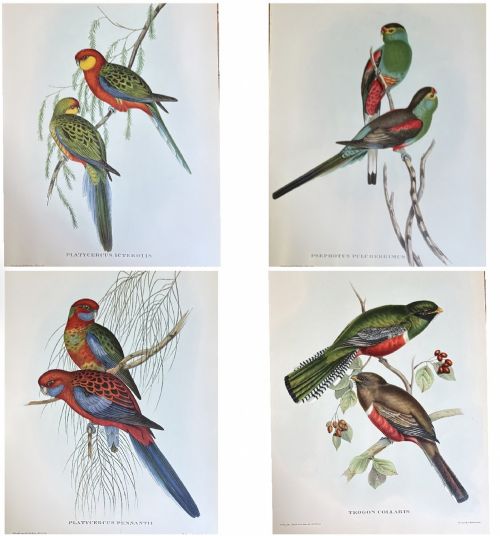
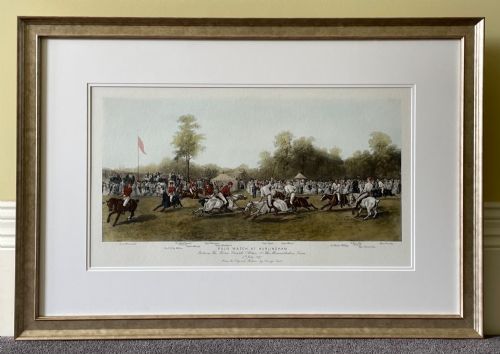

Victorian Lithograph Print
A victorian lithograph print captures the rich colour and detailed draftsmanship of the nineteenth century, offering collectors a direct link to historical illustration and domestic decoration.
Victorian Lithograph Print
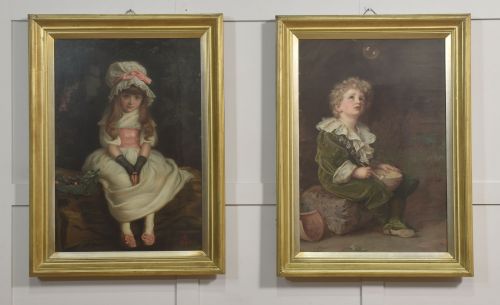
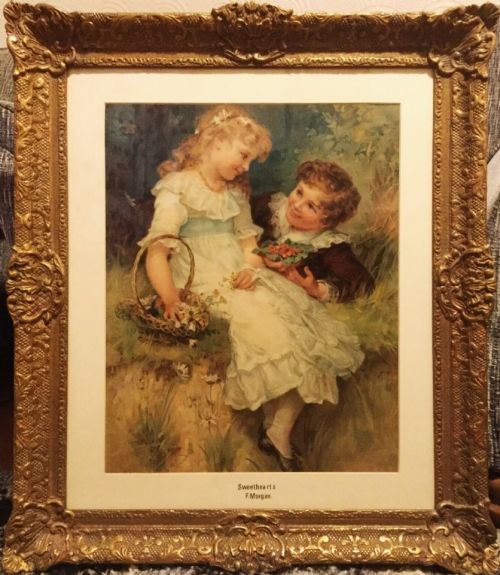
A victorian lithograph print encompasses a wide variety of works produced primarily on paper using ink and metal or stone matrices. These pieces emerge from the nineteenth century, extending into Edwardian and later reproductions, reflecting the broad visual culture of the period.
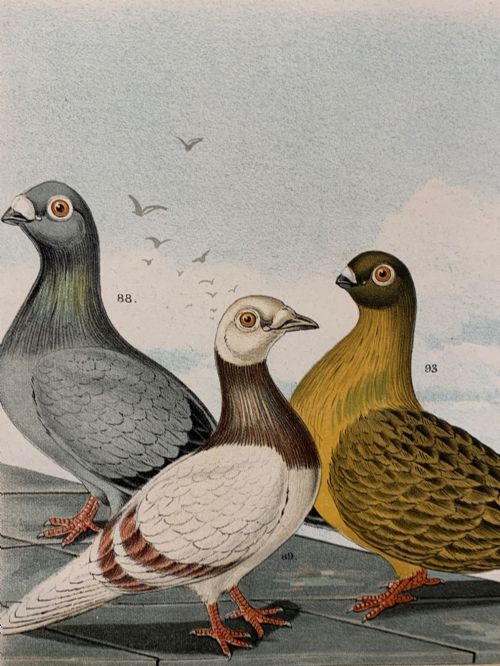
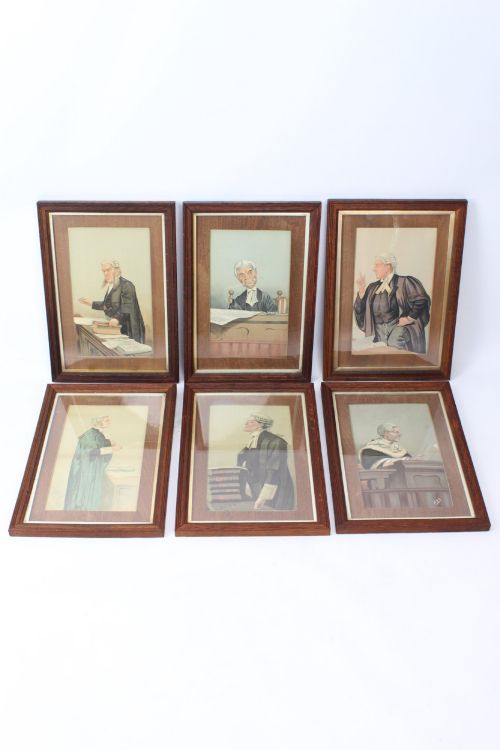
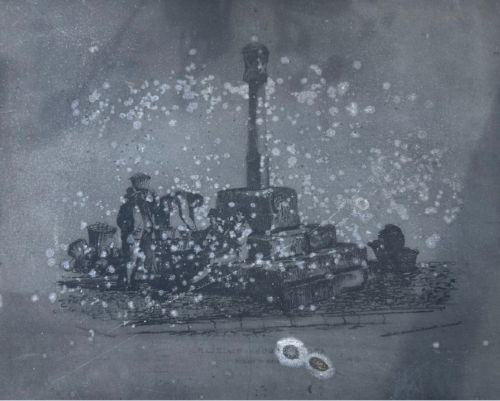
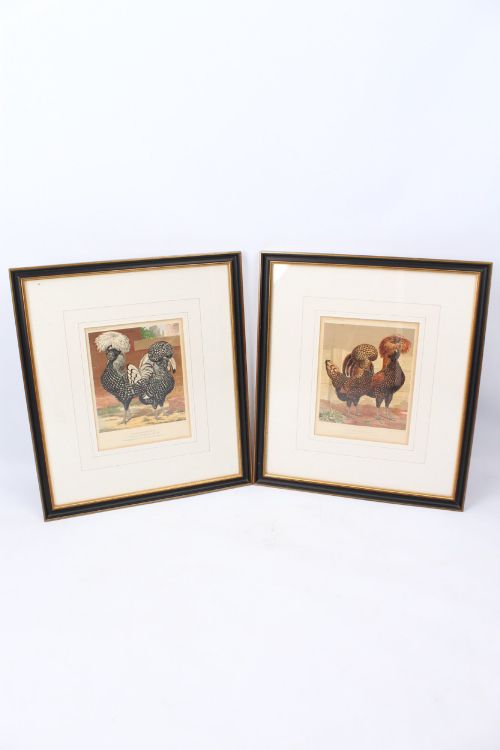
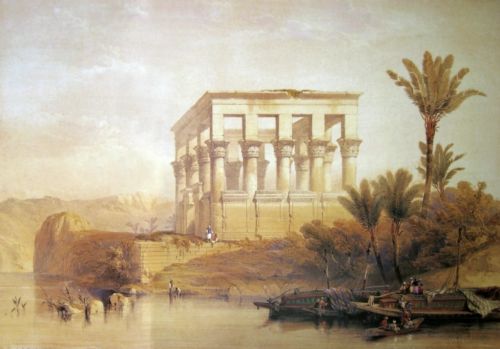
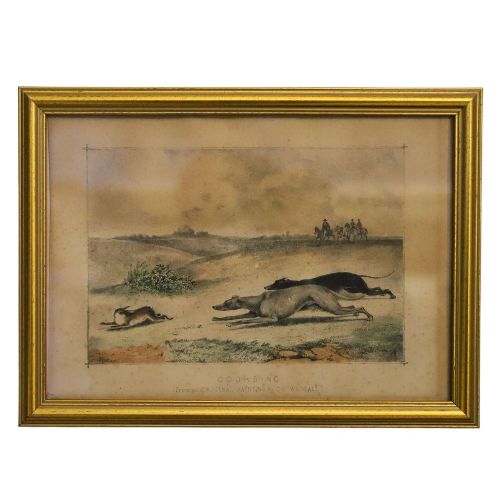
The selection ranges from natural history studies of birds and pigeons to architectural plans, sporting scenes, and caricature portraits. Buyers frequently encounter framed prints and wall art depicting animals, topography, and satirical characters.
Domestic advertising and serial publications also feature prominently in this category, notably through soap promotional plates and periodical supplements. These items document both everyday commerce and contemporary social commentary.
How They Were Made
Production relied on drawing directly onto stone or metal plates with greasy media, allowing ink to adhere selectively during the printing process. Many examples received subsequent hand-colouring with watercolour washes or utilised chromolithography for multi-coloured results.
Framed works commonly incorporate wood, glass, and occasional giltwood or gold leaf surrounds that complement the paper sheet. Surviving pieces frequently retain their original nineteenth-century framing materials.
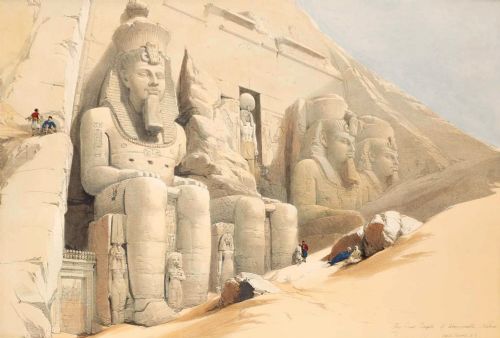
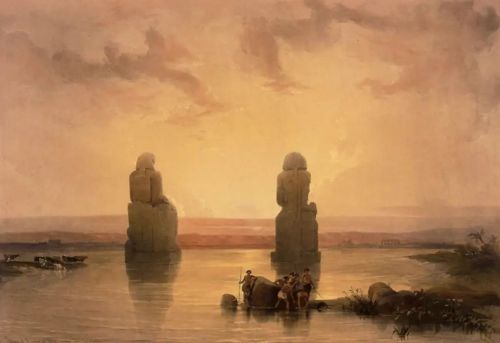
Listings feature paper, ink, and wood materials across Victorian and Edwardian periods, encompassing styles from Orientalism to natural history.
What Varies in Quality
The precision of the original draftsmanship and the registration accuracy during colour application determine the visual impact of the image. Earlier impressions taken directly from the primary stone display sharper lines than later reproduction runs.
The vibrancy of the ink and the condition of the paper surface influence desirability, alongside the presence of period framing. Complete sets maintain greater coherence than isolated single sheets.
John Hancock·Thomas Sutherland·David Roberts·Horatio Henry Couldrey·Louis Haghe
The Victorian Lithograph Print Glossary
- Lithography
- A planographic printing process based on the chemical repulsion of oil and water. Artists drew upon limestone or metal plates to transfer inked designs onto paper.
- Chromolithography
- A method for making multi-colour prints by using a separate stone or plate for each colour. This technique produced vivid hues without requiring manual tinting.
- Aquatint
- A printmaking technique that produces tonal areas resembling watercolour washes. It frequently appears alongside etched or lithographed outlines in sporting art.
- Giltwood
- Wood carved and coated with gold leaf or gold paint. It provides decorative framing for nineteenth-century wall art.
Victorian Lithograph Print: Frequently Asked Questions
How should I hang these prints safely?
Keep framed pieces away from direct sunlight to prevent the ink and paper from fading over time. Stable indoor humidity protects the paper and wooden frames from warping.
Use secure picture hooks rated for the weight of the glass and wood surrounds. Ensure the hanging wire is firmly attached to the frame backing.
What subjects are most common?
Natural history studies of birds, architectural plans, and satirical portraiture appear frequently. Sporting events and topographical views also form a large part of the available selection.
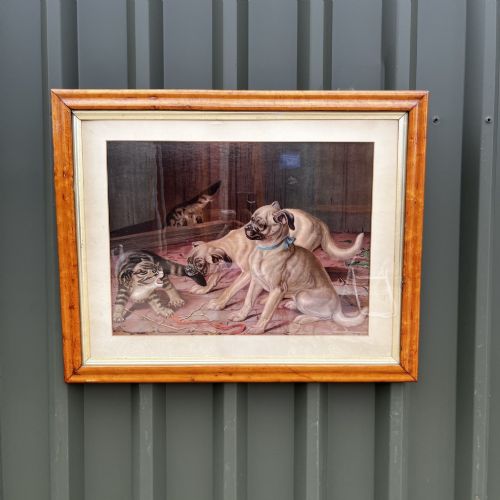
Advertising ephemera from soap manufacturers and domestic animal studies represent other familiar categories. These subjects reflect the diverse output of nineteenth-century presses.
How do I identify a chromolithograph?
Examine the surface under magnification to check for a pattern of solid colour layers rather than dot screens. Chromolithographs display rich, opaque tones applied through multiple passes.
Look for register marks near the sheet edges where alignment guides assisted the printer. The texture often feels slightly raised due to the heavy ink buildup.
Were these originally framed?
Many plates circulated unbound within periodicals, annuals, or serial portfolios before later framing by owners. Vanity Fair prints, for instance, were typically issued inside weekly magazines.
Some specialised plates and large format views received contemporary framing from retailers. Original period frames add historical context to the individual piece.