



Antique Royal Wall Art
Antique royal wall art brings centuries of sovereign heritage into your home through oil paintings, mezzotints and porcelain plaques.
Antique Royal Wall Art
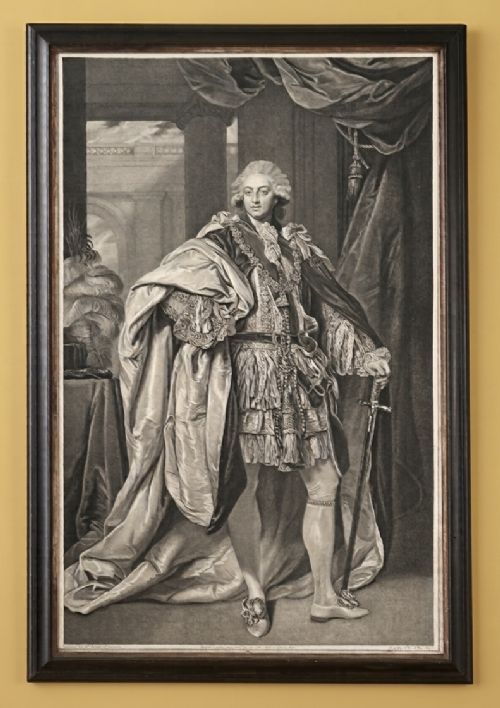
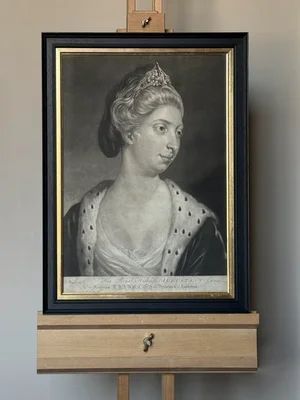
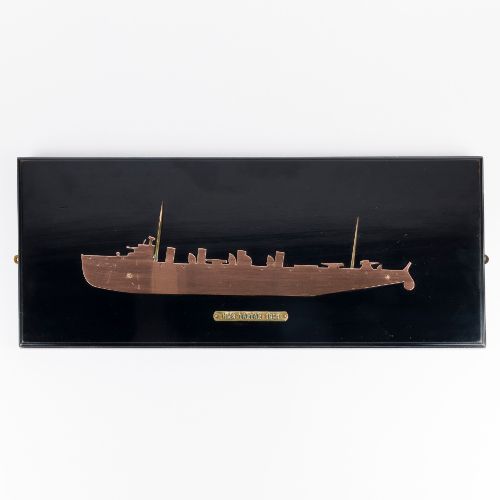
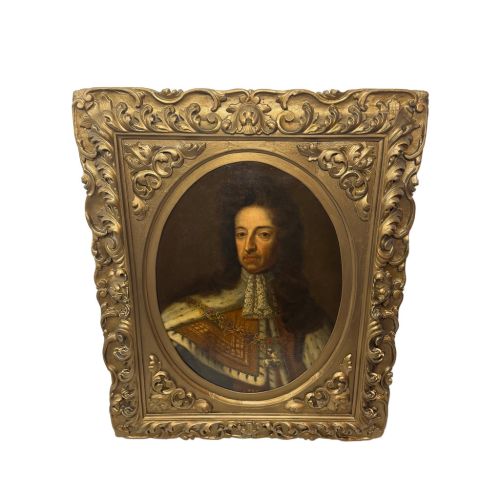
Antique royal wall art covers framed portraits, maritime scenes and porcelain plaques depicting monarchs, princes and royal vessels. When you search for antique royal wall art, you encounter historical oil paintings, delicate reverse glass prints and hand-painted plaques from the seventeenth century onwards.
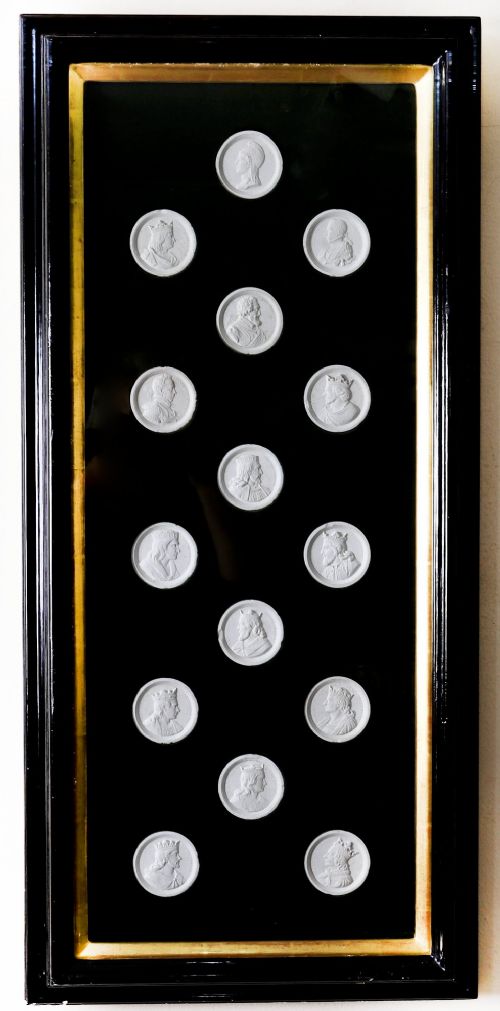
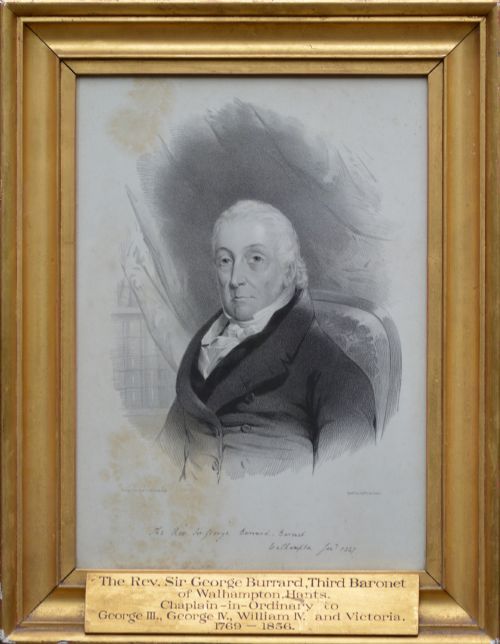
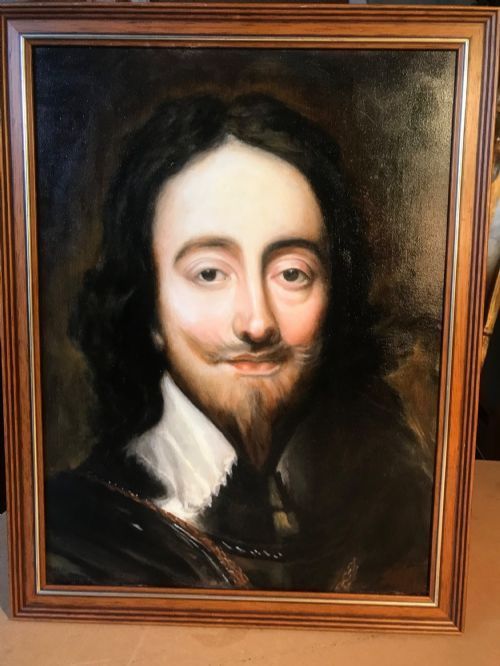
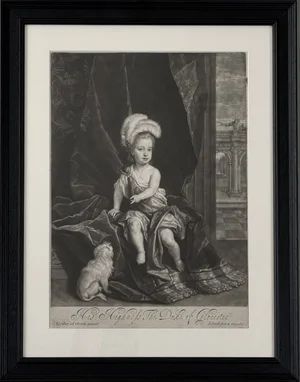
The selection ranges from seventeenth-century mezzotints of princes and seventeenth-century oil portraits of kings to twentieth-century pastels of the Prince of Wales. These works capture the likenesses of figures such as King Charles the Second, Queen Charlotte and King William the Third.
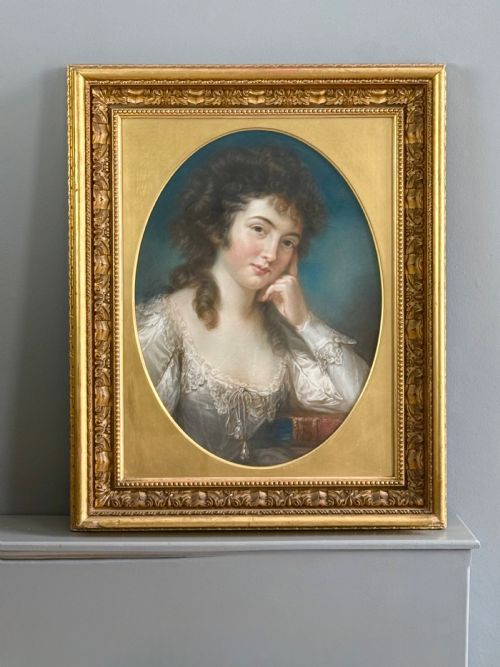
Makers and subjects span various British and European schools, incorporating works associated with court painters and royal subjects. Pieces often feature traditional framing, including period giltwood frames that complement the regal subject matter.
How they were made
Makers utilised oil paint on canvas and wood panel alongside delicate mediums like pastel, gouache and watercolor on paper. Printmakers employed mezzotint and reverse glass printing techniques to reproduce royal portraits for wider distribution.
Craftsmen applied gold leaf to ornate giltwood frames to house these significant portraits and maritime scenes. Specialised artisans also produced hand-painted porcelain plaques, firing pigments onto the ceramic surface before framing them securely.
Antique Royal Wall Art Retail Price Guide 2026
Typical asking prices for royal wall art among the pieces listed under this phrase on Sellingantiques today, from the lower quarter to the upper quarter. They describe what is for sale here now, not the wider market.
Even royal horses like Persimmon receive immortalisation on canvas alongside kings.
What varies in quality
The integrity of the materials, such as untouched oil on canvas surfaces, original frames with authentic gilding, and well-preserved glass in reverse prints, determines the desirability of each piece.
Sir William Beechey·John Smith·G Kneller·Thomas Murray·Sir Peter Lely·Anthony Van Dyck·Herskind·Purcell·Reynolds·Thomas Frye·Richard Purcell·Sir Godfrey Kneller·James Stinton·Nicholas Condy·Bertram Priestman·Frederick Goodall·Reginald Grange Brundrit·Stinton·Percy Robertson·John A Houston·Benjamin Williams Leader·Susie Lassam
The Antique Royal Wall Art Glossary
- Mezzotint
- A printmaking process where the copper plate is roughened to achieve rich tonal gradations. This technique was frequently utilised for eighteenth-century royal portraits.
- Giltwood
- Wood that has been coated with a thin layer of gold leaf or gold paint. It forms the decorative structure of many traditional picture frames.
- Reverse Glass Print
- An image transferred and painted directly onto the back of a glass sheet. It creates a smooth, reflective surface finish popular in Georgian wall art.
- Order of the Garter
- The senior order of British knighthood, depicted through insignia and badges within royal portraiture. Its inclusion signifies high status and royal affiliation.
Antique Royal Wall Art: Frequently Asked Questions
What periods do these pieces span?
The selection covers items from the seventeenth century through to the mid-twentieth century. You will find seventeenth-century mezzotints alongside Victorian oils and Edwardian maritime pieces.
Each era reflects distinct portrait styles, printing methods, and framing traditions associated with British royalty and naval history.
How do I identify a reverse glass print?
A reverse glass print displays the image locked behind a smooth layer of glass rather than paper or canvas. The colours appear with a distinct sheen and depth due to being applied directly to the rear surface.
This technique protects the pigments from environmental exposure while giving the artwork a glossy finish.
What subjects besides monarchs appear?
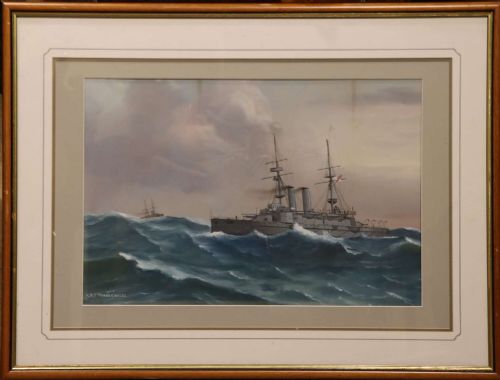
Portraits frequently depict princes, dukes, military commanders, and royal consorts alongside historic naval vessels and royal yachts. Pieces also record significant events such as royal reviews and maritime landmarks.
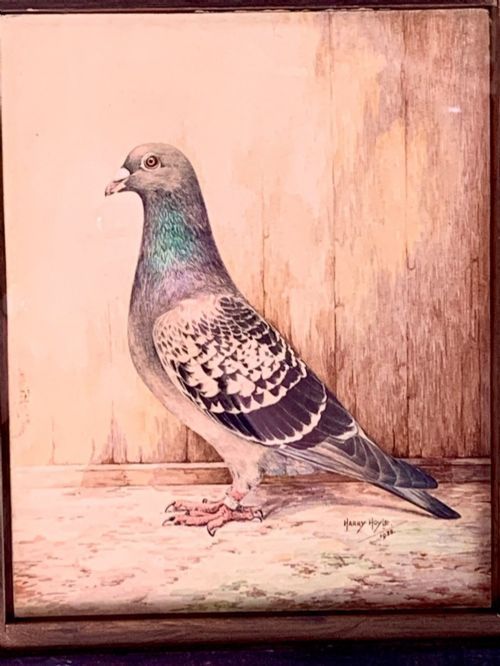
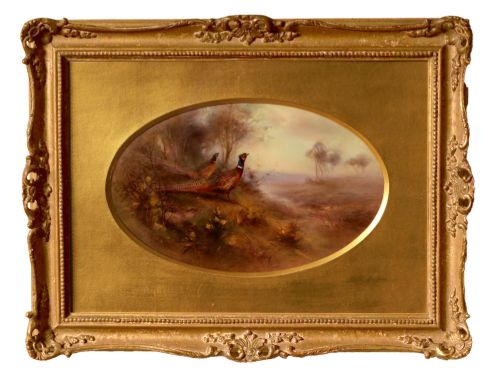
Subjects extend to thoroughbred horses owned by the royal family and hand-painted porcelain plaques of avian themes.
How should I hang heavy framed pieces?
Heavy oil paintings and cast-iron coats of arms require secure wall anchors fixed directly into wall studs. Professional picture hooks rated for the specific weight of the giltwood frame ensure safe suspension.
Position pieces away from direct sunlight to protect sensitive canvas, paper, and watercolour mediums from fading.