

Antique Porcelain Serving Platters
These antique porcelain serving platters bring centuries of hand-painted artistry and utility to the table, offering a tangible link to Georgian, Victorian, and East Asian dining traditions.
Antique Porcelain Serving Platters
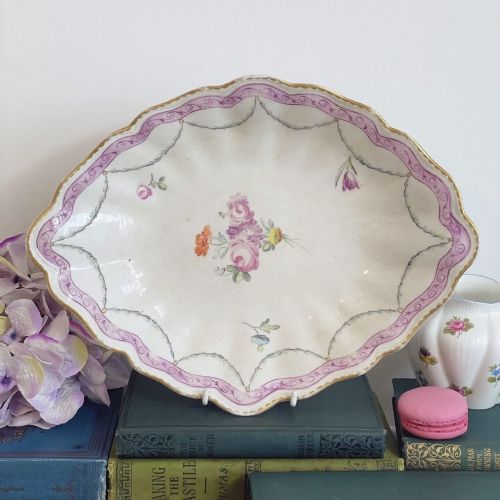
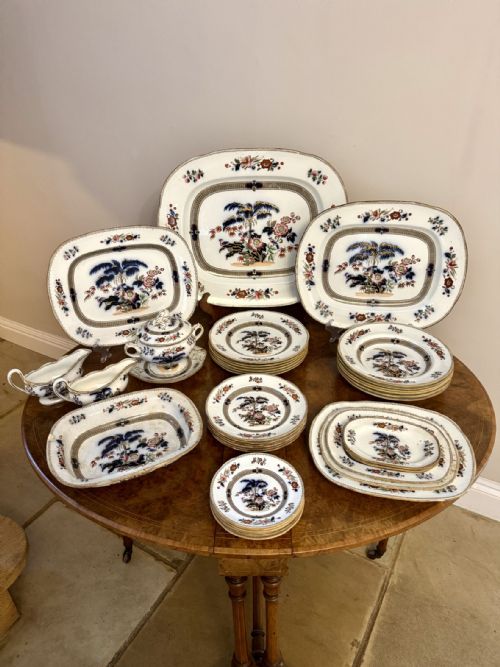
When you search for antique porcelain serving platters, you encounter a diverse range of large dishes, trays, and chargers designed for presenting food or decorating interiors. These pieces span from the eighteenth century through to the early twentieth century, originating from notable English, European, and Asian kilns.
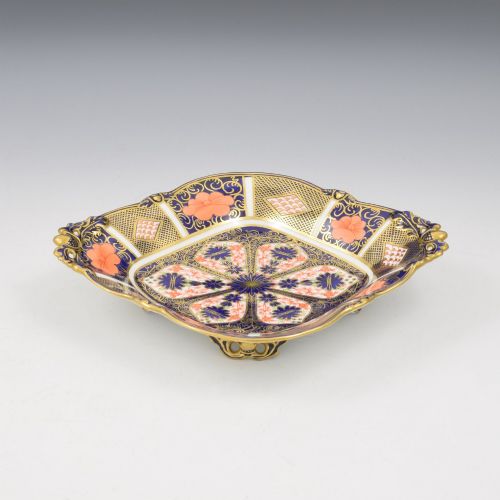
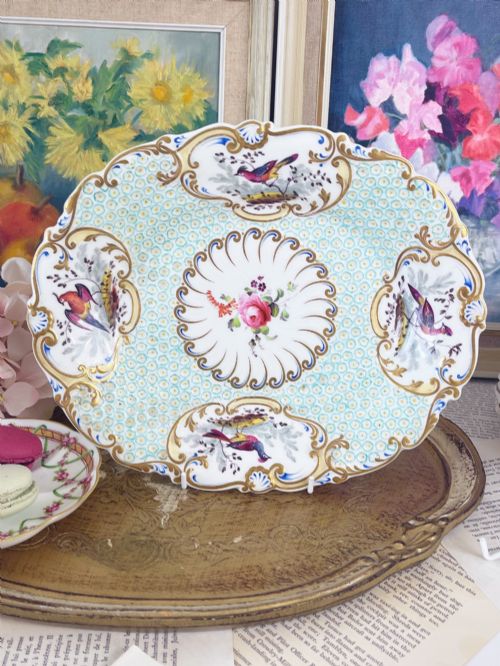
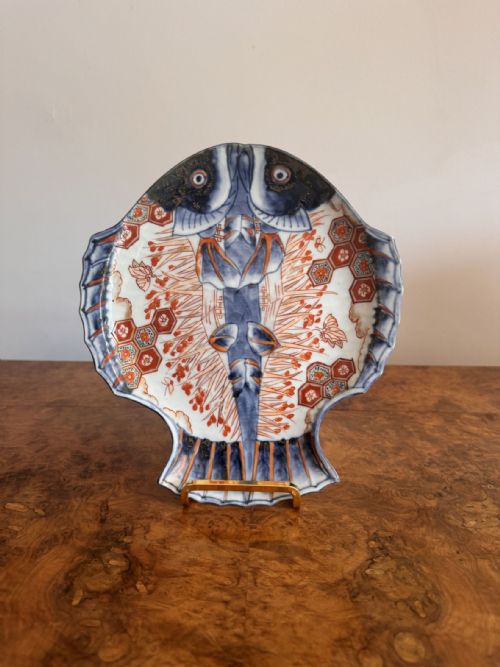
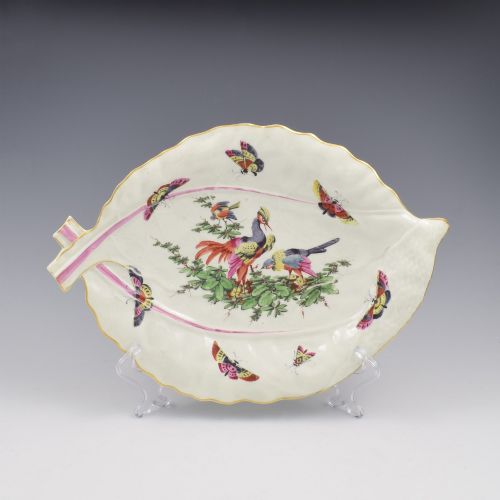
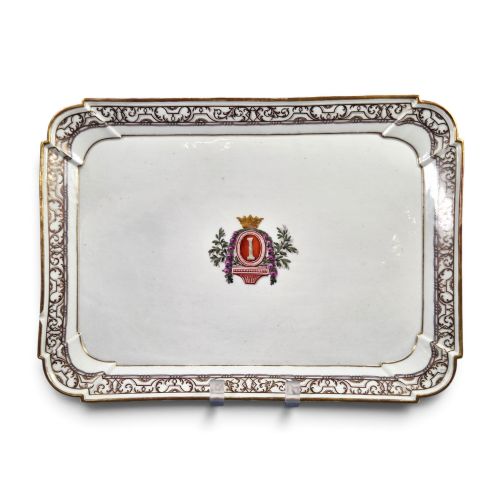
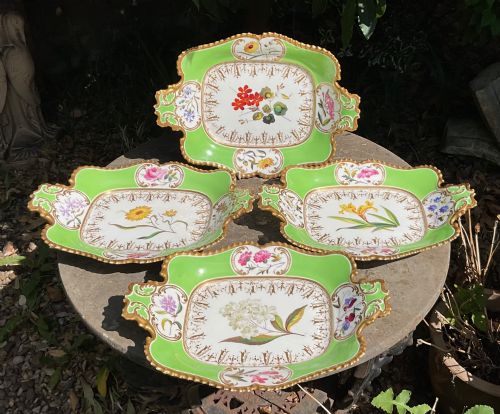
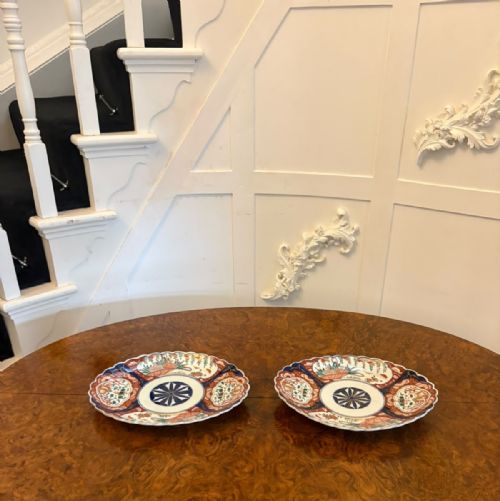
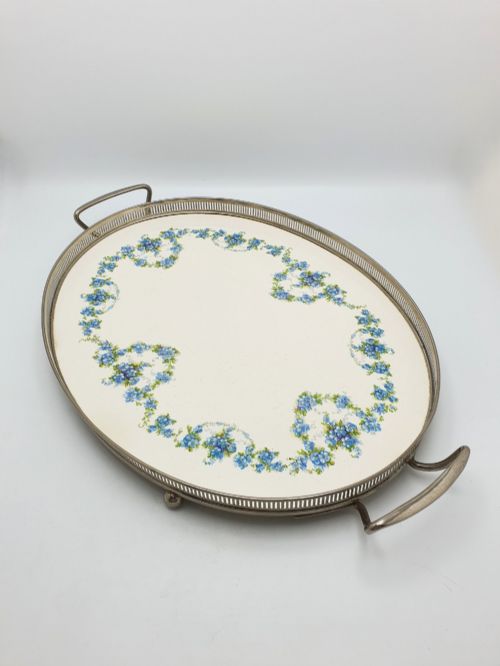
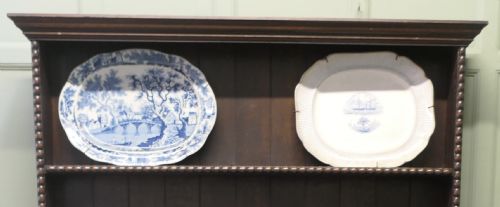
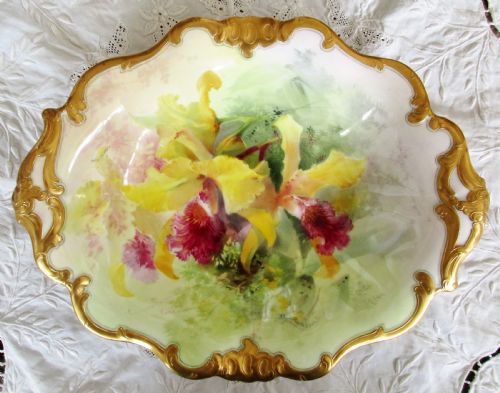
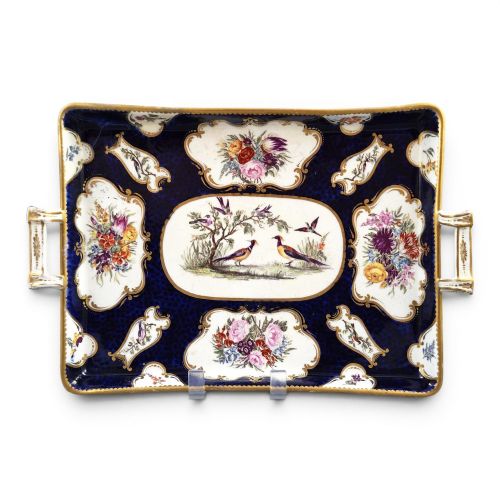
The selections on this page heavily feature eighteenth and nineteenth-century English porcelain alongside Japanese Imari wares and Chinese export pieces. Forms vary from simple oval platters and rectangular trays to shaped dishes, pierced dessert plates, and large circular chargers.
Domestic English factories such as Worcester, Derby, and Coalport sit alongside continental works from Sèvres and Marseille. Alongside these are robust examples of Chinese export porcelain and Japanese Meiji period platters, reflecting global trade routes and shifting aesthetic tastes.
How they were made
The foundation of these platters lies in carefully prepared clay bodies, ranging from fine hard-paste porcelain and bone china to softer earthenwares and felspathic pastes. Potters shaped these materials either on the wheel or by pressing clay into plaster or wooden moulds to achieve consistent oval, square, or shaped profiles.
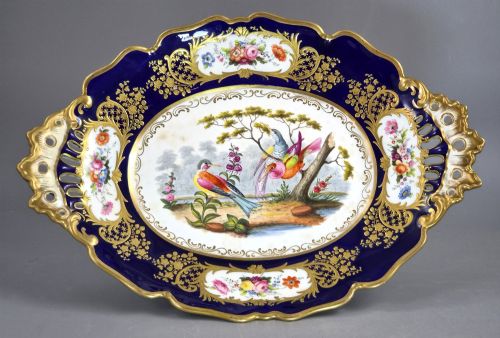
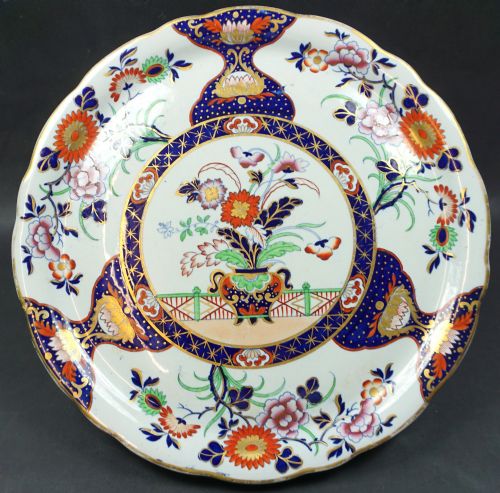
Glazing and decoration required skilled handwork, utilising cobalt blues, polychrome enamel pigments, and applied gold leaf or heavy gilding. Kiln firing fixed the underglaze designs before subsequent enamel applications were bonded in lower-temperature muffle kilns.
Listings feature porcelain serving platters spanning the eighteenth, nineteenth, and early twentieth centuries, incorporating both English factory wares and Asian export ceramics.
What varies in quality
Quality rests upon the precision of the throwing or moulding and the crispness of the underlying ceramic body. Thinner, more translucent pastes require greater technical mastery in the kiln than thick utilitarian wares.
The artistry of the hand-painted decoration determines the upper tiers of the market, distinguishing swift factory production from individual miniaturist skill. Subtle control over polychrome enamels, cobalt depth, and the application of genuine gold leaf separate standard domestic platters from exceptional cabinet pieces.
Royal Crown Derby·H and R Daniel·Dr Wall Worcester·Chamberlains Worcester·Royal Doulton
The Antique Porcelain Serving Platters Glossary
- Charger
- A large decorative or serving plate, typically measuring over twelve inches across. These prominent dishes often hung on walls or anchored large table displays.
- Imari
- A Japanese export style characterised by a distinct palette of underglaze blue, iron red, and gold. This decorative approach influenced numerous European kilns during the eighteenth and nineteenth centuries.
- Enamel
- Opaque glass-based colours applied over a fired glaze to provide bright details on porcelain. Artisans fixed these pigments during a secondary, lower-temperature kiln firing.
- Gilding
- The application of gold leaf or powdered gold to ceramic surfaces for decorative emphasis. Finer examples utilise burnished gold to create rich contrasts against cobalt blue or white grounds.
- Soft-paste
- An early European porcelain composition made from clay mixed with ground glass and alabaster. This material fired at lower temperatures than true hard-paste porcelain, producing a warm, creamy glaze.
Antique Porcelain Serving Platters: Frequently Asked Questions
How were antique porcelain serving platters used originally?
These platters functioned at elite dining tables to present meats, fish, and seasonal vegetables during multi-course meals. Larger chargers and serving trays anchored the centre of the table or aided servants in transferring food.
Beyond dining service, many fine examples transitioned quickly into decorative cabinet pieces. Wealthy households displayed armorial or hand-painted platters on sideboards to demonstrate taste and status.
Can I still use antique platters for serving food?
Most antique porcelain platters remain structurally sound for occasional serving use if handled with care. Hand washing is essential, as modern dishwashers expose fragile glazes and delicate gold leaf to damaging heat and harsh detergents.
Crazing and older manufacturing flaws mean some porous bodies absorb liquids over time. Assessing the stability of the glaze helps determine whether a platter suits active dining or gentle display.
How do I distinguish eighteenth-century platters from later copies?
Examining the foot ring and the glaze reveals clues about the firing era and kiln technology. Eighteenth-century pieces frequently display unglazed foot rims with characteristic kiln grit and variations in the porcelain body.
Hand-painted brushwork on older platters shows natural irregularities under close inspection. Transfer-printed outlines or perfectly uniform modern body compositions typically indicate nineteenth-century or later production.
What defines Japanese Imari ware on English tables?
Japanese Imari porcelain reached Europe through trade routes, inspiring local potters to adopt its characteristic palette. The combination of deep cobalt blue, rusty iron red, and gilt highlights creates a vibrant visual texture.
English factories like Coalport and Derby frequently reinterpreted these motifs on their own serving dishes. Original Japanese Meiji or earlier pieces display distinct paste characteristics and hand-mixed pigments that separate them from European copies.