


Green Porcelain Platters
Green porcelain platters bring rich colour and intricate hand painting to the table, spanning centuries of Asian and English craftsmanship.
Green Porcelain Platters
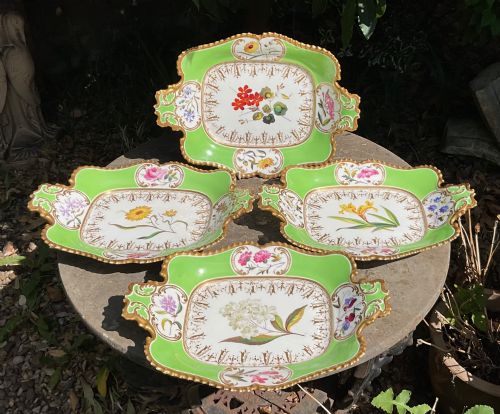
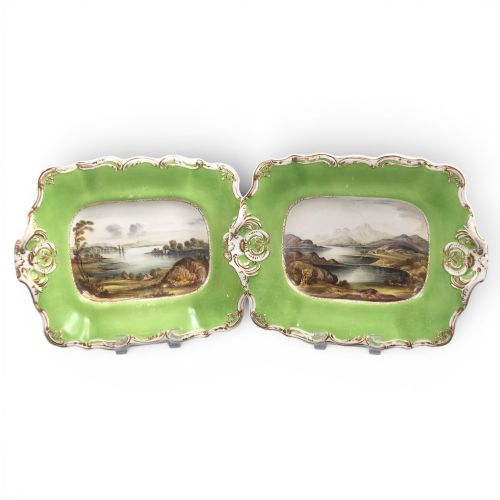
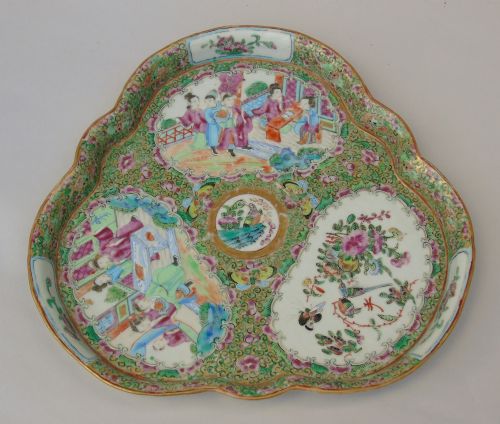
Green porcelain platters encompass a diverse array of decorative dishes, chargers, and serving pieces sourced from various historical traditions. When exploring green porcelain platters, buyers encounter objects ranging from Chinese export wares and Japanese chargers to English cabinet dishes.
Materials and Techniques
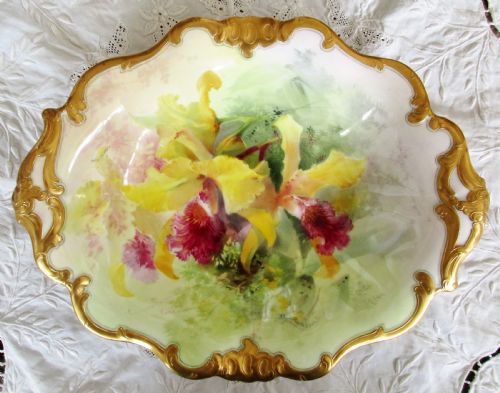
The pieces rely on hard paste porcelain as the primary substrate, shaped into dishes, bowls, and large chargers. Artisans applied overglaze enamels to create detailed figurative and botanical scenes across the ceramic surface.
Gilding and gold leaf frequently enhance the designs, adding metallic contrast to the painted green tones. Moulded floral scrolls and hand painted brushwork demonstrate the technical skill involved in producing these ceramics.
Materials documented across the inventory include hard paste porcelain, gold leaf, and overglaze enamels applied to chargers and cabinet dishes.
Assessing Quality and Execution
Quality in these ceramics rests on the precision of the hand painting and the complexity of the composition. Finer examples display meticulous brushwork in the enamel detailing, particularly in court life scenes or botanical studies.
The crispness of moulded elements and the application of gilding distinguish exceptional chargers and dishes from standard production pieces. Maker attributions and historical provenance also elevate the standing of individual items.
Chamberlains Worcester·Royal Doulton·Copeland and Garrett·David Dewsberry
The Green Porcelain Platters Glossary
- Charger
- A large decorative plate or dish used historically for service or display. These substantial pieces often feature elaborate painted or moulded decoration across the surface.
- Cabinet Dish
- A porcelain plate intended for display in a cabinet rather than for dining use. These items typically showcase superior artistic execution and fine enamelling.
- Overglaze Enamel
- Coloured glass decoration applied over the fired and glazed porcelain surface before a lower temperature firing. This technique allows for a broad palette including vibrant greens and reds.
- Celadon
- A term for pottery denoting both wares glazed in grey green jade colours and the specific glaze itself. The subtle tone derives from iron oxide in the glaze mixture fired in a reducing atmosphere.
- Famille Verte
- A ceramic palette characterised by a predominant green enamel colouring derived from copper. The style developed during the Qing dynasty and appears frequently on export porcelain.
Green Porcelain Platters: Frequently Asked Questions
What are green porcelain platters used for?
These pieces function primarily as decorative chargers, cabinet dishes, and serving vessels. Historically, large examples served grand meals or adorned palace walls and cabinets.
Today, collectors display them on walls, within cabinets, or on tables to add historic character and colour to an interior.
How do I identify Chinese export green porcelain?
Chinese export pieces often feature families of enamels such as famille verte or famille rose, combined with traditional motifs like court scenes or botanical scrolls. Examining the base, paste texture, and glaze characteristics helps determine the period.
Maker marks or reign periods, when present, provide further clues to the exact dynasty and workshop origin.
How should I care for antique porcelain platters?
Antique porcelain and enamel decoration require gentle handling to preserve the fragile overglaze paints and gilding. Dusting with a soft, dry cloth is usually sufficient for routine maintenance.
Avoid immersing pieces in water, particularly those with gold leaf or delicate overglaze enamels, and display them away from direct sunlight.