


Victorian Porcelain Serving Dishes
Victorian porcelain serving dishes bring decorative flair and utility to the table, offering generous proportions and hand-painted charm for everyday dining.
Victorian Porcelain Serving Dishes
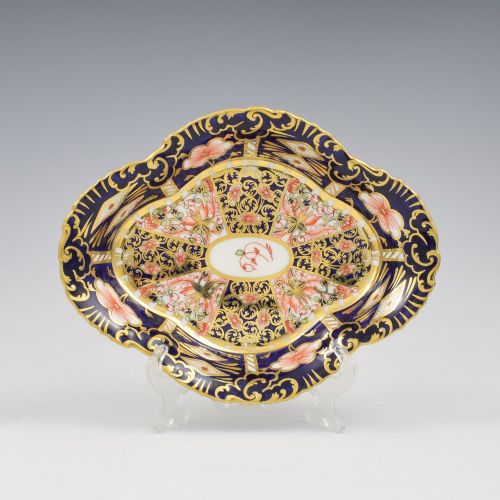
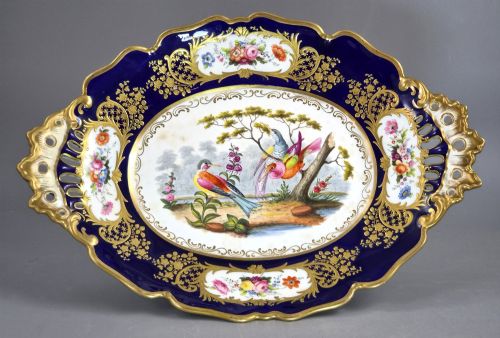
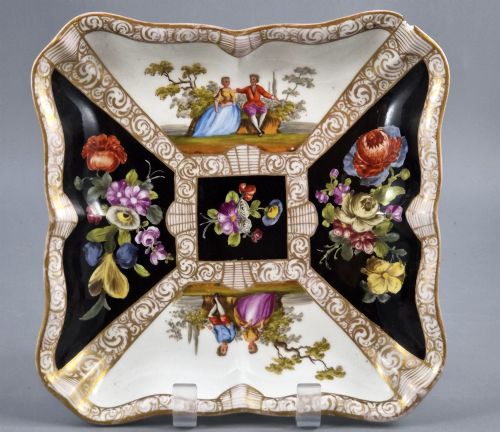
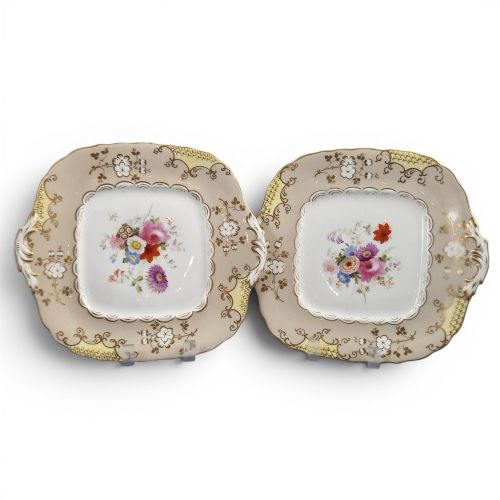
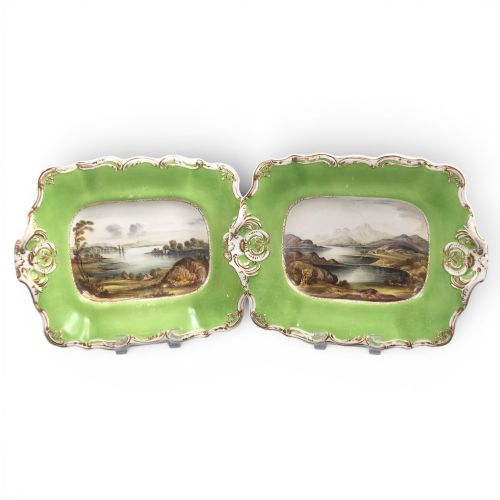
Victorian porcelain serving dishes span oval platters, square dishes, and rectangular trays designed for practical hosting and display. You will frequently encounter nineteenth-century English ceramics alongside continental pieces featuring hand-painted botanical studies or scenic vistas.
Forms range from individual dessert plates and cabinet dishes to parts of larger dinner and dessert services. Makers utilised shaped borders and moulded handles to suit formal dining customs.
The aesthetic bridges domestic utility and ornamental display, reflecting period dining habits where presentation was paramount. Pieces often include transfer-printed motifs or rich gilding that elevated the middle-class dining table.
Materials and production methods
Manufacturers utilised fine bone china, porcelain, and earthenware bodies shaped through moulding or throwing. Glazes provided a smooth, impervious surface suitable for serving food.
Decoration relied on hand-painted enamels, transfer printing, and applied gold leaf or gilt highlights. Firing techniques achieved durable finishes that secured polychrome scenes and botanical details.
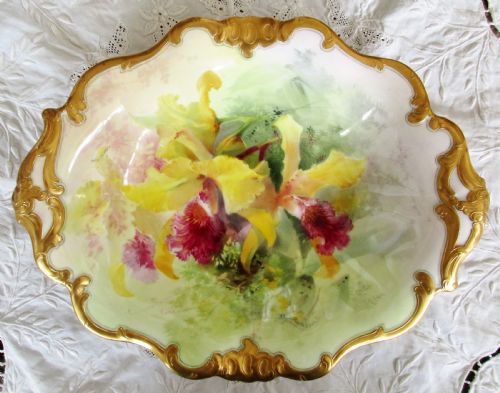
Some nineteenth-century dessert dishes survived simply because someone hid them away in a dark cabinet with an orchid painting.
Judging quality and craftsmanship
Quality rests in the crispness of the porcelain body and the precision of the hand-painted brushwork. Superior examples display finely rendered motifs, such as botanical studies or Watteau scenes, rather than purely mechanical transfer prints.
The application of gold leaf and enamel weight distinguishes finer wares from standard production pieces. Heavier moulding and balanced proportions indicate careful workshop practice.
Coalport·Meissen·Royal Doulton·Copeland and Garrett·John Ridgway·Minton·Carlton Ware·Royal Crown Derby·Masons·Wedgewood
The Victorian Porcelain Serving Dishes Glossary
- Cabinet dish
- A decorative plate or dish intended primarily for display in a cabinet rather than for table use. These pieces often feature intricate hand-painted subjects.
- Bone china
- A type of soft-paste porcelain incorporating bone ash, developed to improve strength and whiteness. It allowed potters to create thinner, more translucent serving vessels.
- Gilt
- A thin layer of gold applied to the surface of the ceramic for decoration. It frames painted panels or highlights moulded borders.
- Transferware
- Pottery decorated by transferring a printed design from a copper plate onto the ceramic body using tissue paper. This method enabled consistent mass production of patterned services.
- Tureen
- A deep covered vessel used for serving soups or stews at the table. Nineteenth-century examples often match larger dinner services.
Victorian Porcelain Serving Dishes: Frequently Asked Questions
How do I use antique serving dishes?
These pieces function well for serving dry foods, biscuits, or fruit during gatherings.
Hand washing protects the fragile enamel and gilt details from modern detergents.
Can I use these dishes for hot food?
Serving dry items or cold foods preserves nineteenth-century glazes and avoids thermal shock.
Rapid temperature changes can crack old ceramic bodies and degrade painted surfaces.
How do I date a Victorian dish?
Backstamps, pattern numbers, and stylistic cues like Rococo Revival moulding help establish age.
Hand-painted signatures or decorator marks occasionally narrow down the decade of production.
What is the difference between porcelain and ironstone?
Porcelain provides a translucent, refined body suited to delicate cabinet and dessert pieces.
Ironstone offers a heavier, more utilitarian ceramic compound designed for robust service dishes and tureens.