
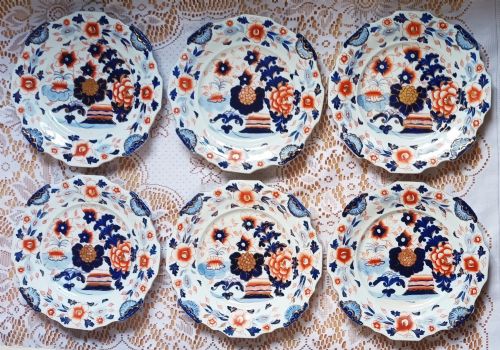
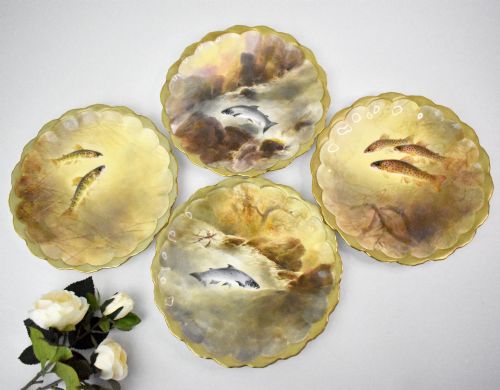


Antique Porcelain Plate Set
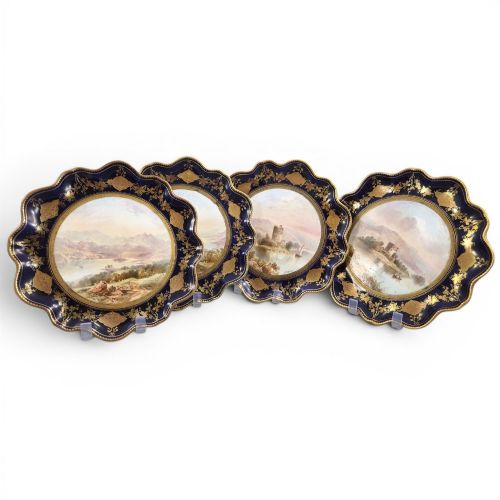
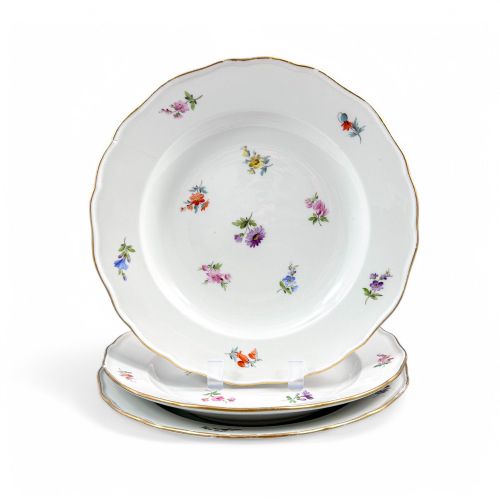
These antique porcelain plate sets gather matching historical services, dessert arrays and decorative groups created across European and Asian kilns.
Antique Porcelain Plate Set
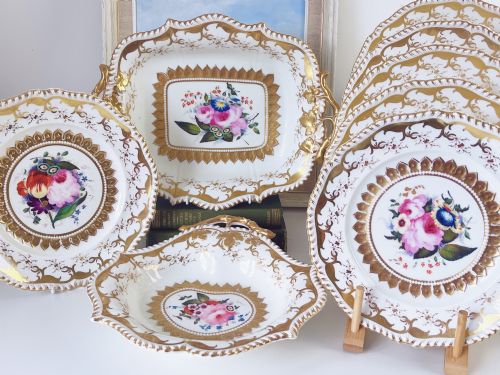
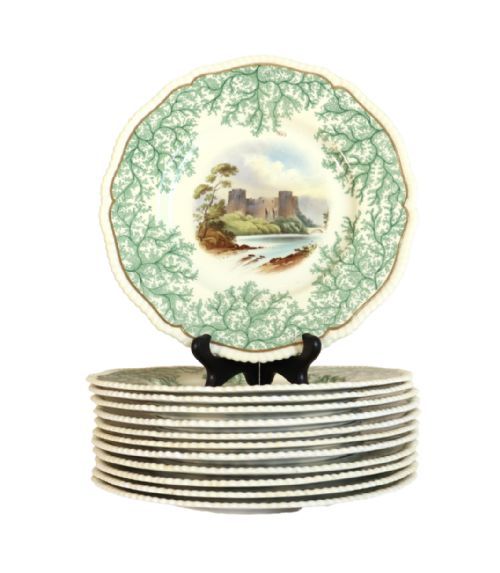
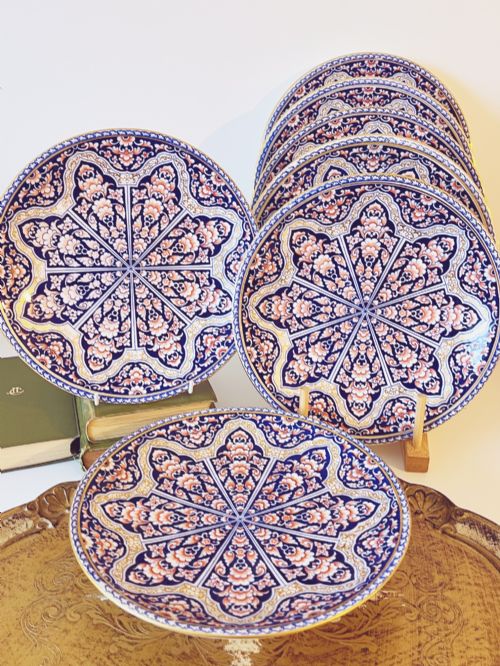
An antique porcelain plate set brings together matched groupings of ceramics designed for dining, dessert courses or display. When searching for an antique porcelain plate set, buyers encounter configurations ranging from small dessert services to extensive dinner services spanning the eighteenth, nineteenth and early twentieth centuries.
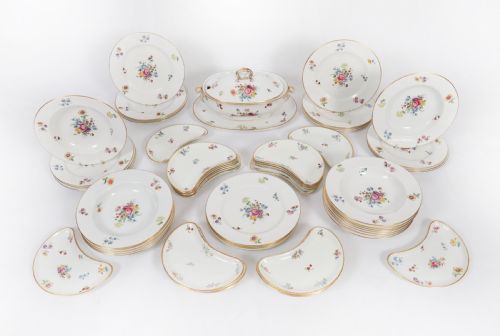
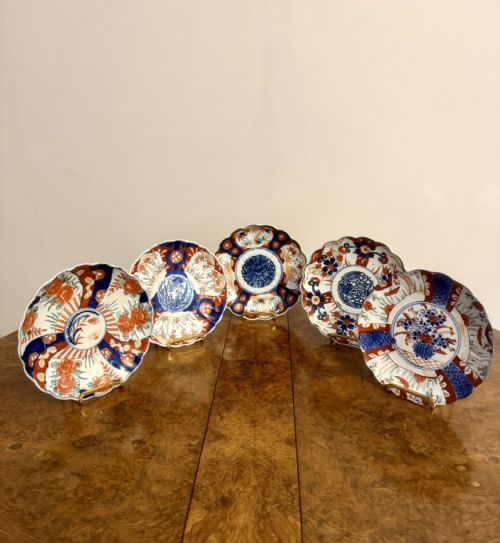
The evidence shows these groupings appearing in forms such as cabinet plates, soup bowls, saucers and graduated dishes. English manufactories like Spode, Minton and Royal Crown Derby sit alongside French Sevres, Chinese export wares and Japanese Imari pieces.
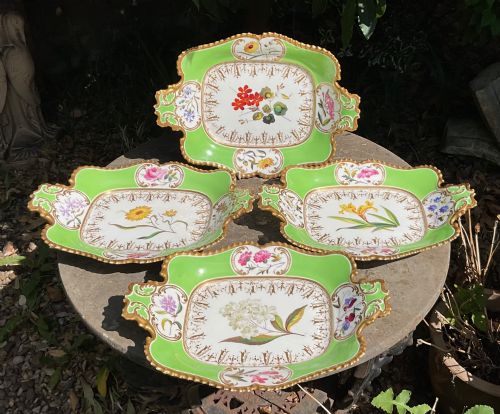
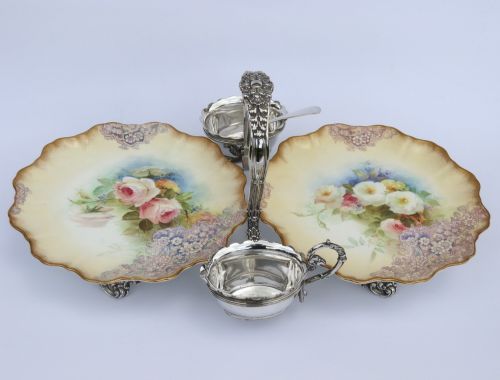
Many sets survive from the Regency and Victorian periods, often retaining their original hand-painted floral motifs, transfer-printed patterns or rich gilding. Surviving services frequently include serving vessels alongside the flat plates to form complete dining arrangements.
Materials and methods of production
Potters utilised hard-paste porcelain, soft-paste porcelain, bone china and ironstone ceramic bodies shaped by hand or moulded in early factories. Glazes provided a smooth vitrified surface ready for subsequent artistic application.
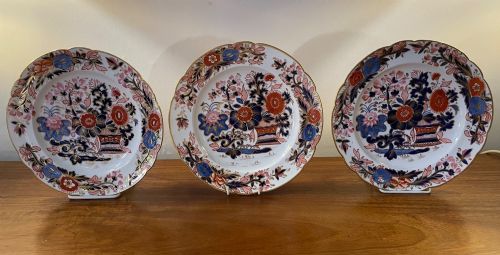
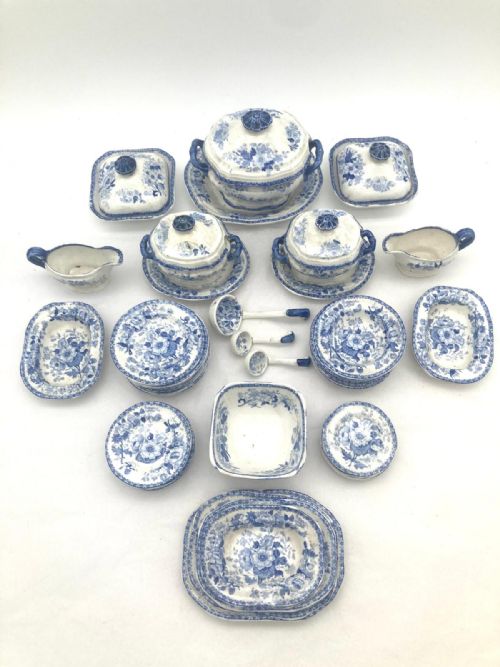
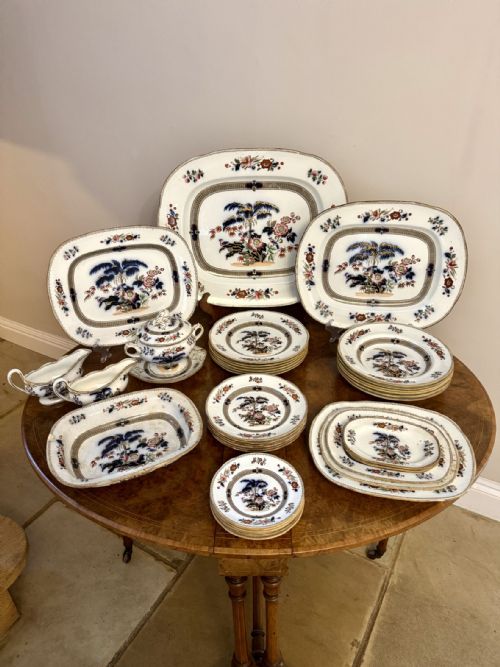
Decoration relied on hand-painted botanical or landscape scenes, blue and white transfer printing, and Japanese-inspired Imari palettes. Craftsmen added finishing touches using gold leaf and enamel highlights, which were then fixed in a kiln.
Listings feature porcelain, ironstone and bone china from eighteenth-century French kilns to twentieth-century English potteries.
Distinctions in craftsmanship and preservation
Quality rests upon the fineness of the ceramic body and the precision of the glaze application. Finer sets display crisp moulded relief, balanced proportions and superior translucency when held to the light.
Artistic execution dictates upper tiers, where hand-painted floral studies, intricate gilding and named maker marks elevate a service. Preservation of the enamel colours and the integrity of the glaze surface differentiate everyday domestic wares from exhibition-grade cabinet pieces.
Grainger Lee And Co·Spode·Royal Crown Derby·Chamberlains Worcester·Minton·Wedgwood·Meissen·Doulton Burslem·Royal Doulton·John Ridgway·Rockingham Pottery·Coalport·Masons·Carrington·Sevres·Chantilly·Elkington·Royal Worcester·Kornilov Brothers·Doric China·Tonquin China·Kerr And Binns·Jean Pierre Feuillet
The Antique Porcelain Plate Set Glossary
- Soft Paste Porcelain
- A glassy ceramic composite fired at lower temperatures than hard paste. It was widely developed in eighteenth-century European factories before bone china became dominant.
- Imari Palette
- A decorative scheme employing underglaze blue, iron red and gold, inspired by Japanese export wares. English and continental makers frequently adopted this style during the nineteenth century.
- Transfer Printing
- A technique where an engraved copper plate transfers a design onto paper, which is then pressed onto the ceramic surface. This allowed factories to produce uniform repeating patterns efficiently.
- Bone China
- A porcelain variant incorporating animal bone ash into the paste. This mixture produces a strong, highly translucent white body suited for detailed painting.
- Gilt
- Application of gold leaf or powdered gold to the edges and borders of ceramics. It provides a metallic sheen that characterises formal dining services from the Georgian and Victorian eras.
Antique Porcelain Plate Set: Frequently Asked Questions
How do I care for antique porcelain plates?
Wash each piece by hand in warm water using a mild liquid soap, avoiding abrasive scrubbers or modern dishwashing machines that can damage old glazes and gold leaf.
Store the plates with protective felt or cloth dividers between them to prevent surface scratching and edge chipping during handling.
Were these plate sets used daily?
Many larger dinner and dessert services saw regular use during formal nineteenth-century dining, while more delicate cabinet plates were intended primarily for display.
Evidence of wear on the central well often indicates active use at the dining table rather than preservation in a cabinet.
How can I identify the maker?
Makers mark the underside of porcelain plates using printed stamps, impressed ciphers, painted monograms or pattern numbers applied during manufacture.
Consulting factory registers and date codes allows collectors to match these marks to specific operating periods and individual decorators.
What is the difference between a dessert service and a dinner service?
A dinner service comprises plates and dishes sized for savory main courses, soups and heavy dining requirements.
A dessert service focuses on lighter porcelain forms such as comports, footed dishes and side plates meant for fruit and sweet courses.