
Antique Porcelain Pair
Searching for an antique porcelain pair brings together matching vessels, figures and decorative objects spanning European factories and Asian kilns.
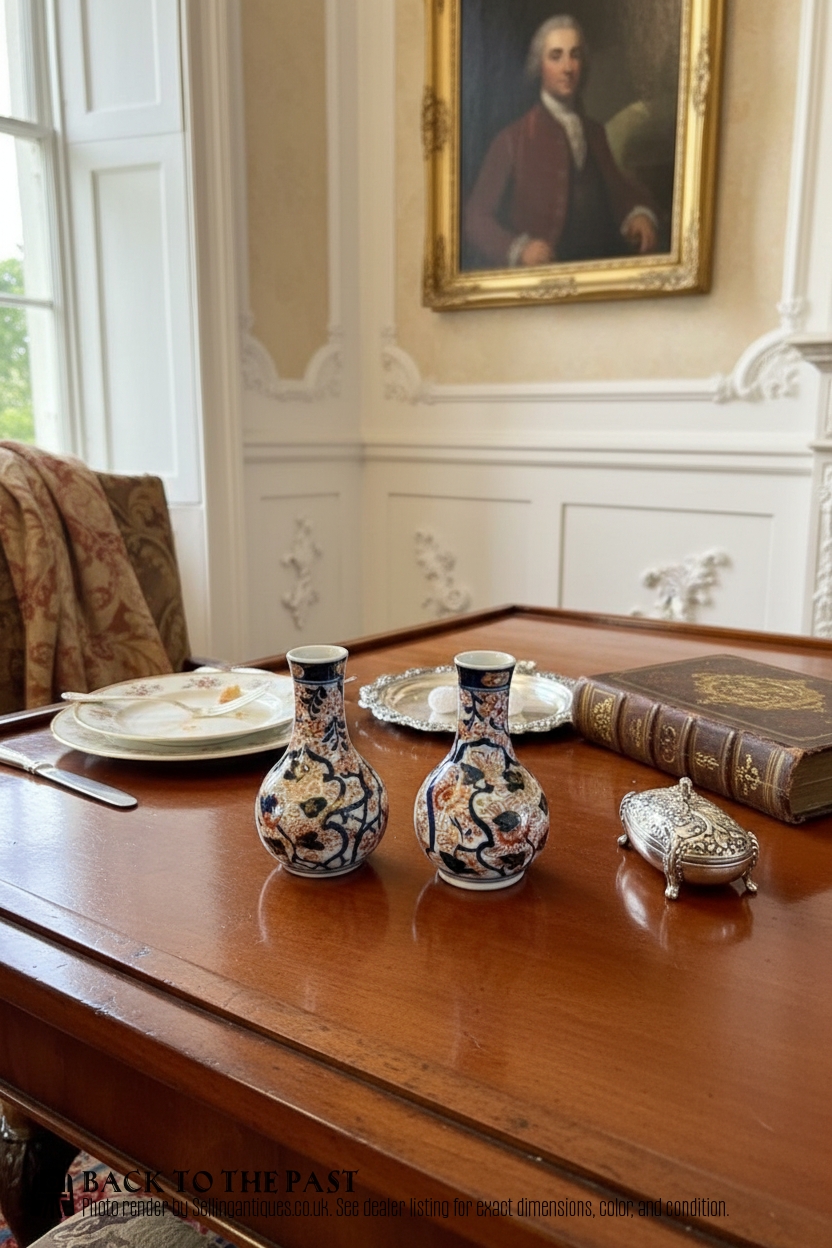
Antique Porcelain Pair
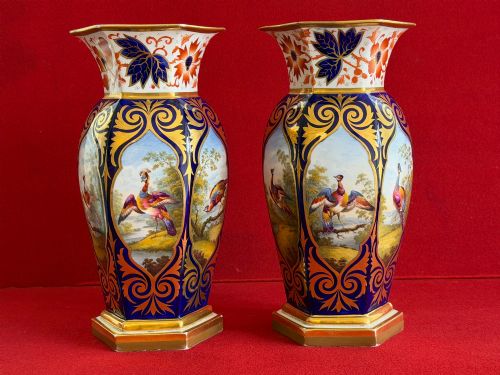
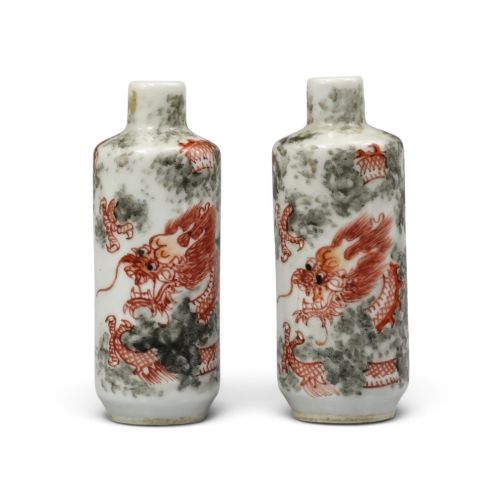
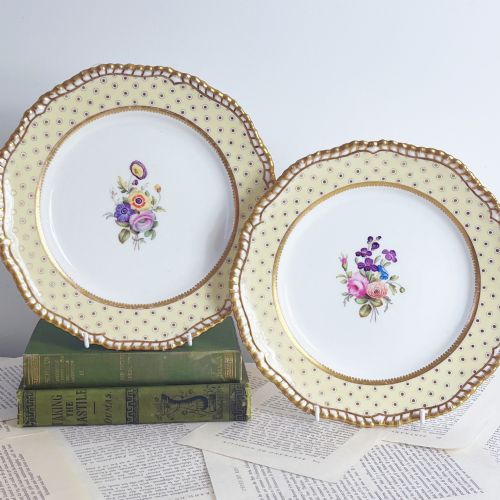
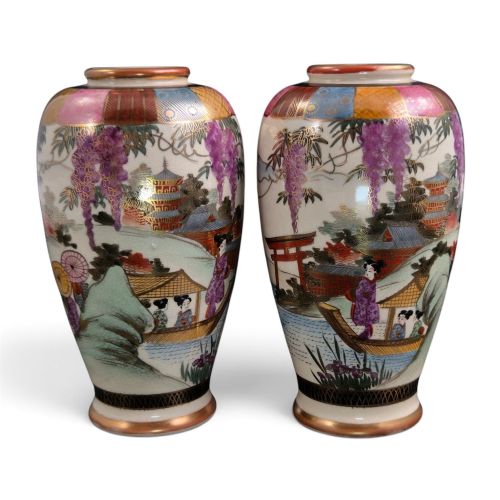
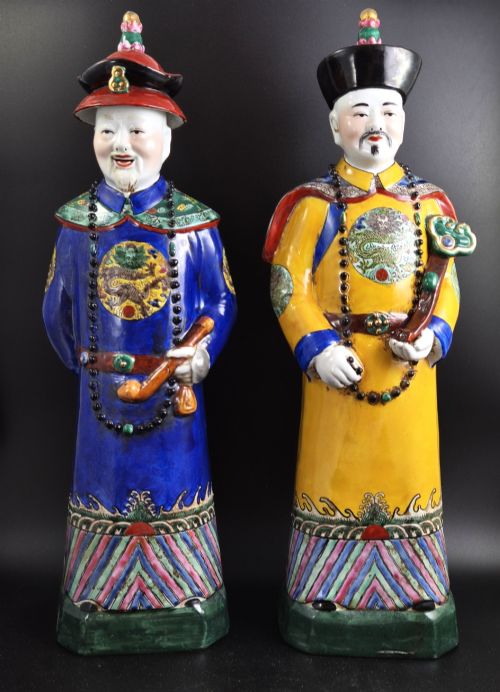
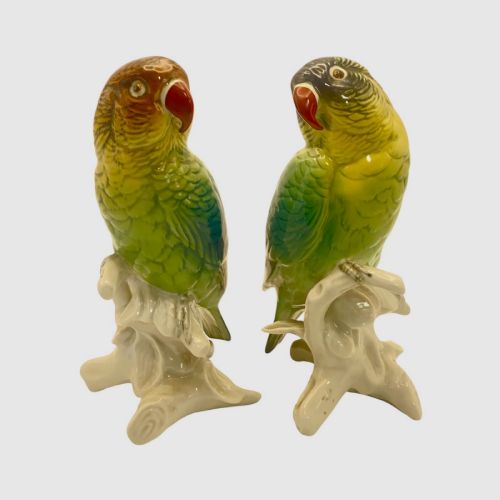
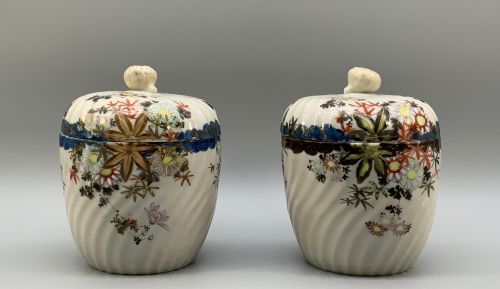
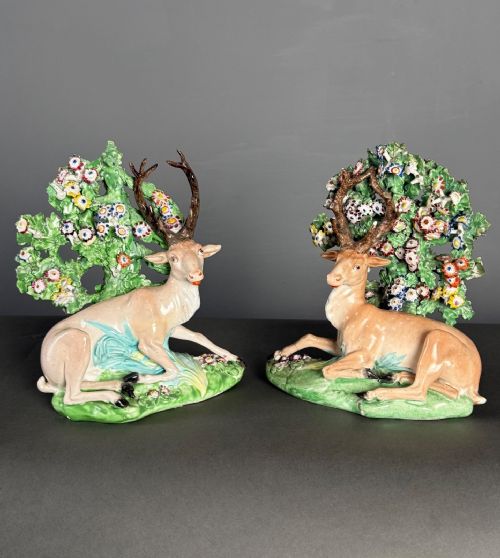
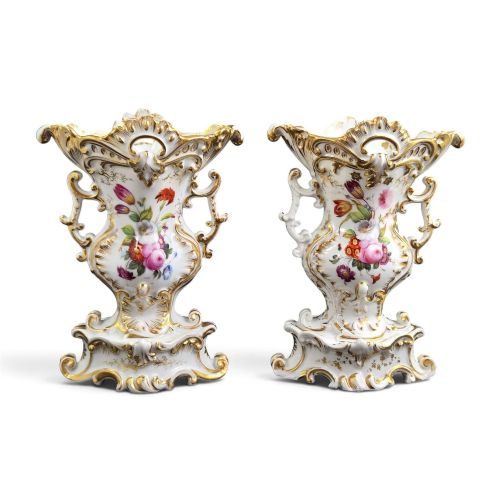
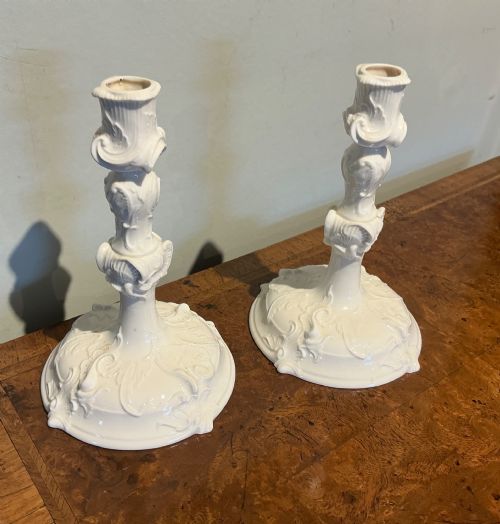
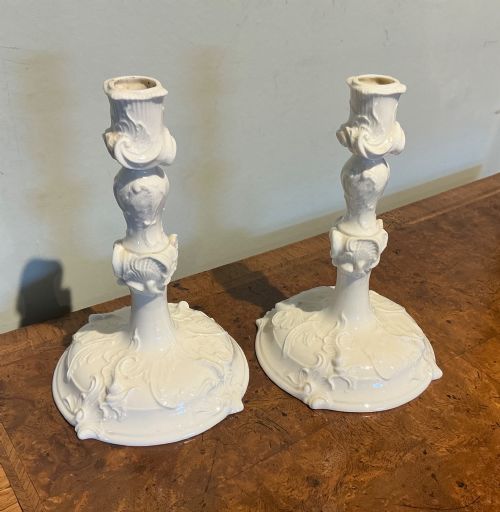
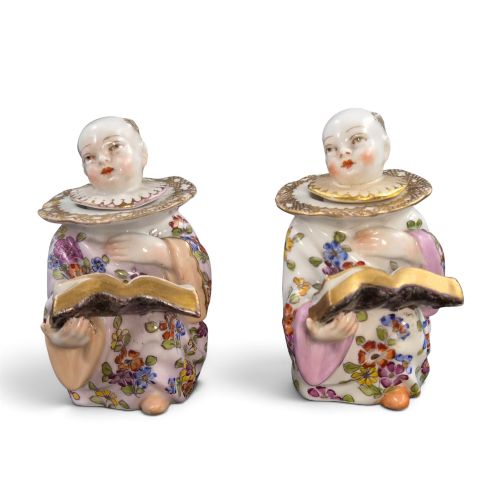
An antique porcelain pair comprises two matching ceramic objects designed to sit in symmetry upon a mantelpiece, sideboard or table. The selections found here range from English cabinet plates and French urns to Japanese Satsuma vases and German figures.
Buyers encounter forms spanning 18th-century Derby stags, 19th-century French jardinières, and 20th-century decorative jars. Domestic ceramic pairs often served utilitarian roles as candlesticks, inkwells or table lamps alongside purely decorative vases and parrots.
How they were made
Makers shaped kaolin-rich clay bodies by hand or in moulds before firing them at high temperatures to achieve vitrification. Bone china, felspar and earthenware variants appear alongside hard-paste porcelain.
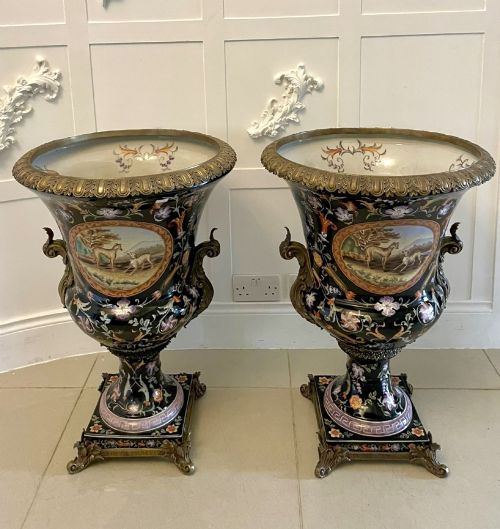
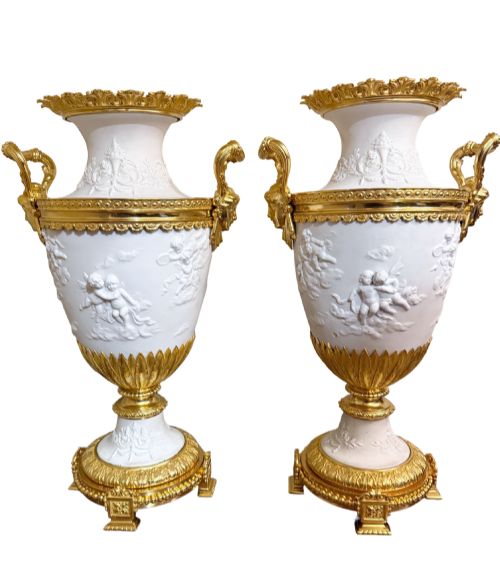
Decoration involved hand-painted enamels, iron-red pigments, and applied gold leaf or gilding, frequently combined with brass, gilt bronze and ormolu mounts.
Antique Porcelain Pair Retail Price Guide 2026
Typical asking prices for porcelain pair among the pieces listed under this phrase on Sellingantiques today, from the lower quarter to the upper quarter. They describe what is for sale here now, not the wider market.
What varies in quality
The standard of a pair rests upon the crispness of the modelled detail and the precision of the hand-painted enamel work. Superior examples exhibit fine brushwork on floral or figural motifs without blurring or pooling.
The quality of associated mounts, such as cast ormolu and brass bases, distinguishes standard production from elite factory output. Matched pairs sharing identical kiln history and wear patterns retain greater visual cohesion than assembled pairs.
Flight Barr And Barr·Royal Crown Derby·Karl Ens·Jacob Petit·Edme Samson·Locke And Co
The Antique Porcelain Pair Glossary
- Bisque
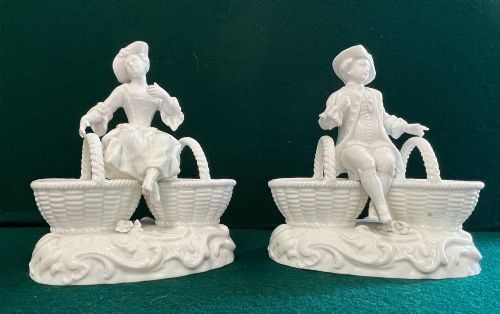
- Unglazed porcelain fired once to produce a matte, biscuit-like surface with a smooth texture. It is frequently utilised for figural groups and sculptural pairs.
- Imari
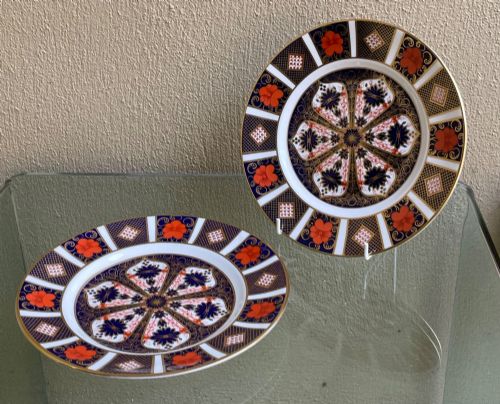
- A Japanese export style characterised by underglaze blue and iron-red highlights accented with gold. European factories subsequently copied these distinctive patterns.
- Ormolu
- Gilded bronze mounts applied to furniture, clocks and ceramic vessels. It provides decorative framing and structural support for French and English vases.
- Parian
- A fine white unglazed porcelain developed in the 19th century to imitate marble. It takes its name from the Greek island of Paros.
- Spittoon
- A low vessel for receiving expectoration, though forms in ceramic often serve alternative decorative functions. They appear occasionally in historical porcelain inventories.
Antique Porcelain Pair: Frequently Asked Questions
How do I care for antique porcelain pairs?
Clean surfaces gently with a soft, dry brush or a damp cloth without harsh detergents. Avoid submerging items that feature applied metal mounts or fragile enamel work.
Keep pieces away from direct sunlight to prevent the fading of hand-painted iron-reds and gilt highlights over time.
Are these ceramic pairs functional or decorative?
Many items began as utilitarian objects such as candlesticks, inkwells, table lamps, salt cellars and dessert plates. Over generations, numerous examples transitioned into purely decorative display pieces.
Functionality often depends on the specific form, with vases and jardinières retaining container uses while figurines remain strictly ornamental.
How can I tell if a pair is genuine?
Examine the glaze consistency, hand-painted brushstrokes and base marks for signs of period authenticity. Genuine older pieces display natural wear commensurate with age across both objects in the set.
Factory stamps, impressed numerals and decorator initials offer clues to origin, though unmarked continental and Asian pieces require stylistic comparison.
Why do some pairs have metal mounts?
Makers added brass, gilt bronze and ormolu mounts to enhance stability, conceal firing flaws or elevate the status of decorative vessels. French workshops frequently employed these mounts on vases, jars and lamps.
Mounts often reflect the aesthetic of the period, helping to date composite or altered objects.