




Antique Dresden Figurines
These antique dresden figurines bring the elaborate, ornate charm of European porcelain traditions into domestic spaces.
Antique Dresden Figurines
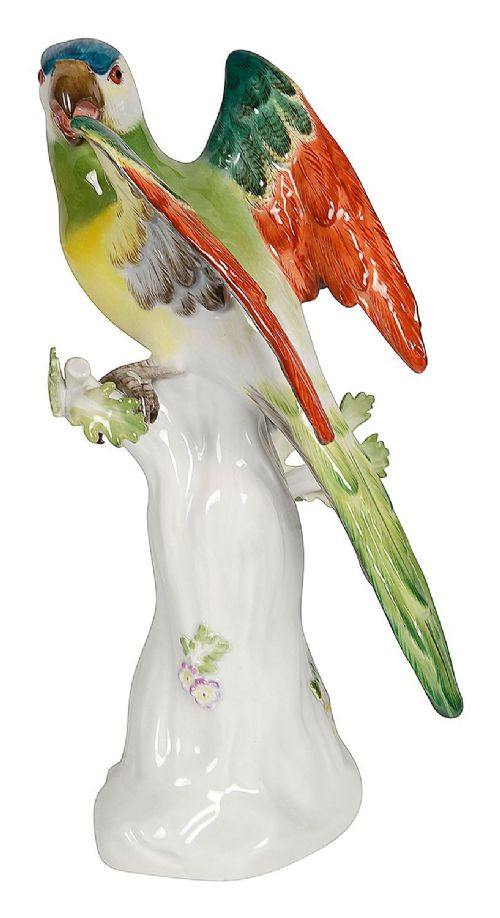
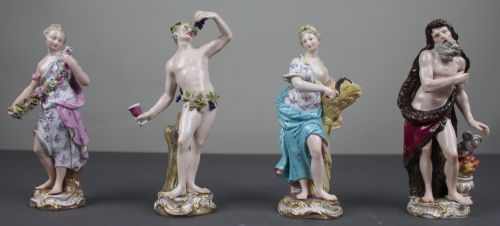
When a collector searches for antique dresden figurines, they encounter a range of German and continental European ceramic figures, groups, and figural candlesticks. The examples seen here span from the eighteenth century through to the early twentieth century, capturing pastoral scenes, allegorical figures like the Four Seasons, and courting couples.
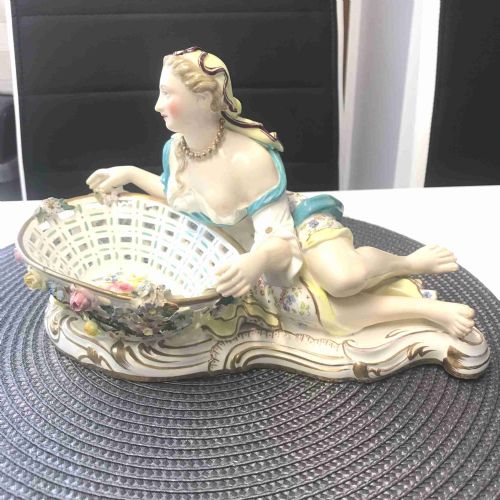
Many works reflect historical revivals, utilising styles such as Rococo Revival, Neoclassical, and Victorian aesthetics. These decorative objects take the form of sweetmeat dishes, candelabra, centrepieces, and standalone ceramic sculptures originating from notable German production centres.
The assortment includes pieces associated with major factories such as Meissen, Carl Thieme, Sitzendorf, and Helena Wolfsohn. Buyers find both individual figures and balanced pairs designed for mantelpieces and display cabinets.
How they were made
The pieces rely on hard-paste porcelain fired at high temperatures to achieve a dense, durable body suitable for intricate sculptural modelling. Artisans shaped the clay by hand or pressed it into moulds before applying detailed underglaze and overglaze enamel colours.
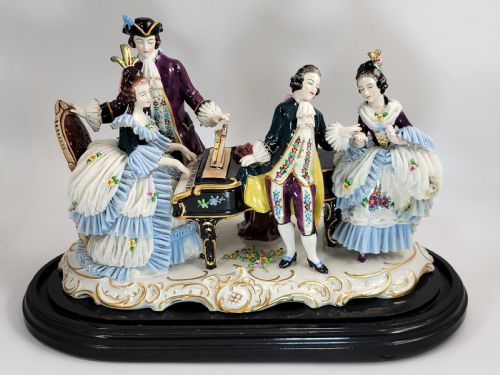
Gilding and gold leaf accents highlight raised Rococo scrollwork, garment edges, and architectural details. Specific examples incorporate delicate ceramic lace, created by dipping actual textile lace into slip before firing, burning away the fabric to leave porcelain threads.
Materials across these listings include porcelain, enamel, gold leaf, and wood.
What varies in quality
The application of enamel colours and the precision of the gilding dictate visual impact. Hand-painted details executed with depth and subtlety command greater appreciation than flat, mechanical washes of colour.
Meissen·Carl Thieme·Bourdois and Bloch Paris·Ernst Bohne Sohne·Volkstedt·Helena Wolfsohn·Sitzendorf
The Antique Dresden Figurines Glossary
- Hard-paste porcelain
- A durable ceramic composition fired at high temperatures using kaolin and petuntse. This material provides the strong base necessary for delicate, freestanding fingers and lace details.
- Enamel
- Vitreous pigments applied over the fired glaze to add colour to garments, hair, and natural elements. These paints are fixed by a secondary low-temperature firing.
- Gilding
- The application of gold leaf or powdered gold to surface details such as bases and scrolls. It accentuates the sculptural forms.
- Sweetmeat dish
- A small decorative vessel integrated into a figural group, originally intended for serving small confections. These combine utility with sculptural display.
- Pastoral figure
- A sculptural depiction of shepherds, shepherdesses, or rural life. These subjects reflect idealized rural themes popular in European art.
Antique Dresden Figurines: Frequently Asked Questions
How do I clean porcelain lace?
Use a soft, dry makeup brush or artist brush to gently sweep away dust from fragile areas. Avoid using water or liquid cleaners, as moisture can weaken brittle ceramic threads and damage old repairs.
Keep pieces away from direct sunlight and high-traffic areas where vibrations might cause accidental breakage. Handle them infrequently, supporting both the base and the main body when moving them.
Were these figures meant for dining tables?
Certain forms, such as sweetmeat dishes and figural centrepieces, were designed to decorate dining tables during formal dessert courses. They held sweet confections or fruit as part of elaborate tablescapes.
Other standalone figures and candlesticks served strictly as mantelpiece ornaments or salon decorations. Their placement depended on the specific domestic interior and the occasion.
How can I tell the period?
Examine the base for factory marks, handwritten numbers, and impressed stamps that correspond to specific production eras. Stylistic cues, such as the exaggeration of Rococo Revival curves, also point toward nineteenth-century manufacturing.
Inspect the quality of the hand-painting and the wear on the porcelain foot rim. Older pieces often show characteristic ageing consistent with display over generations.
Why are some figures marked Dresden?
The term often acts as a generic descriptor for nineteenth-century decorative porcelain produced in the region surrounding Dresden, Germany. Several independent decorating studios and factories operated in this area.
Works from specific makers like Carl Thieme or Helena Wolfsohn are frequently grouped under this broader geographic banner. The designation highlights a shared stylistic tradition rather than a single factory.