


Dresden Ceramic Ornaments
These dresden ceramic ornaments bring theatrical Rococo flair and intricate pastoral charm to a room, offering collectors delightful sculptural porcelain from European kilns.
Dresden Ceramic Ornaments
When you search for dresden ceramic ornaments, you encounter a selection of porcelain figurines, groups, and centrepieces predominantly originating from nineteenth-century German workshops. The pieces span eighteenth-century prototypes through to early twentieth-century interpretations, capturing historical styles such as Rococo Revival and Neoclassical design.
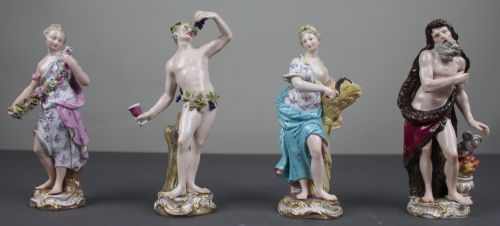
You are most likely to meet nineteenth-century figures and pairs depicting romantic couples, pastoral shepherds, children, and allegorical subjects in the manner of Meissen and Helena Wolfsohn. These works range from modest single figures to large, elaborate centrepieces and decorative vessels.
The objects reflect a rich tradition of European porcelain production, drawing heavily on eighteenth-century aesthetics while employing the manufacturing techniques of later periods. Buyers find both marked pieces from renowned German factories and unmarked continental examples created in established historical styles.
Assessing quality and execution
Quality in these ceramic figures rests primarily on the crispness of the modelling and the finesse of the hand-painting in the facial expressions and textiles. Superior examples display sharply defined fingers, intricate lace work, and carefully applied polychrome enamels without bleeding or dullness.
The integration of the composition also dictates the standing of a piece, separating mass-produced interpretations from masterworks with dynamic postures and balanced proportions. Finer works retain crisp details in the gilded accents and complex floral appliques that lesser pieces often lack.
Listings feature hard-paste porcelain figures from the eighteenth, nineteenth, and early twentieth centuries, executed in Rococo Revival and Neoclassical styles.
Meissen·Bloor Derby·Volkstedt·Helena Wolfsohn·Sitzendorf·Carl Thieme
The Dresden Ceramic Ornaments Glossary
- Hard-paste porcelain
- A vitrified ceramic composed of kaolin and petuntse, fired at high temperatures to create a strong, impermeable white body.
- Rococo Revival
- A nineteenth-century design movement resurrecting the ornate, asymmetrical curves, shell motifs, and playful pastoral themes of the eighteenth century.
- Centrepiece
- A large decorative ceramic vessel or figural group traditionally placed in the middle of a dining table or display surface.
- Enamel
- Opaque or translucent glassy substance fused to the porcelain surface through kiln firing to provide colour and detail.
- Gilt
- A thin layer of gold leaf or gold paint applied to the porcelain surface to accent decorative elements and borders.
Dresden Ceramic Ornaments: Frequently Asked Questions
What subjects do these figures depict?
The pieces frequently portray pastoral shepherds, romantic couples, children at play, and allegorical groups derived from eighteenth-century models. Many reflect theatrical scenes and classical motifs popular in European salons.
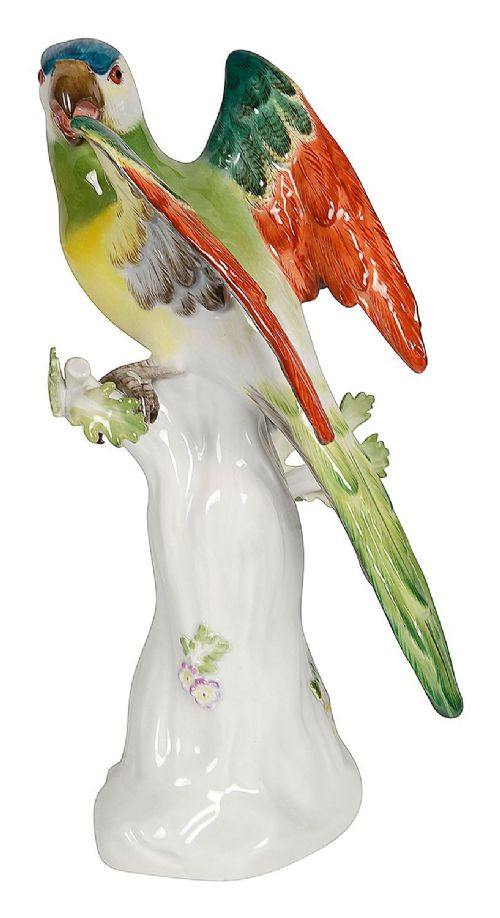
Makers also produced animal figures, such as parrots and elephants, alongside large centrepieces and vases adorned with cherubs and floral details.
How do I distinguish genuine period pieces?
Examine the underglaze factory marks, the crispness of the porcelain modelling, and the depth of the enamel painting. Eighteenth-century and nineteenth-century pieces exhibit hand-finished details and specific paste characteristics distinct from later reproductions.
Consulting historical pattern books and documented model numbers helps confirm the chronology of specific figural groups and pairs.
Where were these ceramics made?
The majority originate from German factories and studios, particularly in Saxony and Thuringia, where porcelain production flourished. Meissen, Volkstedt, and Dresden decorating workshops like that of Helena Wolfsohn produced many of the notable examples.
Some pieces also show English influences or were created in the style of Derby and Chelsea by continental manufacturers.
How should I care for porcelain figures?
Display the ornaments away from direct sunlight and areas subject to sudden temperature fluctuations to protect the enamel colours and delicate gilding. Dust the pieces gently with a soft, dry brush to prevent accumulation in the intricate folds and floral appliques.
Avoid using water or chemical cleaners on antique porcelain with hand-painted enamels and gold leaf to preserve the original surface.