


Antique Porcelain Leaf Dish
An antique porcelain leaf dish brings botanical form to the table, combining moulded veins and painted flora in porcelain, soft-paste porcelain and bone china.
Antique Porcelain Leaf Dish
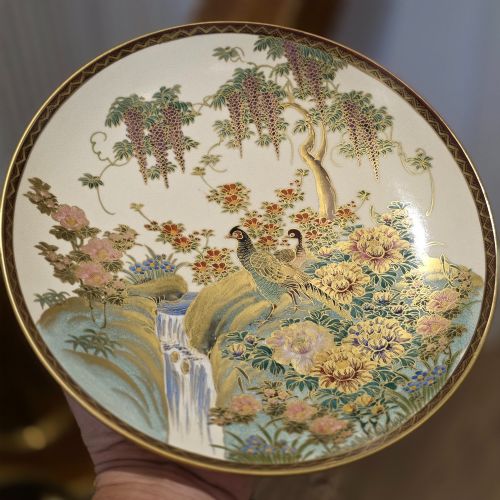
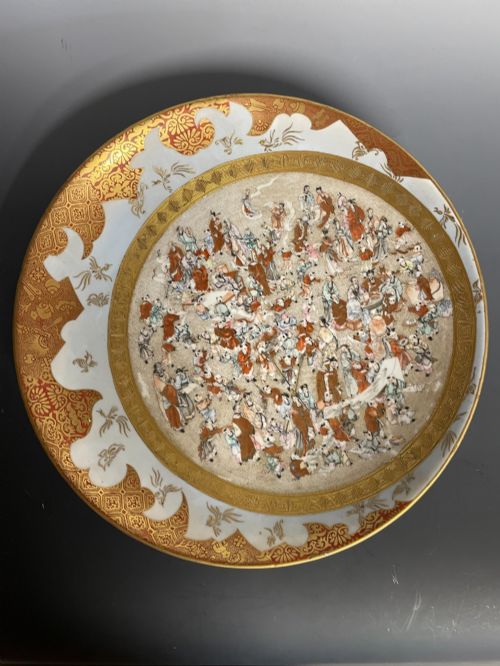
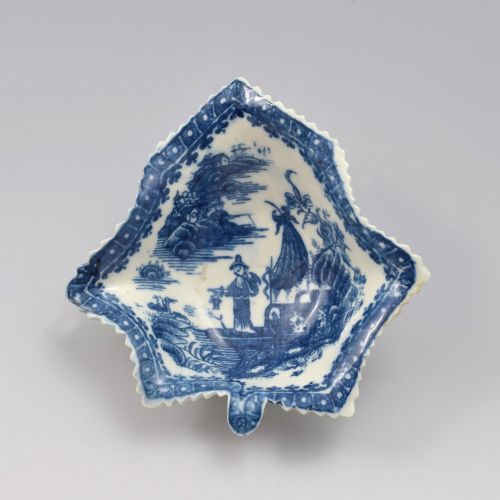
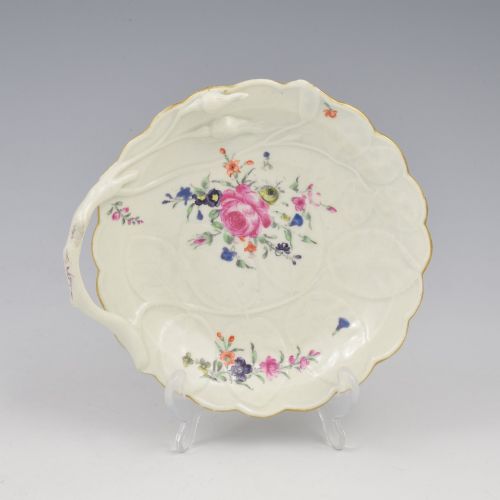
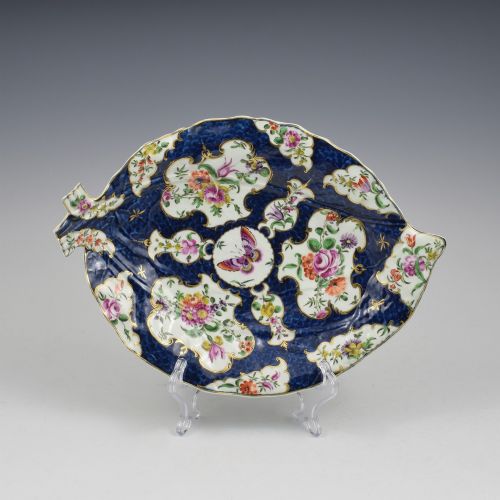
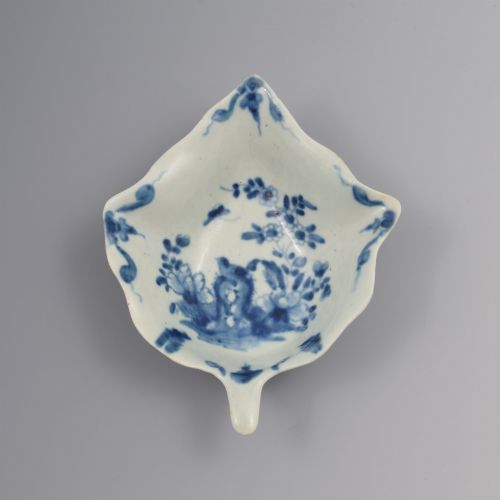
When you search for an antique porcelain leaf dish, you encounter eighteenth-century English pickle dishes and nineteenth-century cabinet plates modelled on natural foliage. Eighteenth-century pieces from Worcester and Caughley often take the shape of small pickle trays with moulded leaf veins, whilst later nineteenth-century examples span decorative plates and serving dishes.
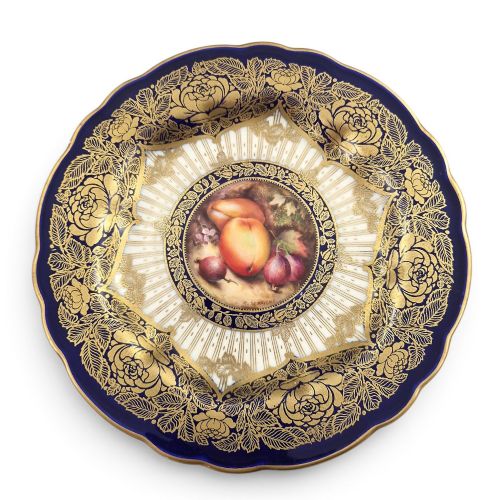
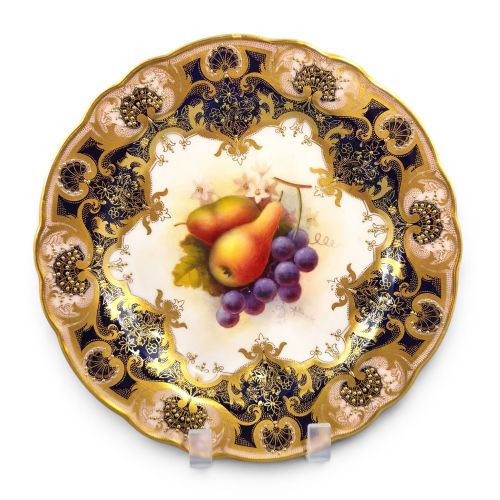
Makers shaped these items into cabbage leaves, vine leaves and floral trays using soft-paste porcelain, bone china and earthenware. Japanese Satsuma and Kutani pieces also appear among the selections, alongside Victorian Minton and Derby wares and twentieth-century Royal Worcester fruit plates.
Materials and Techniques
Potters shaped soft-paste porcelain and bone china into natural botanical moulds, capturing the crisp asymmetry of real foliage. Artisans applied enamel colours and gold leaf by hand, firing the pieces multiple times to set the polychrome decoration.
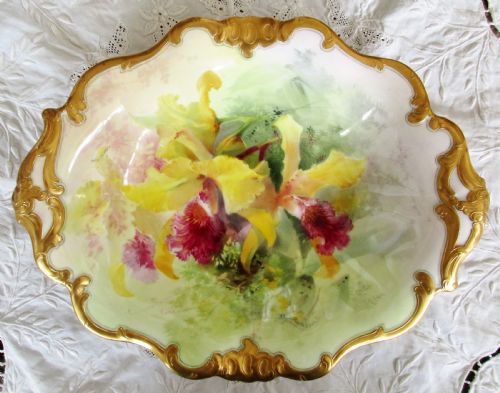
Gilding and enamel work define the surface enrichment, particularly on eighteenth-century Worcester and nineteenth-century Vienna or Royal Worcester items. Ironstone and earthenware provide heavier bodies for large dessert services and cabbage tureens.
Listings feature items from the eighteenth century through to the twentieth century, with materials including bone china, soft-paste porcelain, earthenware, and gold leaf.
Standards of Execution
Quality rests on the crispness of the moulding and the control of the hand-painted enamel decoration. Finer pieces display delicate brushwork in subjects such as birds, butterflies or botanical studies, while simpler items rely solely on moulded texture.
The precision of the gilding and the purity of the porcelain body distinguish standard production from exceptional factory output. Early soft-paste pieces show the characteristic glaze pooling and translucency associated with eighteenth-century English kilns.
Caughley·Royal Worcester·Minton
The Antique Porcelain Leaf Dish Glossary
- Pickle dish
- A small, shallow vessel shaped for serving relishes or pickles at the dining table. These often take naturalistic leaf forms in eighteenth-century porcelain.
- Soft-paste porcelain
- A vitreous composition fired at lower temperatures than hard paste, popular in eighteenth-century English factories like Worcester. It produces a warm creamy body and a distinctive glaze texture.
- Enamel
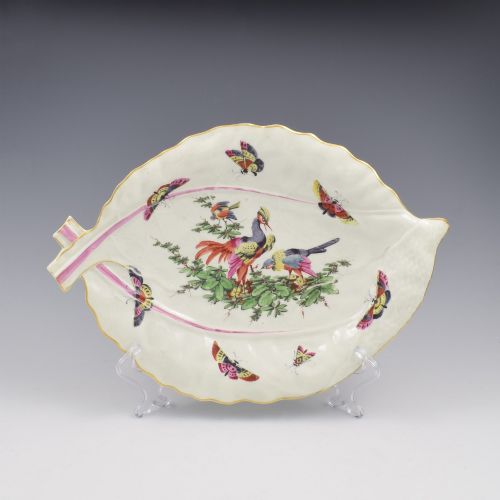
- Opaque coloured glass fused to the porcelain surface through kiln firing. It provides the vivid palette found on bird and butterfly painted dishes.
- Cabinet plate
- A decorative display piece intended for viewing rather than dining use. These often feature detailed hand-painted scenes and heavy gilding.
- Gilt
- A thin application of gold leaf or gold powder applied to the surface for decoration. It highlights rims, handles, and moulded leaf veins.
Antique Porcelain Leaf Dish: Frequently Asked Questions
How were these leaf dishes used originally?
Small leaf-shaped vessels served condiments, pickles or sweetmeats at the dining table during the eighteenth and nineteenth centuries. Larger examples functioned as dessert plates or serving trays for fruit and confectionary.
Over time, many of these delicate items transitioned from dining service to decorative display inside cabinets, particularly as painting standards rose in the Victorian and Edwardian periods.
How do I distinguish eighteenth-century pieces?
Early pieces from factories like Worcester or Caughley utilise soft-paste porcelain bodies that show translucency variations under strong light. They frequently feature underglaze blue painting or polychrome enamel birds and insects.
Moulding on these early items closely mimics actual leaves, complete with stalk handles and raised vein systems on the underside.
How should I display a porcelain leaf dish?
Mount plates securely on specialist wall hangers or display them upright on stable dresser shelves using plate stands. Keep them away from direct sunlight to protect enamel colours and gilt highlights from fading.
Because eighteenth-century and nineteenth-century porcelain is delicate, position them where they will not be bumped by passing foot traffic.
What is the difference between porcelain and bone china?
Porcelain contains kaolin and petuntse, yielding a hard, white, translucent ceramic body fired at high temperatures. Soft-paste porcelain uses glass frit and white clay mixtures common in eighteenth-century English factories.
Bone china incorporates calcined bone ash into the mixture, creating a stronger, whiter, and highly durable body that became standard for nineteenth-century English tableware.