
Antique Porcelain Dessert Dish
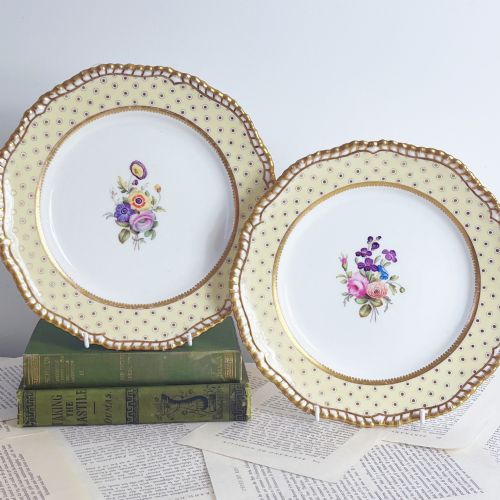
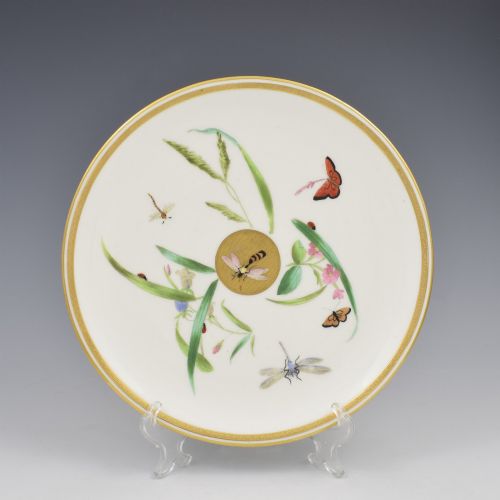
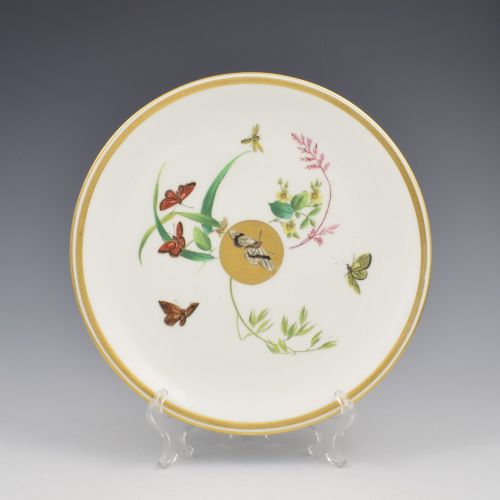
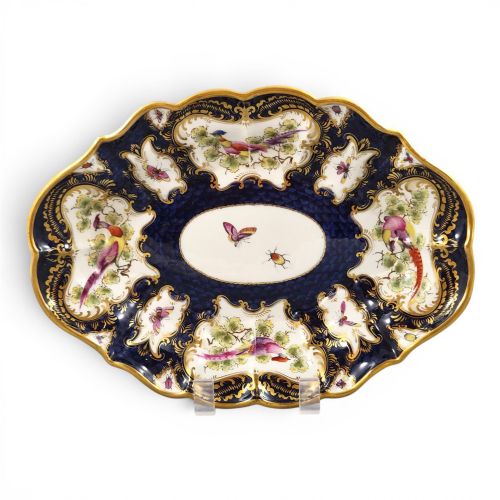
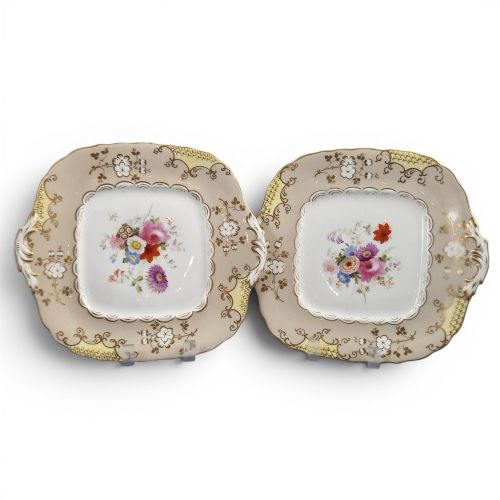
An antique porcelain dessert dish brings the refined hand-painted botanical studies and gilt borders of eighteenth and nineteenth-century dining tables directly into modern rooms.
Antique Porcelain Dessert Dish
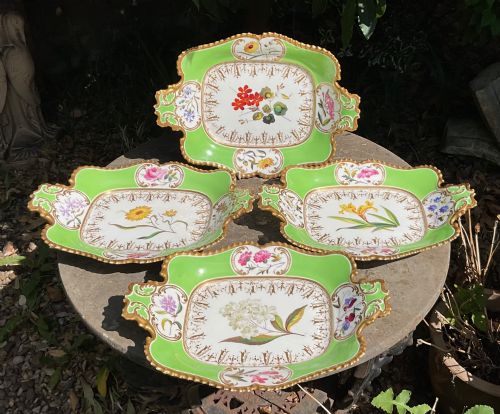
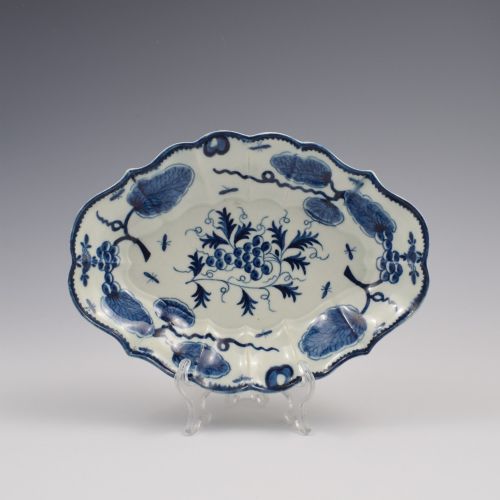
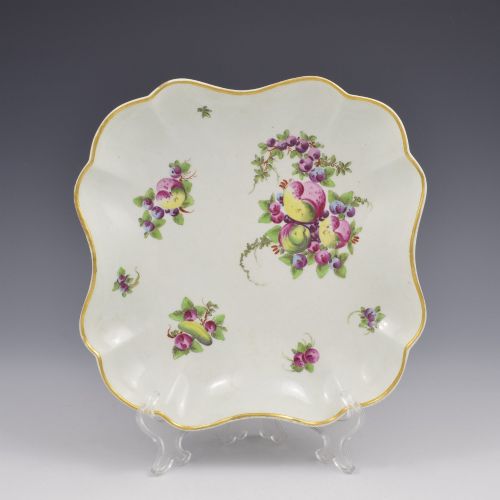
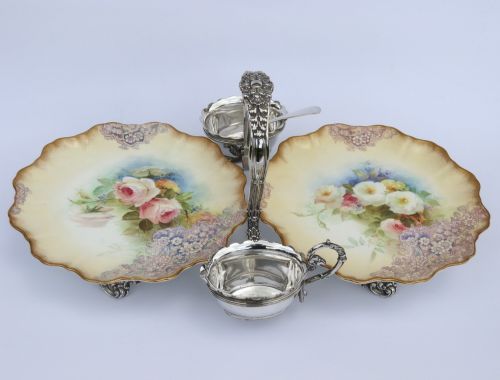
When searching for an antique porcelain dessert dish, collectors encounter specialised plates, serving dishes, and shell-shaped sweetmeat stands designed specifically for the final course of grand meals. The pieces listed across this page span from eighteenth-century soft-paste creations through Regency armorial services to Victorian and Edwardian iterations.
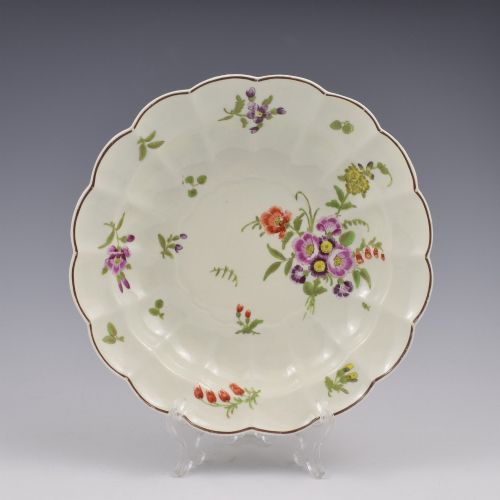
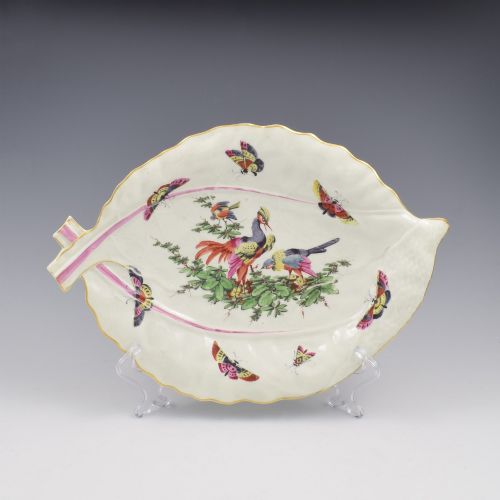
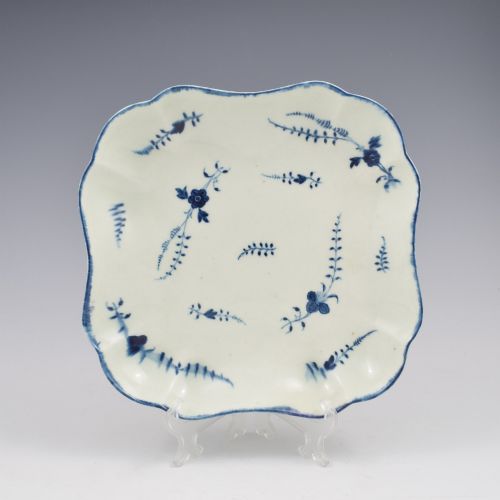
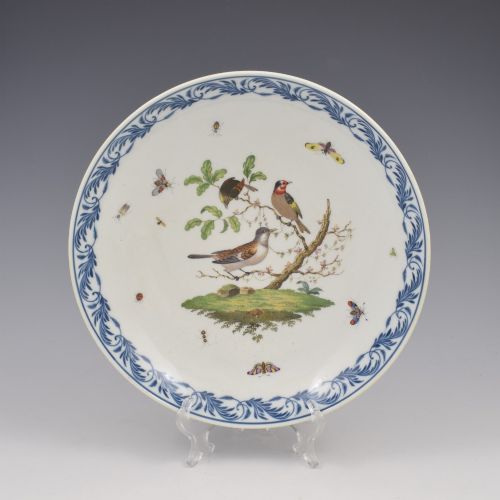
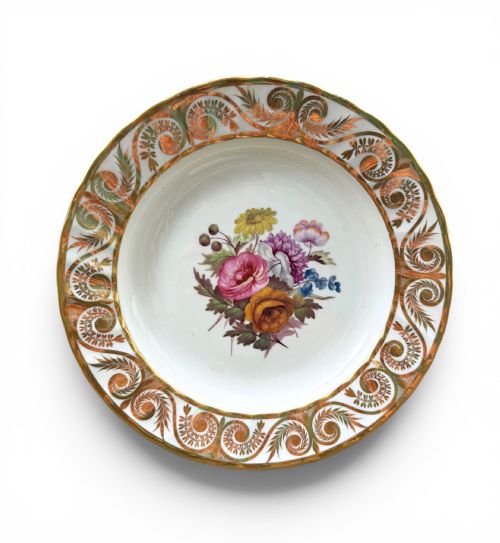
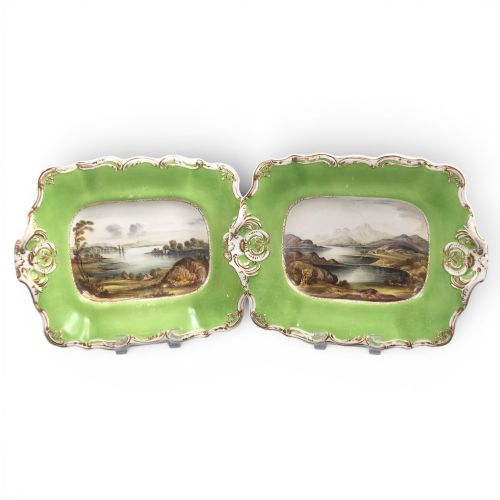
Most items meeting this search are individual cabinet plates, pairs, or matched serving vessels originating from prominent English potteries like Worcester, Derby, and Minton. Forms vary from lobed leaf dishes and basketweave shapes to deep botanical plates hand-painted with fruit, flowers, and topographical views.
How they were made
The material body shifts from early soft-paste porcelain and bone china to durable nineteenth-century compositions, finished with smooth glaze and hand-applied enamel decoration. Potters shaped these wares into lobed, fluted, or shell-moulded forms before passing them to artists for detailed botanical and ornithological painting.
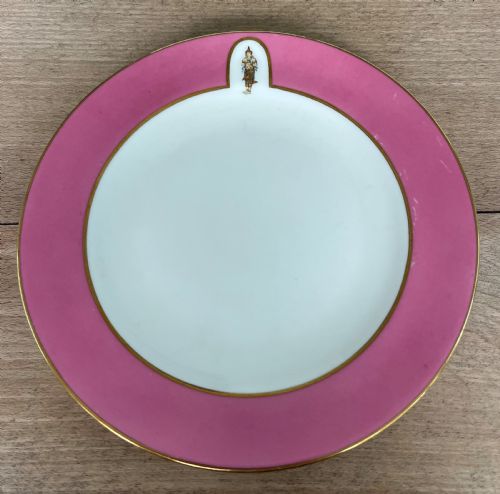
Gilding plays a major role across these surfaces, utilising gold leaf and heavy gilding to highlight rims, borders, and patterned compartments in styles ranging from Rococo Revival to Aesthetic Japanese designs.
Materials documented across the inventory include bone china, soft-paste porcelain, enamel, gold leaf, and traditional glaze.
What varies in quality
Quality rests primarily on the skill of the hand-painted decoration and the crispness of the porcelain moulding, separating standard factory output from pieces painted by named artists. Armorial crests, detailed bird studies, and topographical landscapes executed with precision elevate certain plates well above simple floral transfers.
The integrity of the glaze and the richness of the gold leaf application also dictate the standing of a piece within its period, alongside the historical importance of the pottery or workshop responsible.
Spode·Meissen·Chamberlains Worcester·Derby·Minton·Royal Worcester·Coalport·Copeland and Garrett·Cauldon Ltd·Doulton Burslem·Bloor Derby·John Ridgway·Rockingham Pottery·Flight Barr and Barr·Chelsea Derby·Davenport
The Antique Porcelain Dessert Dish Glossary
- Soft-paste porcelain
- An early ceramic composition fired at lower temperatures than hard-paste, resulting in a warm glaze texture often seen on eighteenth-century pieces.
- Armorial
- Bearing a heraldic coat of arms, frequently commissioned by landed families for Regency and Georgian dining services.
- Sweetmeat stand
- A specialised low vessel or dish created to hold small confectioneries, nuts, or preserved fruits during dessert courses.
- Gilding
- The application of gold leaf or gold paint to ceramic surfaces, used extensively to accentuate borders and moulded details.
- Bone china
- A strong, translucent ceramic body incorporating bone ash, widely utilised by English factories during the nineteenth century.
Antique Porcelain Dessert Dish: Frequently Asked Questions
How were dessert dishes used historically?
These dishes formed part of grand multi-course dining services, specifically designated for serving fruit, sweetmeats, and confectioneries at the conclusion of the meal.
Guests would select delicacies from these plates as they were passed around the table or displayed upon the dining surface.
How do I identify eighteenth-century Worcester?
Early Worcester pieces often feature soft-paste bodies with characteristic glaze pooling, hand-painted blue scale grounds, or delicate botanical sprigs.
Many examples carry period crescent marks or square fret marks on the underside to indicate their origin.
What is an armorial dessert plate?
An armorial plate is custom-painted with the specific heraldic crest or coat of arms belonging to the commissioning family.
These bespoke Regency and Georgian pieces were produced to display lineage and wealth during formal dining events.