


Hand Painted Rose Dish
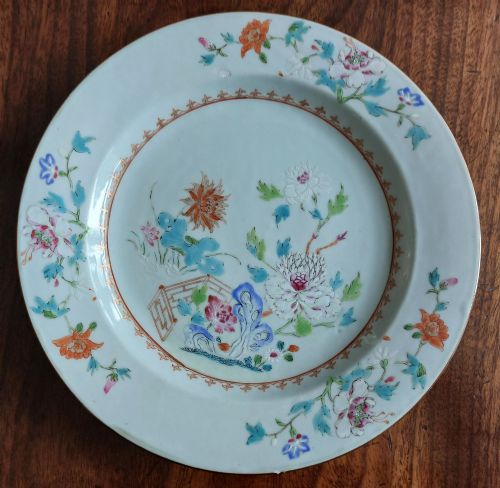
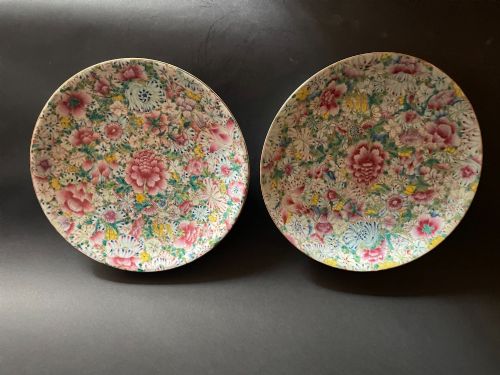
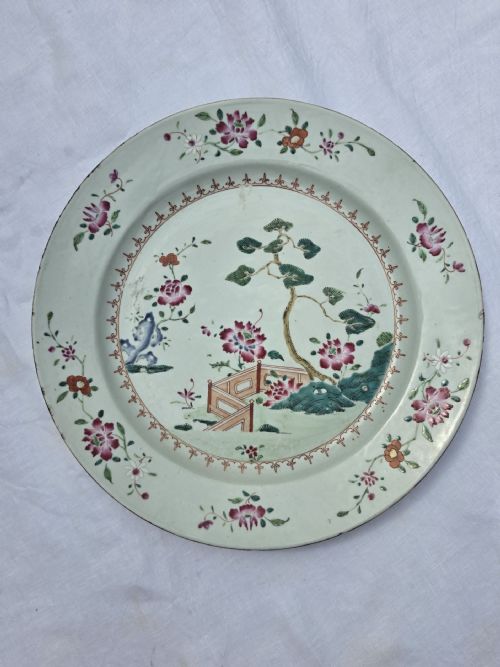
A hand painted rose dish brings floral porcelain to the table, combining delicate brushwork with historic ceramic forms.
Hand Painted Rose Dish
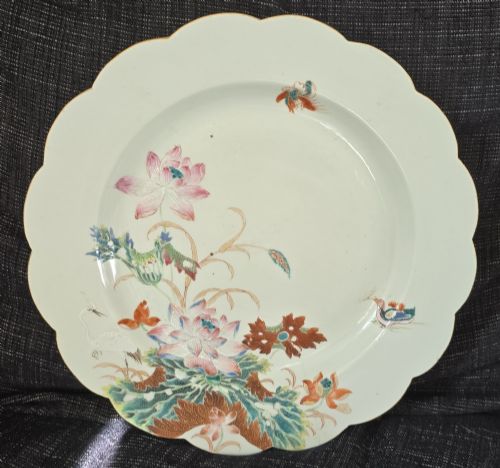
When you search for a hand painted rose dish, you encounter a range of serving vessels, plates, and chargers decorated with floral motifs. These pieces span centuries of production, appearing in porcelain styles from Georgian England to Qing Dynasty China.
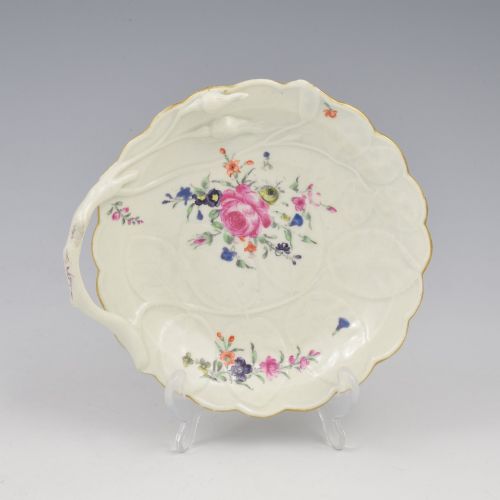
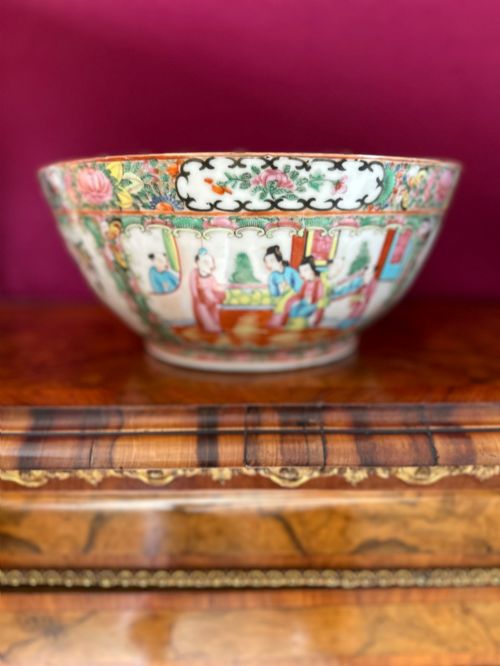
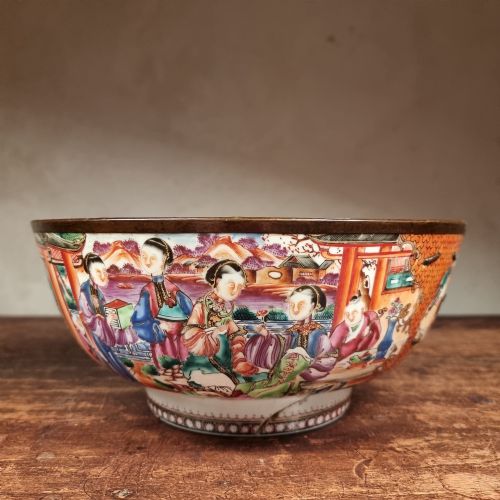
The Chinese export tradition supplies many examples on this page, particularly through Canton and Famille Rose wares featuring intricate enamel work. English factories such as Worcester and Derby also contribute botanical and armorial dessert plates to the selection.
Forms vary from standard circular plates to lobbed rectangular bowls, pedestal dishes, and sweetmeat trays. Most examples date from the eighteenth and nineteenth centuries, alongside pieces from the early twentieth century.
Materials and technique
Makers utilised soft-paste and hard-paste porcelain as the primary canvas for these decorated vessels. Potters shaped the clay on a wheel or pressed it into moulds to create bowls, dishes, and chargers before initial firing.
Artists applied overglaze enamel colours by hand to build up the floral and pictorial scenes. Guilding, gold leaf, and gilt details frequently highlight the rim and borders of the porcelain.
Shamrock-shaped Canton dishes prove that nineteenth-century export potters were happy to bend traditional geometry for an Irish export market.
Judgement of quality
The refinement of the hand painting distinguishes the finer pieces from standard production. Precision in the brushwork, particularly within complex bird and floral scenes or armorial crests, shows the skill of the artist.
The clarity of the porcelain paste and the richness of the enamel palette dictate the visual impact of the dish. Superior examples maintain crisp detail in the gilt highlights and well-defined forms without distortion from the kiln.
Bloor Derby·Royal Worcester·Royal Crown Derby·Wedgewood
The Hand Painted Rose Dish Glossary
- Famille Rose
- A major palette of Chinese ceramic glazes introduced in the Qing Dynasty, distinguished by opaque pink or rose enamels. It allowed for greater shading and tonal gradation than earlier green-dominant palettes.
- Canton
- A style of Chinese export porcelain decorated in port cities with vibrant panel scenes of figures, birds, and flowers. The borders typically incorporate dense botanical motifs in bright enamels.
- Hard-paste porcelain
- A true ceramic composition of kaolin and petuntse fired at high temperatures to create a dense, vitrified body. It resists scratching and holds sharp glaze details effectively.
- Sweetmeat dish
- A small compartmented or shaped vessel designed for serving confections, nuts, or sweet preserves. These items often feature specialised moulding such as blind earl patterns or trefoil layouts.
- Armorial
- A ceramic design incorporating a family coat of arms or crest commissioned by the original buyer. These bespoke pieces were frequently ordered through Chinese export trade routes.
Hand Painted Rose Dish: Frequently Asked Questions
How do I date an antique porcelain dish?
Dating relies on identifying factory marks, ceramic bodies, and painting styles recorded in the inventory. Eighteenth-century pieces often show softer paste variations, while nineteenth-century items utilise distinct enamel palettes.
Comparing the form and decorative motifs to documented export or domestic periods provides further chronological context. Certain shapes, such as lobbed rectangular bowls or pedestal dishes, align closely with specific production decades.
What is Famille Rose porcelain?
Famille Rose refers to Chinese porcelain decorated with a dominant opaque pink enamel introduced during the Qing Dynasty. This palette allowed artisans to paint subtle tonal gradations on floral and bird compositions.
These pieces were largely produced for export to Western markets during the eighteenth and nineteenth centuries. The style frequently combines rose blooms with gilt highlights and complex border patterns.
How were these dishes used originally?
Dishes and chargers served both functional and decorative roles in historic dining rooms. Dessert plates and sweetmeat dishes held fruit, confections, or small courses at the conclusion of a formal meal.
Larger bowls and chargers were often displayed on sideboards or used for presenting central dishes. Armorial plates added personal status and lineage to elite dining tables.
Can I use these antique dishes for food?
Displaying and light occasional use remain the standard approach for antique overglaze decorated porcelain. Historic enamels can wear down when exposed to modern detergents and frequent mechanical washing.
Gentle hand washing in lukewarm water preserves the fragile hand-painted details and gilt surfaces. Evaluating the existing wear on the glaze helps determine whether a piece is suited for occasional dining.