



Polychrome Enamel Porcelain Dish
These pieces of polychrome enamel porcelain dish combine vibrant coloured pigments with refined ceramic forms from diverse historical periods.
Polychrome Enamel Porcelain Dish
A polychrome enamel porcelain dish brings together centuries of ceramic tradition from Chinese and Japanese kilns alongside European factories. When searching for a polychrome enamel porcelain dish, a buyer commonly encounters items spanning the eighteenth and nineteenth centuries, including Qing Dynasty exports and Meiji period wares.
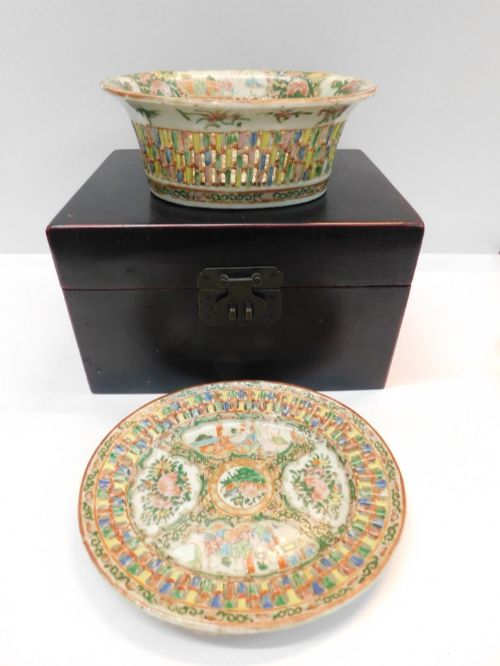
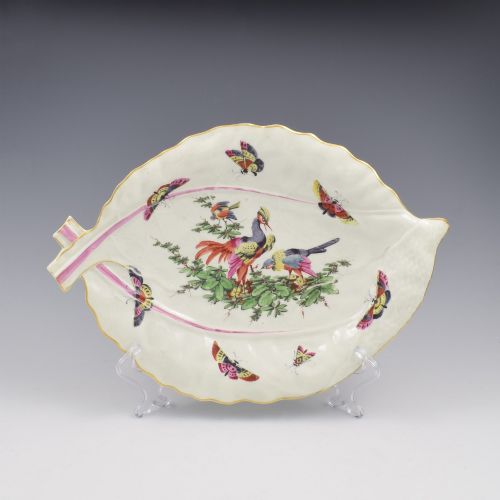
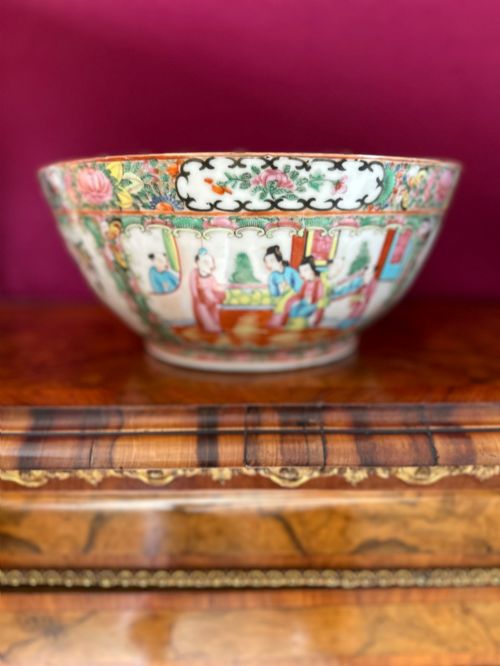
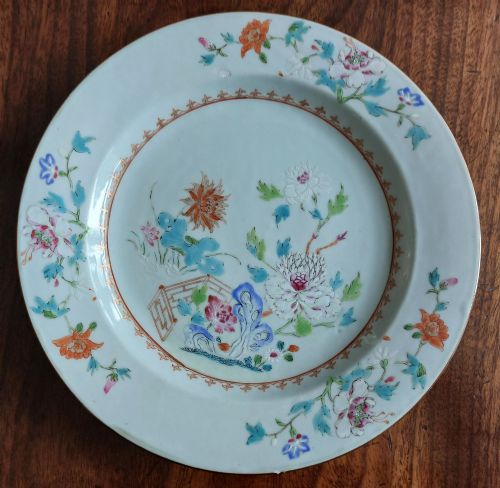
The selections on this page range from shallow bowls and decorative plates to chargers and reticulated chestnut baskets. Chinese Canton and Famille Rose pieces sit alongside Japanese Satsuma and Kutani items, reflecting global trade and aesthetic exchanges across generations.
Materials and construction
Makers utilised hard-paste porcelain and earthenware as foundations, applying overglaze enamel colours by hand to achieve rich decorative surfaces. Artisans incorporated gold leaf, gilt, and gilding to accentuate specific motifs within floral, bird, and figural scenes.
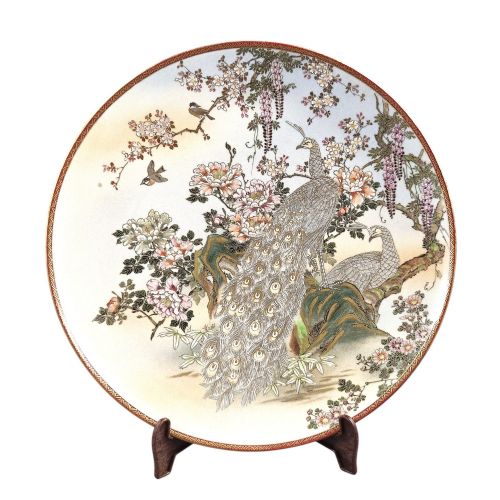
Techniques varied between regions, from the delicate painted details of eighteenth-century Chinese export wares to the heavier moriage relief work seen on Japanese Satsuma pieces. Kiln firing fixed the underglaze bodies before detailed enamel painting and subsequent low-temperature firing set the vibrant surface palette.
Certain dishes feature shamrock shapes and armorial crests tailored specifically for European dining tables.
Distinctions in quality
Quality in these ceramics rests upon the precision of the hand-painted brushwork and the clarity of the enamel colours. Superior examples display controlled linework in complex floral or figural compositions, whereas simpler pieces show broader, less refined application.
The integration of gilding and the crispness of moulded forms, such as lobbed rims or reticulated galleries, further separate standard production from finer workshop output. Maker signatures and reign marks also influence how a piece is regarded within its specific tradition.
Famous Meizan mark·Signed Shozo
The Polychrome Enamel Porcelain Dish Glossary
- Famille Rose
- A palette of opaque enamel colours dominated by pink or rose hues, introduced in Chinese porcelain during the eighteenth century.
- Kutani
- Japanese porcelain and pottery characterised by bold colour schemes, frequently featuring reds and greens with heavy gold detailing.
- Satsuma
- A type of Japanese earthenware featuring a crackled ivory glaze decorated with intricate polychrome enamel and gilt designs.
- Overglaze enamel
- Coloured glass decoration applied to a previously fired and glazed ceramic surface, then fixed in a muffle kiln at a lower temperature.
- Reticulated
- Pierced or openwork ceramic construction, often seen in baskets and decorative stands to create an intricate lattice effect.
Polychrome Enamel Porcelain Dish: Frequently Asked Questions
How do I care for antique enamel dishes?
Wash these ceramic pieces gently by hand using lukewarm water and mild soap, avoiding abrasive sponges or harsh detergents that might harm the enamel or gilding.
Store them securely on flat surfaces away from direct sunlight to preserve the stability of the porcelain and the vibrancy of the painted pigments.
Were these dishes used for dining or display?
Many larger chargers, decorated bowls, and armorial plates served primarily for formal presentation and decorative display within wealthy households during the eighteenth and nineteenth centuries.
Smaller saucers, tea bowls, and shallow dishes were integrated into daily dining and social rituals, particularly within tea service traditions in both Europe and Asia.
How do I distinguish Chinese and Japanese styles?
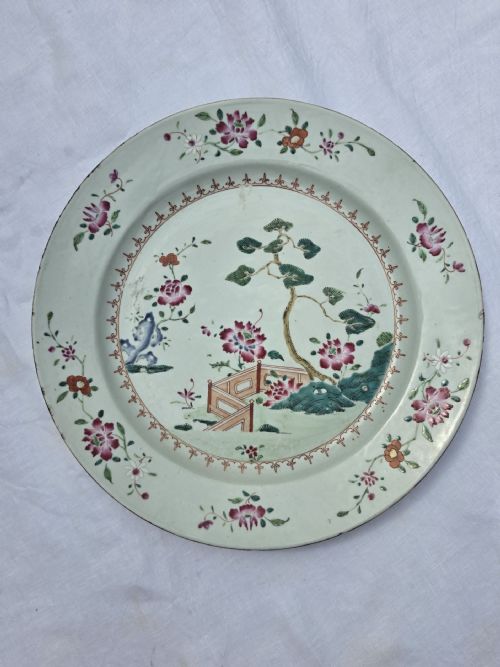
Chinese pieces from the Qing period frequently employ Famille Rose or Famille Verte palettes with balanced botanical and auspicious motifs, alongside characteristic export shapes like lobbed bowls and armorial plates.
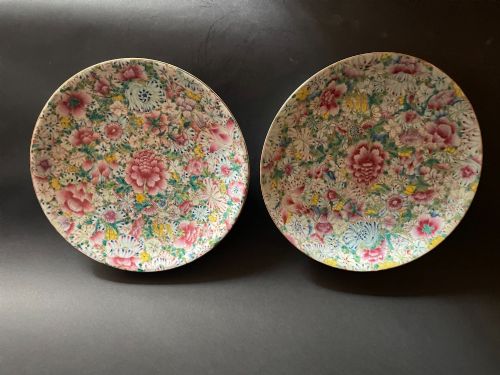
Japanese Satsuma and Kutani items often display dense floral fields, thousand-flower patterns, or figural scenes executed on crackled earthenware or distinctive porcelain bodies.
What does a reign mark indicate?
Imperial and dynastic marks stamped or painted on the base identify the era or emperor's reign associated with the stylistic design of the ceramic piece.
Collectors examine these marks alongside manufacturing characteristics to understand the period of production and the workshop tradition from which the item originates.