


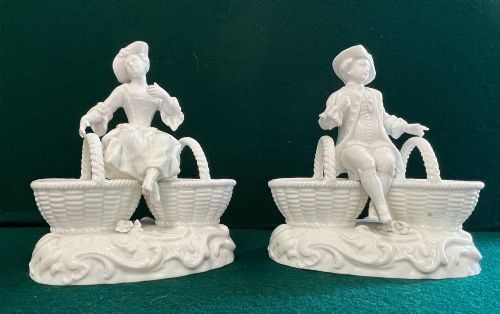

Antique Porcelain Dishes
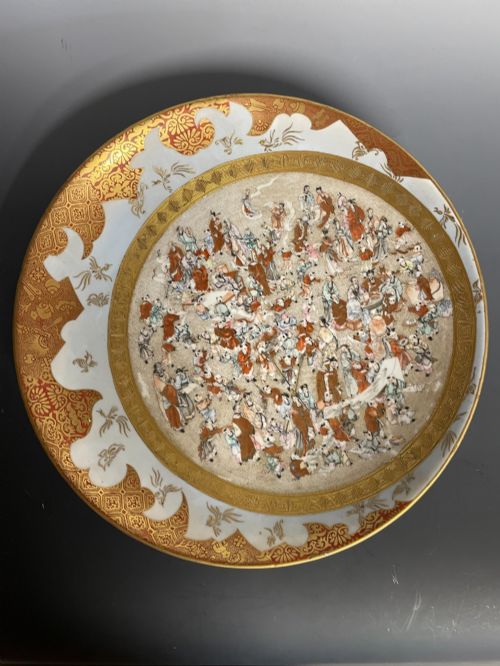
These antique porcelain dishes bring centuries of handpainted artistry and domestic utility to a table, offering collectors everything from eighteenth-century English soft-paste services to vibrant nineteenth-century Japanese imari chargers.
Antique Porcelain Dishes
When a buyer searches for antique porcelain dishes, they encounter a broad sweep of utilitarian and decorative tablewares spanning the eighteenth and nineteenth centuries. These items include cabinet plates, dessert plates, leaf-shaped pickle dishes, and large chargers designed for both display and formal dining.
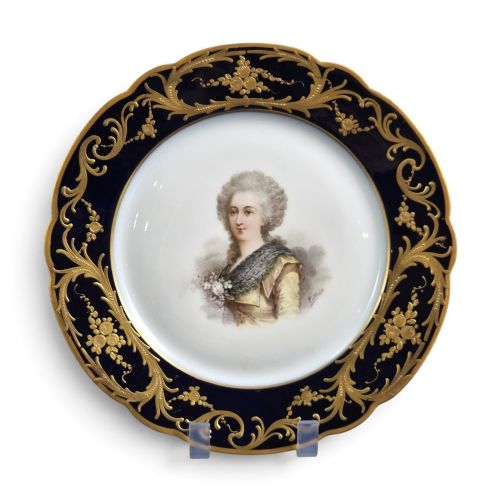
English factories such as Worcester, Derby, and Coalport dominate the domestic offerings alongside continental European works from Meissen and Sèvres. Asian export wares, particularly Qing dynasty Chinese porcelain and Japanese imari pieces, sit alongside these European items to form the core of the available selection.
How they were made
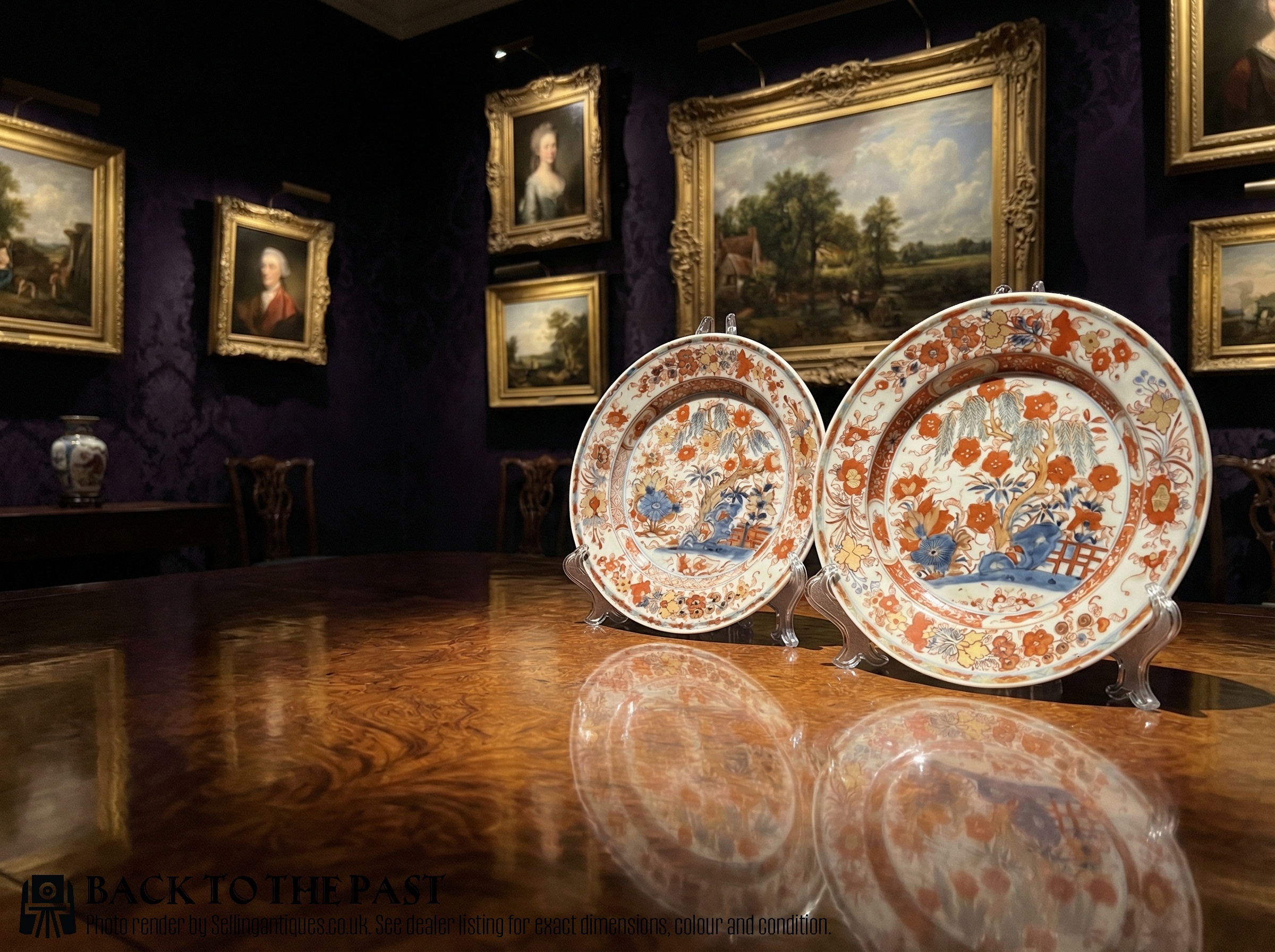
Potters utilised hard-paste and soft-paste porcelain, incorporating bone china formulations during the nineteenth century to achieve greater durability and whiteness. Glazes were applied over painted decoration or applied directly to biscuit porcelain before subsequent firings.
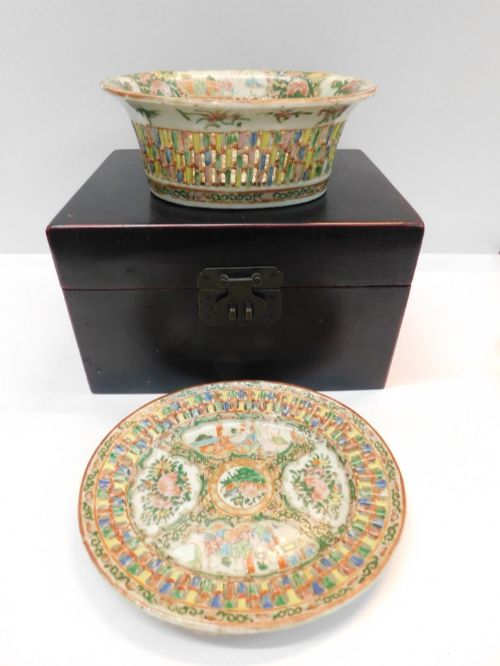
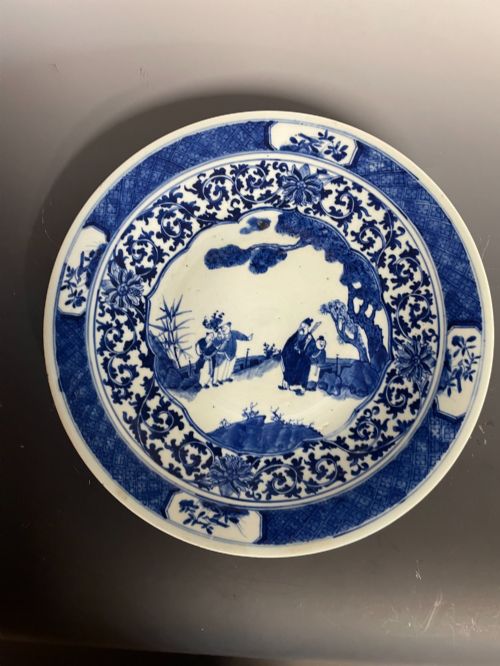
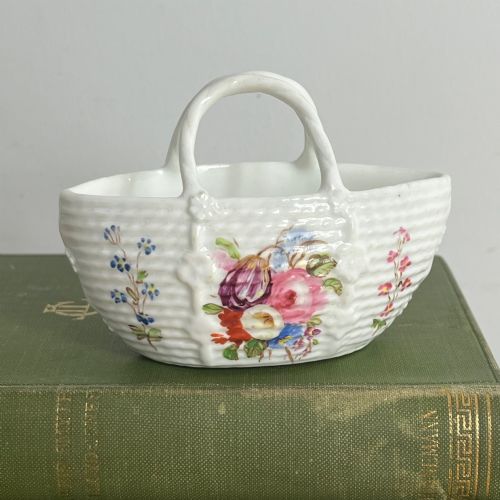
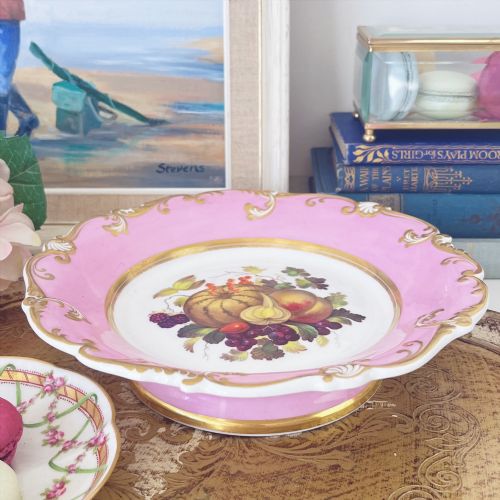
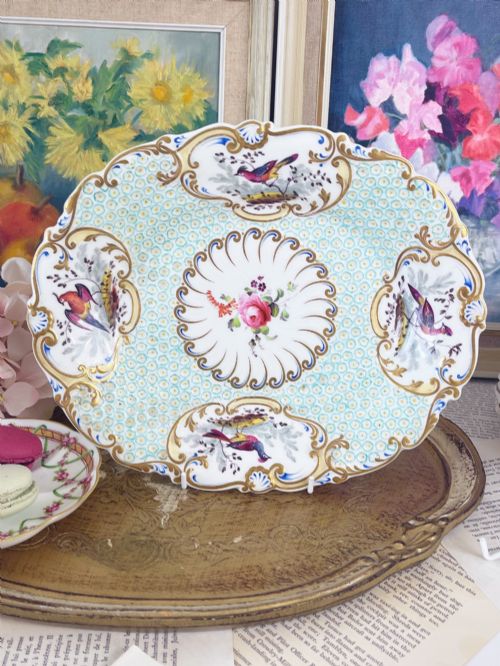
Decoration relied on handpainted polychrome enamels, underglaze cobalt blue, and applied gold leaf or gilding. Many forms also incorporated moulded reliefs, reticulated pierced borders, or ormolu mounts to elevate the finished serving dish.
Listings span the eighteenth, nineteenth, and early twentieth centuries, incorporating both domestic English bone china and imported Asian porcelain.
What varies in quality
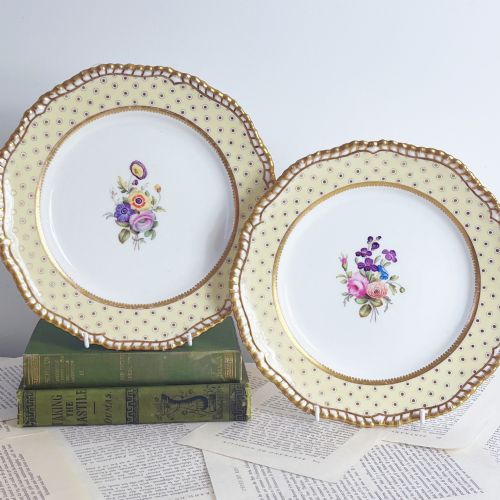
The refinement of the painted work dictates the standing of individual pieces, separating standard transfer-printed or simple floral items from finely executed handpainted ornithological or botanical studies. Superior examples display precise brushwork, controlled gilding, and balanced polychrome palettes.
Form and potting thickness also separate ordinary items from exceptional pieces, with delicate moulded reliefs, pierced reticulation, and well-balanced proportions marking out the better workshops.
Flight Barr And Barr·H And R Daniel·Royal Crown Derby·Royal Worcester·Doulton Burslem
The Antique Porcelain Dishes Glossary
- Soft-paste porcelain
- An artificial porcelain composition made from white-firing clay mixed with ground glass and other materials, fired at lower temperatures than hard-paste porcelain.
- Imari
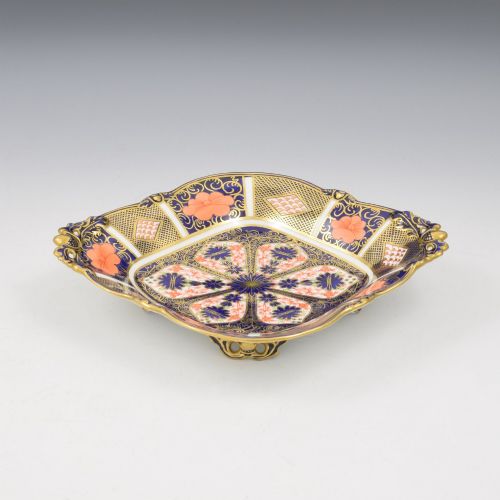
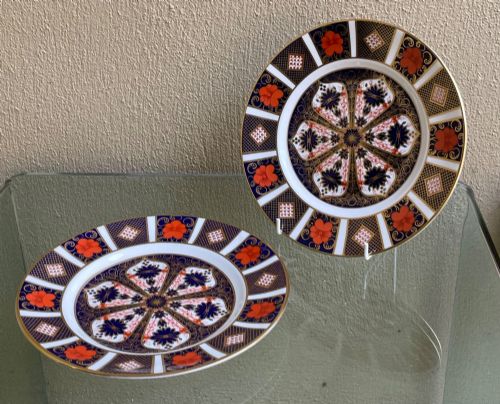
- A style of Japanese porcelain decorated in underglaze blue, iron red, and gold, widely exported to Europe and subsequently copied by Western factories.
- Charger
- A large decorative plate or dish used primarily for ceremonial service or display on a sideboard rather than individual dining.
- Reticulation
- An openwork pierced pattern forming a lattice or net design along the border of a plate or basket.
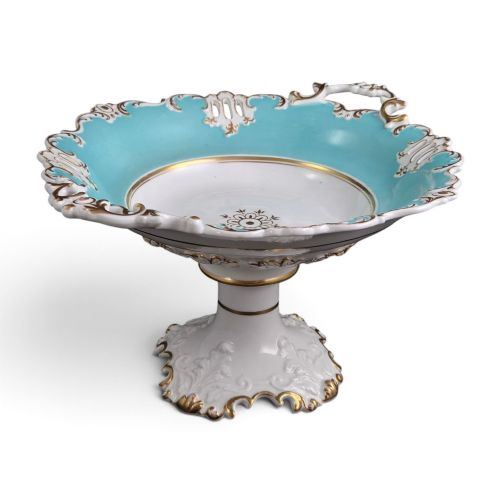
- Tazza
- A shallow ornamental cup or plate mounted upon a stem and foot, used for serving fruit or sweets at dessert.
Antique Porcelain Dishes: Frequently Asked Questions
How do I identify eighteenth-century porcelain dishes?
Examine the paste and glaze closely under a strong glass to check for the subtle imperfections typical of early firing techniques. Eighteenth-century pieces often feature hand-mixed soft-paste bodies and handpainted underglaze blue or polychrome enamels.
Look underneath for period factory marks, though many early items relied on painter's numerals or painter's marks rather than clear factory stamps. The weight and translucency of the paste also provide strong clues to the period.
What is the difference between imari and famille rose?
Imari porcelain relies on a distinct palette of underglaze cobalt blue, iron red, and heavy gilding, often featuring intricate Japanese brocade patterns. These pieces originated in Arita and heavily influenced European manufacturers.
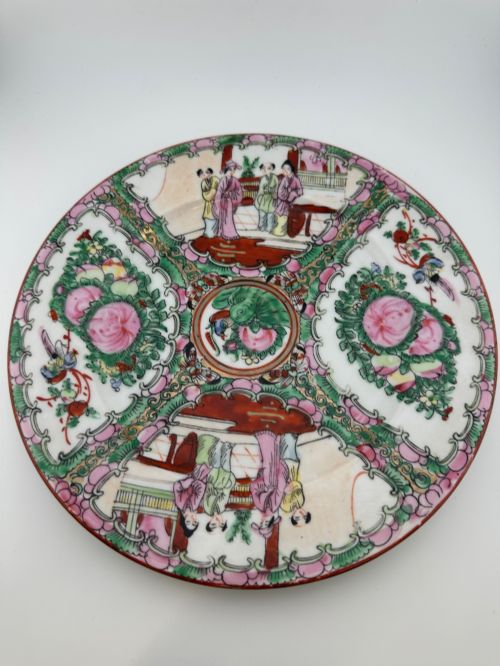
Famille rose relies on an opaque pink enamel introduced during the Qing dynasty, accompanied by a softer palette of rose, green, and yellow tones. These Chinese export pieces frequently depict court scenes, birds, and flowers.
Can I use antique porcelain dishes for food?
While these items were originally made for dining and serving, many collectors prefer to display them to prevent wear to fragile glazes and delicate overglaze gilding. Historic cleaning methods and modern detergents can gradually degrade nineteenth-century enamels.
If you choose to use them for dining, hand washing in lukewarm water with mild soap is essential. Avoid dishwashers, microwaves, and abrasive sponges entirely.
How should I display decorative plates safely?
Select wall-mounted hangers with coated prongs that distribute pressure evenly across the rim without scratching the glaze or the foot ring. Ensure the wall fixings are secure enough to support the weight of denser porcelain chargers or deep bowls.
For cabinet display, use stable plate stands that tilt the piece back slightly to prevent forward slips. Keep porcelain away from direct sunlight to protect vulnerable enamel colours from fading over time.