

Antique Porcelain Bone China
Antique porcelain bone china brings together finely painted tea services and cabinet plates from Georgian, Victorian, and Edwardian periods.
Antique Porcelain Bone China
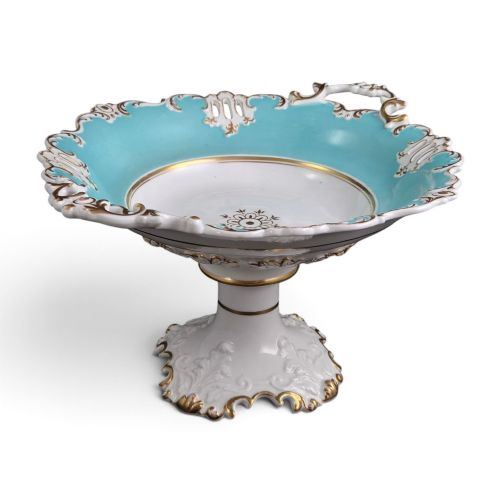
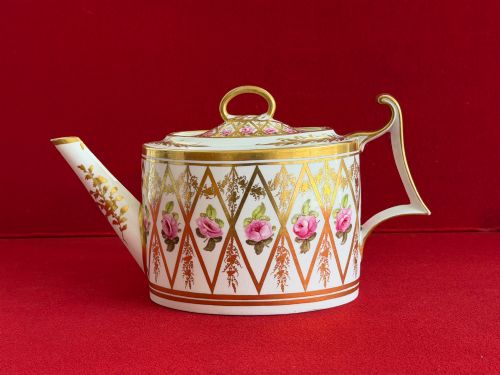
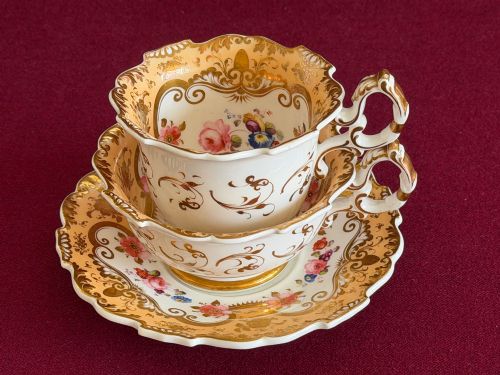
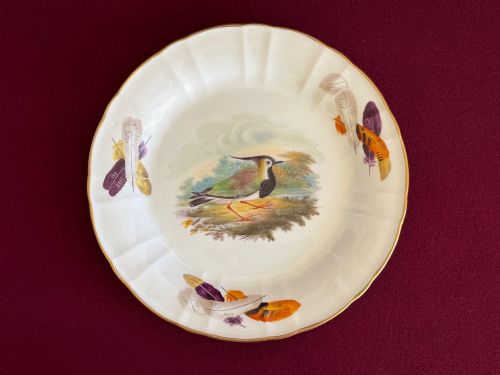
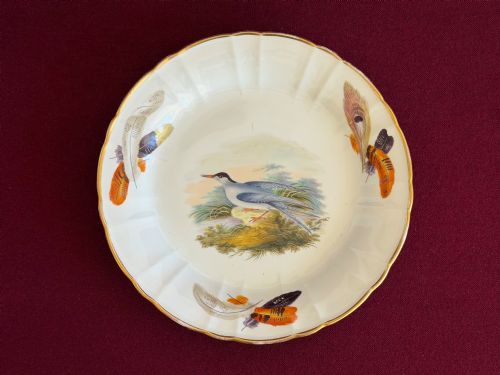
When searching for antique porcelain bone china, collectors encounter practical tableware and decorative objects spanning the Georgian, Regency, Victorian, and Edwardian periods. The selection on this page centres on cabinet plates, teacups and saucers, teapots, vases, and figurines originating from English potteries.
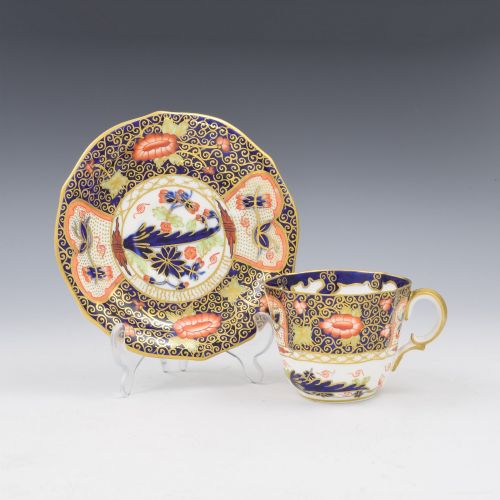
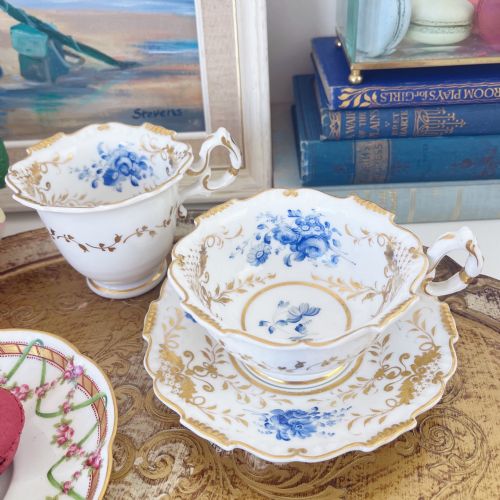
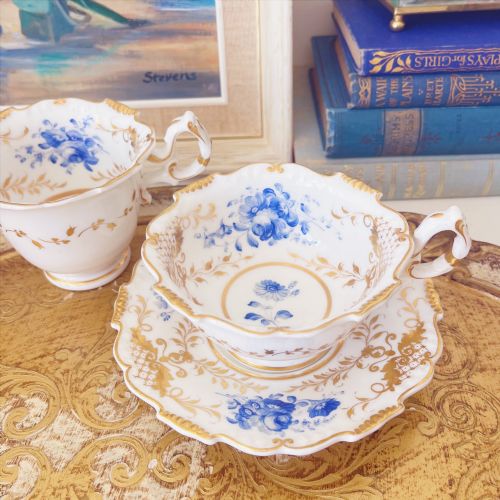
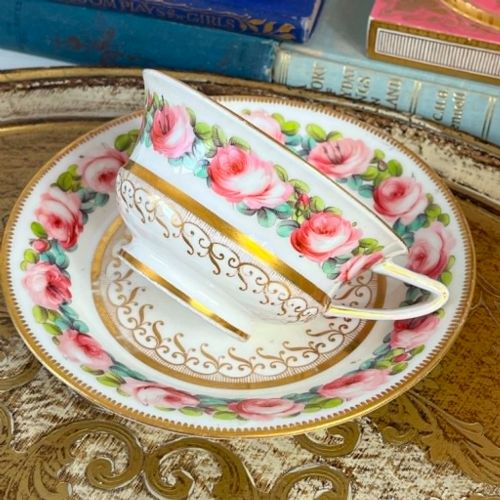
Teacups, saucers, and trios from makers such as H & R Daniel and Coalport represent the domestic use of porcelain and bone china during the early nineteenth century. Larger services, dessert plates, and sauce tureens illustrate formal dining traditions across the Victorian era.
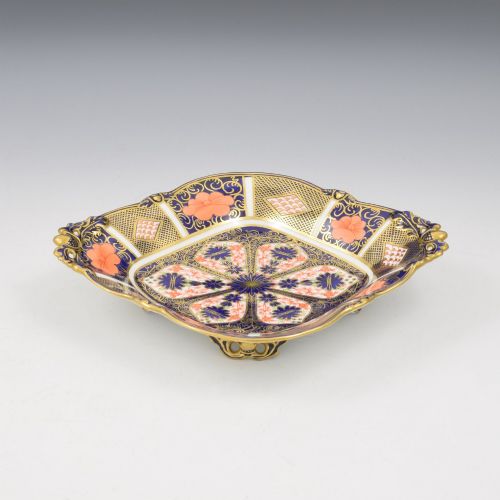
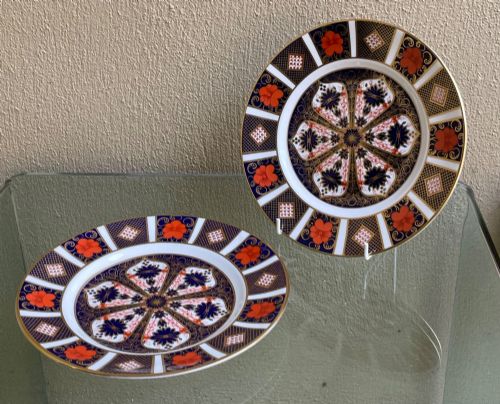
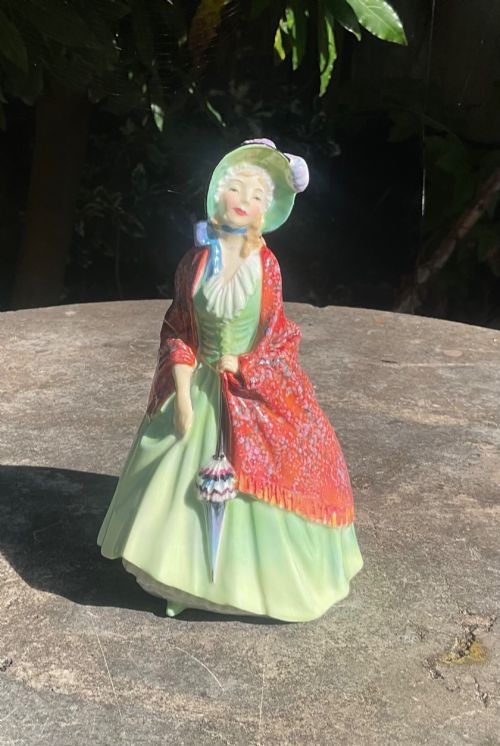
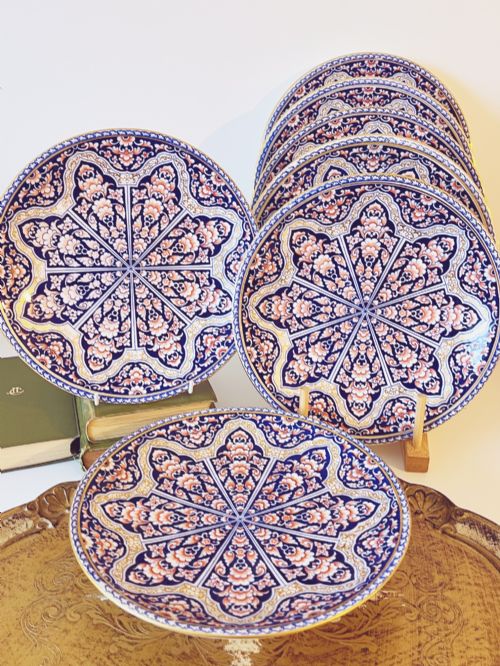
Decorative forms include handpainted fruit plates by Royal Worcester and Imari pattern wares by Royal Crown Derby. These items reflect the shifting aesthetic tastes from Regency neoclassical styles through to Rococo Revival and Art Deco.
What varies in quality
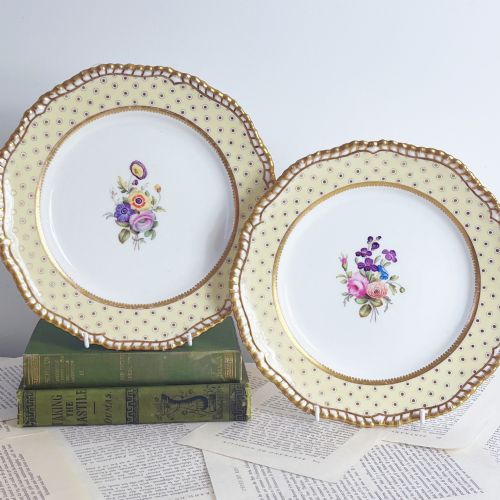
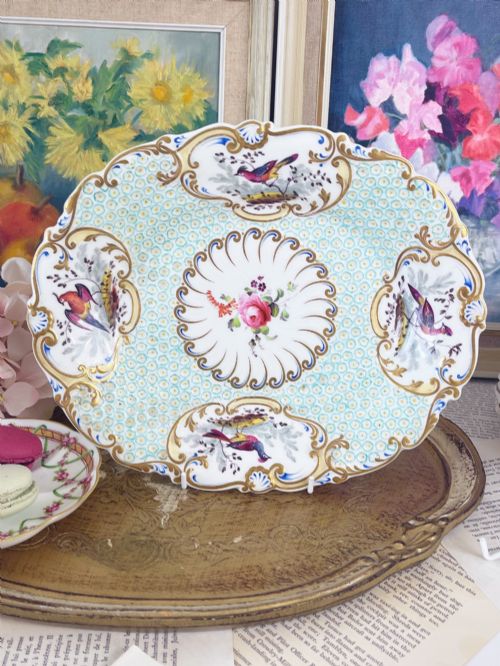
Quality in antique porcelain bone china is determined by the precision of the handpainting and the delicacy of the ceramic body. Pieces featuring detailed botanical studies, birds, or signed fruit decoration by named artists sit at the upper end of the range.
The sophistication of the moulded shapes, such as rococo scrolls or Japanese-style aesthetic motifs, alongside the crisp application of gilding, distinguishes fine cabinet pieces from standard utility wares.
Listings feature porcelain and bone china items spanning the Georgian, Regency, Victorian, Edwardian, and 1930 periods.
Royal Crown Derby·Spode·Coalport·H & R Daniel·Royal Doulton·Derby Porcelain·Wedgwood·Newhall·John Rose·Royal Worcester·Davenport·Ridgway·Minton
The Antique Porcelain Bone China Glossary
- Bone china
- A type of porcelain incorporating bone ash, which creates a strong, milky-white ceramic body suitable for thin-walled teacups and plates.
- Cabinet plate
- A decorative plate intended for display in a cabinet rather than for everyday dining use.
- Gilding
- The application of gold leaf, gold gilt, or metallic gold paint to ceramic surfaces for decorative borders and highlights.
- Imari style
- A decorative pattern tradition utilising deep blues, iron reds, and gold, inspired by Japanese export porcelains.
- Trio
- A matched set consisting of a teacup, a coffee cup or saucer, and a matching dessert plate.
Antique Porcelain Bone China: Frequently Asked Questions
How do I identify bone china?
Bone china is generally lighter, thinner, and more translucent than standard earthenware or heavy porcelain. When held up to a strong light, the silhouette of a hand placed behind the ceramic often shows through.
The inclusion of bone ash in the clay mixture gives the material a characteristic milky-white appearance rather than a stark industrial white. Many pieces also feature maker marks or pattern numbers on the underside to confirm their origin.
What is a cabinet plate?
A cabinet plate is a decorative ceramic plate produced primarily for visual display within a collector cabinet rather than for serving food. These pieces often feature elaborate handpainted scenes, gilded borders, or specialised artwork.
Because they were designed to be showcased, they frequently remain in fine condition without the surface scratches typically caused by cutlery use. They highlight the highest decorative skills of the pottery that produced them.
How should I clean antique porcelain?
Antique porcelain and bone china require gentle handling and should be washed by hand in warm water using mild soap. A towel placed at the bottom of the basin prevents accidental chipping against hard porcelain sinks.
Avoid soaking pieces with delicate handpainted enamels or metallic gilding for extended periods, as harsh detergents can degrade the surface decoration. Allow each item to air dry on a soft cloth rather than rubbing vigorously.
How do I date an antique teacup?
Dating an antique teacup involves examining the shape of the handle, the style of the painted pattern, and any printed or impressed factory marks on the base. Regency and Georgian cups often feature distinct handle profiles and finer, unglazed foot rims.
Comparing pattern numbers and stylistic motifs with historical pottery records helps narrow down the decade of production. Stylistic shifts from neoclassical Regency designs to Victorian ornamentation provide reliable chronological clues.