



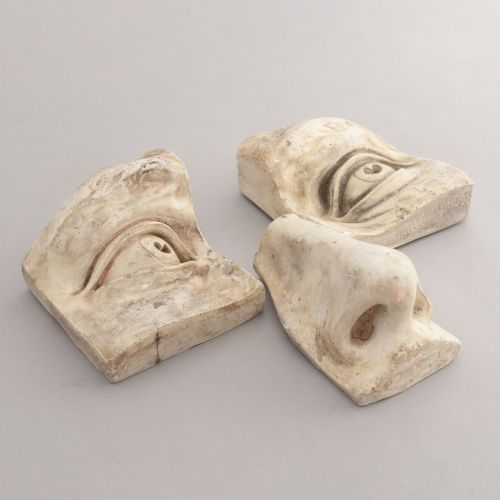
Antique Plaster Cast
These antique plaster cast pieces bring classical sculpture and Grand Tour history directly into your interior.
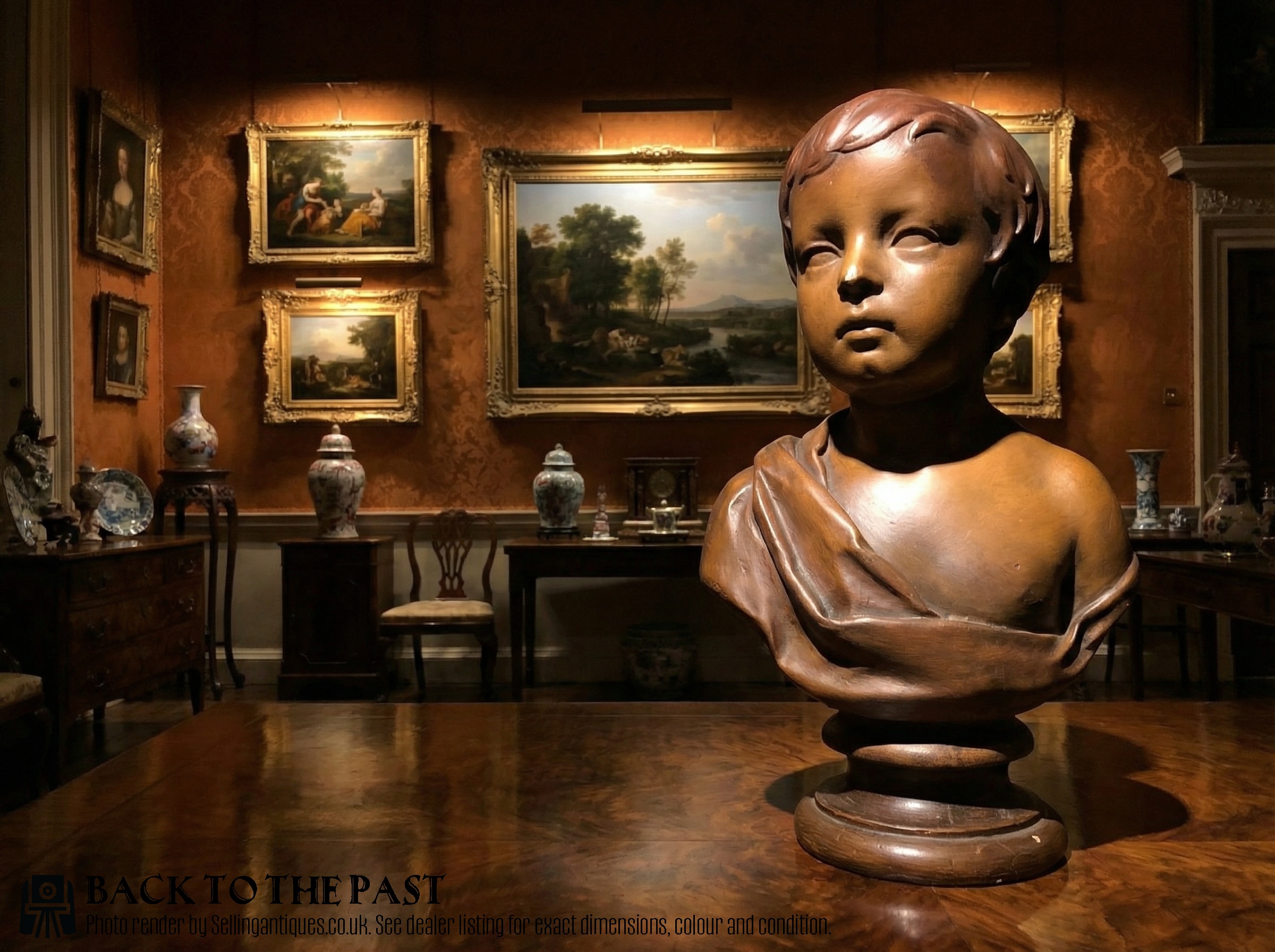
Antique Plaster Cast
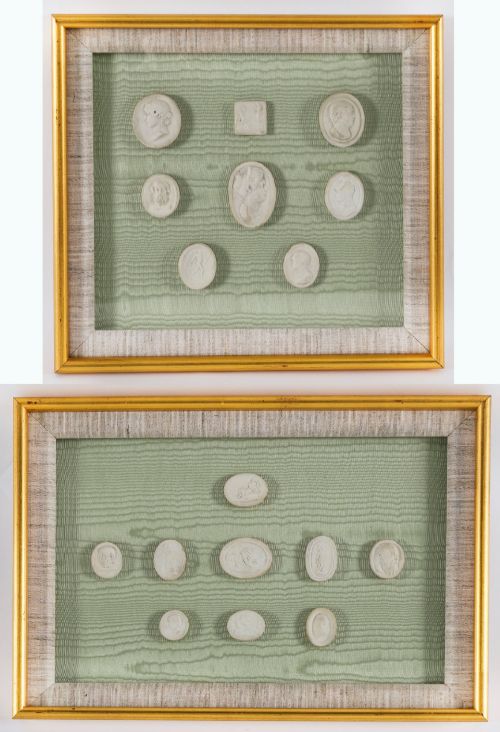
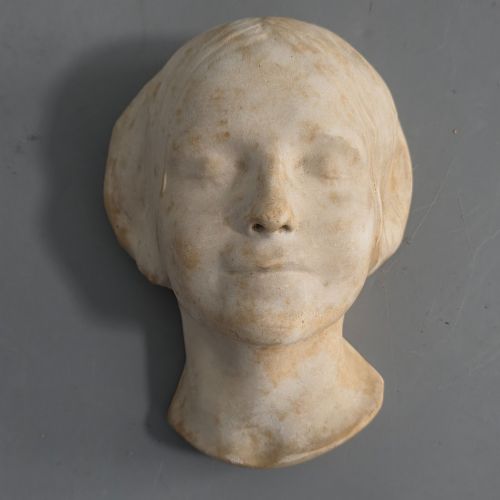
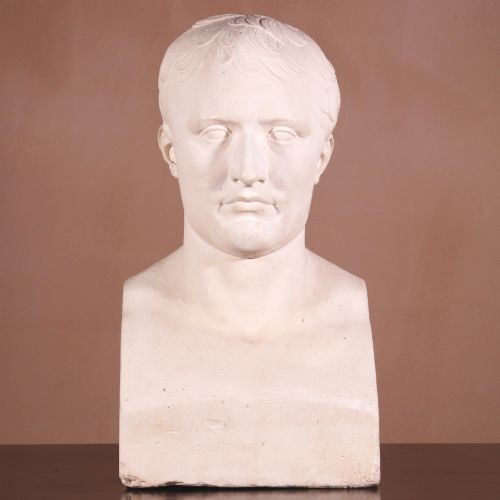
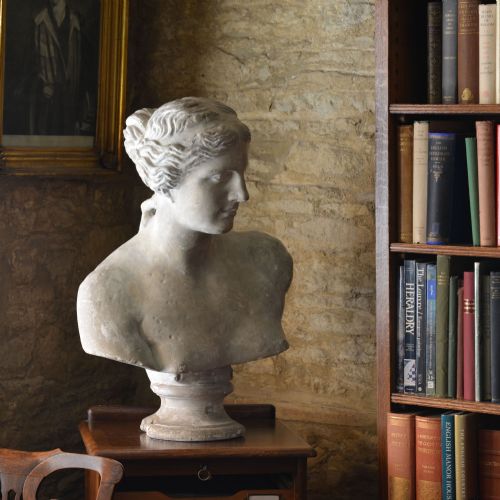
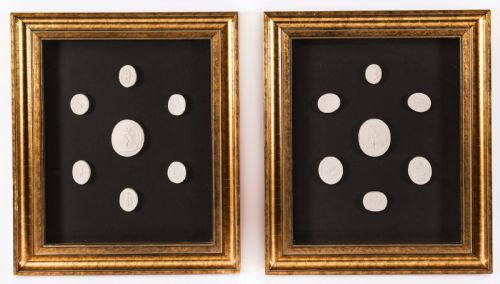
When searching for an antique plaster cast, buyers encounter a variety of sculptural forms ranging from grand architectural busts to framed collections of classical intaglios. These objects trace their lineage to the Grand Tour traditions of the eighteenth and nineteenth centuries, capturing the likenesses of classical deities, historical figures, and renowned sculptures.
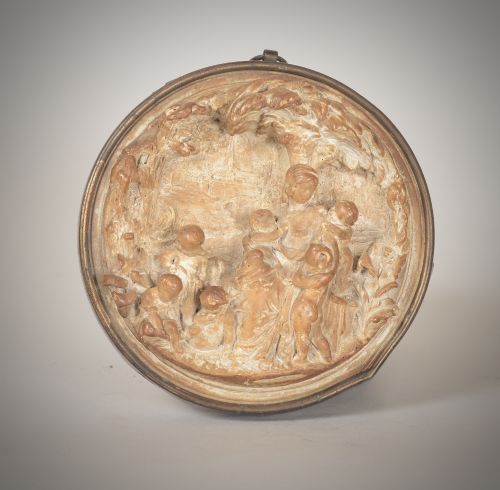
The pieces appearing on this page span the Victorian and Edwardian eras alongside specific early twentieth-century examples up to nineteen forty. Common formats include wall plaques, framed intaglio panels, and freestanding busts representing subjects like Beethoven, Napoleon, and Venus de Milo.
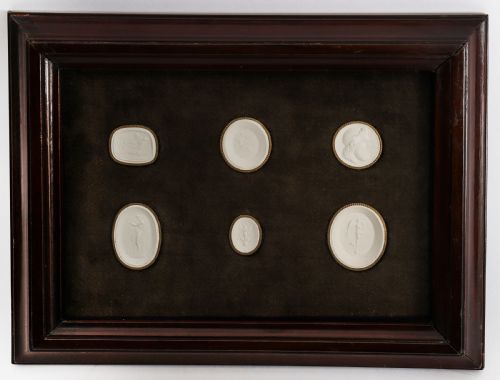
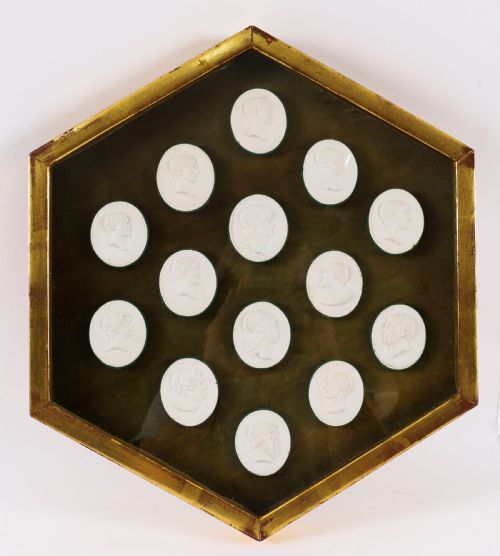
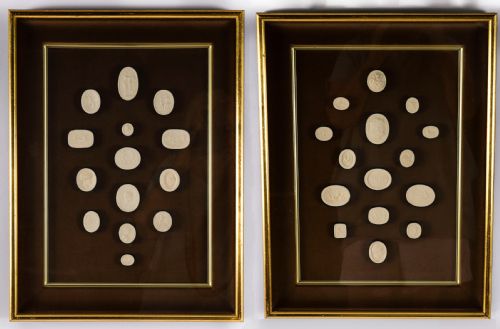
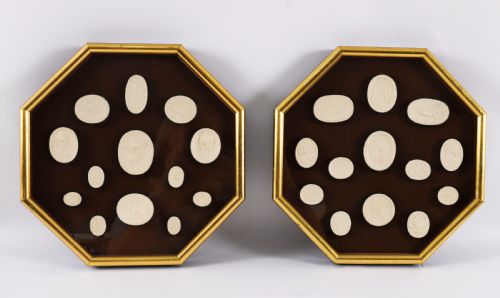
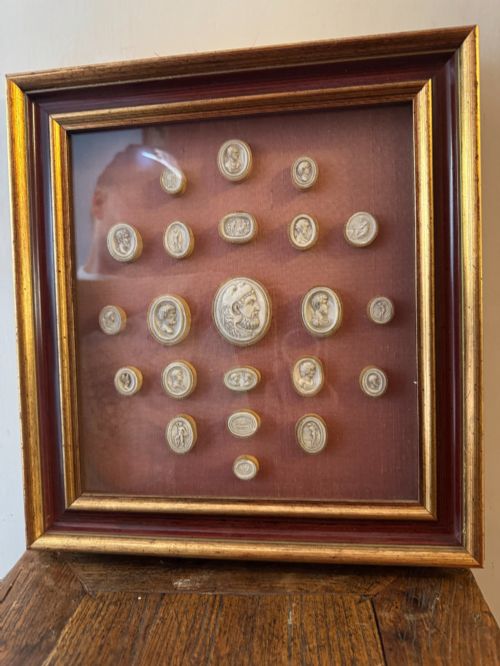
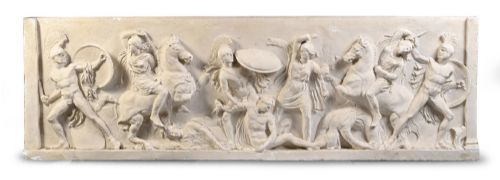
Grand Tour collections often present meticulous miniature copies of ancient gems arranged inside velvet-lined or giltwood frames. Larger works deliver substantial sculptural presence through busts of classical heroes, animals, and architectural friezes originating from workshops in Britain, France, and Italy.
Materials and construction methods
Plaster and gypsum form the primary substance for these works, occasionally combined with marble dust or held within wooden and giltwood frames. Makers utilised moulds taken directly from classical sculpture or modelled originals by hand, allowing precise replication of intricate surface details.
Presentation mounts frequently incorporate glass to protect delicate relief panels, backed by fabric and velvet to highlight the crisp white or patinated plaster casts. Frames range from simple octagonal wooden boxes to elaborate gilt mouldings designed to elevate cabinet collections.
An early twentieth-century life-size decorated pug sits among the classical philosophers and emperors.
Distinctions in quality and execution
Quality rests upon the crispness of the cast and the depth of detail preserved from the original mould. Finer examples retain sharp facial expressions, legible inscriptions, and well-defined drapery folds without surface blurring.
The sophistication of the secondary mounting separates standard works from exceptional pieces. Comprehensive sets arranged by established makers inside bespoke velvet-lined frames display superior curation and preservation compared to loose or later assembled groups.
Giovanni Liberotti·Pietro Bracci·D. Brucciani and Co
The Antique Plaster Cast Glossary
- Intaglio
- A gem or medallion carved in incuse relief so that the design sinks below the surface. Grand Tour collectors gathered framed sets of these miniature casts.
- Gypsum
- A soft sulphate mineral used to create plaster of Paris. It provides the smooth, fine-grained medium essential for capturing delicate sculptural details.
- Grand Tour
- A traditional educational trip of Europe undertaken by upper-class young men. Travellers collected plaster casts and intaglios as souvenirs of classical antiquity.
- Frieze
- A broad horizontal band sculpted or painted in relief. Plaster examples often depict classical processions or winged cherubs for architectural display.
- Patinated
- A surface treatment applied to plaster to simulate aged bronze, terracotta, or marble. This technique darkens recessed areas to emphasise sculptural depth.
Antique Plaster Cast: Frequently Asked Questions
What is a Grand Tour plaster cast?
A Grand Tour plaster cast is a portable reproduction of classical sculpture or ancient gems collected by travellers in Europe during the eighteenth and nineteenth centuries.
These pieces allowed scholars and collectors to bring museum-quality antiquities into private studies and drawing rooms.
How should I hang framed intaglios?
Framed intaglios require stable interior walls away from direct sunlight and excessive moisture to protect the delicate plaster and internal fabric backings.
Secure picture hooks rated for the specific weight of the wooden and glass frame ensure safe display.
How do I clean antique plaster?
Antique plaster requires gentle dusting with a soft, dry brush rather than liquid cleaners or damp cloths which dissolve the material.
Maintaining low handling reduces the risk of transferring skin oils onto porous unglazed surfaces.
How are different periods identified?
Periods are determined through framing styles, mounting materials, and workshop stamps or labels associated with nineteenth and early twentieth-century production.
Patination techniques and the specific composition of the plaster or marble dust provide further clues to dating.