



Antique Plant Holder Stand
An antique plant holder stand brings natural greenery indoors upon pedestals of mahogany, brass, wrought iron, and oak across Georgian, Victorian, and Edwardian periods.
Antique Plant Holder Stand
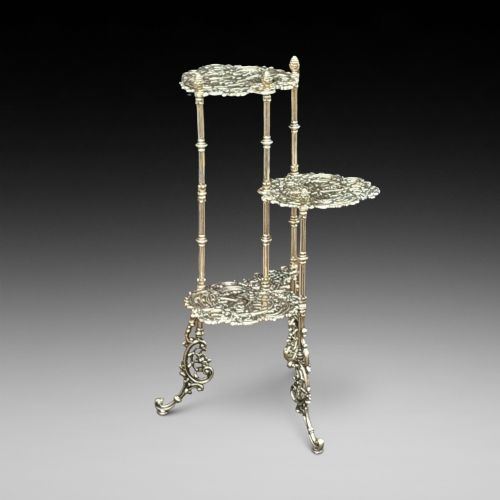
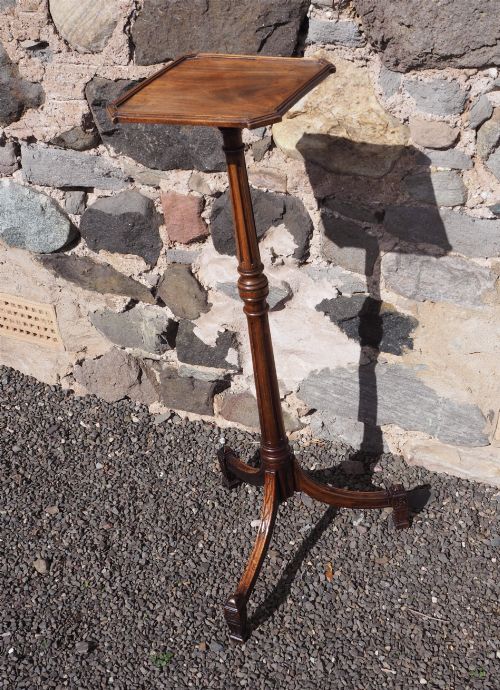
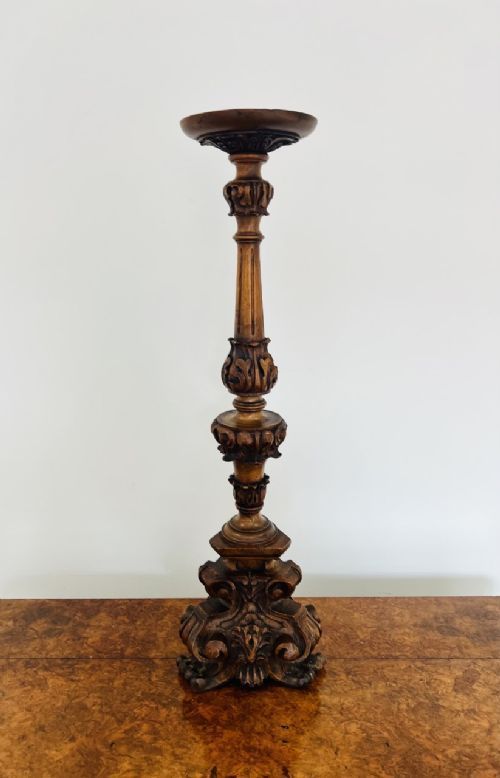
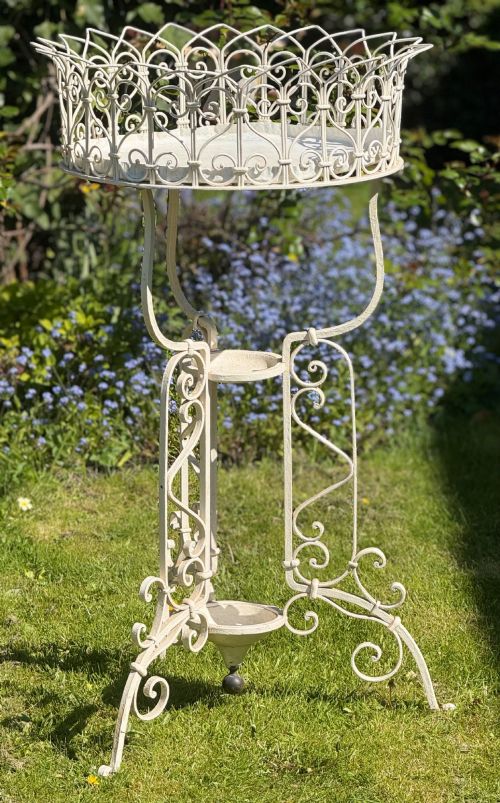
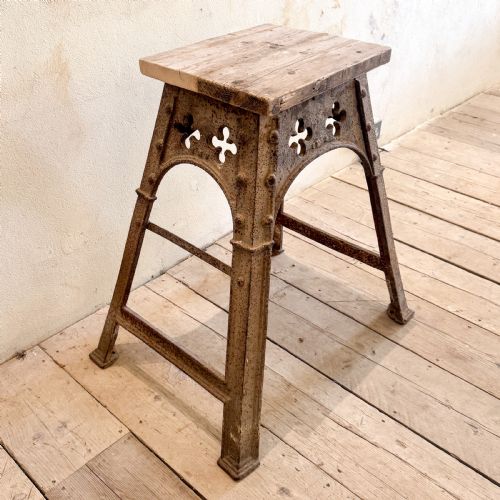
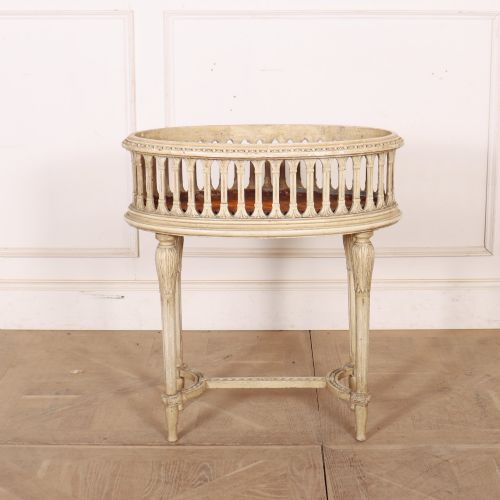
The antique plant holder stand category gathers diverse furnishings designed to elevate potted plants, flowers, and jardinieres within domestic interiors and conservatories. Buyers encounter forms ranging from tall wooden torchere columns to low coopered oak barrels and wirework tiered plant stands.
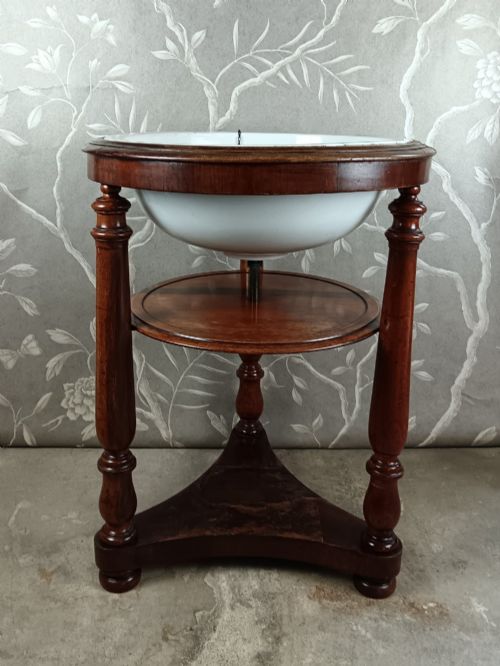
Most examples originate from the nineteenth and early twentieth centuries, spanning Victorian, Edwardian, and Georgian eras. Makers adapted washstands, shaving stands, and wig stands alongside dedicated jardiniere supports to meet changing interior tastes.
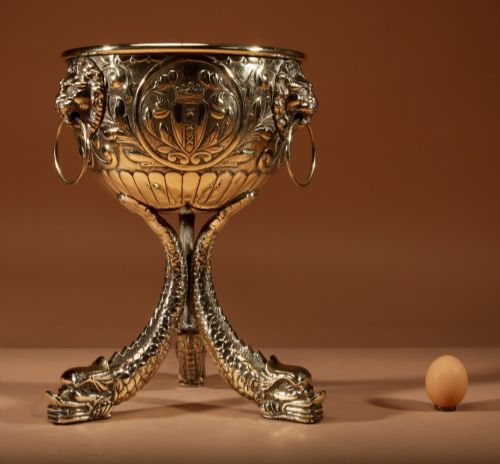
Materials divide broadly between timber frames such as mahogany and walnut, and metal structures utilising brass, copper, and wrought iron. Certain pieces combine ceramic pots with metal or wood bases to display greenery in domestic rooms and glasshouses.
What varies in quality
Quality rests upon the integrity of materials and the skill of construction, distinguishing standard utilitarian pieces from high decorative examples. Selected timbers with refined figuring and substantial brass mountings indicate superior production.
The sophistication of decorative techniques separates ordinary items from distinguished works. Hand-carved walnut details, intricate wirework, and original surface treatments demonstrate greater workshop competence.
Completeness significantly influences a stand, particularly where original metal liners, matching ceramic pots, or paired configurations remain intact. Stands retaining their original painted or polished surfaces command greater interest.
Antique Plant Holder Stand Retail Price Guide 2026
Typical asking prices for plant holder stand among the pieces listed under this phrase on Sellingantiques today, from the lower quarter to the upper quarter. They describe what is for sale here now, not the wider market.
Forms range from tall torchere columns and washstands to wirework tiered planters and coopered oak barrels.
Clement Massier
The Antique Plant Holder Stand Glossary
- Jardiniere
- An ornamental pot or stand for holding plants or flowers. These vessels often sit within dedicated metal or wooden frames.
- Torchere
- A tall ornamental stand originally designed to carry a torch or candle, later adapted for plant pots and lamps. They feature slender columns rising from stable bases.
- Coopered
- Constructed from curved wooden staves bound together with metal hoops, much like a barrel. This technique suits oak and mahogany plant tubs.
- Dinanderie
- Objects made of brass, copper, or bronze, often embossed or cast with decorative patterns. The term derives from the Belgian town of Dinant.
- Wirework
- Formed from intertwined or welded iron wire, creating lightweight yet strong tiered frames. These pieces typically served in nineteenth-century conservatories.
Antique Plant Holder Stand: Frequently Asked Questions
Where should I place an antique plant holder stand?
These stands suit conservatories, reception rooms, and hallways where natural light supports potted plants or floral displays. Taller torchere forms fit corners, whilst lower coopered stands anchor floor spaces.
Ensure the surface material, such as polished mahogany or marble, remains protected from direct moisture by using suitable saucers inside metal or ceramic liners.
How do I date an antique plant stand?
Dating relies on observing construction methods, timber choices, and stylistic details associated with periods like the Georgian, Victorian, and Edwardian eras. Hand-turned legs and dovetail joints point to earlier craftsmanship.
Design markers such as Art Nouveau curves or campaign brass fittings help narrow the decade of production when combined with material evidence.
Can these stands support heavy plants?
Wrought iron, heavy oak coopered barrels, and robust mahogany pedestals readily support substantial potted plants and damp earth. Lighter wirework or slender torchere stands suit smaller flora.
Examine the base construction and leg stability before placing heavy ceramic pots upon any antique stand.