




Antique Plank Bench
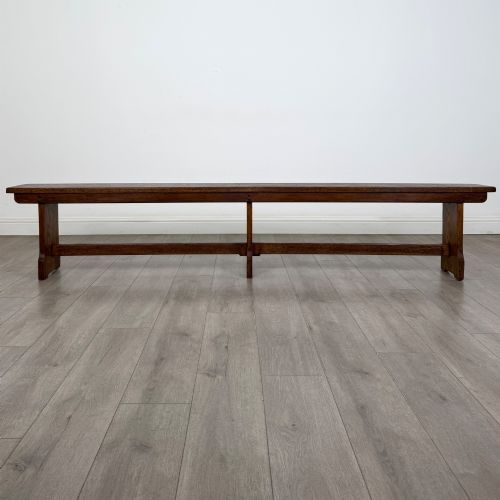
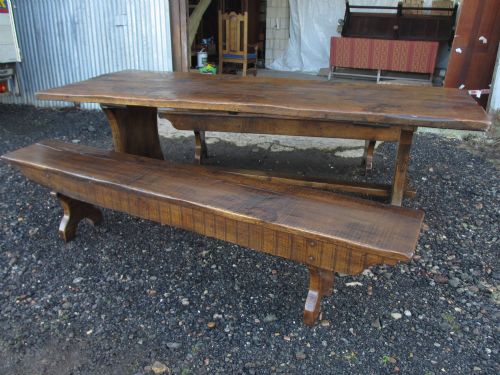
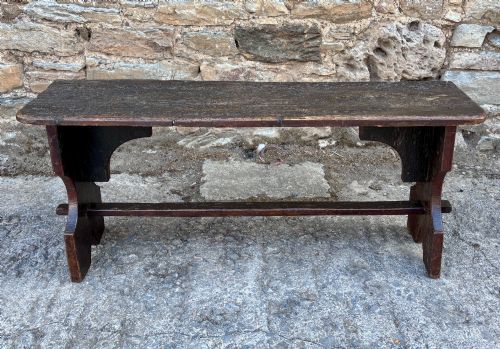
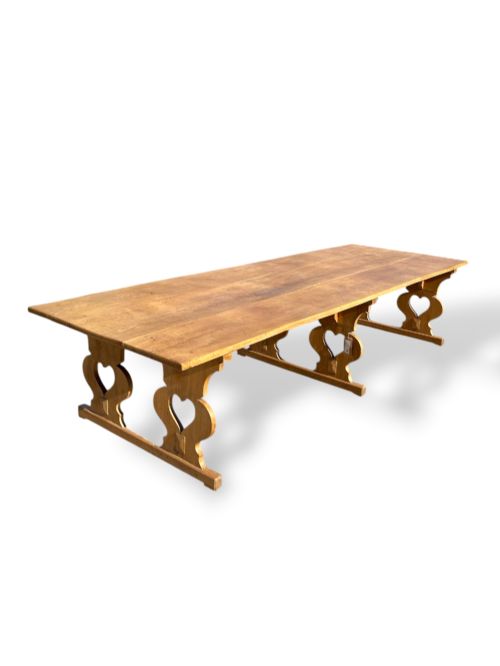
An antique plank bench brings honest utility and direct joins into a room, offering simple timber surfaces shaped by generations of practical use.
Antique Plank Bench
When you search for an antique plank bench, you are looking at utilitarian seating and surfaces built from substantial boards of timber. These pieces span centuries of rural and domestic life, appearing across styles from Georgian country to rustic farmhouse.
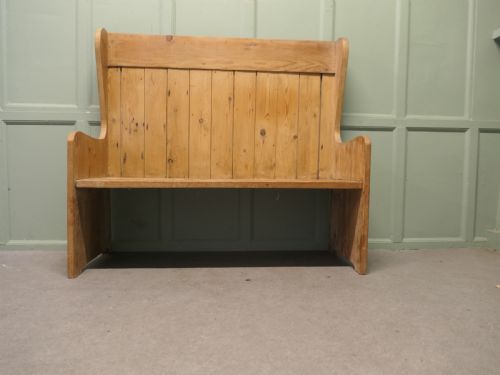
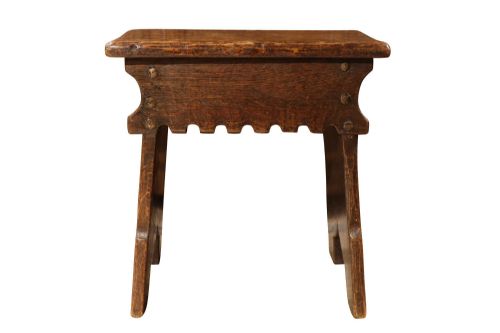
You are most likely to meet examples fashioned from pine, oak, and elm, often shaped for taverns, kitchens, and halls. Their forms range from long dining benches and school seats to narrow pig benches and high-backed settles.
The surviving examples reflect straightforward carpentry designed to serve a distinct purpose in daily work or communal gathering. They carry the marks of hard use, showing how plain timber answered the domestic demands of past eras.
Methods and materials in solid timber
Makers relied on native hardwoods and softwoods such as English oak, pine, cherry, and elm, selecting wide boards to form the primary top surfaces. These substantial planks were frequently joined using pegged construction rather than modern adhesives.
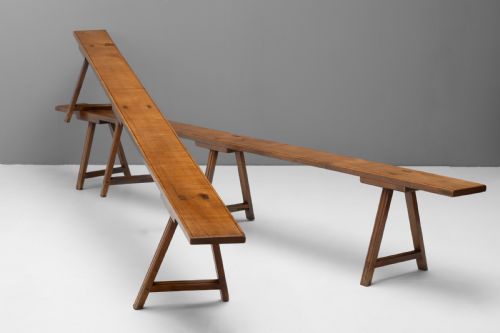
Structural support came from trestle ends, turned legs, or stretcher frames of wrought iron and timber, securing the long seats against heavy daily wear. Surface finishes remained minimal, relying on natural friction, wax, and decades of scrubbing to protect the grain.
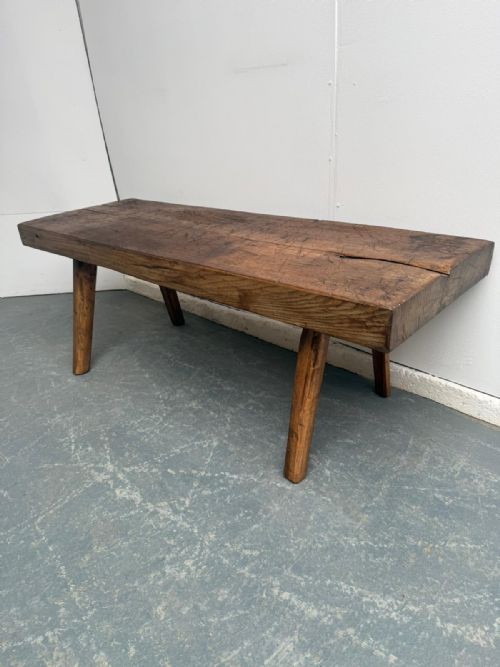
Several narrow examples are known as pig benches, reflecting their original agricultural utility before finding a second life indoors.
Judging the character of construction
Quality rests in the integrity of the original timber boards and the honesty of the structural joints. Pieces retaining their thick, unthinned top planks and original pegging hold greater integrity than those altered by later repairs.
The balance of proportion between the heavy top and the supporting trestles or legs dictates the visual strength of the piece. Surface wear that comes from genuine age and use elevates a bench, while excessive sanding or replacement timbers diminish its historical honesty.
The Antique Plank Bench Glossary
- Plank top
- A surface constructed from one or more wide boards of solid timber rather than framed panels. This method forms the primary working plane of benches and tables.
- Pegged construction
- A method of joining wooden components by drilling through intersecting pieces and driving in a close-fitting wooden peg. It provides a secure bond without metal fasteners.
- Trestle
- A structural frame consisting of a horizontal beam supported by two flared legs at each end. It offers sturdy support for long benches and tables.
- Settle
- A wooden bench with a high back designed to block draughts, often featuring enclosed storage beneath the seat. They were traditionally placed near firesides in country homes and pubs.
- Refectory
- A long table or bench style traditionally associated with communal dining halls. These pieces are characterised by substantial length and sturdy stretcher bases.
Antique Plank Bench: Frequently Asked Questions
Where should I place a long plank bench?
These benches suit narrow hallways, large kitchens, and dining spaces where their linear form can sit neatly against a wall or alongside a table. Their shallow depth allows them to provide ample seating without crowding smaller rooms.
Positioning them away from direct heat sources helps protect the old timber boards from splitting. Pairing them with a rustic table or placing them independently creates a grounded, practical focal point.
How do I care for antique pine and oak surfaces?
Maintain the timber by dusting regularly with a dry cloth and applying natural beeswax sparingly to nourish the dry grain. Avoid modern silicone polishes that can build up a sticky residue on old scrubbed surfaces.
Keep the furniture away from radiators and direct sunlight to prevent the boards from warping or cracking. Gentle treatment preserves the accumulated patina of decades of use.
Are these benches sturdy enough for daily seating?
Most surviving examples were built for demanding environments like taverns, schools, and farmhouses, meaning their robust construction handles regular weight easily. The thickness of the oak, pine, or elm planks provides inherent structural strength.
Checking that the pegged joints and underframes remain tight ensures safe daily use. A well-constructed antique bench serves as reliable seating for modern households just as it did in the past.
How can I tell an 18th-century bench from a later copy?
Early pieces display tool marks, hand-cut peg holes, and natural board shrinkage that indicate historical hand-working methods. The underside and joins reveal the subtle irregularities characteristic of pre-industrial carpentry.
Examine the wear patterns on the edges and seat surfaces for smooth transitions formed by physical use over generations. Consistency in the wood's ageing process helps confirm the period of origin.