






Antique Pith Painting
These antique pith painting examples are delicate works on natural plant marrow, prized by collectors for their vibrant pigments and fragile historical charm.
Antique Pith Painting
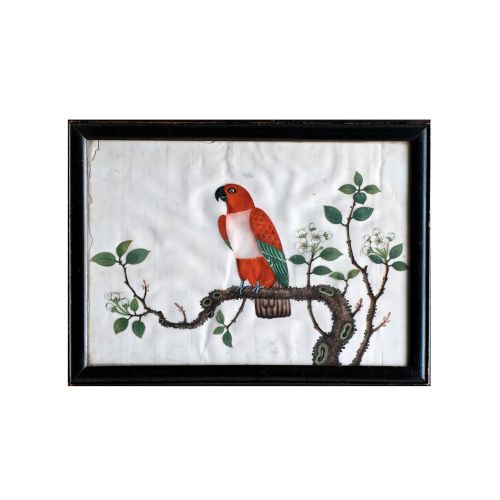
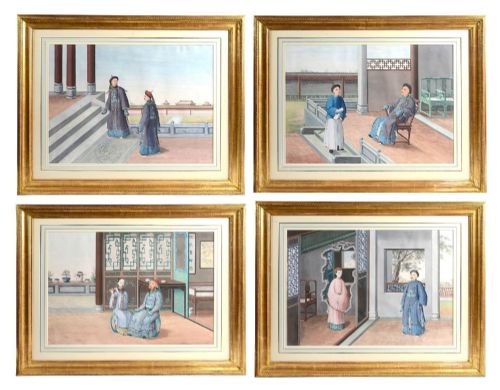
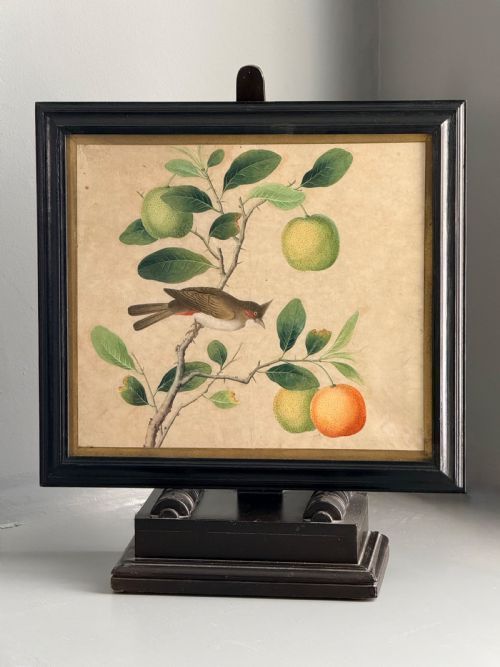
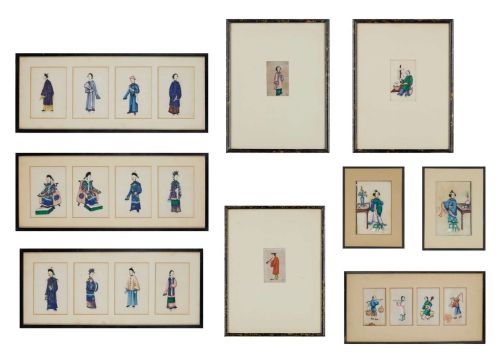
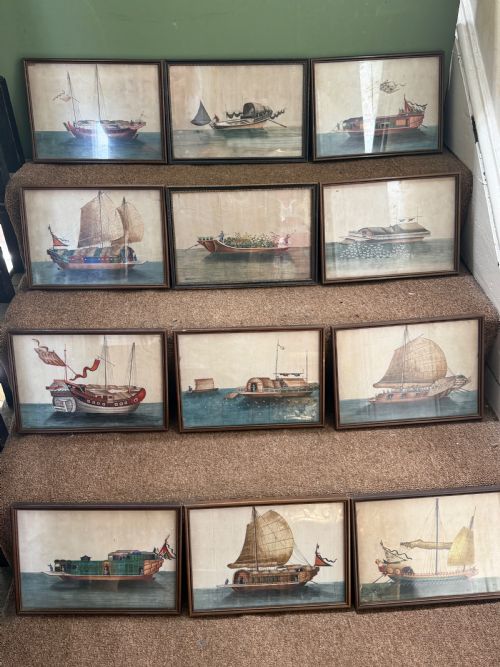
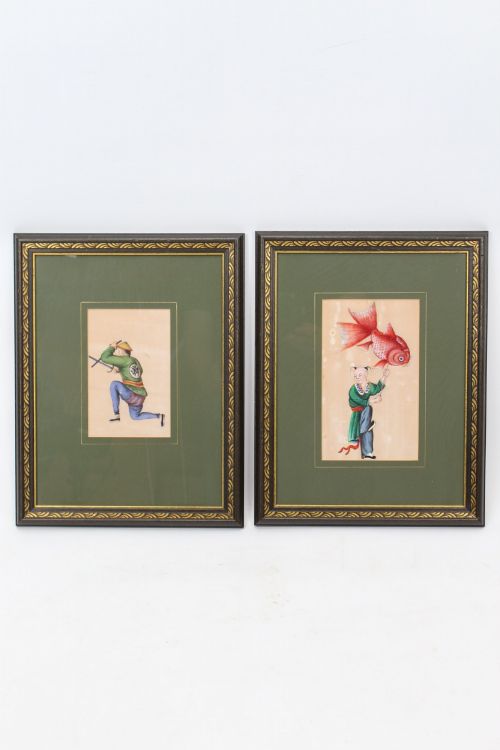
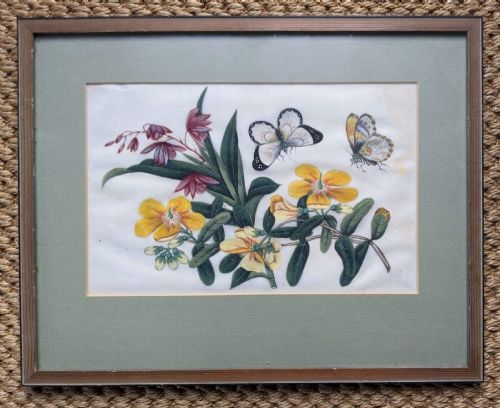
When you search for antique pith painting, you encounter delicate works primarily originating from Chinese export studios during the nineteenth century. The subjects range from figural studies and botanical subjects like butterflies and insects to maritime scenes featuring junks and other ships.
The pieces on this page appear variously as individual framed artworks, small pairs, and larger sets containing up to twelve or twenty-one related watercolours. Most examples belong to the nineteenth century and the Qing dynasty period, reflecting extensive trade between China and the West.
Collectors frequently find these works executed on delicate pith paper, sometimes historically misnamed as rice paper, mounted within wood and glass frames. The assortment spans single wall art pieces to comprehensive sets intended for Western albums.
Materials and methods
Makers constructed these works using sections of pith paper, sliced carefully from the spongy cellular interior of the Tetrapanax papyrifer plant. This unique organic medium possesses a velvety, absorbent texture that holds water-based pigments in a distinctive manner.
Artisans applied gouache and watercolour paints alongside ink to create the rich coloration visible in these historical works. The natural material reacts to liquid with a slight cushion effect, allowing pigments to sit with notable depth upon the surface.
Antique Pith Painting Retail Price Guide 2026
Typical asking prices for pith painting among the pieces listed under this phrase on Sellingantiques today, from the lower quarter to the upper quarter. They describe what is for sale here now, not the wider market.
Listings feature works spanning the eighteenth century, the Regency era, the nineteenth century, and the Edwardian period.
Factors of quality
Quality in these works rests heavily upon the preservation of the delicate pith paper and the vibrancy of the gouache or watercolour pigments. Intact edges, minimal cracking to the fragile plant membrane, and stable framing distinguish better-preserved examples.
The fineness of the brushwork and the complexity of the composition also separate standard decorative pieces from superior examples. Multi-figure groupings and detailed depictions of flora and fauna demonstrate greater artisan skill.
The Antique Pith Painting Glossary
- Pith paper
- A delicate natural material sliced from the stem marrow of the Tetrapanax papyrifer plant. It is frequently associated with nineteenth-century Chinese export art.
- Gouache
- An opaque watercolour paint composed of pigment, a binding agent, and inert white material. It provides the dense, matte coloration seen across many export paintings.
- Chinese Export
- Art objects manufactured in China specifically for Western markets during the Qing dynasty and subsequent periods. These works often blend Eastern subjects with Western framing preferences.
- Qing Dynasty
- The final imperial dynasty of China, ruling from the seventeenth to the early twentieth century. Many extant export paintings date from the later decades of this era.
- Regency
- A British historical period spanning the early nineteenth century. Works associated with this era often reflect the aesthetic tastes of the contemporaneous trade boom.
Antique Pith Painting: Frequently Asked Questions
What is pith paper?
Pith paper is a fragile, spongy material sliced from the pith of a specific plant native to southern China. It served as a primary painting surface for artists catering to Western visitors and traders.
The material absorbs water-based pigments with a unique velvety texture that distinguishes it from standard wood pulp or rag paper.
How should I frame these paintings?
These works require professional framing behind glass with spacers to prevent the delicate pith surface from touching the glazing. Environmental stability protects the organic marrow and water-based pigments from humidity.
Keeping them away from direct sunlight preserves the vivid gouache and watercolour hues found across nineteenth-century export art.
Why are they called rice paper?
Early European collectors mistakenly believed the spongy plant material was manufactured from pressed rice straw. The misnomer persisted in trade descriptions despite the medium actually coming from plant stem pith.
Modern cataloguing typically corrects this to pith paper while acknowledging historical documentation uses the older term.
How do I identify Qing dynasty pieces?
Qing dynasty export works are identified through stylistic markers, subject matter like junks or traditional figures, and nineteenth-century mounting conventions. The presence of gouache on pith paper points directly to this trading era.
Comparing the costumes, vessel types, and framing styles helps place individual watercolours within the broader nineteenth-century timeline.