





Antique Insect Painting
These antique insect painting works capture delicate winged subjects across porcelain plates and paper sheets, offering a fine decorative focus for your collection room.
Antique Insect Painting
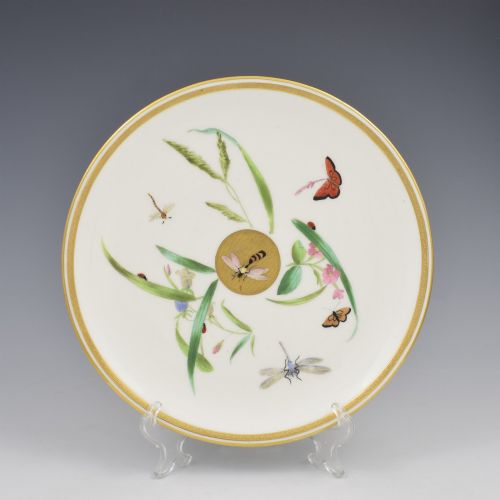
When you search for antique insect painting, you encounter handpainted ceramics and delicate works on paper dating from the nineteenth century. These pieces bring natural history subjects into domestic spaces through detailed studies executed by European and Asian makers.
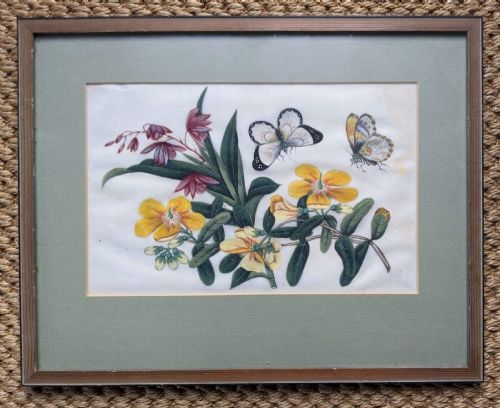
Works range from botanical and entomological cabinet plates to framed watercolours and pith paper butterfly studies. Each piece demonstrates the period fascination with natural specimens rendered in pigments upon fragile grounds.
How they were made
Makers utilised porcelain, enamel, and pith paper as primary grounds for handpainted imagery. Artisans applied mineral pigments and gold leaf by hand to render the fine details of insects, birds, and botanical elements.
Ceramic pieces underwent high-temperature firing before overglaze enamels and gilding were added and refired. Works on paper utilised delicate pith plant material mounted carefully within wood or pewter frames.
Antique Insect Painting Retail Price Guide 2026
Typical asking prices for insect painting among the pieces listed under this phrase on Sellingantiques today, from the lower quarter to the upper quarter. They describe what is for sale here now, not the wider market.
What varies in quality
The fineness of the brushwork largely defines the standard of an antique insect painting piece, separating hurried factory output from skilled artistic execution. Detailed rendering of antennae, wings, and botanical surroundings indicates superior craftsmanship.
Preservation of the delicate ground material, whether porcelain glaze or fragile pith paper, affects the integrity of the object. Intact gilding and clean application of handpainted pigments elevate the overall character of the piece.
Grainger & Co Royal Worcester·Ryuzan
The Antique Insect Painting Glossary
- Pith painting
- A delicate painting executed on the cellular pith of the Tetrapanax papyriferus plant. This medium produces a velvety surface texture that absorbs watercolour pigments deeply.
- Cabinet plate
- A decorative ceramic plate intended for display in a cabinet or on a wall rather than for dining use. These pieces typically feature elaborate handpainted motifs.
- Aesthetic Movement
- A nineteenth-century design style that emphasised visual beauty and Japanese artistic influences over narrative or moral content. Objects in this style often incorporate asymmetrical compositions and gilt motifs.
- Potpourri lidded bowl
- A pierced ceramic vessel designed to hold scented dried plant material. The pierced lid allows fragrance to disperse while containing the mixture.
Antique Insect Painting: Frequently Asked Questions
What are antique insect paintings painted on?
These works appear on various substrates including nineteenth-century porcelain plates, bowls, and delicate pith paper sheets. Artisans utilised suitable grounds that could accept fine handpainted pigment applications.
Porcelain surfaces received overglaze enamel painting, while paper works utilised the spongy interior of plant pith mounted for display.
How do I display delicate pith paintings?
Pith paper paintings require careful placement away from direct sunlight and moisture due to the fragile nature of the organic support. Framing behind protective glass preserves the delicate painted surface from physical disturbance.
Maintaining stable indoor humidity levels protects both the paper substrate and any accompanying wood or pewter frames.
How were these decorative plates used?
Victorian cabinet plates and bowls served primarily as decorative objects for display in drawing rooms and parlours. They demonstrated the owner's refined taste and interest in natural history subjects.
Some ceramic forms, such as potpourri bowls and jugs, combined functional storage with detailed handpainted artistry.
How do I identify nineteenth century pieces?
Dating relies upon observing stylistic markers such as Aesthetic movement motifs, Meissen factory standards, and nineteenth-century porcelain bodies. Factory marks and historical context help establish the period of creation.
Evaluating the specific materials, such as nineteenth-century pewter frames and traditional export papers, aids in confirming the era.