



Antique Pheasant Figurine
An antique pheasant figurine brings the weight and detail of nineteenth and twentieth-century animal sculpture directly onto a desk or table.
Antique Pheasant Figurine
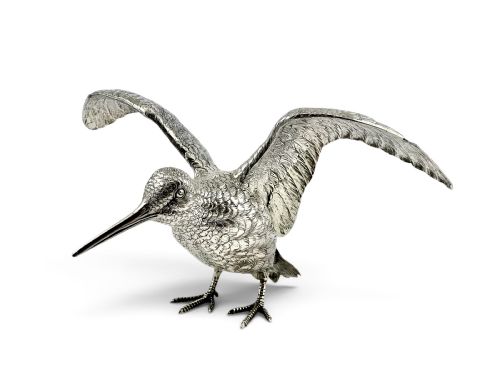
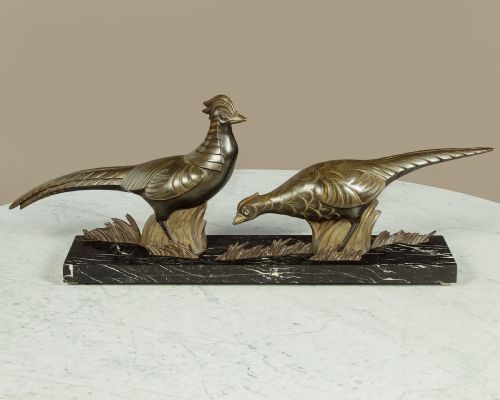
When you search for an antique pheasant figurine, you encounter metal castings, silver table ornaments, and ceramic figures that capture these game birds in various postures. The selection ranges from Victorian desk accessories and Edwardian silver novelties to Art Deco bronzes from the nineteen-thirties.
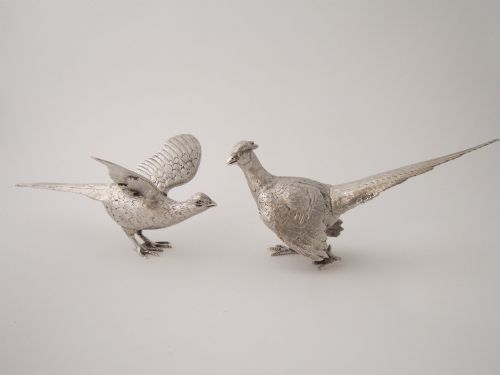
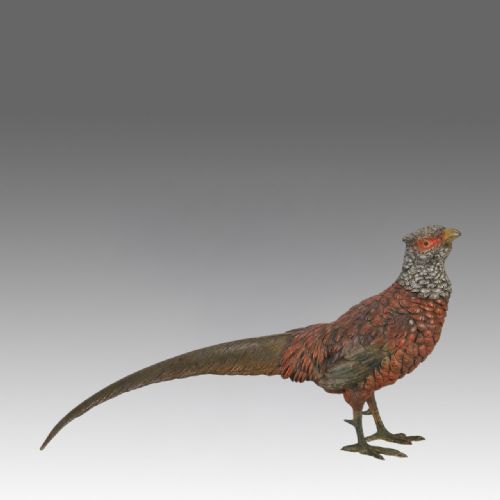
The pieces appearing on this page include sterling silver pepper shakers, pin cushions, and cold-painted bronze sculptures by continental and British makers. Traditional British country subjects sit alongside French Animalier works and Asian porcelain.
Most examples function either as decorative table ornaments or as small desk accessories such as pen wipes and pepper shakers. The variety spans diminutive tabletop pairs and substantial mantel sculptures.
How these pieces were made
The metal figures rely on bronze casting or silver smithing, often utilising the lost-wax method to capture fine feather detail. Cold-painted bronzes receive hand-applied polychrome pigments over a metallic base, while silver pieces employ traditional chasing, engraving, and plating techniques.
Ceramic and porcelain examples undergo high-temperature firing with hand-painted enamel decoration, seen in traditional famille rose or moulded factory figures. Marble bases frequently accompany the bronze sculptures, providing a heavy foundation for the metalwork.
Listings feature periods spanning from the Victorian era and nineteenth century through Edwardian times to Art Deco and mid-century modern designs.
What varies in quality
The standard of an antique pheasant figurine rests upon the crispness of the casting and the precision of the hand-chased feather work. Superior examples display anatomical accuracy and naturalistic posture rather than rigid or generic forms.
In cold-painted bronzes and ceramics, the preservation and skill of the original hand-painted surface dictate the piece's refinement. Makers who executed careful colour blending and retained intact pigmentation achieve a higher distinction than those with flat or later-applied paint.
Franz Bergman·Delabrierre·P J Mêne·Paul Joris·Jules Moigniez·Royal Dux
The Antique Pheasant Figurine Glossary
- Animalier
- A nineteenth-century artistic movement focused on the realistic depiction of animals, particularly associated with French bronze sculptors. These works prioritise anatomical precision and observed behaviour.
- Cold-painted bronze
- A technique where bronze castings receive paint applications without subsequent firing, common in Austrian workshops around the turn of the twentieth century. The pigment remains delicate and susceptible to rubbing over time.
- Chasing
- A goldsmithing and silversmithing technique where metal is worked from the front with hammers and punches to refine surface details such as plumage. This process adds texture and relief to cast elements.
- Famille rose
- A Chinese porcelain palette introduced in the eighteenth century, characterised by opaque pink enamel derived from colloidal gold. Pieces displaying this style often feature finely rendered flora and fauna.
- Pin cushion
- A small domestic accessory incorporating a fabric pad, frequently mounted within a silver or metal animal figure during the Edwardian period. These items served functional roles on dressing tables and desks.
Antique Pheasant Figurine: Frequently Asked Questions
How were silver pheasant figures used?
Silver pheasant figures frequently served as ornamental table centrepieces, decorative mantel ornaments, or functional desk accessories like pin cushions and pepper shakers.
Wealthy households displayed pairs of these birds during formal dining occasions to signal country pursuits and decorate the table.
What is cold-painted bronze?
Cold-painted bronze refers to metal sculptures coated with polychrome oil or enamel paints that are left to dry naturally rather than fired in a kiln.
This technique allowed Austrian and European foundries to achieve vibrant, lifelike plumage on small animal figures.
How do I identify Victorian pieces?
Victorian examples often display British silver hallmarks with date letters, or bear the heavier, traditional styling associated with nineteenth-century Animalier bronze casting.
Makers from this era focused on naturalistic poses and detailed surface chasing rather than stylised geometric forms.
Are these figures solid silver?
The listings include a mix of solid sterling silver, silver plate, and mixed metals like bronze or porcelain.
Items stamped with official assay office marks indicate solid silver content, whereas others consist of plated base metals.
Where were bronze pheasants made?
Bronze pheasant sculptures originated across Europe, with prominent foundries operating in France, Austria, and Britain during the nineteenth and early twentieth centuries.
French Animalier sculptors and Viennese bronze workshops produced the majority of these metal figures.