


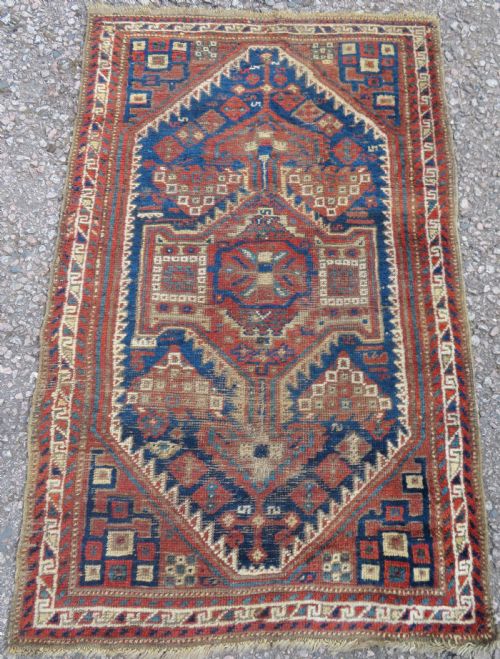
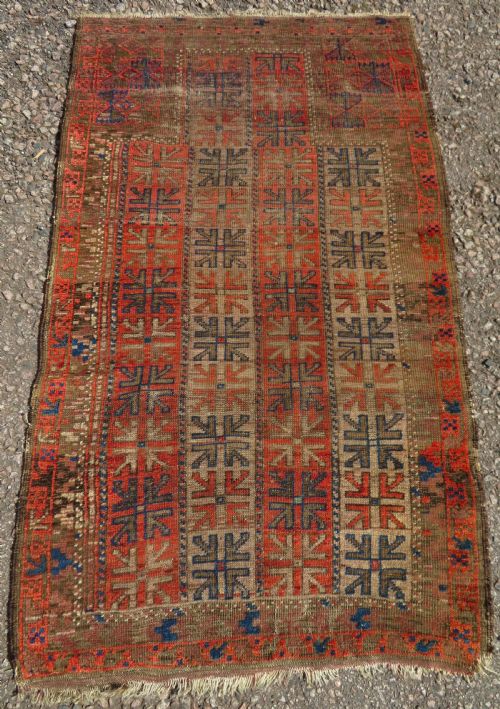
Antique Persian Mat
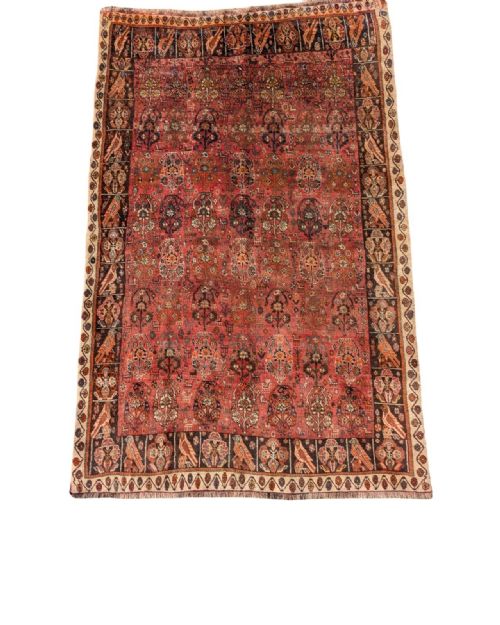
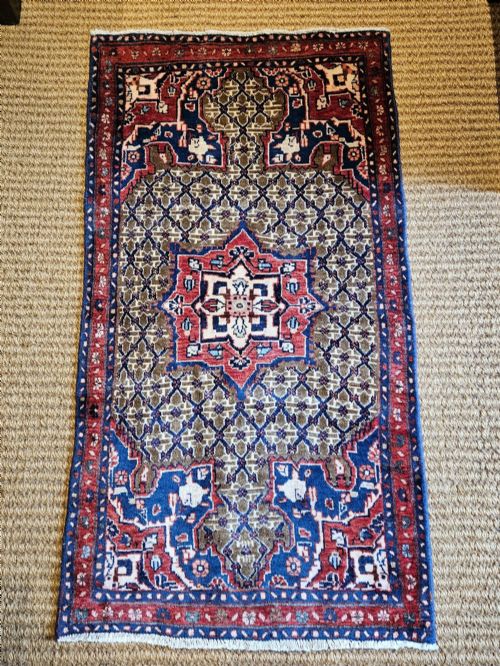
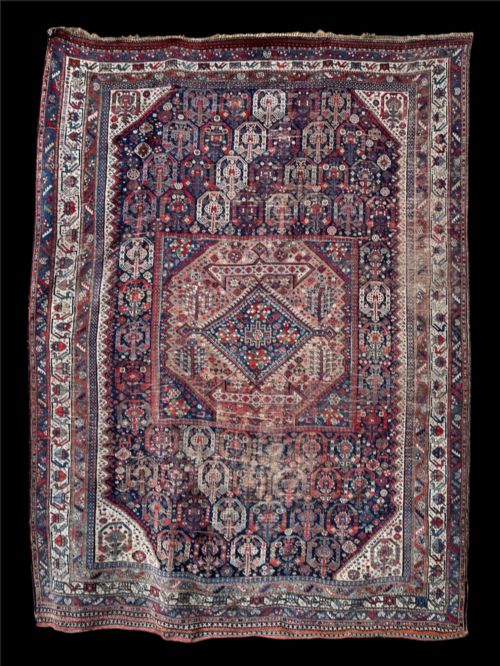
An antique persian mat offers a distinct piece of nomadic or village weaving to anchor a smaller floor space.

Antique Persian Mat
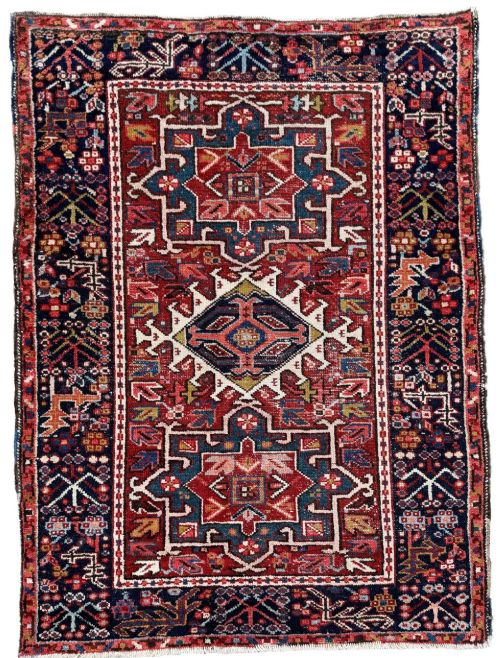
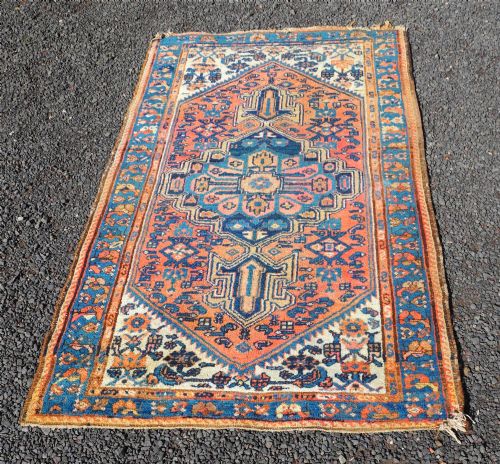
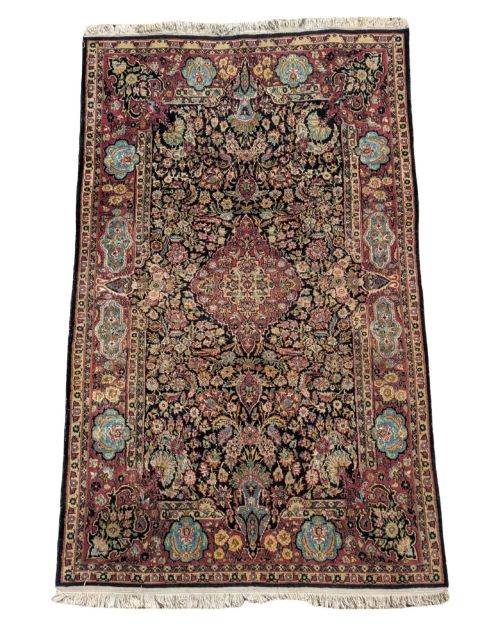
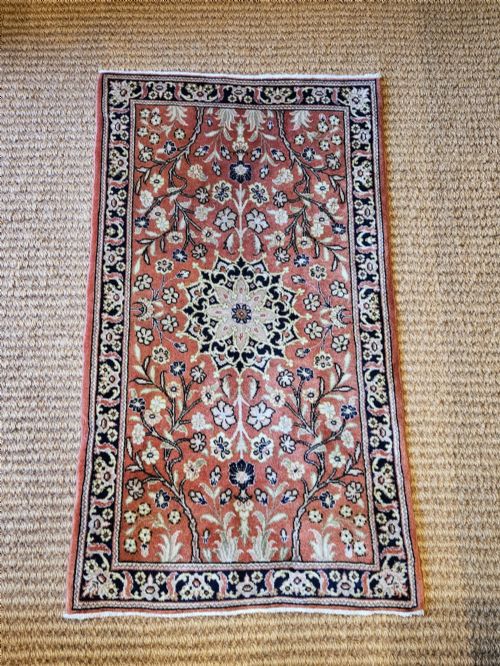
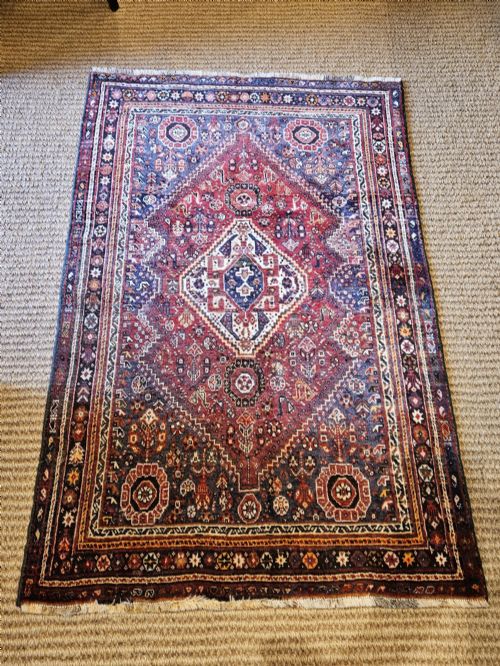
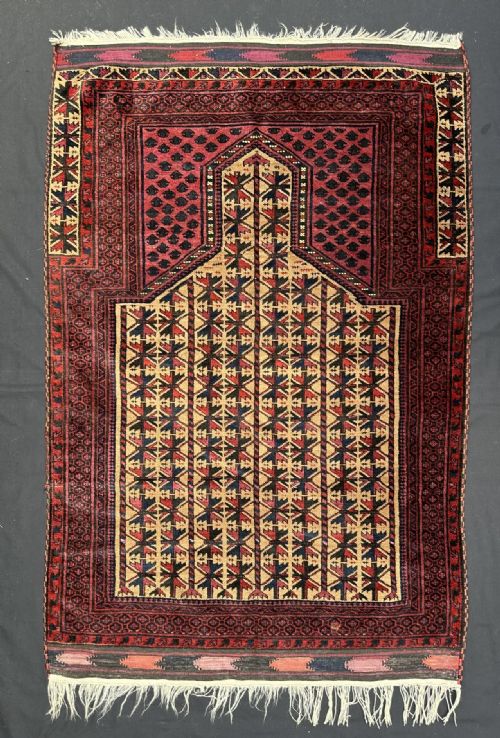
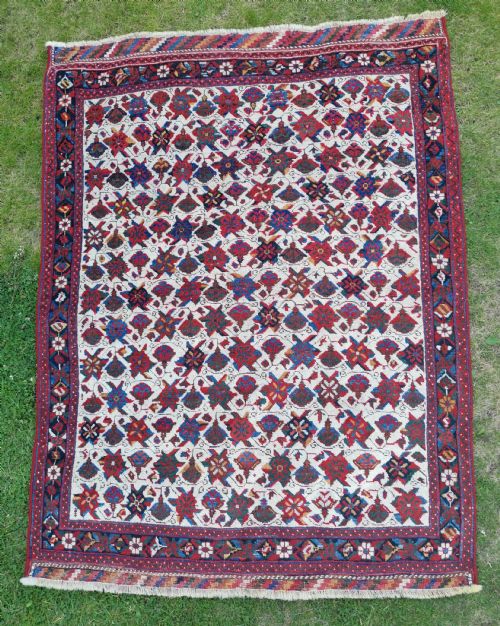
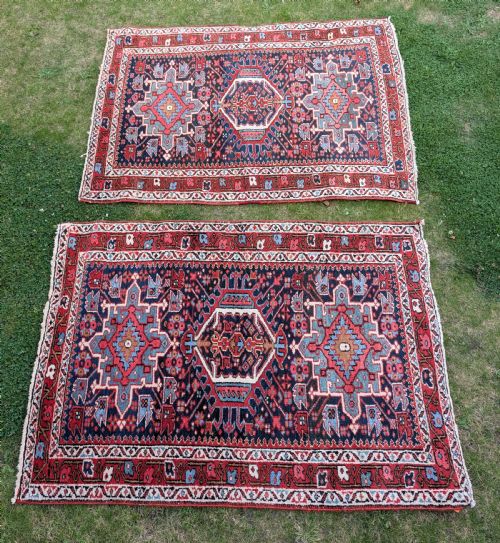
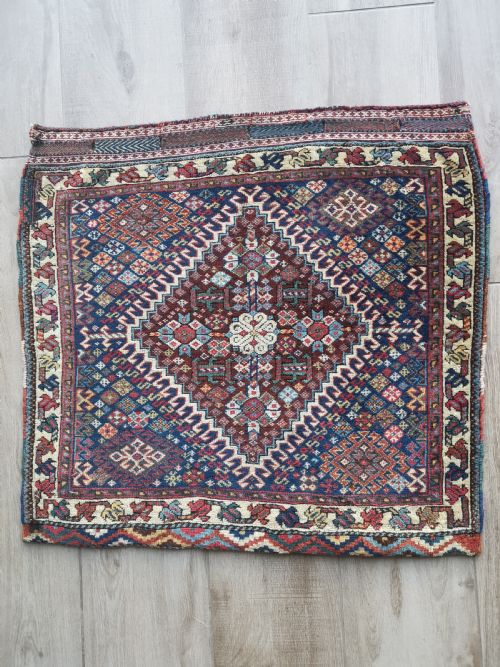
When you search for an antique persian mat, you encounter smaller floor coverings, prayer rugs, bagfaces, and table covers created by various tribes and village workshops. These pieces originate from diverse regions and nomadic confederacies across Persia, capturing traditional weaving practices from the nineteenth and early twentieth centuries.
The selections available range from compact hearth-sized rugs and runner formats to tribal baluch prayer rugs and decorative village pieces like Karaja and Hamadan rugs. Many examples reflect specific regional styles associated with the Afshar, Qashqai, Timuri, and Khamseh groups.
Buyers select these textiles to introduce texture, heritage design, and authentic hand-knotted craftsmanship into domestic interiors. Their modest proportions make them adaptable for placement in hallways, entryways, or beneath small pieces of furniture.
How these pieces were made
Weavers constructed these textiles primarily using wool, cotton, and occasional silk highlights, spun by hand and dyed with natural colourants derived from local plants and minerals. Foundation warps andwefts commonly utilise cotton or wool, supporting dense wool pile knots that endure centuries of use.
Nomadic and village weavers worked on portable horizontal looms or upright village looms without pre-drawn paper patterns, relying instead on tribal memory and transmitted motifs. This manual process accounts for slight irregularities in geometry and dimension across authentic historical pieces.
Bread sofrehs occasionally retain faint traces of ancient flour dust hidden deep within their flatwoven folds.
What varies in quality
Knot density and structural integrity distinguish finer woven specimens from simpler utilitarian counterparts, influencing how sharply defined the motifs appear. Higher grade materials and tighter packing of the weft threads yield a more supple, durable handle.
The richness, stability, and depth of the natural dyes separate exceptional examples from standard ones, as well-chosen colour palettes age gracefully over generations. Artistic expression in the arrangement of tribal symbols and floral vase designs also dictates the standing of an individual weaving.
The Antique Persian Mat Glossary
- Sofreh
- A flatwoven or piled spread used for kneading bread, serving meals, or gathering flour within nomadic households. These textiles frequently display striking geometric layouts.
- Prayer rug
- A small format textile featuring a mihrab or arch design indicating the direction of prayer. Weavers across various tribal groups produced these specialised formats for personal devotion.
- Bagface
- The decorative front panel of a larger nomadic storage sack, preserved after the backing wore away. They function effectively as small wall hangings or compact floor mats.
- Mihrab
- The arched niche depicted on prayer rugs that points toward Mecca. Its styling often helps attribute a textile to a specific region or tribe.
Antique Persian Mat: Frequently Asked Questions
How are antique persian mats cleaned?
Maintenance requires gentle surface vacuuming without the rotating brush bar to protect the aged wool fibres and foundation threads.
Professional textile conservators should handle deep washing to prevent dye bleeding or structural distortion in delicate historical rugs.
Can these mats handle heavy foot traffic?
Many examples were woven for daily domestic use by nomadic or village families and possess robust wool construction suited for moderate walking areas.
Fragile or silk-highlighted specimens benefit from placement in low-traffic zones to preserve their historical pile.
How do I identify tribal designs?
Tribal attributions rely on characteristic colour combinations, specific animal and geometric motifs, and regional weaving structures documented in textile scholarship.
Comparing border patterns and prayer arch shapes against known group examples clarifies the likely origin.
Where should I place a small mat?
The compact dimensions suit placement beside a bed, in a compact hallway, or underneath a small occasional table.
Using a breathable underlay prevents slipping and cushions the textile against hard flooring surfaces.