


Antique Tribal Pillow Face
These antique tribal pillow face textiles bring rich nomadic character into a room through geometric wool pile and flatweave fronts.
Antique Tribal Pillow Face
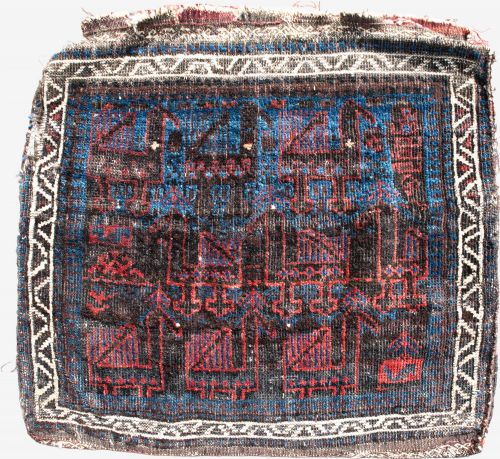
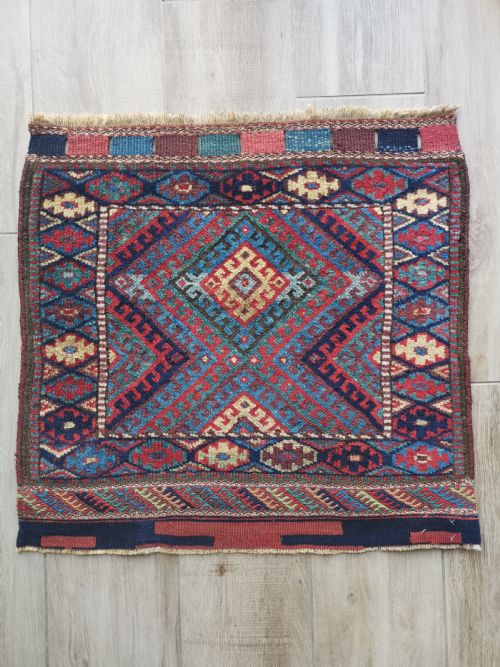
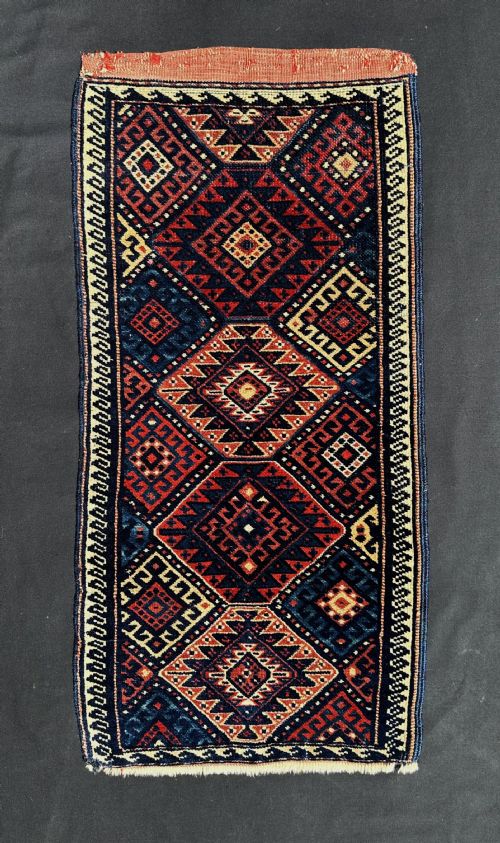
An antique tribal pillow face originates from nomadic and village traditions across Persia, the Caucasus, and Central Asia, serving practical storage roles before adaptation into cushions. When you search for an antique tribal pillow face, you encounter pieces transformed from larger storage bags, torbas, mafrashes, and balisht faces into manageable soft furnishings.
The material record spans the late nineteenth and early twentieth centuries, bringing together Persian Tribal, Kurdish Tribal, Baluch Tribal, and Turkmen styles. These fronts preserve the primary decorative fields of utilitarian sacks woven by tribal groups including the Yomut, Tekke, Ersari, and Qashqa'i.
What separates the best from the rest
Quality rests primarily on the fineness of the weave, the clarity of tribal motifs such as guls and herati patterns, and the vibrancy of the natural dyes. Superior examples display precise knotting density and balanced proportions that accentuate the central medallion or repeat design.
Condition and completeness also dictate distinction, particularly where original borders, structural integrity, and untruncated motifs remain intact. Pieces retaining their original backs or showing minimal restoration hold a stronger connection to their utilitarian origins.
Geographic origins represented across the inventory include Khorassan, Fars, and the Moghan region of Azerbaijan.
The Antique Tribal Pillow Face Glossary
- Balisht
- A traditional tribal pillow or small sleeping bag face. These smaller formats were woven for domestic comfort within nomadic tents.
- Torba
- A small storage bag produced by Turkmen and other Central Asian tribes. They usually feature wide horizontal formats designed for tent wall storage.
- Gul
- A medallion motif repeated across Turkmen and Baluch textiles. Each tribal group utilised distinct gul variants to signal lineage and identity.
- Mafrash
- A large rectangular storage container or bedding bag face. Nomads used these paired structures for transporting household goods during migration.
- Flatweave
- A textile constructed without pile by interlocking warp and weft threads. Techniques like banding appear frequently in Yomut and Shahsevan examples.
Antique Tribal Pillow Face: Frequently Asked Questions
How do I care for my pillow face?
Protect your textile from direct sunlight to prevent natural dyes from fading over time. Gentle vacuuming with a low suction setting without a rotating brush helps remove embedded dust.
Avoid using harsh chemical cleaners or water washing on antique wool. Professional textile conservators should handle any necessary deep cleaning or structural stabilization.
How do I tell different tribal designs apart?
Tribal designs rely on specific repeat motifs, colour combinations, and structural layouts characteristic of particular weaving groups. For instance, Turkmen pieces often feature octagonal gul medallions, while Baluch and Kurdish pieces frequently display bird forms or Herati patterns.
Examining the edge finishes, knotting style, and wool characteristics provides further clues to regional origins. Comparing pieces from regions such as Khorassan or Fars reveals distinct local aesthetic preferences.
Were these originally meant as cushions?
Most of these textiles began as utilitarian storage containers, grain sacks, or bedding bags rather than decorative cushions. Nomads utilised them inside tents to keep belongings organised and protected during seasonal migrations.
Over time, as the bags wore out or lost their utility, their decorative face panels were salvaged and backed to serve as decorative cushions in modern interiors.