

Cream Floral Rug
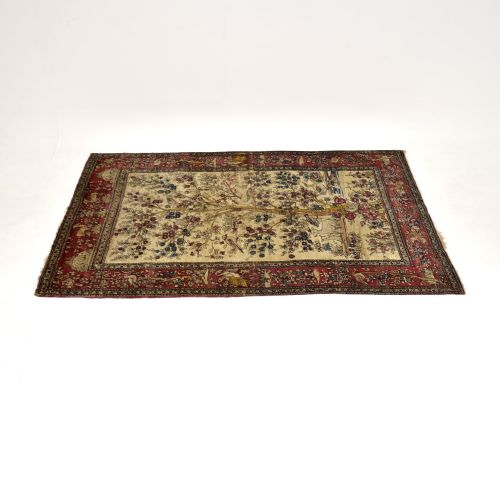
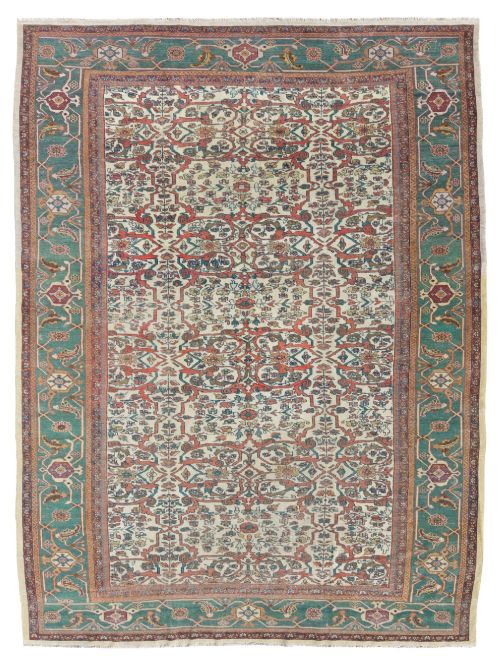
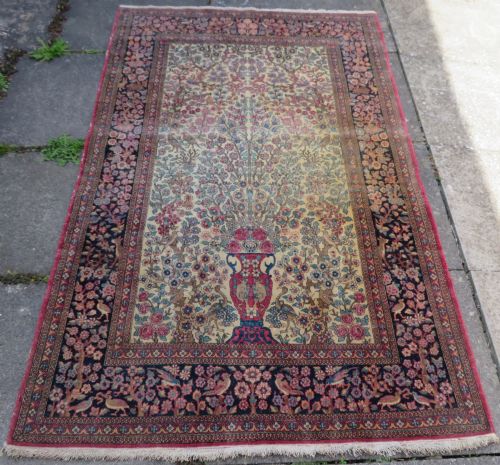
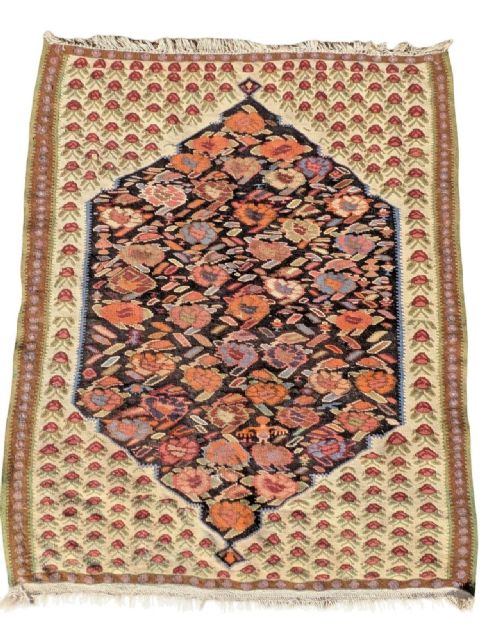
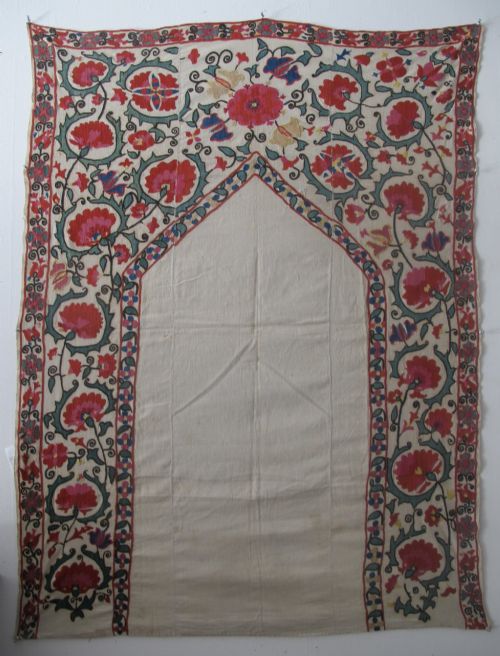
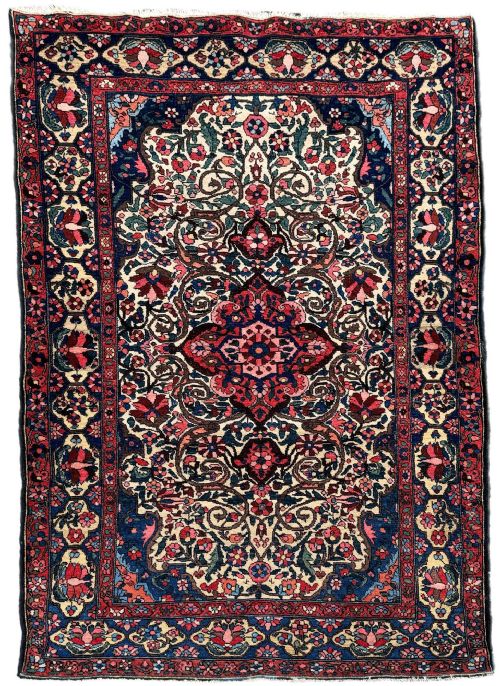
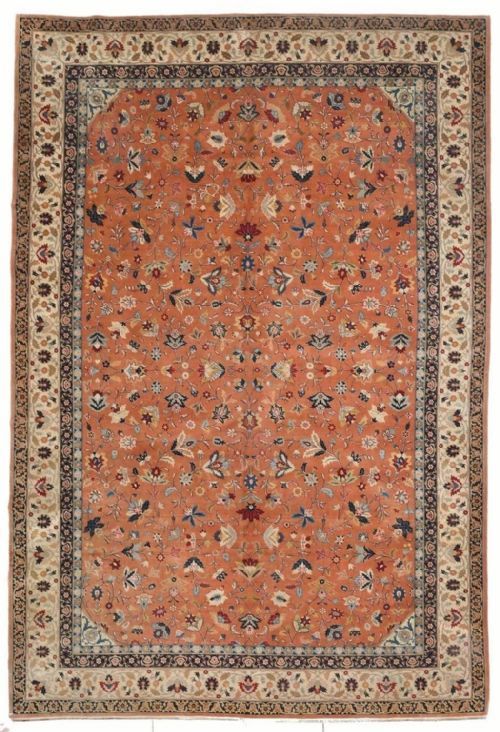
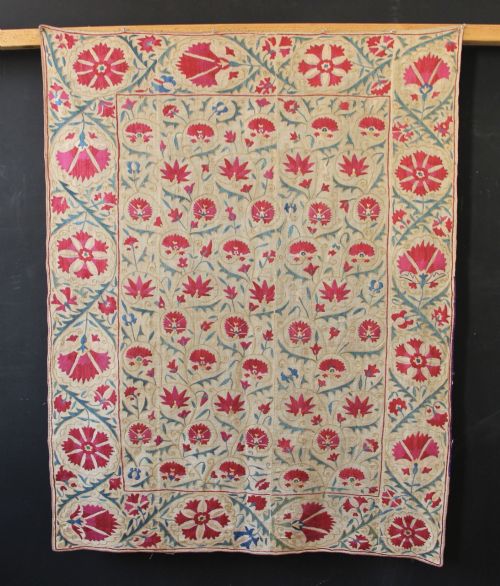
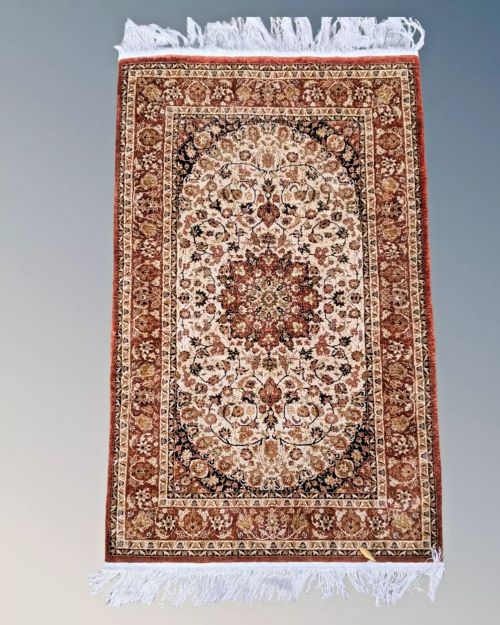
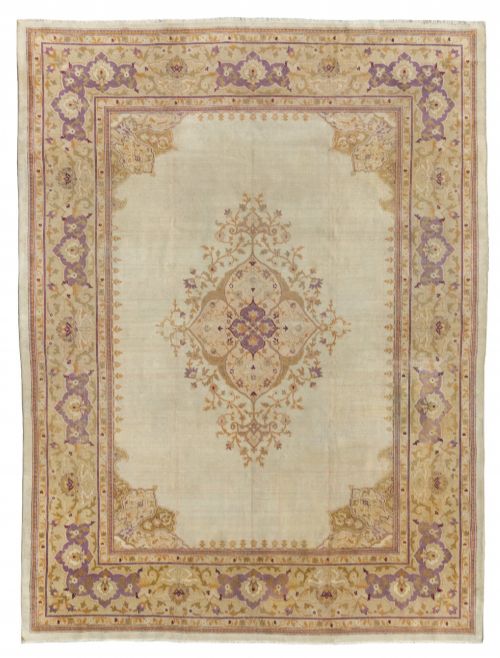
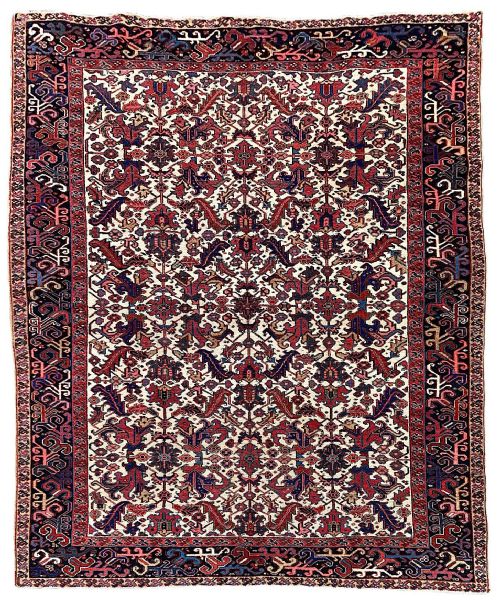
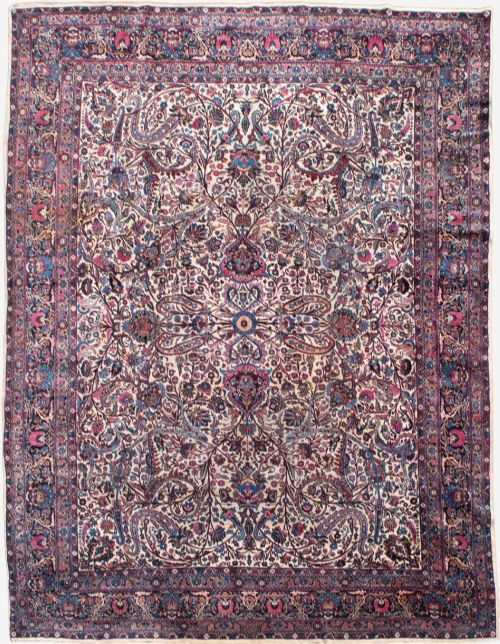
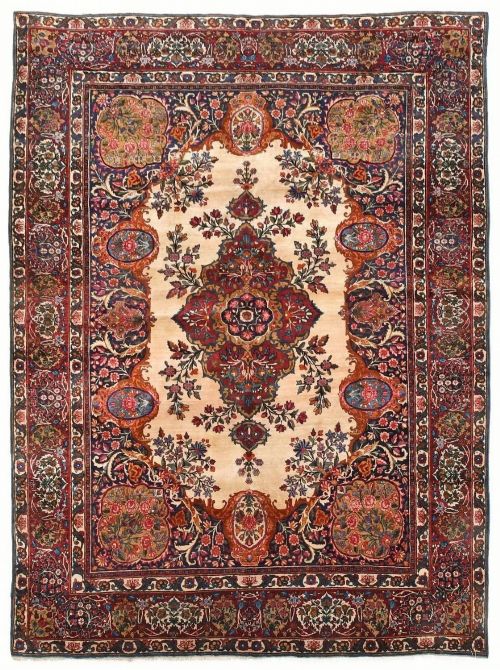
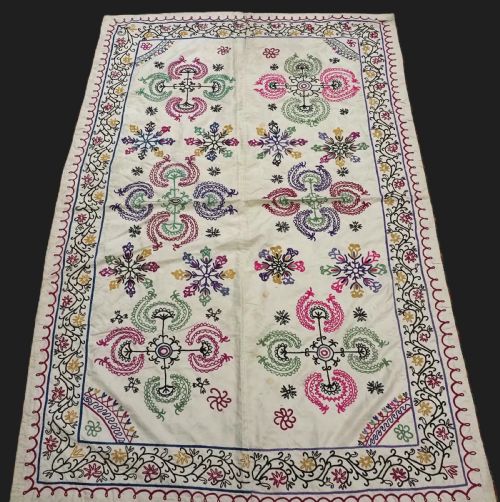
These cream floral rug pieces bring patterned textiles from Persian and Central Asian traditions into domestic spaces.

Cream Floral Rug
A cream floral rug brings patterned textiles from Persian and Central Asian traditions into domestic spaces, drawing on designs originating across the nineteenth and early twentieth centuries. The selection includes Persian styles such as Tabriz, Kirman, and Sultanabad, alongside Central Asian Suzani pieces and European needlepoints.
Buyers encounter room-size carpets, smaller area rugs, and flatwoven kilims originating from workshops and villages between eighteen-fifty and nineteen-forty. These items use floral motifs, tree of life patterns, and vase designs set against light or ivory grounds.
The objects serve as floor coverings and textile wall hangings, constructed in wool, cotton, silk, and canvas. Each piece reflects the regional weaving techniques of its specific period.
How they were made
Makers constructed these textiles using wool, cotton, silk, and linen, employing hand-knotting, flatweaving, and needlepoint embroidery techniques. Wool provided durability for pile carpets, whilst cotton and linen often formed the foundational warps and wefts.
Silk thread appeared in detailed Suzani embroidery and fine pile carpets, creating precise floral outlines and soft surface textures. Artisans utilised natural and early synthetic dyes to colour the yarns before working them into traditional Persian and European designs.
Cream Floral Rug Retail Price Guide 2026
Typical asking prices for cream floral rug among the pieces listed under this phrase on Sellingantiques today, from the lower quarter to the upper quarter. They describe what is for sale here now, not the wider market.
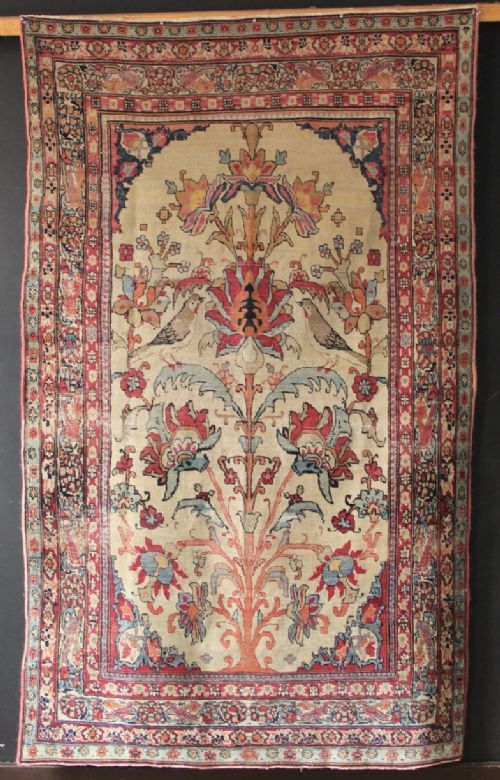
Tree of life designs bring branching flora and sheltering birds directly onto the floor beneath your feet.
What varies in quality
Knot density and material selection dictate the structural integrity of each woven carpet, with finer wool and silk yields displaying sharper botanical details. The precision of the floral drawing and the complexity of the border patterns indicate the skill level of the original workshop.
Condition varies according to pile retention, edge binding, and the stability of the foundation threads across older Persian and European examples. Preserved ivory grounds and intact silk embroidery elements distinguish higher grade decorative pieces.
The Cream Floral Rug Glossary
- Suzani
- An embroidered tribal textile from Uzbekistan, typically worked in silk thread on a cotton or linen ground with floral motifs.
- Kilim
- A flatwoven carpet or rug produced without a pile, common in Persian, Bessarabian, and Central Asian traditions.
- Warp
- The vertical parallel threads stretched on a loom that form the structural foundation of a woven carpet.
- Weft
- The horizontal threads passed through the warps to hold the pile knots and structure in place.
- Pile
- The upright cut or looped yarn surface of a carpet that forms the tactile face of the design.
Cream Floral Rug: Frequently Asked Questions
How do I clean an old floral rug?
Surface dust is removed using gentle suction through a mesh screen, avoiding aggressive vacuum beater bars that damage antique wool and silk foundations.
Professional textile conservation specialists handle deeper washing to protect historical dyes and delicate cotton or linen structures.
Where were these patterned carpets made?
Origins span Persian weaving centres such as Tabriz, Kirman, Sultanabad, and Isfahan, alongside workshops in Uzbekistan, Bessarabia, and Portugal.
Local traditions shaped the specific floral vocabulary, knotting style, and material choices found in each regional piece.
Can I place these rugs in high traffic areas?
Thicker wool pile carpets from Persian village workshops handle moderate walking traffic when protected with a proper underlay.
Fine silk Suzani embroideries and delicate needlepoints suit low-traffic rooms or wall-hanging display to prevent fibre wear.
How do I identify the age of a rug?
Dating relies on examining material types, dye characteristics, structural wear patterns, and regional design traits recorded across the nineteenth and early twentieth centuries.
Stylistic shifts between traditional Persian motifs and European Aubusson influences help narrow the period of manufacture.