

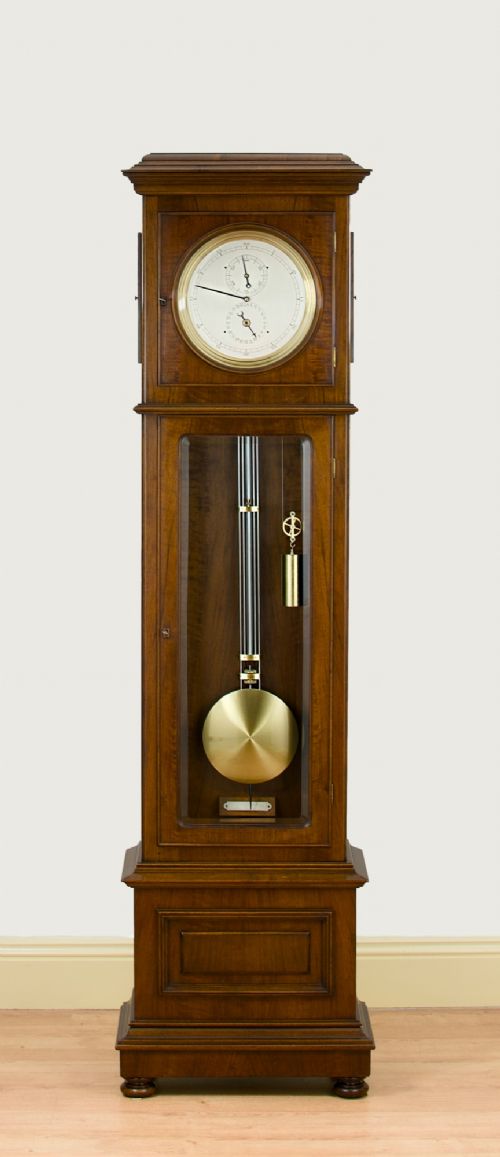


Antique Pendulum Regulator
An antique pendulum regulator provides precise timekeeping through weight-driven or spring-driven precision movements housed in architectural wall or floor cases.

Antique Pendulum Regulator
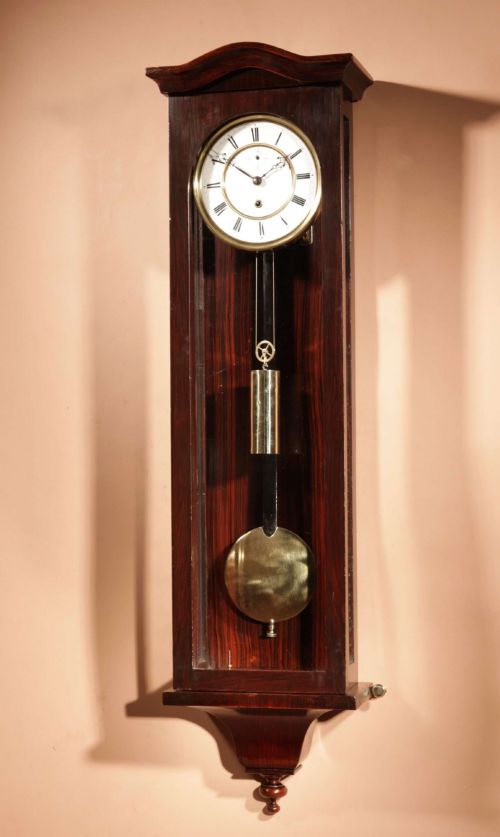
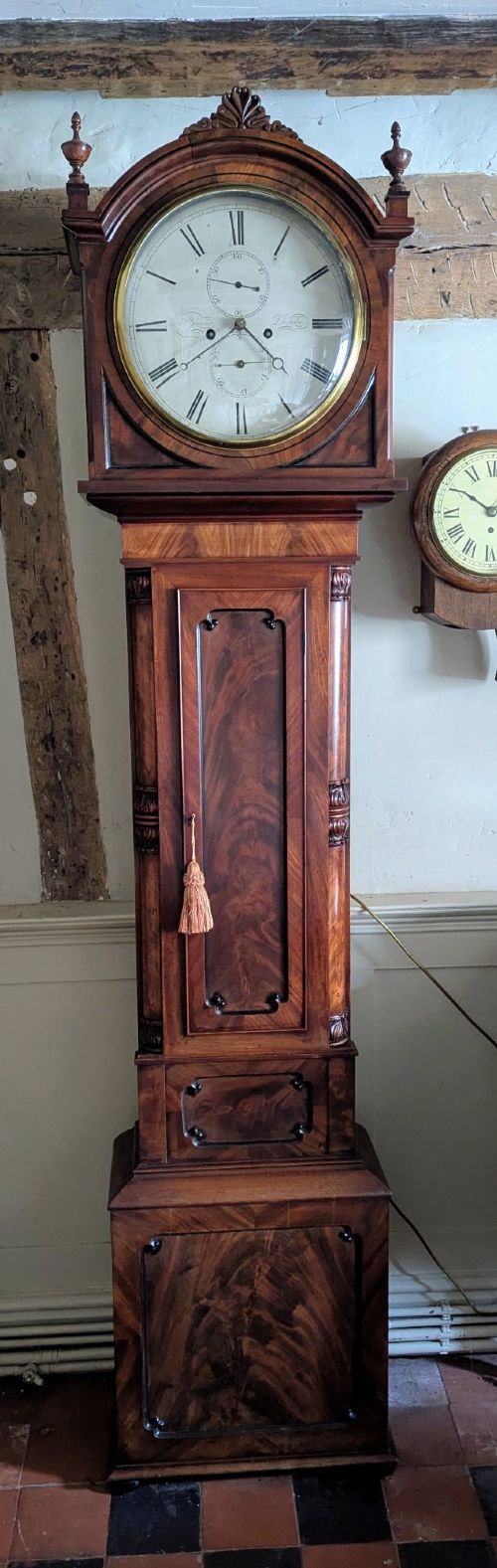
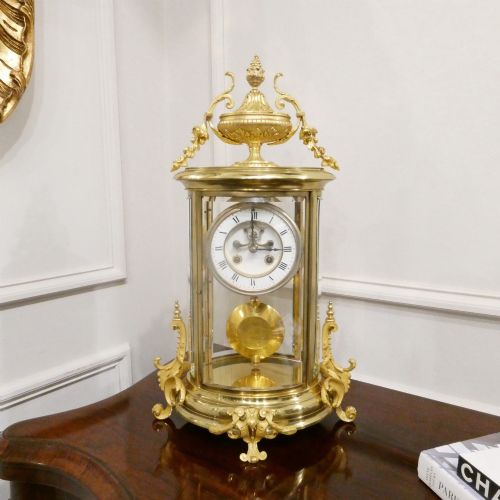
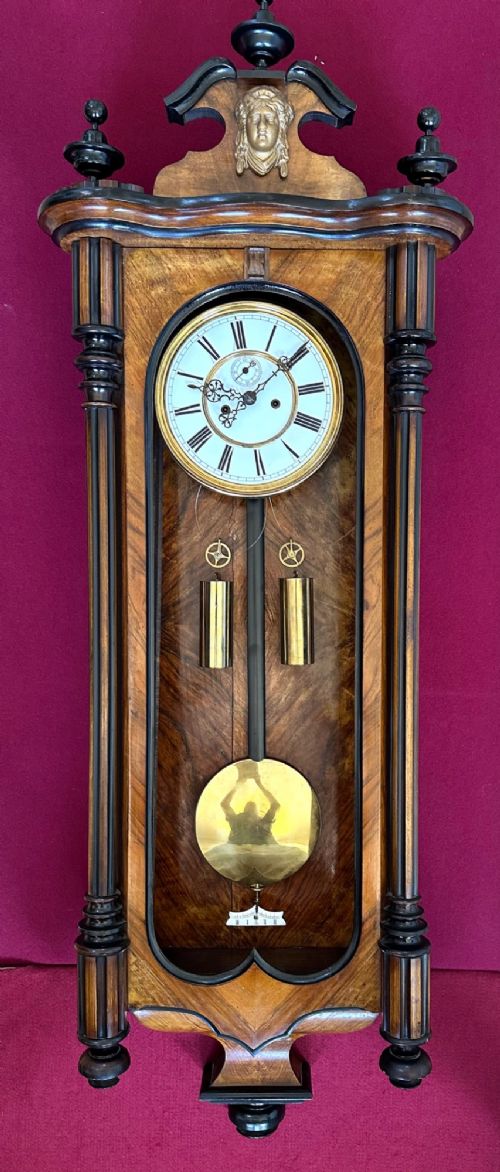
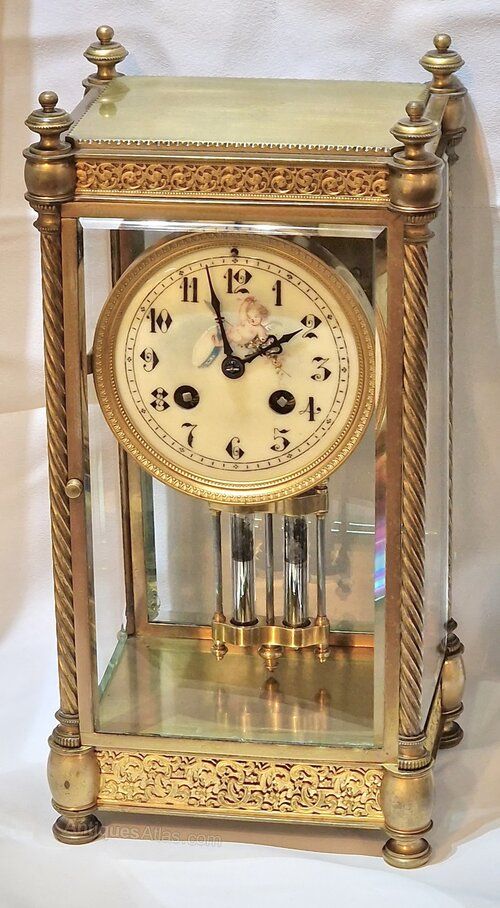
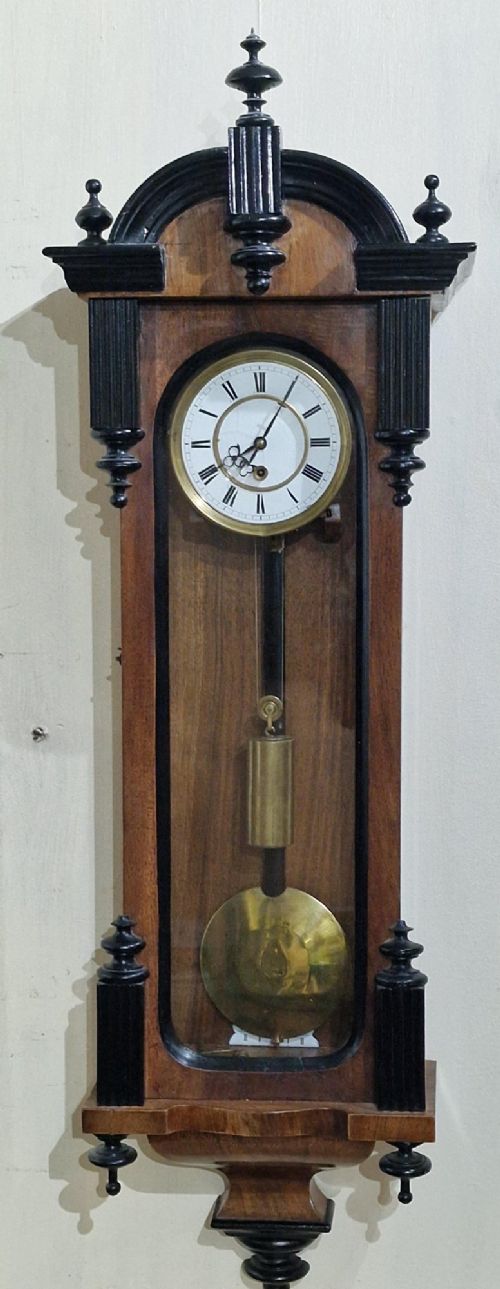
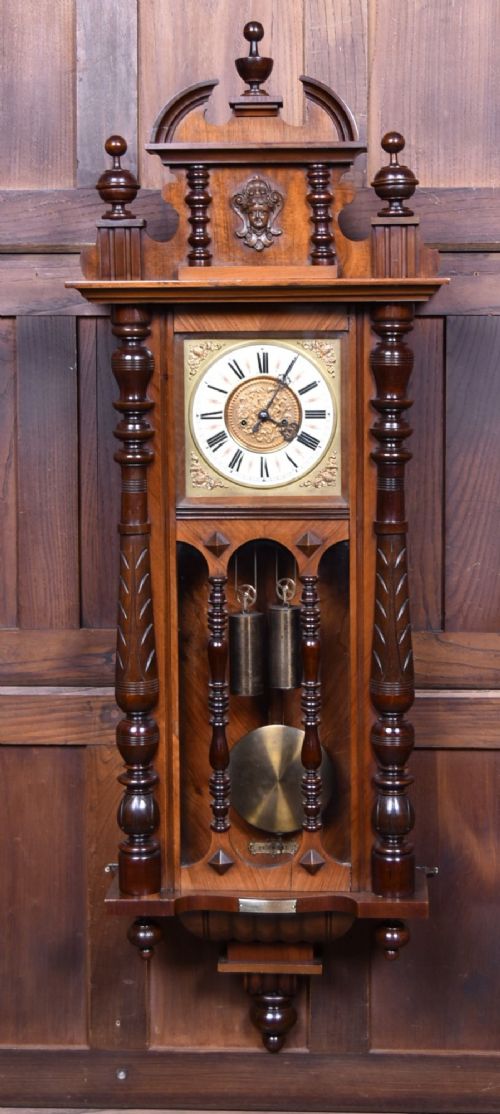
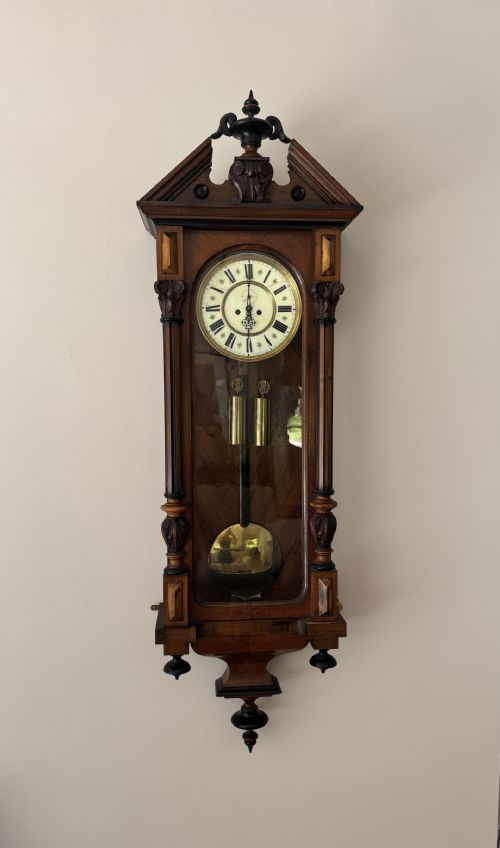
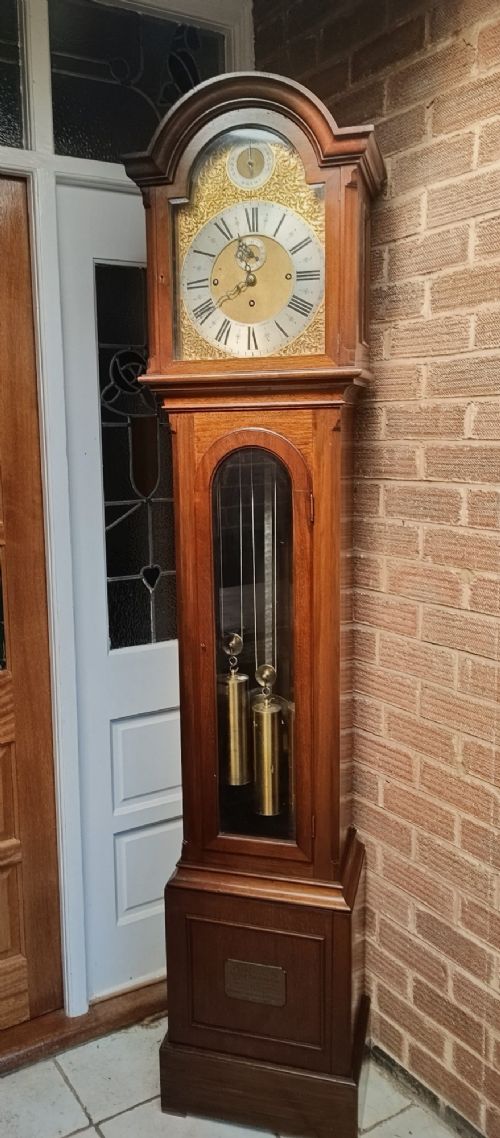
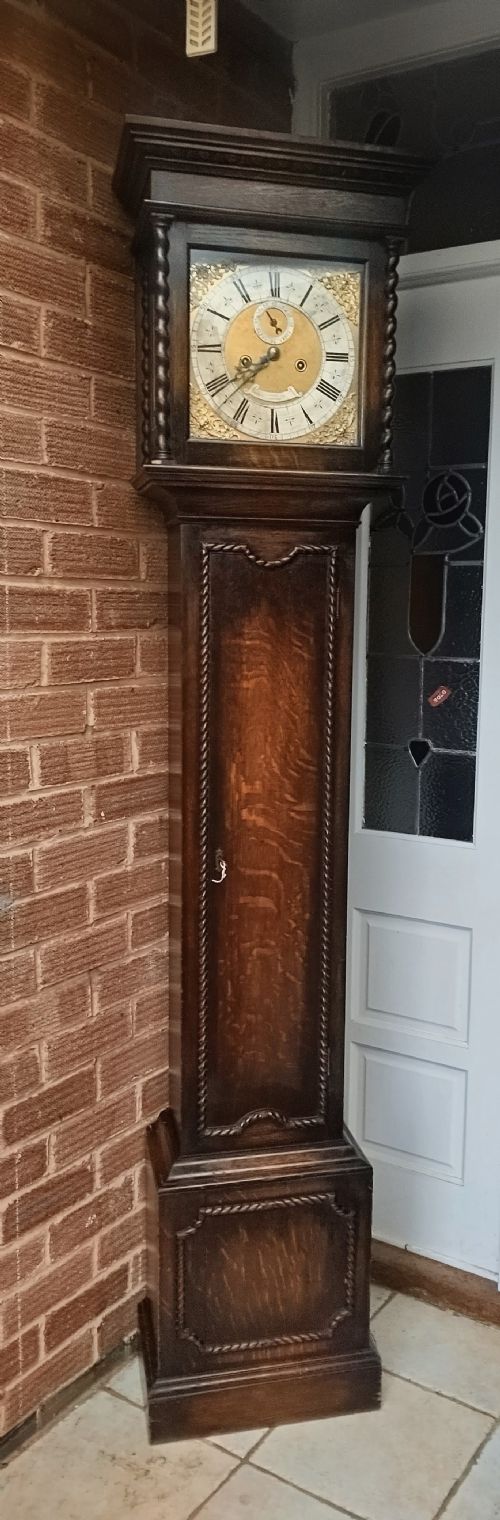
An antique pendulum regulator encompasses precision timepieces designed primarily for accuracy, ranging from wall-mounted Vienna regulators to floor-standing longcase clocks and desk-bound four-glass mantel models. Buyers seeking these instruments encounter pieces originating largely from the nineteenth century, spanning Victorian, Edwardian, and Art Deco periods, alongside earlier Regency examples.
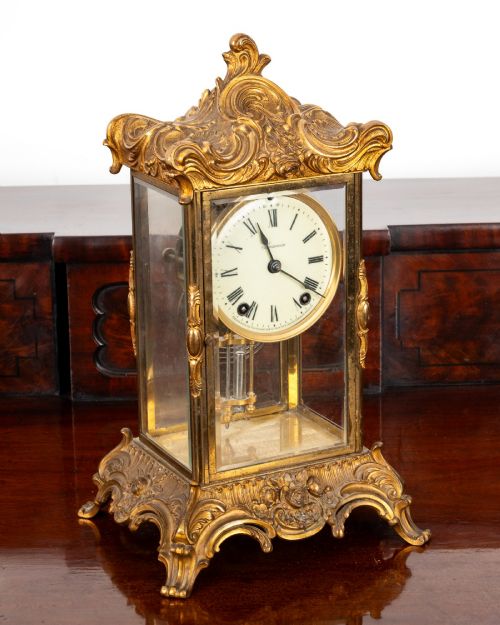
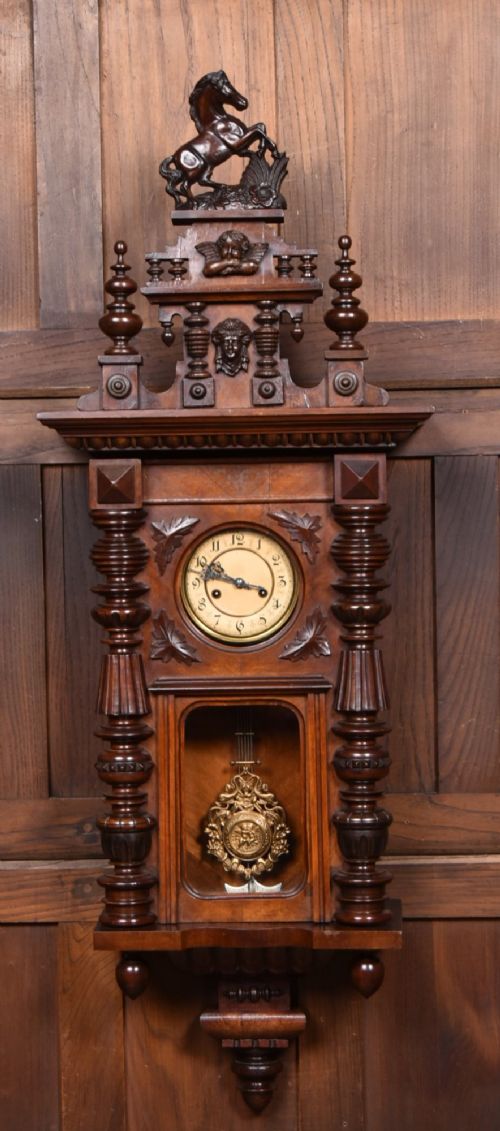
The architectural presence of these clocks varies considerably by format, with wall-hung Vienna styles displaying walnut or ebonised timber cases with glass inspection panels, whilst longcase regulators stand tall in mahogany or maple housings. Mantel variations typically employ brass frames enclosing exposed glass sides that reveal the internal escapement and oscillating pendulum.
Origins stretch across Britain, France, Germany, Austria, and America, bringing distinct regional cabinet-making traditions and movement construction methods to the market. The selection available combines domestic drop-dial wall clocks with complex musical movements and striking mechanisms.
Materials and construction
Timbers such as walnut, mahogany, oak, and burr walnut form the structural cases for wall and floor regulators, frequently accented by ebonised wood details or elaborate carved decorations. Cabinet makers selected these hardwoods for stability and grain figure, housing the intricate brass gear trains and enamel dials securely within.
Metal components utilise brass for movement plates, wheels, and suspension springs, paired with gilt bronze mounts on decorative French mantel and crystal regulator models. Glass panels set into brass bezels protect the delicate paper, metal, or enamel chapter rings while permitting a clear view of the swinging pendulum.
Antique Pendulum Regulator Retail Price Guide 2026
Typical asking prices for pendulum regulator among the pieces listed under this phrase on Sellingantiques today, from the lower quarter to the upper quarter. They describe what is for sale here now, not the wider market.
Certain wall models include automated figures that move in time with the striking mechanism, adding theatrical charm to precision timekeeping.
Assessing craftsmanship and execution
Superior examples demonstrate meticulous precision in movement engineering, such as deadbeat escapements and gridiron pendulums designed to compensate for temperature variations, contrasting with simpler striking movements. The calibre of finishing on the brass gear trains and the crispness of cutting on the pinions dictate long-term timekeeping reliability.
Cabinet work distinguishes high-grade pieces through matched veneer selections, sharp architectural carvings, and well-fitted glass doors that seal dust from the movement. Signature engraving on dial plates or movement backplates by established makers elevates the horological importance of an individual regulator.
Samuel Marti·Ansonia New York·Lenzkirch·Gillett And Johnston
The Antique Pendulum Regulator Glossary
- Vienna regulator
- A precision wall clock originating from Austrian workshops during the nineteenth century, noted for its long glazed door and heavy brass weights driving a visible pendulum.
- Four glass clock
- A mantel or desk clock enclosed by glass panels on all four sides, permitting an unobstructed view of the mechanical movement from multiple angles.
- Fusee
- A conical pulley connected to the mainspring by a cord or chain, designed to equalise the torque delivered to the gear train as the spring unwinds.
- Deadbeat escapement
- An escapement mechanism that prevents the escape wheel from recoiling backwards when the pallet locks, ensuring minimal disturbance to the pendulum swing.
- Longcase clock
- A tall floor-standing timepiece enclosing the pendulum and weights within a vertical wooden trunk, commonly termed a grandfather clock.
Antique Pendulum Regulator: Frequently Asked Questions
How do I wind an antique pendulum regulator?
Winding requires inserting the appropriate key into the dial winding holes and turning gently until resistance is felt, taking care not to overwind spring-driven models.
For weight-driven longcase or Vienna regulators, the winding handle draws the heavy brass weights back to the top of the case via lines or chains.
Where should I hang a wall regulator?
Wall regulators need mounting on a solid, stable wall surface using secure fixings capable of supporting the substantial weight of hardwood cases and glass.
Positioning the clock away from direct sunlight, heating vents, and exterior doors prevents temperature fluctuations from affecting the wooden case and pendulum length.
Why does the clock lose or gain time?
Timekeeping variations usually stem from changes in ambient temperature or the level position of the case, which alters the beat of the pendulum.
Adjusting the regulating nut located beneath the pendulum bob lengthens or shortens the effective swing to correct the running speed.
How do I set the pendulum in beat?
Setting a clock in beat involves listening to the evenly spaced tick-tock rhythm of the escapement as the pendulum swings.
If the sound is uneven, gentle adjustment of the crutch arm behind the dial balances the tick until the rhythm is uniform.