


Antique Pastoral Wall Art
Antique pastoral wall art brings the quiet of the countryside indoors through centuries of painted fields, sheep, and rustic life.
Antique Pastoral Wall Art
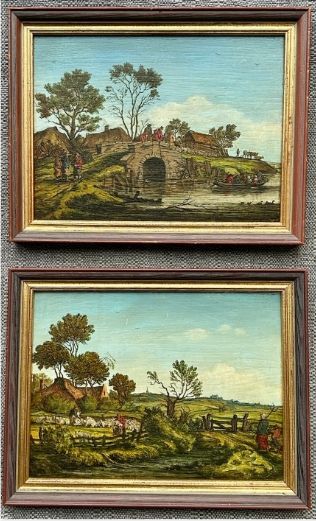
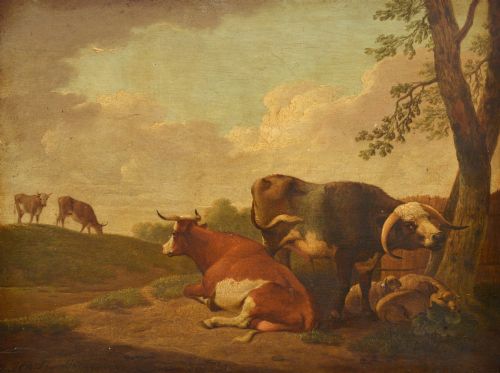
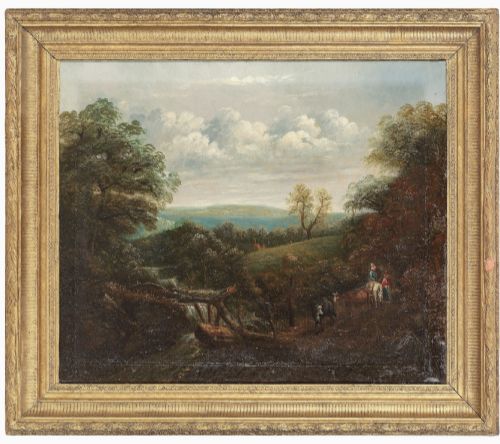
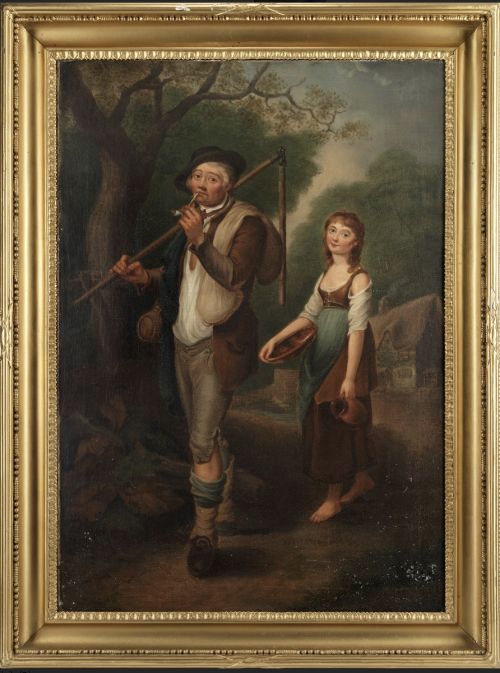
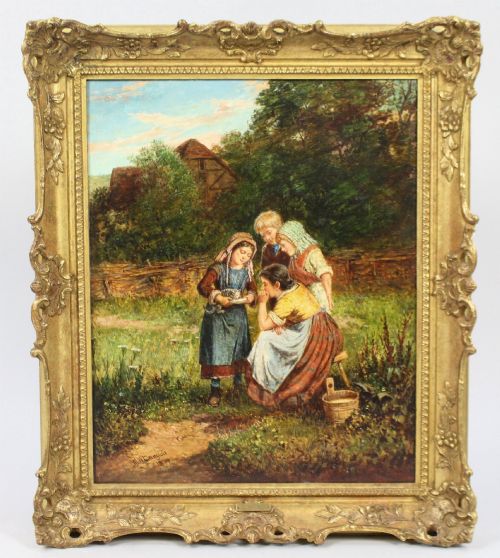
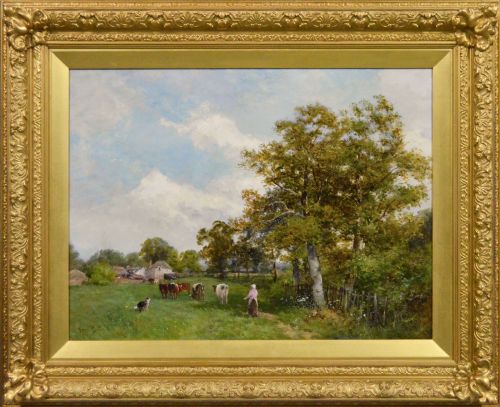
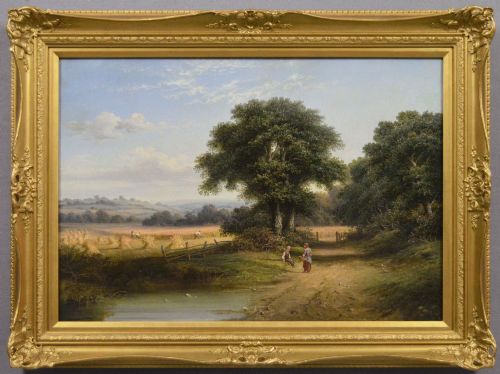
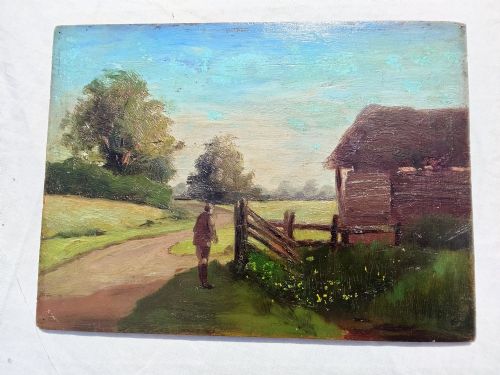
When you search for antique pastoral wall art, you find works depicting rural scenes, farmland, livestock, and country figures spanning the eighteenth, nineteenth, and early twentieth centuries. These pieces capture an idealized or observational view of agrarian life through oil paintings, watercolours, engravings, tapestries, and silk works.
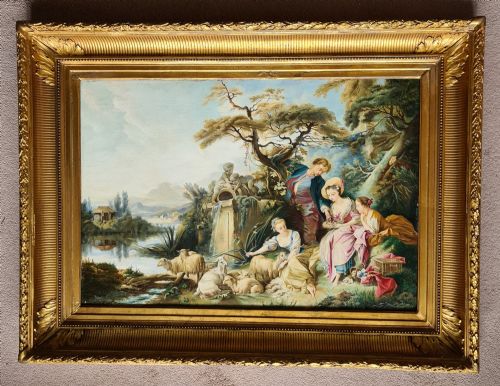
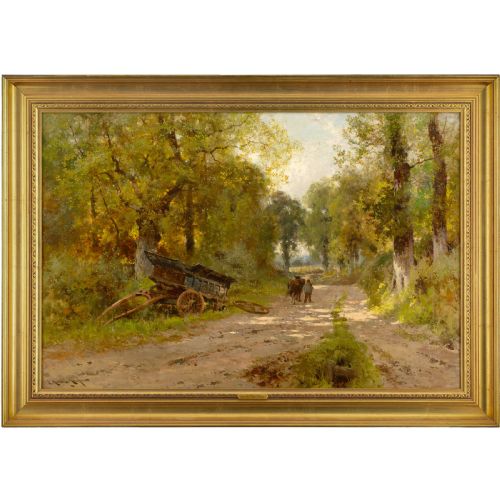
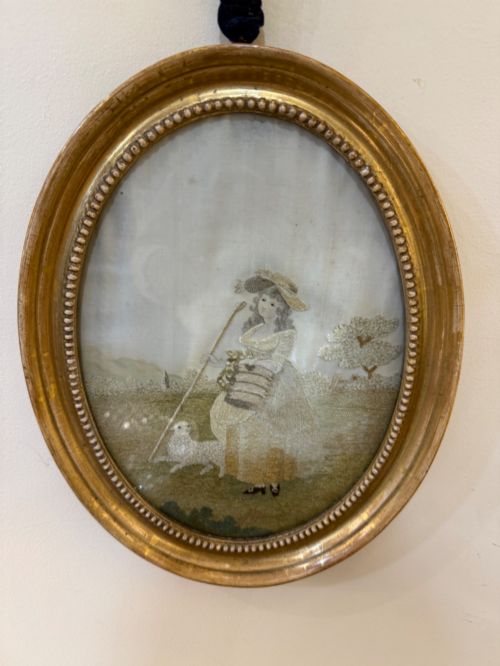
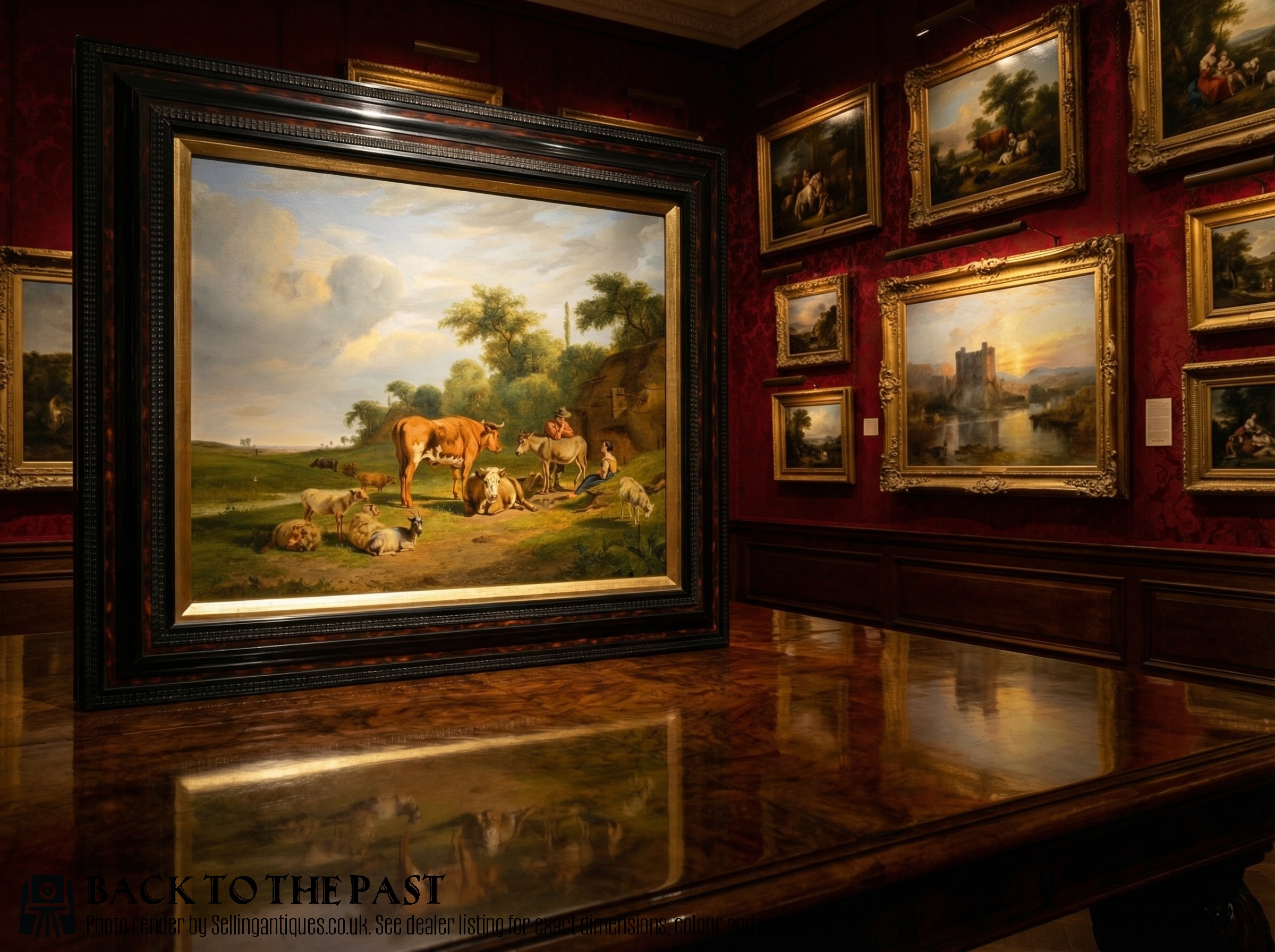
The selections you meet on this page lean heavily towards nineteenth-century oil paintings on canvas and wood panels, alongside Georgian silk works and French verdure tapestries. Subjects frequently include cattle, sheep, shepherds, and harvest paths set within British, Scottish, and continental landscapes.
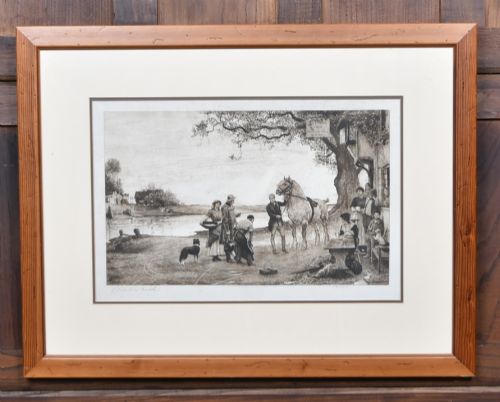
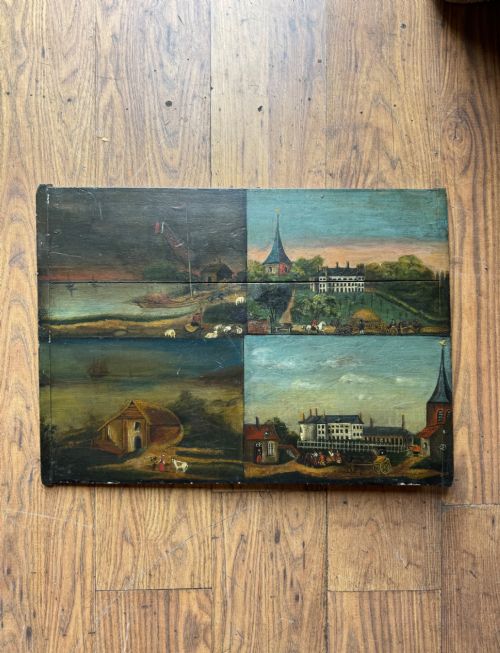
Beyond standard framed canvases, the category extends to textile art, etchings, and triptych wall hangings originating from English, French, Flemish, and Italian schools. These works offer a direct window into historical domestic decoration and academic countryside ideals.
Materials and methods of creation
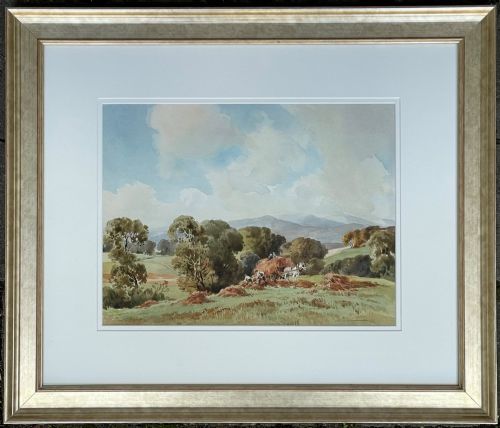
Makers utilised oil paint on stretched canvas, wooden panels, and wooden boards to build depth and texture in rural scenes. Watercolour on paper and detailed engravings on paper also appear frequently across the selection.
Textile interpretations employ silk work and large wool or silk tapestry weaves, such as Aubusson panels, mounted for interior display. Frames often consist of carved wood, frequently finished with giltwood.
Printmaking techniques include etching and lithography, translating original compositions into accessible wall decorations while retaining fine compositional detail.
Antique Pastoral Wall Art Retail Price Guide 2026
Typical asking prices for pastoral wall art among the pieces listed under this phrase on Sellingantiques today, from the lower quarter to the upper quarter. They describe what is for sale here now, not the wider market.
An eighteenth-century Italian canvas reveals a fascinating pentimento where the artist painted over an earlier detail, leaving a ghostly silhouette.
Distinctions in quality
Quality rests primarily in the handling of light, brushwork confidence, and anatomical accuracy of figures and livestock. Superior pieces demonstrate subtle tonal gradations in skies and convincing textures in foliage and fleeces.
The relationship between the artist and the subject dictates the standing of a piece, moving from provincial naive folk art to accomplished academic and school-attributed works. Original signed compositions by established painters command greater artistic regard than secondary engravings or copies.
Materials and framing contribute to the overall standard, where substantial oil panels, fine silk embroidery, and period giltwood frames elevate the presence of the artwork.
William H Myers·Tom Campbell·Percy Lancaster·Francois Boucher·John Horace Hooper·Hendrik Willem Schweickhardt·Thomas Barker of Bath·Mark William Langlois·David Bates·Walter Heath Williams·Robert W Macbeth·Ernest Higgins Rigg·Frederick James Kerr·Robert Watson·Albert Rieger·Jan Miel·George Morland·Charles Edward Wilson·Johannes de Haas·Henry H Parker·Henry Schouten·T C Hofland
The Antique Pastoral Wall Art Glossary
- Pastoral
- Depicting country life, shepherds, and agricultural scenes in an idealized rural setting. This forms the central subject matter of the category.
- Verdure tapestry
- A wall hanging featuring a stylized landscape dominated by foliage, trees, and often animals or birds. These large textiles bring historic warmth and texture to interior walls.
- Giltwood
- Wood carved and covered with a thin layer of gold leaf or gold-coloured powder. It is commonly found on the antique frames enclosing these paintings.
- Pentimento
- A visible trace of earlier painting beneath the layers of paint, showing where the artist changed their mind. It offers insight into the original creation of the work.
- Grisailles
- Paintings executed entirely in shades of grey or neutral grey-green monochrome. This technique creates a sculptural effect resembling stone or relief carving.
Antique Pastoral Wall Art: Frequently Asked Questions
What is pastoral wall art?
Pastoral wall art consists of historical paintings, tapestries, and prints dedicated to rural scenes, agricultural life, and depictions of livestock in nature.
These works reflect cultural appreciation for the countryside, ranging from observed British farmland to classical continental landscapes.
How were antique tapestries displayed?
Large antique tapestries served as functional wall hangings to insulate stone rooms and decorate grand domestic interiors.
Today, these textile panels are mounted on walls as focal points, bringing rich woven texture and historic narrative to a room.
How do I date an oil painting?
Dating an oil painting involves examining the canvas weave, stretcher construction, pigment types, and framing style alongside any artist signatures.
Stylistic cues within the clothing of figures or the rendering of the landscape also help narrow down the period of creation.
Where should I hang a pastoral landscape?
Pastoral landscapes suit living rooms, studies, and dining spaces where their natural subject matter can create a calm atmosphere.
Pairing them with traditional interiors or balancing them in modern spaces allows the historic framing and muted tones to stand out.