


Antique Pastoral Ceramic
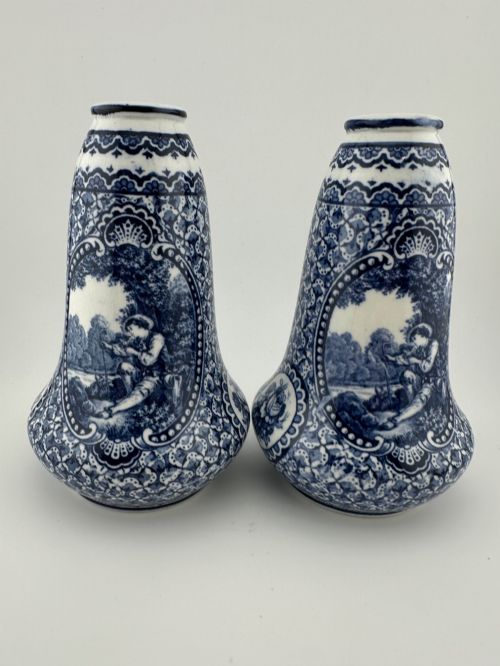
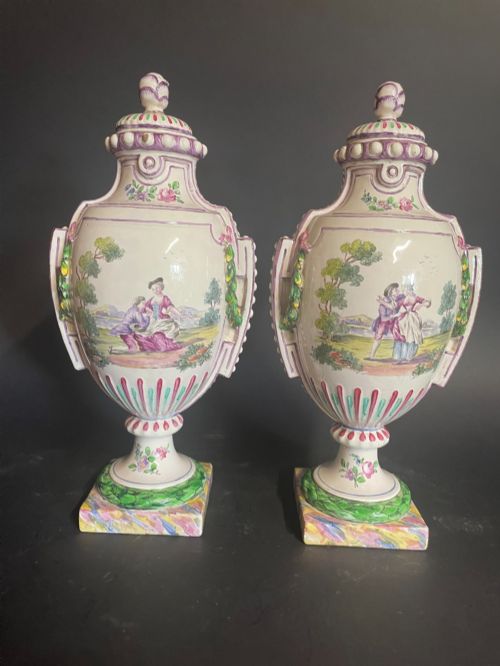
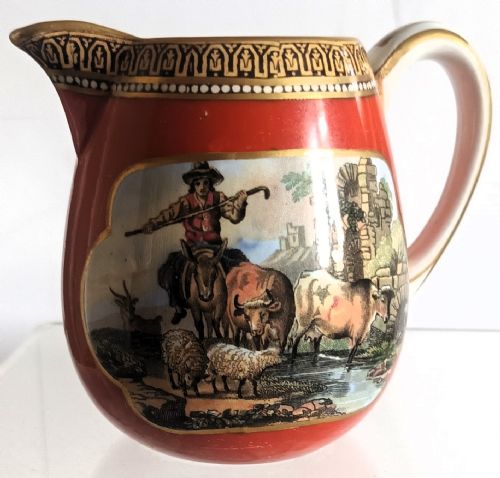
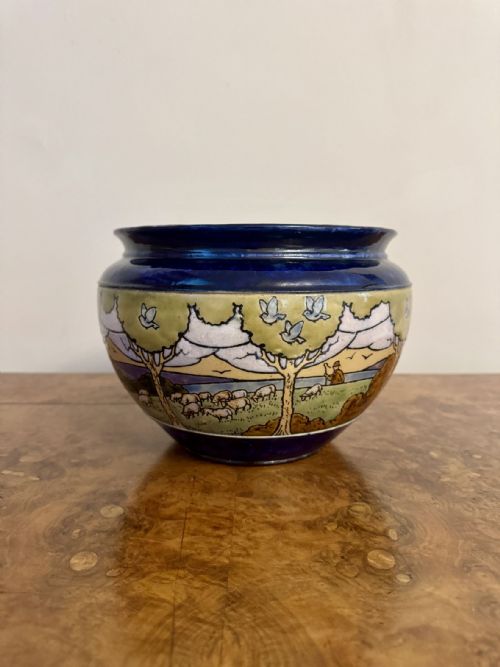
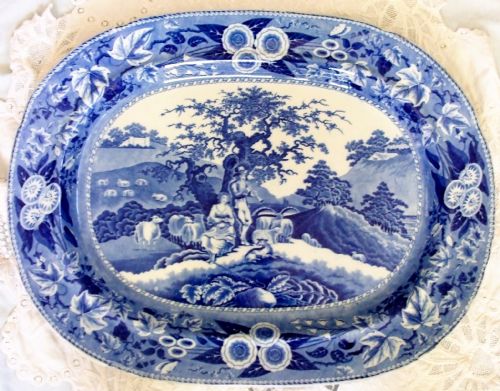
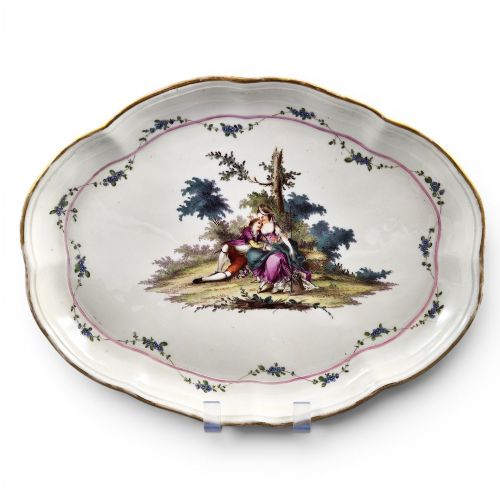
These antique pastoral ceramic pieces capture rural idylls through hand-painted shepherd scenes, rustic figurines, and blue and white transferware.
Antique Pastoral Ceramic
When you search for antique pastoral ceramic, you find items depicting rural life, shepherds, gardeners, and agrarian landscapes from the eighteenth and nineteenth centuries. The selection here leans towards porcelain and earthenware figures, alongside blue and white transfer-printed platters and plates.
The objects take the form of standing figures, figural candlesticks, and domestic vessels adorned with pastoral transfer scenes. Most examples originate from English and continental European potteries spanning the Georgian and Victorian eras.
Materials and production methods
Potters utilised earthenware, pearlware, and porcelain bodies, shaping them into figures by hand or moulding them in sections. Surface decoration relied on underglaze blue transfer printing, polychrome enamels, and painted glazes.
Finishing touches often included gilt highlights or gold leaf applied over the glaze before firing. Continental factories frequently employed bisque porcelain unglazed surfaces to emphasise sculptural detail.
Several porcelain groups feature diminutive sheep with remarkably curly wool clinging stubbornly to miniature grassy knolls.
What separates the finest examples
Quality rests upon the crispness of the modelling in figures and the depth of registration in transfer-printed scenes. Superior items display careful hand-painting over the outlines rather than hurried, uniform washes of colour.
The weight and purity of the ceramic body also matter, with finer porcelain showing translucency and earthenware maintaining smooth, even glazing without excessive bubbling or kiln debris.
Royal Doulton·Meissen·Derby·Sitzendorf·KPM
The Antique Pastoral Ceramic Glossary
- Transferware
- Earthenware or porcelain decorated by applying a design from an engraved copper plate onto tissue paper, which is then transferred onto the unglazed or bisque ceramic body.
- Pearlware
- A refined earthenware developed by Josiah Wedgwood in the late eighteenth century, featuring a bluish glaze that pooled in crevices to make the ceramic appear whiter.
- Bisque
- Porcelain that has been fired once without glaze, leaving a matte, porous surface resembling fine marble.
- Faience
- Tin-glazed earthenware produced in France and other parts of continental Europe, known for its opaque white surface and painted decoration.
- Camaieu
- A method of painting in a single colour, often blue or puce, using different tonal gradations to render a scene.
Antique Pastoral Ceramic: Frequently Asked Questions
What do these pieces depict?
The designs portray idealized rural themes, featuring shepherds, shepherdesses, gardeners, and farm animals alongside pastoral landscapes.
These motifs reflect eighteenth- and nineteenth-century romantic notions of rustic simplicity and agrarian life.
How do I identify porcelain from earthenware?
Porcelain bodies are dense, white, and often translucent when held to a strong light. Earthenware and pearlware are heavier, opaque, and more porous.
Glazes on earthenware can also show fine network cracking known as crazing over time.
Where were these ceramics made?
Production centres span England and continental Europe, with notable output from Staffordshire potteries and German factories such as Meissen and Sitzendorf.
French workshops including Sceaux and various Parisian makers also contributed significantly to the genre.
How should I clean them?
Dust figures and decorative vessels gently with a soft, dry brush to prevent accumulating dirt in intricate mouldings. Avoid immersing old painted or gilt surfaces in water.
Harsh cleaning agents will strip delicate overglaze enamels and gold leaf.