
Antique Painted Wall Mirror
An antique painted wall mirror brings depth and character to a room through time-worn surfaces and traditional craftsmanship.
Identifying your antique painted wall mirror
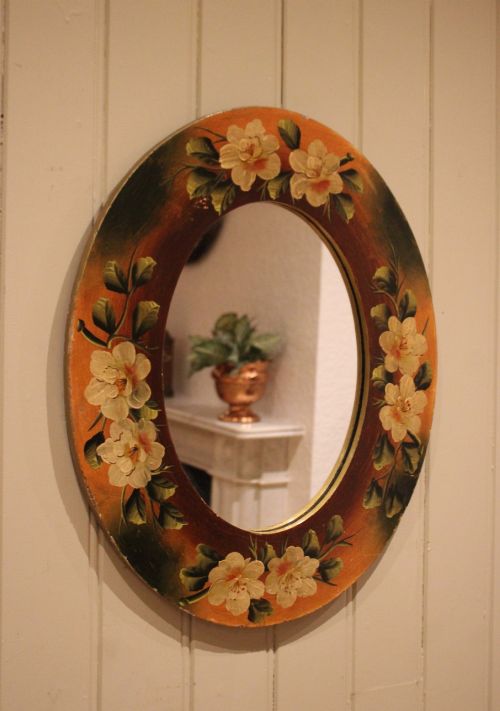
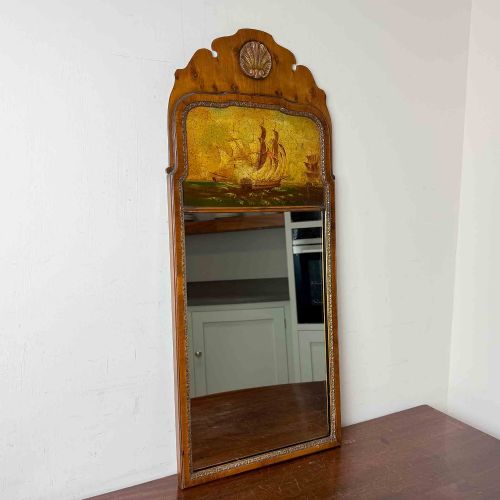
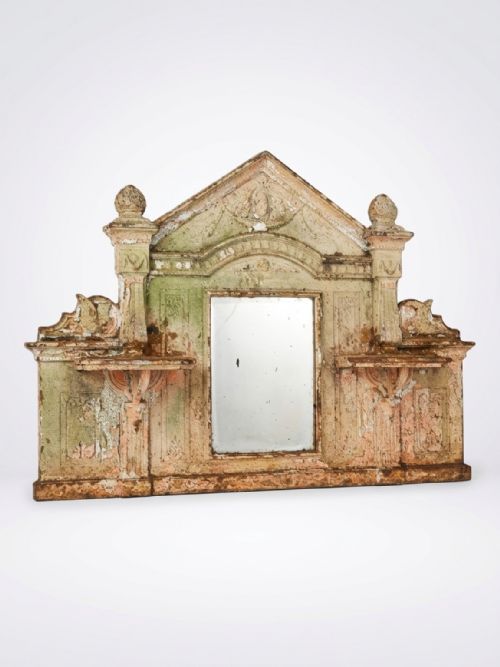
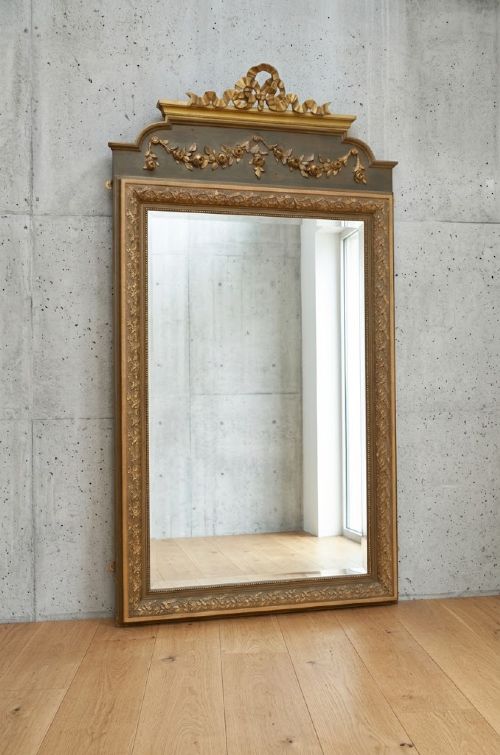
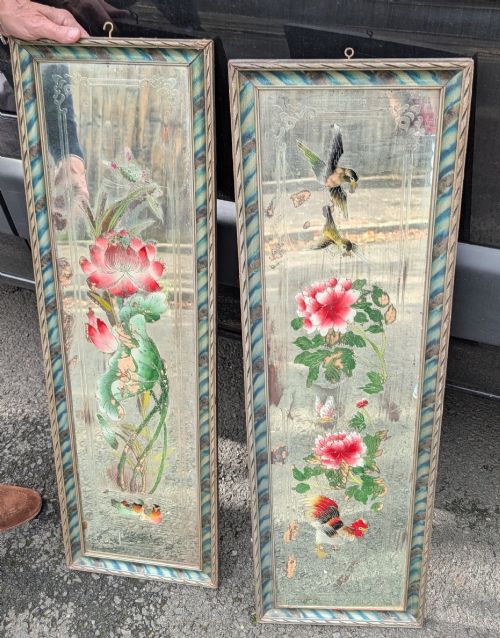
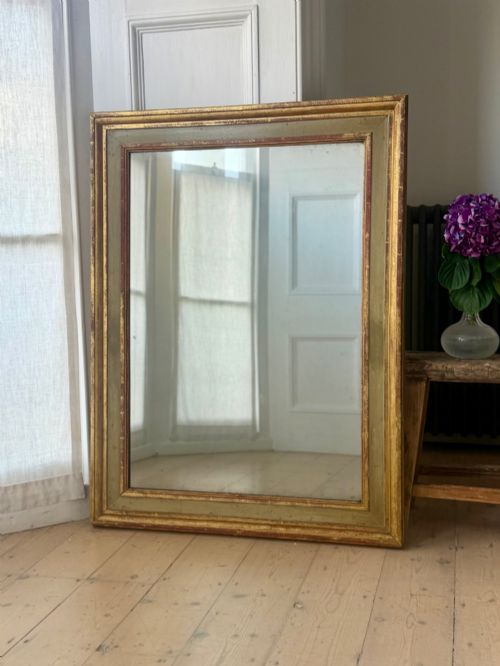
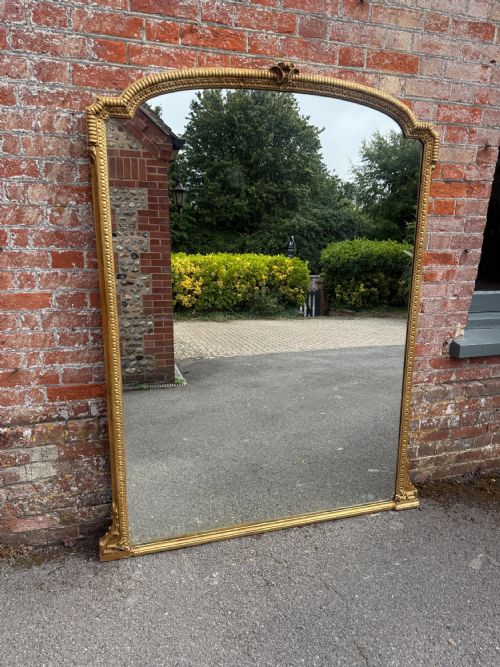
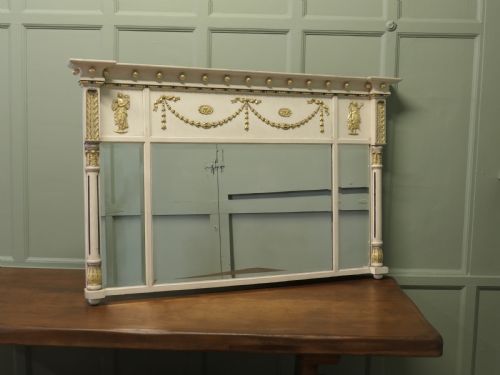
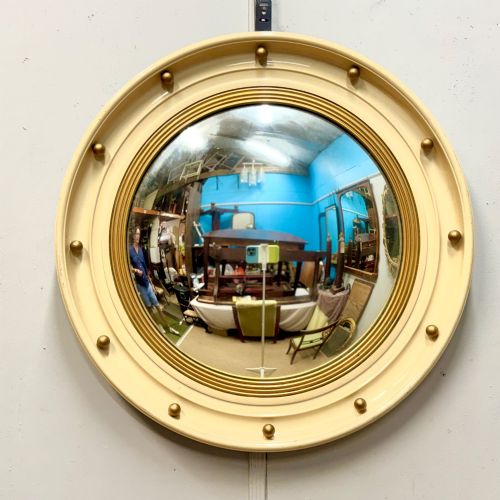
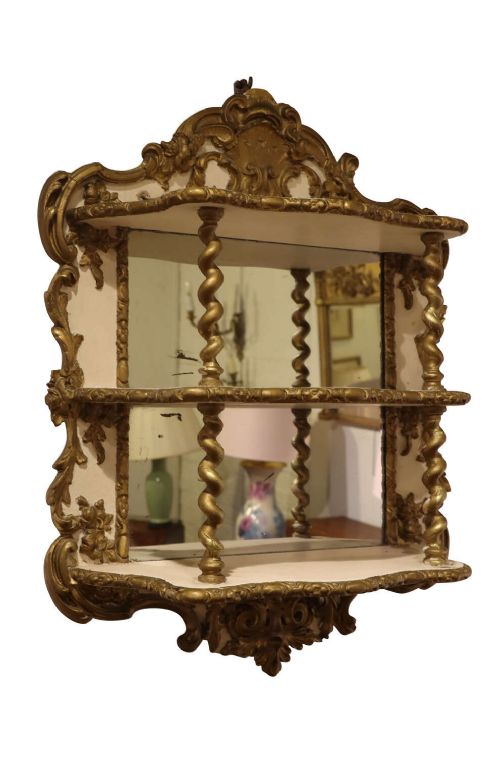
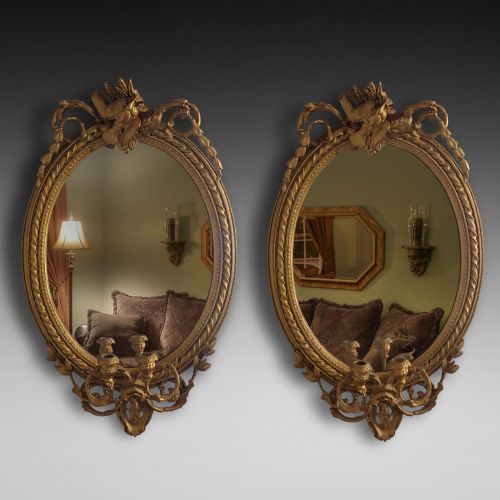
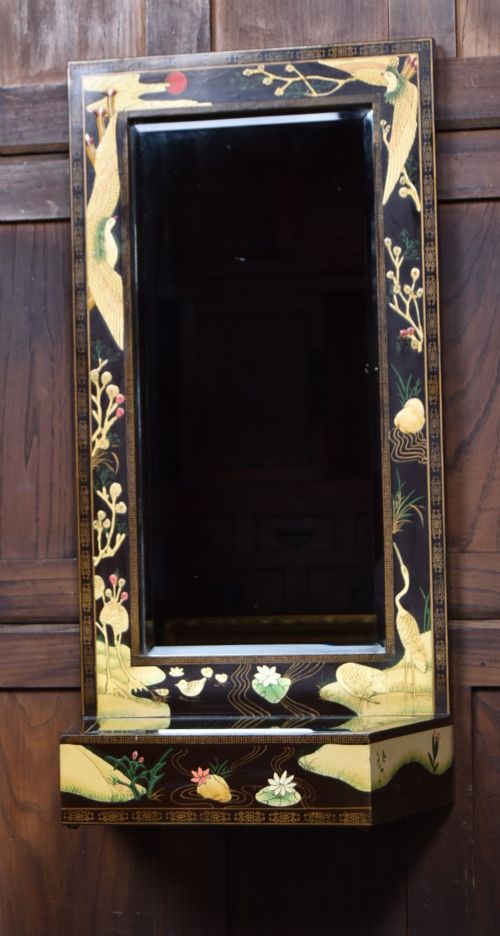
An antique painted wall mirror appears in various forms across this selection, ranging from French provincial pieces to English country styles and Edwardian overmantels. Buyers searching for an antique painted wall mirror will encounter formats such as large chateau overmantels, tall tailors mirrors, and octagonal wall hangings.
Origins span French, English, and Swedish workshops, with periods stretching from the late nineteenth century into the early twentieth century. These furnishings served practical and decorative functions in domestic interiors, utilising painted wooden frames to reflect light and space.
The objects listed display diverse timber constructions finished with paint, gesso, and occasional gilding. Formats adapt to domestic proportions, from intimate wall sconces to substantial overmantel installations.
Construction and materials
Frames are constructed from solid timbers including pine, oak, and carved wood, providing a sturdy architectural foundation for the glass. Artisans applied multiple layers of paint, gesso, and faux finishes such as maple and marble directly onto the wooden substrate.
Gilding and carving often complement the painted surfaces, adding decorative detail to French provincial and classical revival designs. Mirror glass is set within these frames, sometimes featuring bevelled edges produced by period glass-cutting techniques.
Evaluating quality and finish
Quality rests in the harmony between the wooden structure, the depth of the hand-applied paint, and the integrity of the original mirror plate. Superior examples exhibit nuanced carving, well-preserved gesso, and genuine age within the painted finish rather than uniform modern coatings.
The distinction between standard domestic items and high-status pieces lies in the sophistication of the decorative scheme, whether through elaborate French chateau styling or subtle English country execution.
The Antique Painted Wall Mirror Glossary
- Gesso
- A plaster-like material applied to wood frames to create a smooth surface for painting or gilding. It allows craftsmen to model intricate relief ornamentation.
- Overmantel Mirror
- A large mirror designed to hang specifically above a fireplace mantelpiece. These pieces often feature horizontal proportions suited to architectural settings.
- Trumeau Mirror
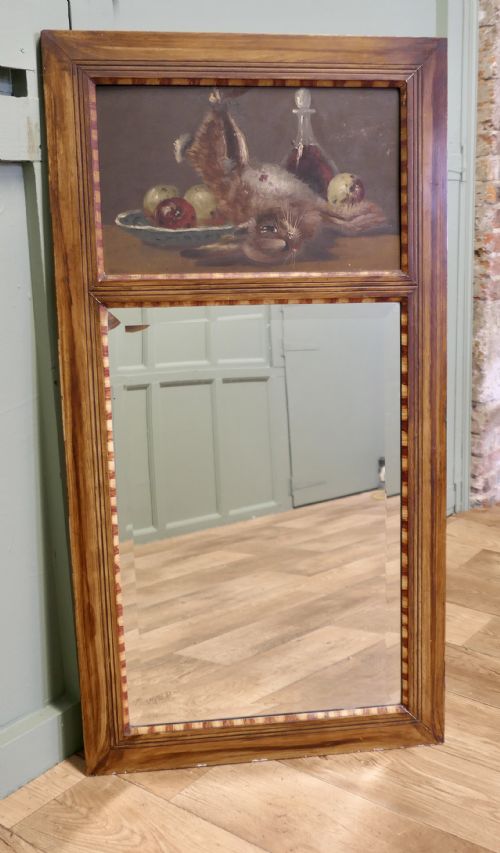
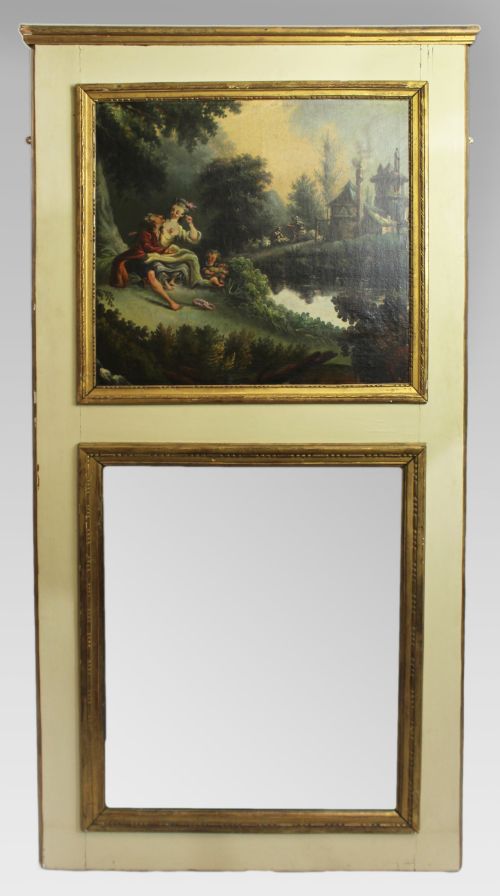
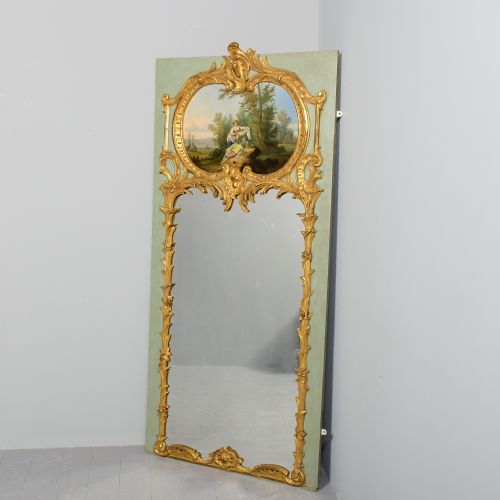
- A decorative wall mirror combined with a painted panel or artwork above the glass plate. Originating in France, these pieces integrate wall panelling with reflective glass.
- Faux Finish
- A decorative painting technique used to imitate more expensive materials like marble or exotic woods. Craftsmen applied these finishes to pine and other accessible timbers.
- Bevelled Glass
- Mirror glass with angled or sloped edges cut around the perimeter. This technique catches light and frames the reflection distinctively.
Frequently Asked Questions
How do I hang a heavy overmantel mirror?
Substantial mirrors require secure fixing directly into wall studs or masonry using appropriate brackets and fixings. Professional installation is recommended due to the combined weight of the wood frame and glass.
Ensure the hanging wire or integrated D-rings match the total weight distribution of the specific piece before mounting.
How should I clean the painted frame?
Dust the painted surface gently with a dry, soft cloth to prevent accumulation of dirt. Avoid chemical cleaning agents that might degrade original nineteenth-century paint layers.
Moisture should be kept away from exposed wood and gesso to preserve the historical integrity of the finish.
Are the mirror plates original?
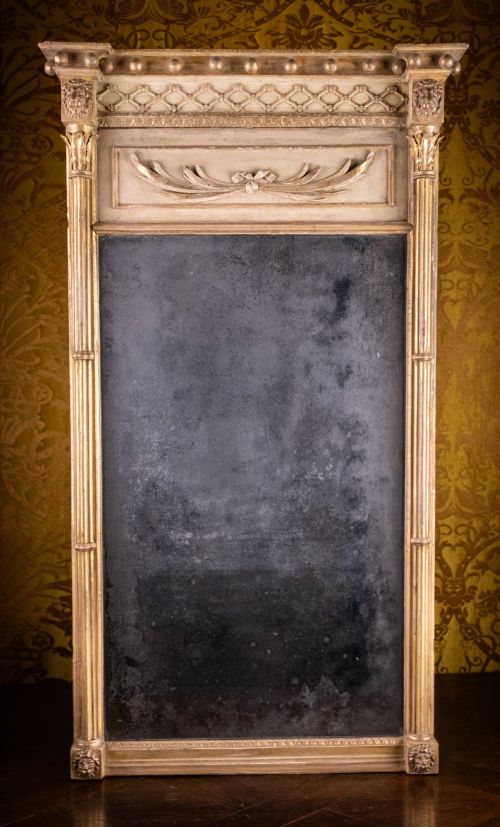
Many pieces retain their original glass, which often exhibits characteristic foxing, minor speckling, and silvering loss. These optical imperfections confirm the age of the object.
Replacement glass is occasionally fitted during conservation, though period plates remain preferred by collectors for authenticity.
How do I identify French provincial styles?
French provincial mirrors typically display softer carved motifs, lighter painted palettes, and generous proportions suited to chateau interiors. Details often include classical symmetry and refined gesso work.
English country alternatives tend toward simpler timber construction and straightforward utilitarian forms.