

Antique Painted Urn
An antique painted urn brings classical elegance and hand-finished artistry to a room, offering a focal point shaped by centuries of ceramic and metal traditions.
Antique Painted Urn
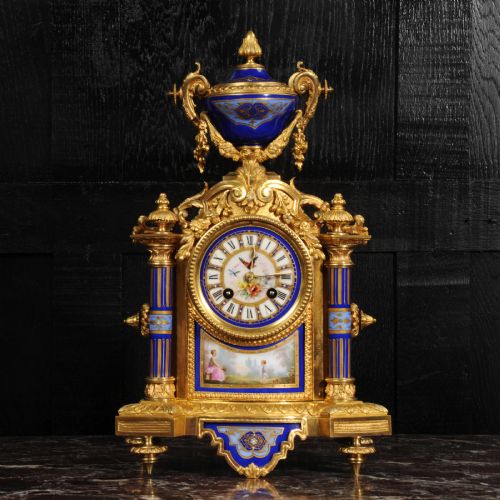
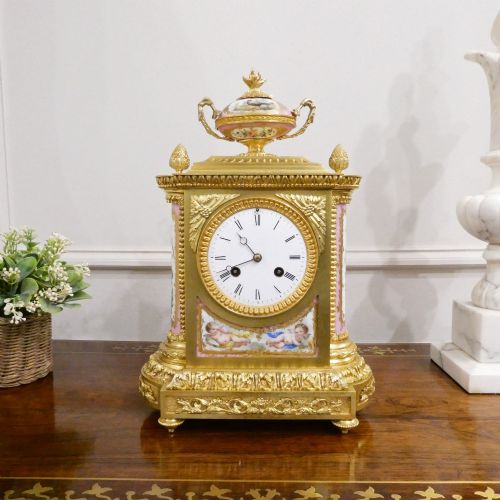
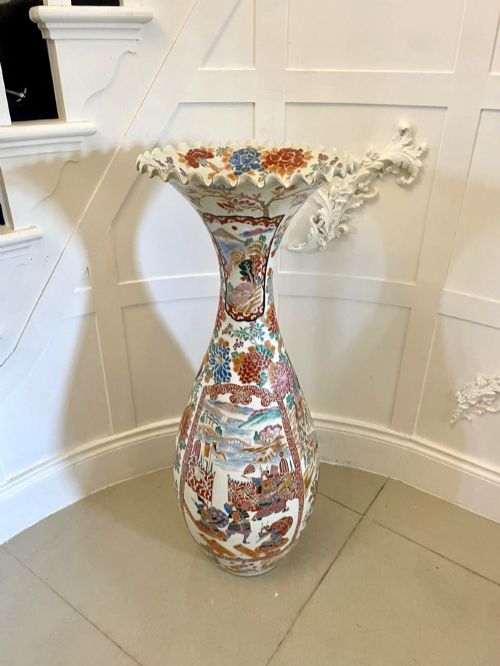
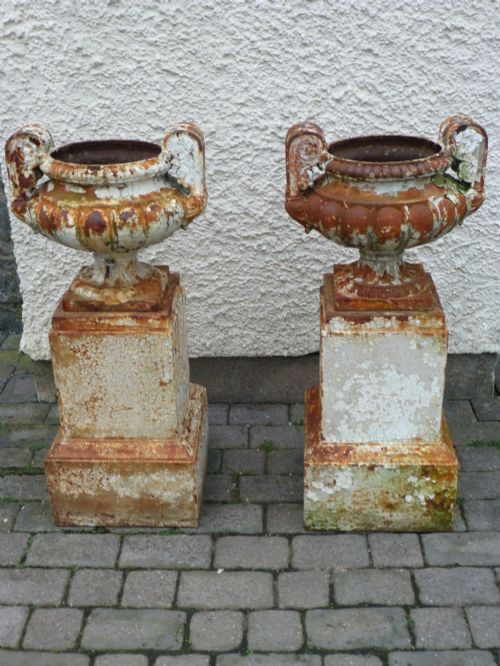
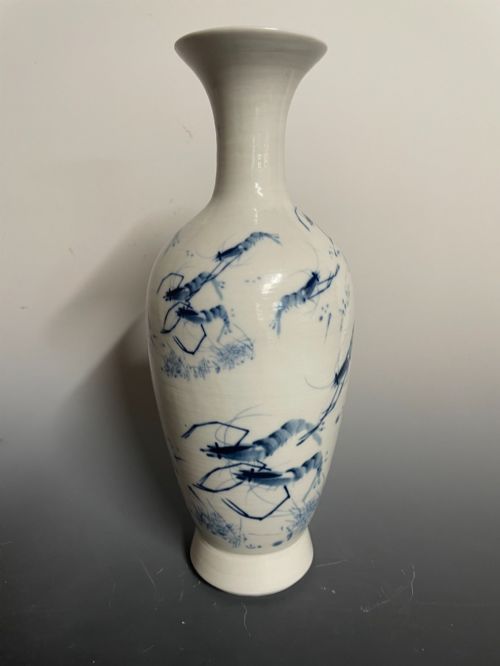
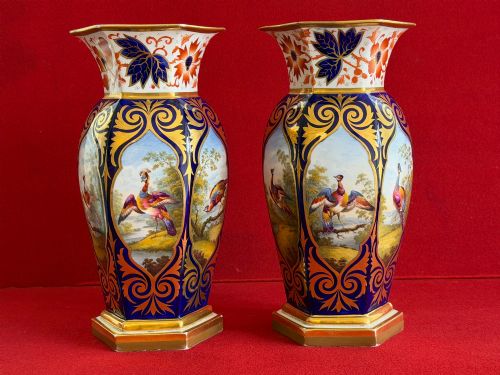
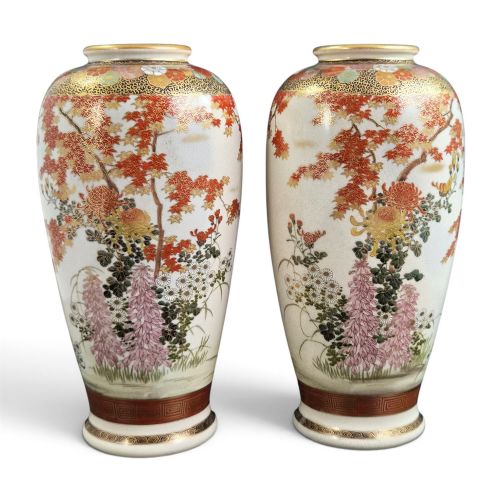
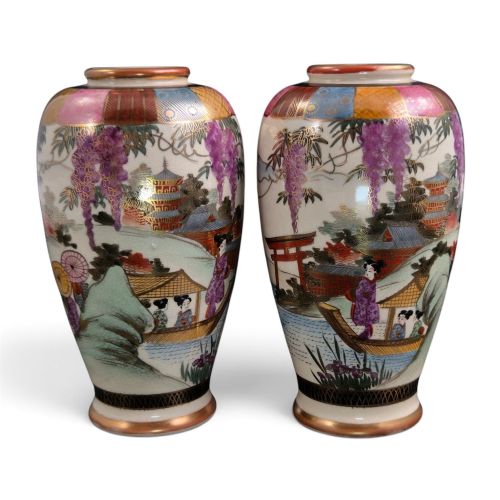
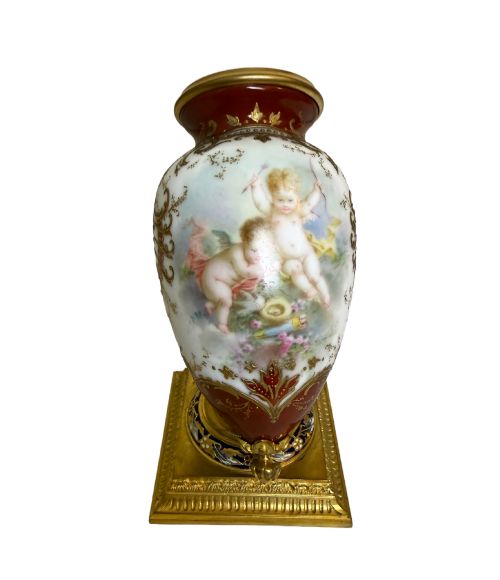
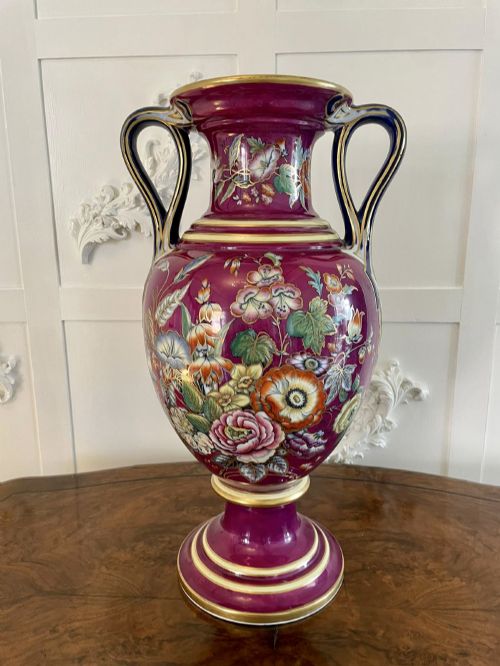
The term antique painted urn encompasses a diverse group of decorative vessels designed in various classical and revivalist forms. Buyers searching this phrase encounter porcelain, earthenware, and cast iron pieces spanning the eighteenth, nineteenth, and early twentieth centuries. These objects range from delicate cabinet vases and mantel clocks to large floor-standing jardinieres and garden vessels.
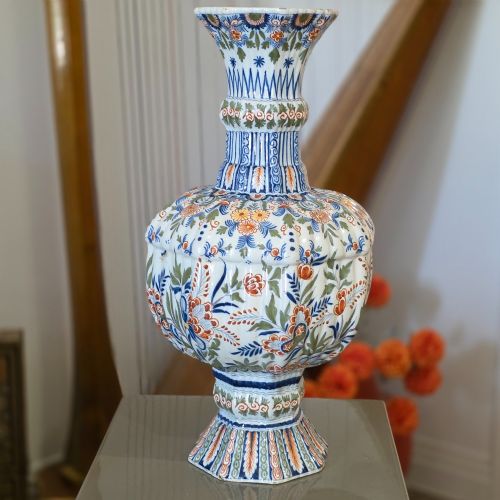
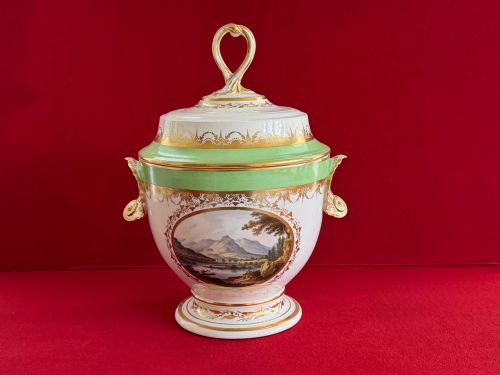
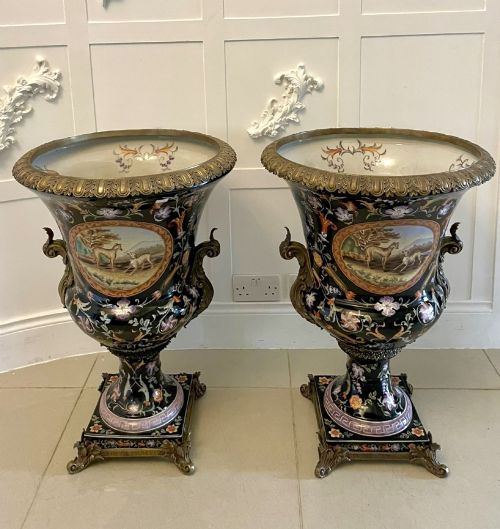
The most common examples on this page are nineteenth-century porcelain and ceramic vases featuring hand-painted botanical or figural decoration. French, English, and Japanese factories dominate the selection, showing Neoclassical, Rococo Revival, and Meiji period influences. Many pieces incorporate mounted gilt bronze, brass, or original plinths to elevate their display status.
Materials and Techniques
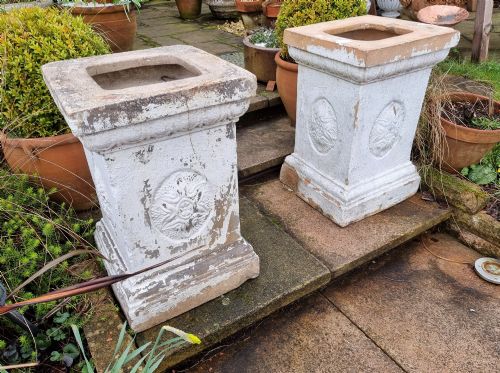
Makers utilised high-grade porcelain, earthenware, and faience as the primary bodies for indoor decorative urns, applying detailed brushwork by hand. Artists added polychrome glazes, enamel pigments, and gold leaf gilding before firing the ceramics in kilns to seal the designs. For heavier outdoor or architectural display, foundries cast iron into classical Campagna and urn shapes.
Mounts and structural elements often involved cast bronze or brass, shaped to fit the contours of porcelain bodies. Artisans employed techniques such as transfer printing combined with hand-finishing, or executed entirely freehand floral and landscape compositions signed by individual painters.
Several pieces serve unexpected domestic duties, including keeping wine cool as ice pails or dispensing fragrance as rose water sprinklers.
Judging Quality
Quality in these pieces rests primarily on the execution of the hand-painted decoration and the crispness of the moulding. Superior examples display subtle tonal graduation, confident brushwork, and meticulous detailing in figural or botanical scenes rather than mechanical repetition. Signed works by recognised artists or established factories generally command greater artistic regard.
The integrity of the materials and mounts also dictates the standard of the piece. High-quality urns feature well-fitted bronze or brass mounts, substantial porcelain bodies without heavy distortion, and well-preserved gilding that retains its original burnished lustre.
Flight Barr And Barr·Royal Worcester·Coalbrookdale·Sitzendorf·Cantagalli·Jacob Petit·Maruni Kobe
The Antique Painted Urn Glossary
- Campagna urn
- A bell-shaped classical vessel form with a flared rim, widely produced in cast iron and porcelain during the eighteenth and nineteenth centuries. It derives its name from ancient Roman models found in the Campagna region.
- Jardiniere
- A decorative pot or stand designed to hold growing plants or flowers. These vessels appear in ceramic, faience, and cast iron.
- Gilding
- The application of gold leaf or powdered gold to the surface of porcelain, metal, or wood. It accents handles, rims, and borders on decorative urns.
- Maiolica
- Tin-glazed Italian earthenware decorated with opaque colours before firing. It represents a significant tradition in southern European ceramic production.
- Garniture
- A set of three or more matching vases or urns designed to be displayed together on a mantelpiece or cabinet. These sets often share identical hand-painted motifs.
Antique Painted Urn: Frequently Asked Questions
What were antique urns used for?
Historically, ornamental urns served primarily as decorative centerpieces in grand interiors, drawing inspiration from classical antiquity. Some specialised forms functioned as ice pails, potpourri containers, or rose water sprinklers for domestic use.
Over time, their purpose shifted toward pure display, placed on mantelpieces, tables, or garden plinths to showcase wealth and taste through artistic hand-painting and classical styling.
How do I style an antique urn at home?
These vessels work well as standalone focal points on side tables, cabinets, or architectural mantelpieces. Large cast iron versions suit sheltered garden spaces, conservatories, or grand entrance halls.
Pairing a smaller cabinet vase with neutral surroundings allows the hand-painted details and gilding to stand out without competing with other furnishings.
How do I date an antique painted urn?
Dating relies on examining factory marks, maker stamps, and the stylistic characteristics of the painted motifs. Neoclassical and Georgian pieces often display restrained classical symmetry, while Victorian and Edwardian examples lean toward busier floral or exotic revival styles.
Material composition and mounting techniques also offer clues, as nineteenth-century French and Japanese pieces carry specific manufacturing signatures from their respective periods.
Are painted urns fragile?
Ceramic and porcelain urns require careful handling due to the brittle nature of fired clay and glass glazes. Painted surfaces and surface gilding can wear down if exposed to harsh cleaning agents or abrasive materials.
Cast iron garden urns are considerably more durable and withstand outdoor conditions, though painted finishes may weather over extended periods.