
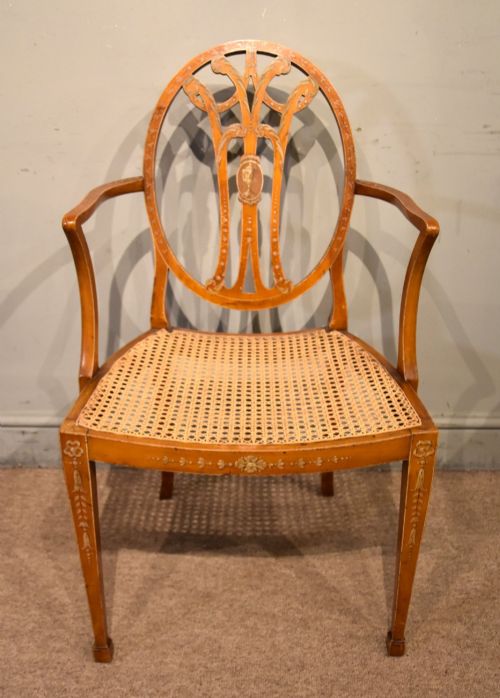
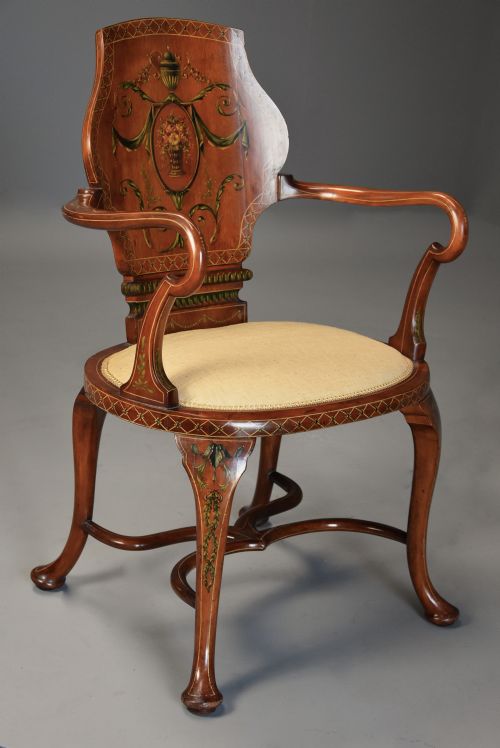
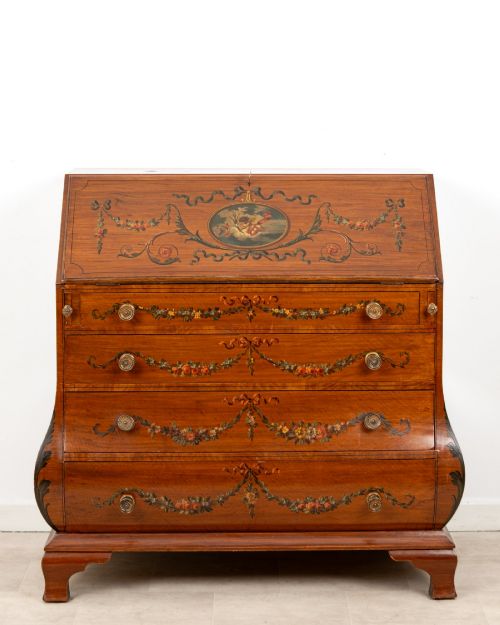
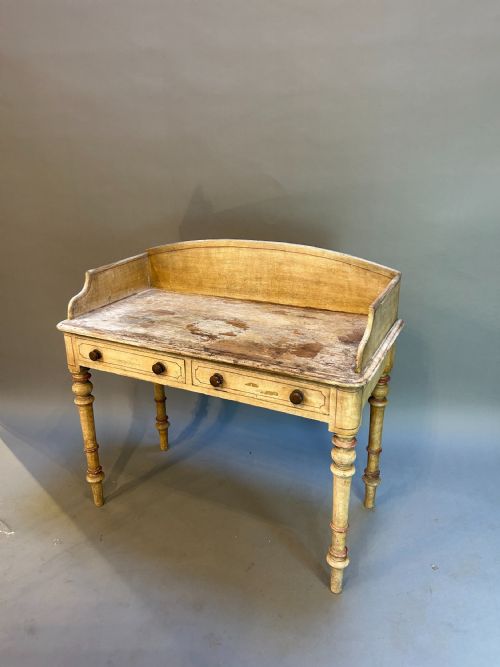
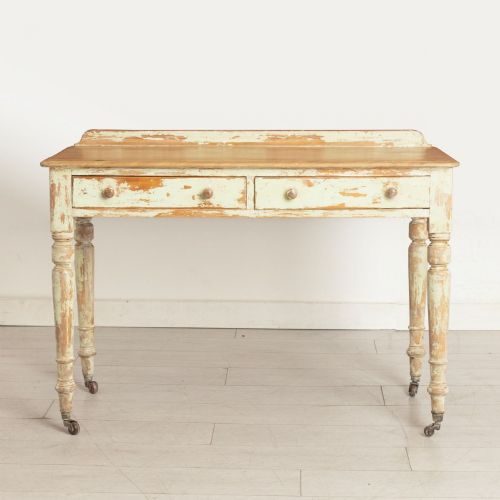

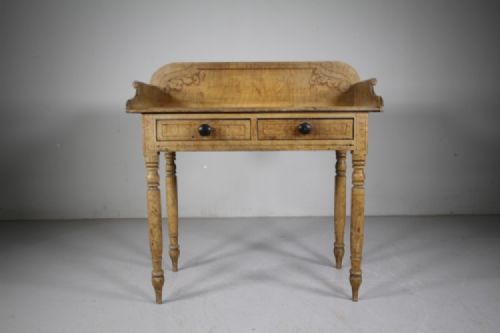


Antique Painted Furniture Desk
These antique painted furniture desk pieces combine practical writing spaces with decorative painted surfaces spanning the eighteenth to early twentieth centuries.
Antique Painted Furniture Desk
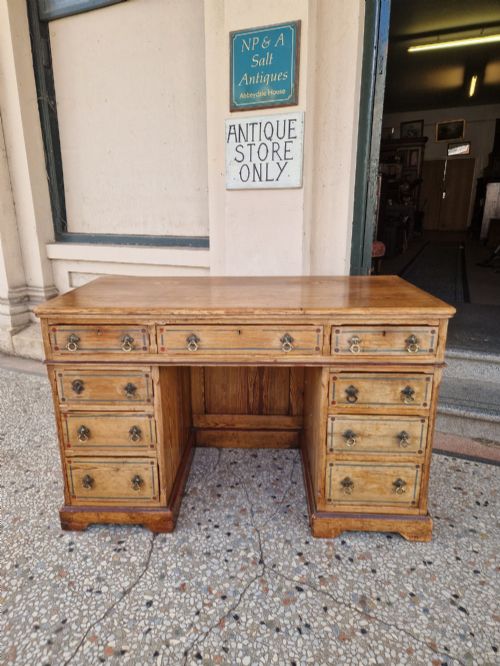
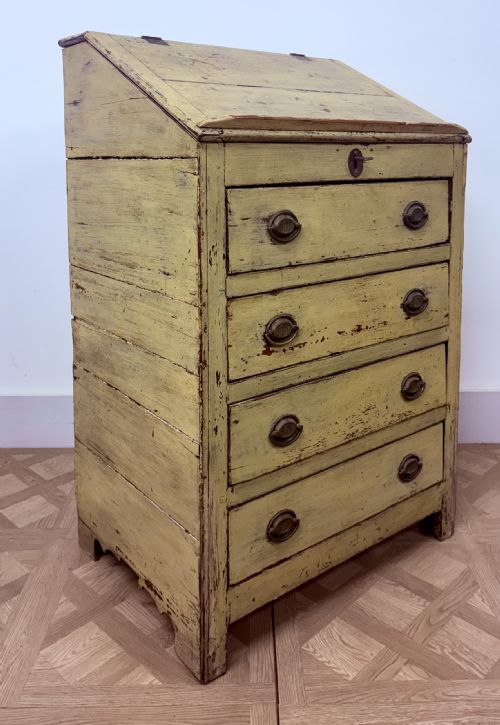
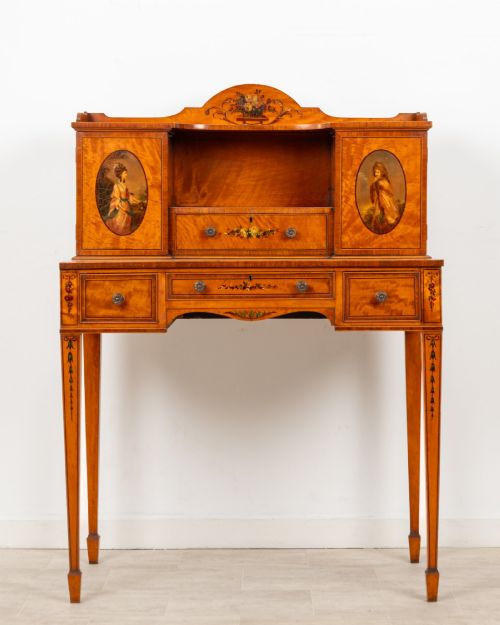
When searching for an antique painted furniture desk, a buyer encounters pieces ranging from refined Edwardian satinwood writing desks to rustic nineteenth-century Swedish pine escritoires. The selection includes fine bureau chest of drawers combinations, Carlton House desks, and simpler writing tables designed for domestic use.
Most examples originate from the Georgian, Victorian, and Edwardian periods, with notable country pieces from Scandinavian workshops. These workspaces vary from compact bonheur du jour writing cabinets to substantial bureaus equipped with fitted interior pigeon holes and writing slopes.
Materials and construction
Cabinet makers utilised a variety of woods including pine, birch, oak, and satinwood, frequently applying decorative paint directly over the timber or creating simulated wood finishes. Hand-painted floral motifs and lacquered details adorn the finer satinwood items, while country pieces often retain original layers of Falu paint or red lead.
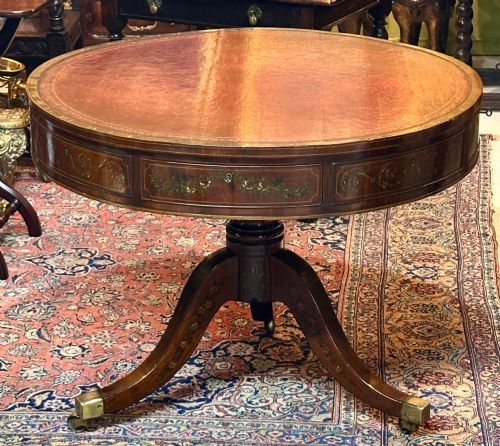
Secondary materials such as brass handles, leather inserts for writing surfaces, and glass elements appear across the periods. Construction methods reflect the prevailing styles of each decade, from eighteenth-century dovetailed bureau carcases to later Edwardian table frames.
Secret drawers tucked within these desks remind us that past owners kept their deepest secrets under lock and key.
Assessing the craftsmanship
Quality rests upon the execution of the painted decoration and the precision of the cabinet work rather than the mere presence of age. Finer pieces demonstrate delicate, hand-painted botanical or classical motifs upon carefully selected satinwood veneers, whereas utility items rely on robust pine painted for provincial use.
The sophistication of the internal fittings, such as secret drawers, pigeon holes, and tailored writing slopes, distinguishes master pieces from standard workshop output. Original paint surfaces preserved across centuries hold greater distinction than later decorative overpainting.
The Antique Painted Furniture Desk Glossary
- Bureau
- A sloping desk that opens to reveal internal compartments and drawers, typically resting on a chest of lower drawers.
- Carlton House desk
- A horseshoe-shaped writing desk fitted with a continuous bank of small drawers and compartments around the upper writing surface.
- Bonheur du jour
- A small, light ladies writing desk originating in the eighteenth century, usually featuring a cabinet or tier of drawers on the upper surface.
- Escritoire
- A tall writing cabinet or desk containing a drop-down writing flap and internal pigeon holes for correspondence.
- Satinwood
- A durable, lustrous timber native to the tropics, heavily utilised in high-end English furniture during the eighteenth and nineteenth centuries for its yellow, grain-rich appearance.
Antique Painted Furniture Desk: Frequently Asked Questions
How do I date a painted desk?
Dating relies upon observing the structural construction methods, timber choices, and the style of the painted decoration. Eighteenth-century pieces typically show hand-cut dovetails and vernacular proportions, whereas Edwardian items often display machine-prepared timbers and characteristic Sheraton Revival motifs.
Paint analysis also assists with dating, as early pieces frequently retain historic mineral or lead-based paints with distinct craquelure patterns. Comparing the secondary woods inside drawers against known period standards narrows the era of production.
What is Falu paint on Swedish desks?
Falu red is a traditional Swedish paint derived from copper mine waste residue, valued for its deep matte hue and preservative qualities. It protects pine furniture against harsh northern climates and decay.
On interior or domestic tables, this paint creates a robust, tactile surface that develops a soft patina over generations of use. Finding furniture retaining this original coating is valued by collectors of Scandinavian country pieces.
Are these desks suitable for daily work?
Many antique writing desks function well for modern writing or laptop use, provided the writing height matches comfortable ergonomics. Bureau drops and kneehole spaces accommodate daily writing tasks much as they did in the past.
Care should be taken to protect antique leather and painted writing surfaces from moisture and heavy wear. Using blotters preserves the original finish while maintaining daily utility.
How should I care for painted wood?
Painted surfaces require gentle dusting with a dry, soft cloth to prevent abrasion of the historic pigments and delicate floral details. Avoid modern chemical solvents, silicone polishes, and excessive water that might lift or dissolve older paint layers.
Maintaining stable room humidity prevents the underlying timber from expanding and cracking the painted finish. Placing pieces away from direct sunlight preserves the original tones of both wood and pigment.