
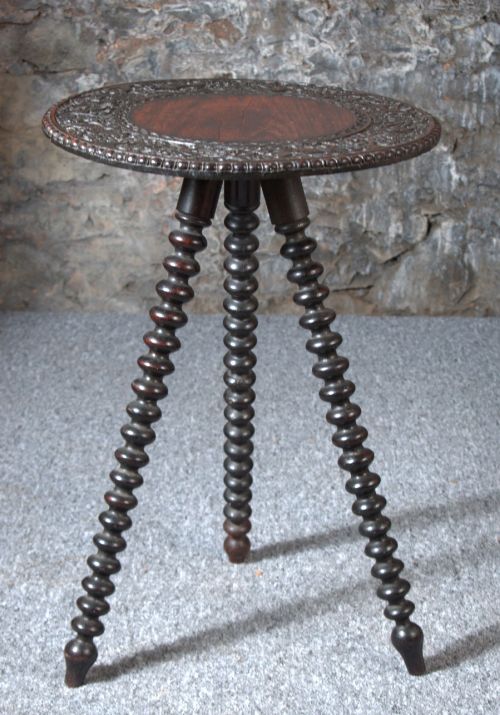


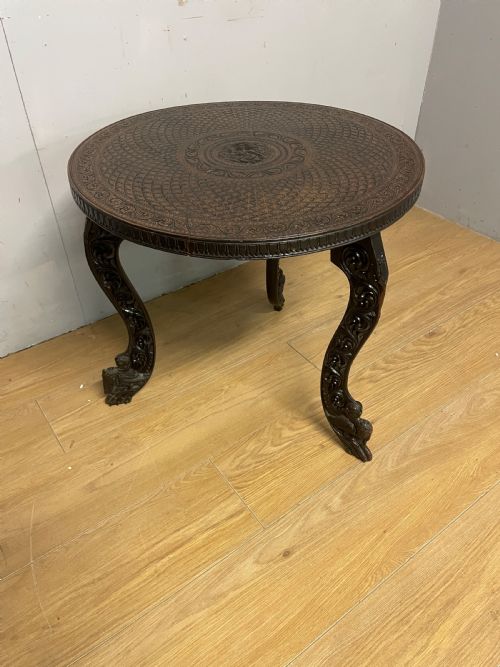


Antique Padouk Furniture
Antique padouk furniture brings dense tropical timber and intricate colonial carving into the room.
Antique Padouk Furniture
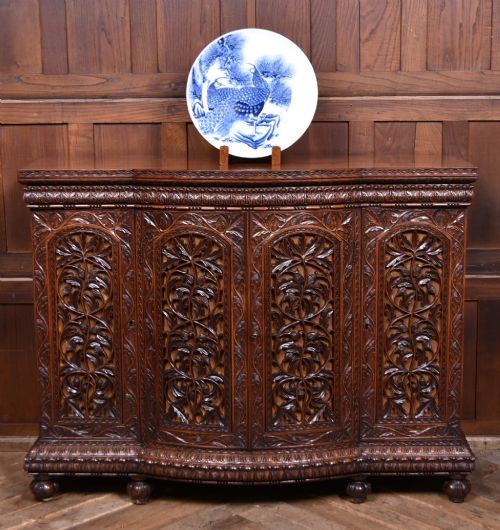
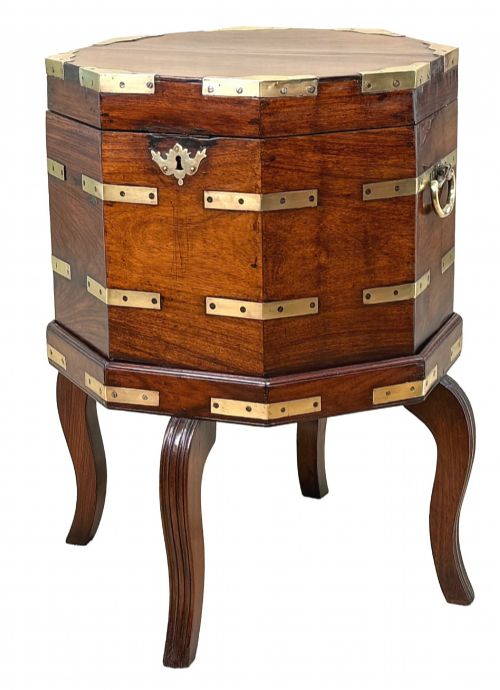
The selection ranges across the eighteenth and nineteenth centuries, taking in Regency, Victorian, and Qing Dynasty influences. Pieces span formal dining room furniture like cellarettes and sideboards to smaller items such as plant stands and dressing mirrors.
Anglo-Indian and Burmese workshops produced the majority of these carved and turned items, alongside Chinese hardwood examples. The heavy wood lends itself well to robust construction, resulting in enduring tables, desks, and bookcases.
Materials and construction
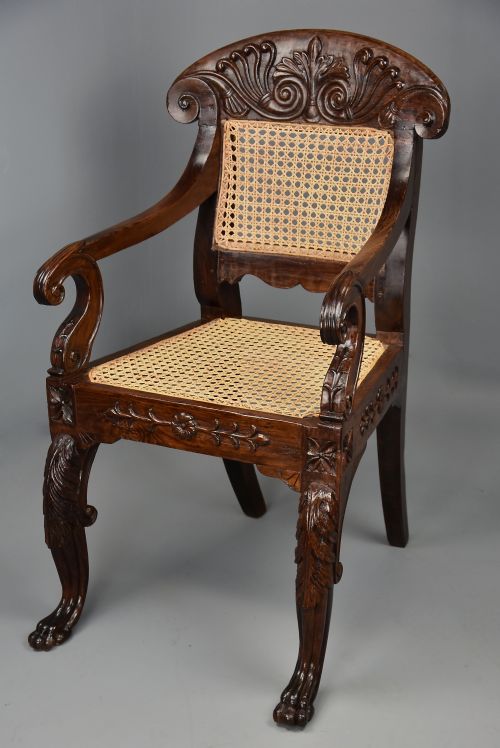
Makers utilised heavy padouk wood, a durable tropical timber known for its rich red-brown tone, often paired with brass fittings for campaign furniture. Secondary materials like marble, glass, and cane appear in specific forms such as stands, tabletops, and seating.
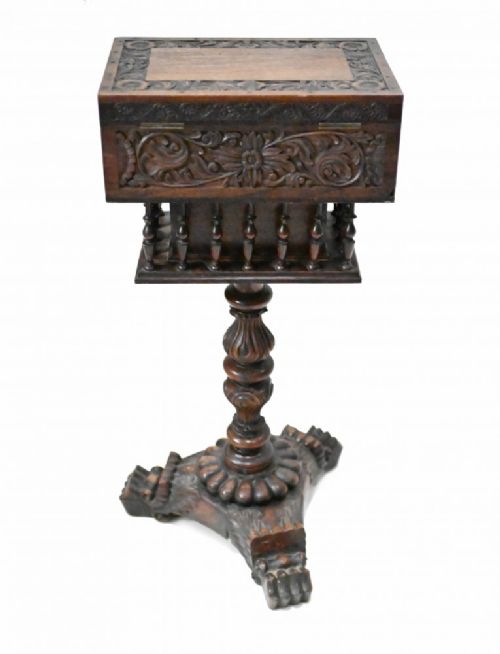
Joinery techniques combined traditional cabinet-making with deep relief carving, particularly visible on Anglo-Indian and Burmese items. Campaign pieces incorporated folding mechanisms and brass corner mounts for transport by military officers.
Antique Padouk Furniture Retail Price Guide 2026
Typical asking prices for padouk furniture among the pieces listed under this phrase on Sellingantiques today, from the lower quarter to the upper quarter. They describe what is for sale here now, not the wider market.
Several chairs on offer are specifically designated for harpists, catering to nineteenth-century musical pursuits.
Variations in quality
Quality rests upon the crispness of the hand-carving and the selection of the padouk timber. Superior examples display deep, well-defined floral or scroll motifs without softening of the edges.
Construction integrity and proportion distinguish finer items, particularly in large forms like sideboards and bookcases. The clever engineering of campaign chests and folding tables also marks out superior workshop output.
The Antique Padouk Furniture Glossary
- Padouk
- A heavy, durable tropical hardwood with a reddish-brown hue that deepens with age. It resists decay and takes a fine carved finish.
- Campaign chest
- A modular chest of drawers built in two or more sections with recessed brass handles for military transport. These pieces often feature brass binding on the corners.
- Cellarette
- A lockable container used for storing wine bottles near the dining table. Many examples from the Regency period sit on low stands or castors.
- Teapoy
- A small occasional table designed to hold tea canisters, originating in colonial contexts. They frequently feature lidded compartments and carved pedestals.
- Anglo-Indian
- A style describing furniture made in India by local craftsmen for British residents, blending European forms with intricate regional carving.
Antique Padouk Furniture: Frequently Asked Questions
What is padouk wood?
Padouk is a dense, heavy tropical timber renowned for its natural durability and striking reddish-brown colour. It was favoured by colonial cabinet-makers for its strength and stability.
Over time, exposure to light deepens the timber's reddish tones to a rich, dark brown. The wood accepts deep carving exceptionally well.
How do I care for padouk furniture?
Keep wooden surfaces away from direct heat sources and strong sunlight to prevent the timber from drying out. Dust regularly with a dry cloth and apply natural wax sparingly.
Avoid using silicone-based polishes which can build up on the carved surfaces. Gentle care preserves the natural lustre of the hardwood.
What is campaign furniture?
Campaign furniture was designed for British military officers on the move across the colonies. These pieces break down into sections for easy transport.
Brass corners, recessed handles, and screw-in legs protected the wood during rough journeys. Today these functional items suit compact modern spaces.
Where was most padouk furniture made?
Much of this furniture was produced in Anglo-Indian, Burmese, and Chinese workshops during the nineteenth century. Local artisans combined European forms with regional carving traditions.
Export markets drove production, supplying British homes with exotic hardwood sideboards, tables, and seating.
How do I identify a cellarette?
A cellarette functions as a specialised storage chest for wine bottles within the dining room. These pieces often feature fitted internal compartments for individual bottles.
Examples from the Regency era frequently stand on robust feet or castors for easy movement. Their secure lids often lock with a key.