
Antique Oval Wall Glass
An antique oval wall glass brings depth and light to a room, offering graceful curved frames that soften traditional interior lines.
Antique Oval Wall Glass
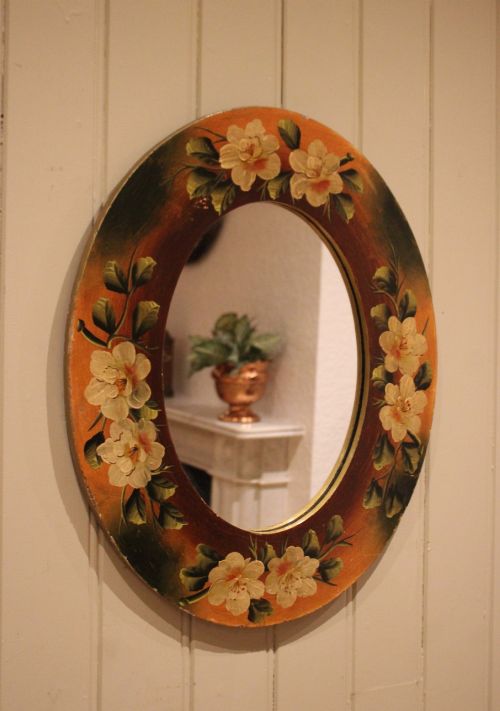
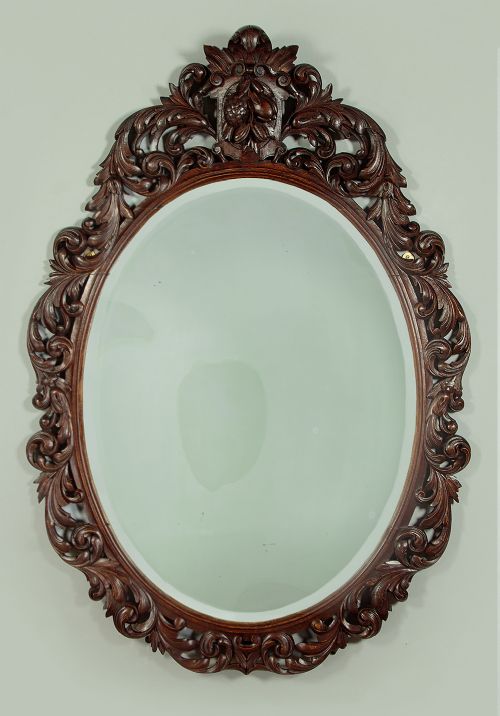
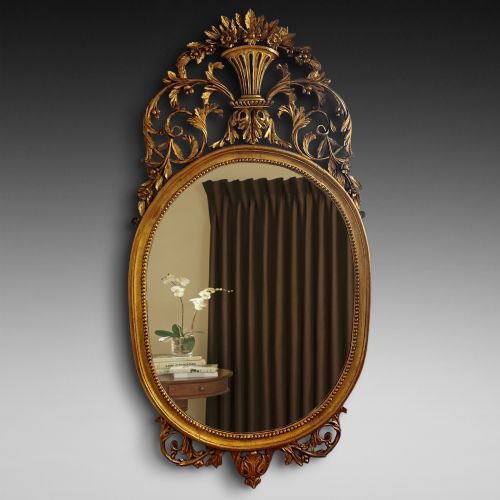
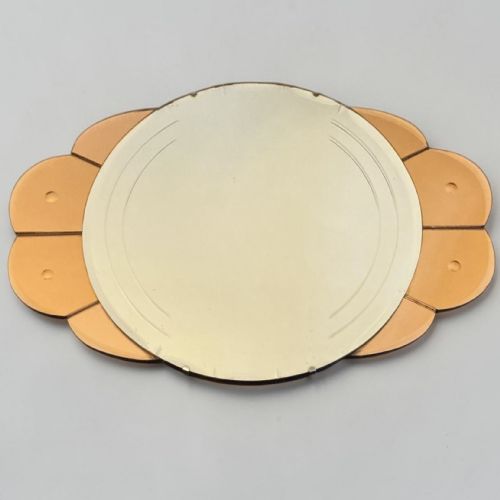
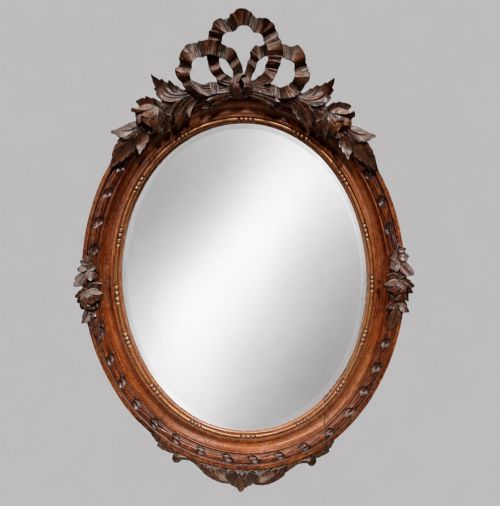
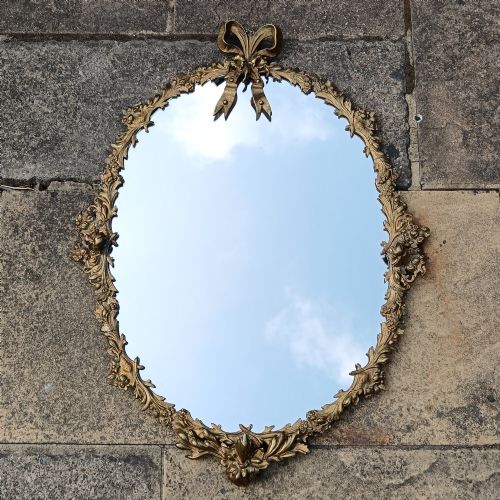
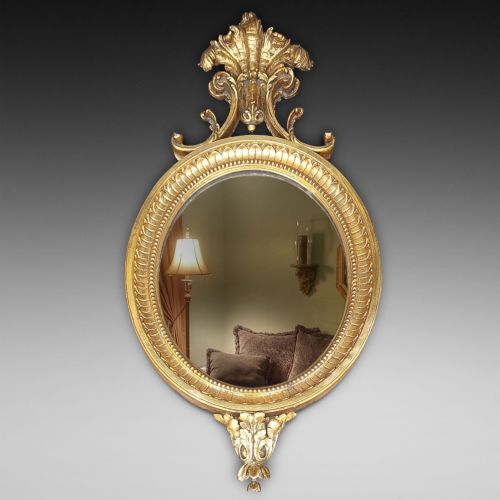
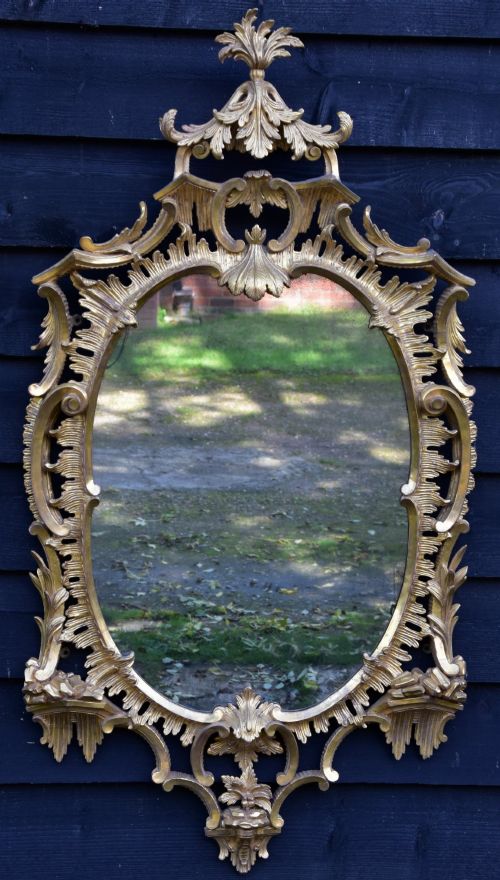
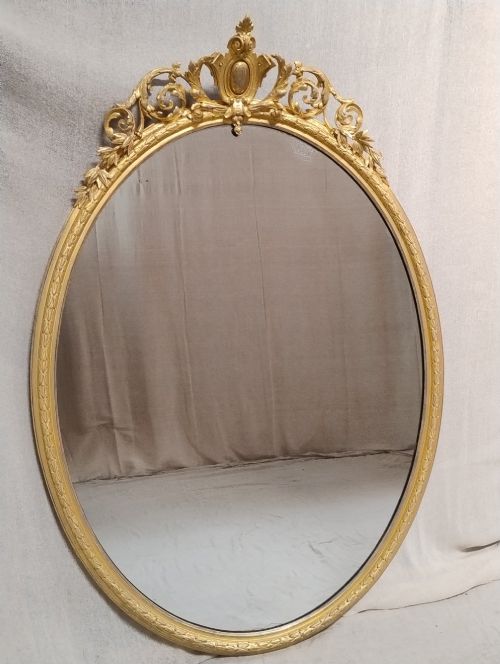
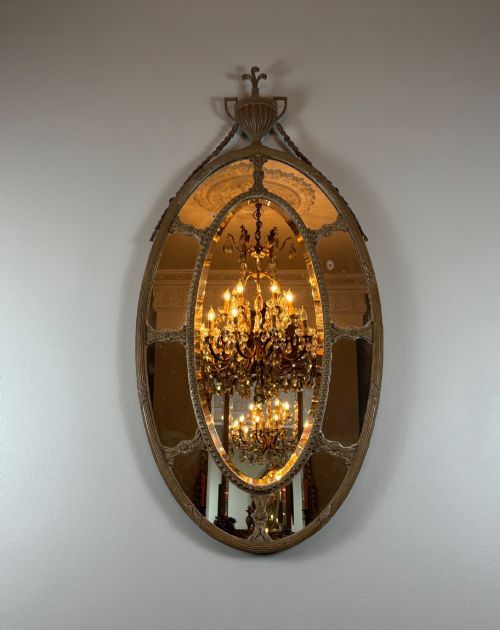
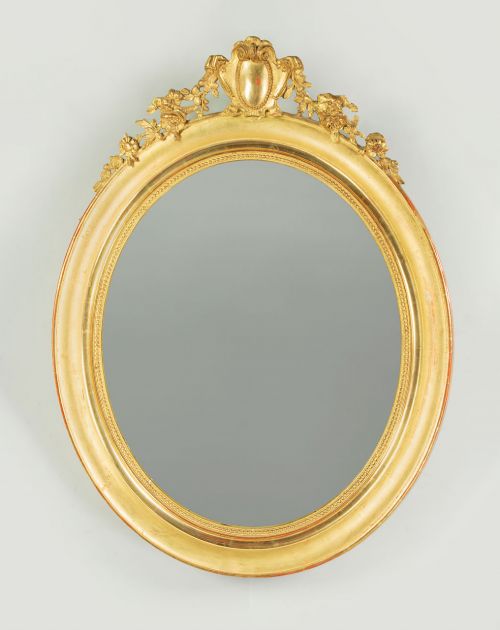
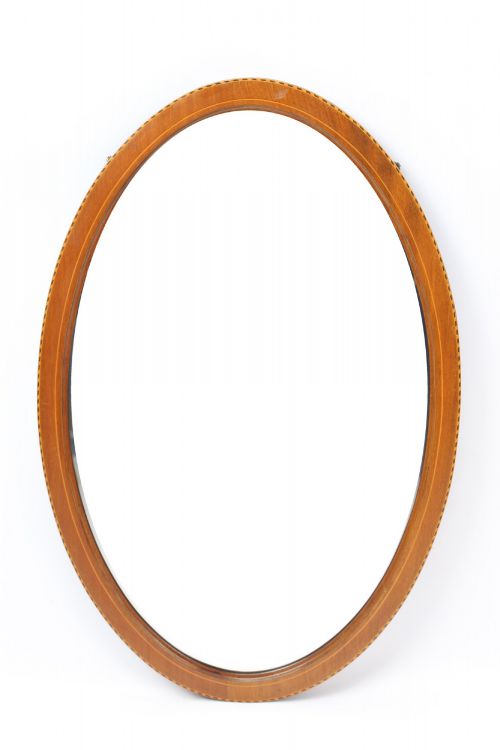
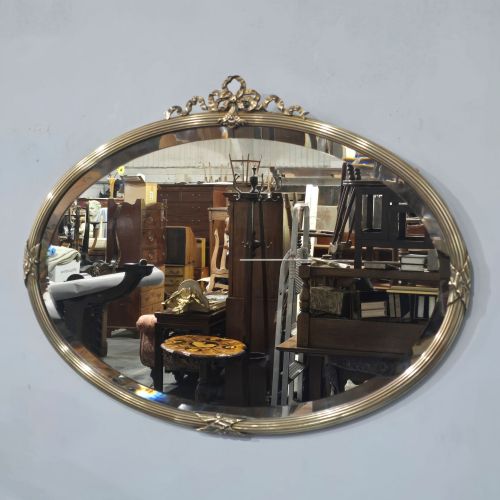
An antique oval wall glass is a decorative hanging looking glass defined by its curved perimeter, spanning centuries of craftsmanship from the Georgian era through to the Edwardian period. Buyers searching this phrase encounter formats ranging from carved giltwood pier glasses to simpler oak frames and brass-bound wall mirrors.
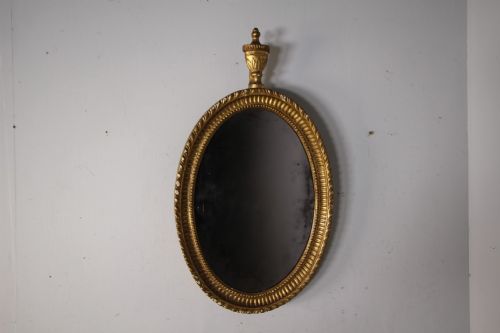
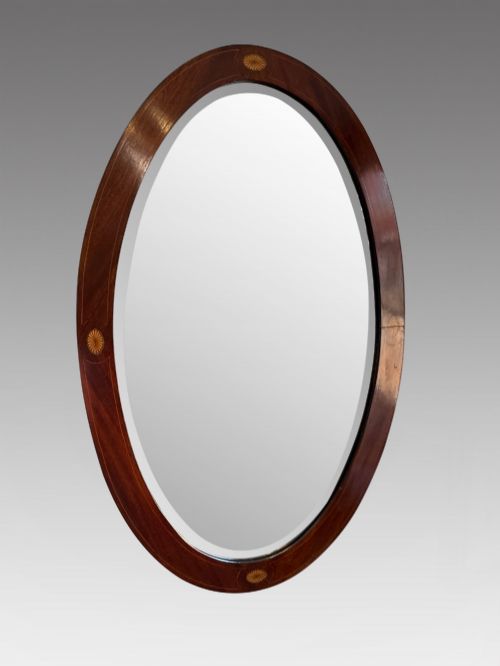
The pieces listed here lean heavily towards 19th-century examples, alongside 18th-century Georgian designs featuring urns, swags, and intricate carved detail. Smaller Edwardian mahogany pieces and French Louis XVI influences also appear, providing options for both grand formal rooms and domestic spaces.
How they were made
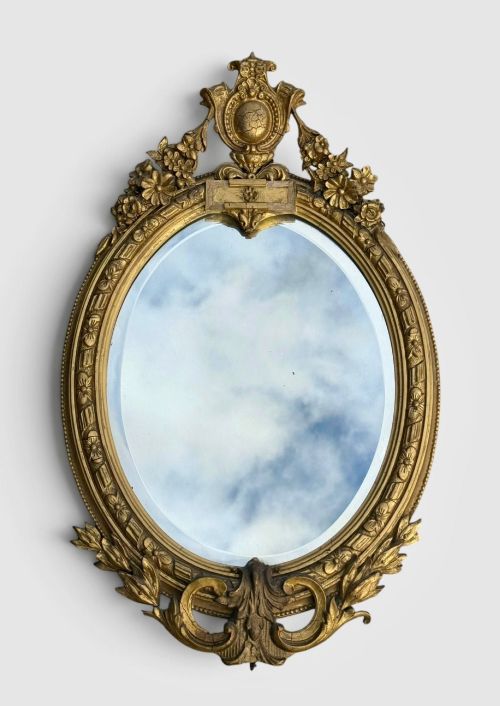
Makers shaped these frames using timber such as oak, mahogany, and softwoods, frequently applying gesso layers to build up intricate relief ornaments like floral motifs and scrolls. Gilding with gold leaf or metal leaf completed the surface of formal giltwood pieces, whilst other frames retained polished wood or painted finishes.
Early examples often utilise original mercury glass plates, identifiable by their mottled silvering and distinct greyish reflection. Later Victorian and Edwardian iterations commonly feature bevelled mirror plates set securely within wood, brass, or composite frames.
The listings span multiple centuries, incorporating 17th-century silver gilt work, 18th-century Georgian craftsmanship, and early 20th-century Arts and Crafts brass frames.
What varies in quality
The standard of carving determines much of the distinction in these mirrors, separating sharply defined hand-cut wooden ornamentation from softer moulded composition mouldings. Crisp detailing on acanthus leaves, urns, and swags indicates a higher grade of workshop production.
Originality of components also dictates standing, particularly the presence of untouched mirror plates and backboards. Retaining an original mercury plate or period gilding enhances the character of an antique oval wall glass significantly compared to later replacements.
The Antique Oval Wall Glass Glossary
- Giltwood
- Wood carved and coated with gold leaf. This finish defines many formal Georgian and Victorian wall mirrors.
- Gesso
- A plaster-like mixture applied to wood frames and carved or moulded into relief decoration. It forms the base for traditional gilding.
- Mercury Plate
- An early mirror glass backed with a tin-mercury amalgam. It creates a warm, mottled reflection characteristic of older looking glasses.
- Pier Glass
- A tall mirror designed to hang on the wall space between windows. These pieces often feature elaborate oval frames with candle sconces or lower brackets.
- Bevelling
- An angled edge ground around the perimeter of a mirror plate. This technique catches the light and frames the reflection.
Antique Oval Wall Glass: Frequently Asked Questions
How do I hang a heavy antique oval wall glass?
These mirrors often carry substantial weight due to dense timber frames and thick glass plates. Secure fixings driven directly into wall studs or appropriate heavy-duty wall anchors are essential for safe hanging.
Professional mirror hangers utilise split battens or heavy D-rings attached to the original wooden backboards to distribute the load evenly across the wall.
What is the difference between mercury glass and modern glass?
Mercury plates display a distinct, slightly uneven dark reflection with characteristic foxing spots where the backing has aged. Modern silvered glass produces a clear, uniform reflection.
Older mercury glass contains no actual mercury in its final stable state, but the historical term persists for mirrors made before the chemical silvering process was adopted in the mid-nineteenth century.
How should I clean an antique mirror plate?
Gentle dusting with a dry microfiber cloth prevents the accumulation of grime on delicate surfaces. Avoid spraying liquid cleaner directly onto the glass, as moisture can seep behind the plate and damage the old backing.
Applying a mild, alcohol-free cleaner sparingly to the cloth rather than the glass protects both the historic frame and the fragile edges of the mirror plate.
Are these mirrors suitable for bathrooms?
High humidity and fluctuating temperatures in bathrooms can damage historic gesso, gilding, and traditional wooden backboards. Bathrooms generally lack the stable climate required to preserve antique finishes safely.
Placement in hallways, living rooms, or bedrooms offers a stable environment where the frame and original backing materials remain protected from excessive moisture.