



Antique Oval Nightstand
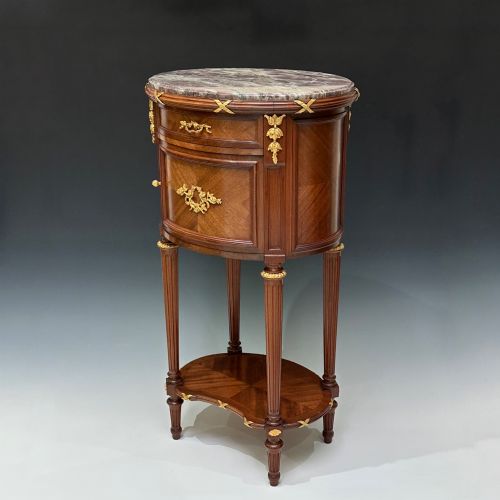
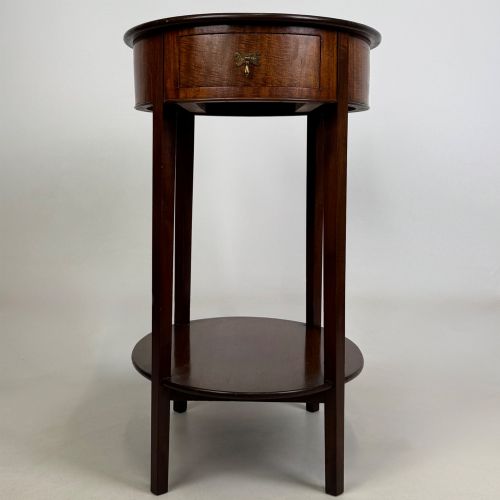
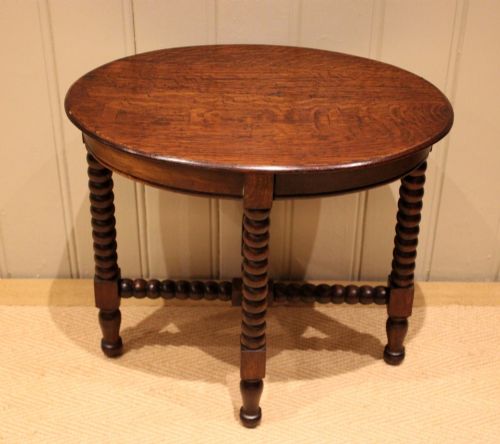
These antique oval nightstands bring practical bedside surface and continental grace to a bedroom, built in mahogany, walnut, and kingwood.
Antique Oval Nightstand
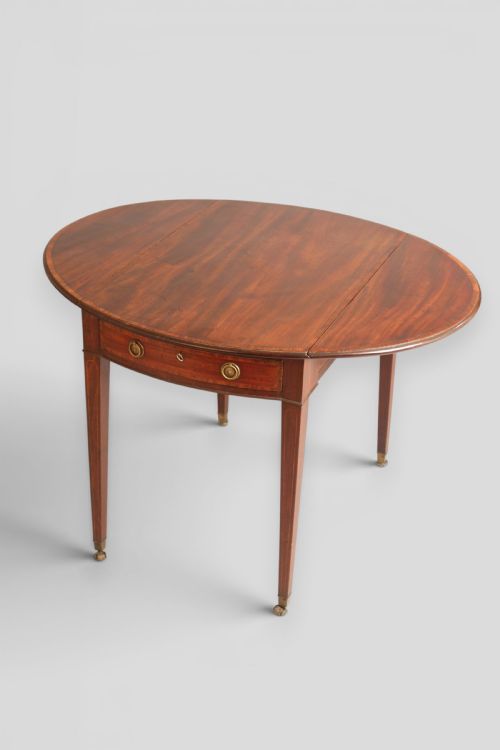
An antique oval nightstand serves as a compact bedside companion, offering enclosed storage or open tiers beside a bed. When searching for an antique oval nightstand, buyers encounter diverse forms ranging from French marble-topped cabinets to English mahogany drop-leaf tables.
The selections span multiple periods, with Edwardian walnut models and nineteenth-century French pieces appearing frequently. Makers utilised forms such as commodes, tables en chiffonière, and bedside cabinets to suit different room layouts.
Origin and style vary from Georgian English designs to Louis XV and Louis XVI French revivals. Each piece provides surface space and storage tailored to smaller footprints.
How they were made
Cabinetmakers constructed these tables using timbers such as mahogany, walnut, and kingwood, often applying intricate parquetry or marquetry veneer patterns. French pieces frequently incorporate marble tops, such as breche d'alep, fitted closely to the wooden carcase.
Metal mounts in brass and ormolu accent many of the designs, highlighting corners, feet, and drawer pulls. Caned panels and hand-painted wooden finishes also appear across the surviving examples.
Several pieces include hidden compartments and clever drop-leaves, designed for secrets long since forgotten by time.
What varies in quality
The refinement of the timber selection and the precision of the marquetry inlay set finer examples apart from simpler utilitarian pieces. Crisp casting in brass or ormolu mounts indicates higher workshop standards.
Quality shows in the integration of fitted marble tops and the smooth operation of small drawers and cabinet doors. Structural integrity in the curved rails and slender legs distinguishes superior cabinetwork.
François Linke·Charles Topino
The Antique Oval Nightstand Glossary
- Marquetry
- Decorative veneer work forming pictures or patterns using various woods. Craftsmen cut thin pieces of timber and fitted them together to create elaborate floral or geometric designs across the tabletop.
- Parquetry
- Geometric mosaic woodwork used for floors and tabletops. Small blocks of wood form repeating patterns like cubes or chequers.
- Ormolu
- Gilded bronze mounts applied to furniture. This technique adds metallic highlights to the corners and legs of French cabinets.
- Pembroke table
- A small drop-leaf table with hinged flaps on either side. These versatile tables were easily moved around rooms.
- Table en chiffonnière
- A small French bedside or sewing table featuring multiple tiers or drawers. They typically stand on tall, slender legs.
Antique Oval Nightstand: Frequently Asked Questions
What is an antique oval nightstand?
An antique oval nightstand is a small bedside table featuring a curved oval top, built during periods ranging from the Georgian era through the early twentieth century. These pieces were designed to hold bedside necessities while fitting neatly into compact spaces.
They appear in various regional styles, most notably English mahogany designs and French marquetry cabinets fitted with marble tops.
How were antique nightstands used?
Historically, these small tables sat beside beds to hold chamber candlesticks, night water pitchers, and personal books. Enclosed cupboards and small drawers kept private items out of sight.
Today, they serve identical bedside functions in modern bedrooms, offering surface space for lamps and reading material without dominating the room.
How do I identify the period?
Dating relies on timber choices, construction techniques, and stylistic markers associated with specific eras. Georgian pieces often feature solid mahogany or simple dropleaf designs, while nineteenth-century French examples utilise exotic veneers and cast mounts.
Examining secondary woods inside drawers and the ageing of the finish helps confirm the manufacturing period.
Will an oval nightstand fit my space?
The curved profile of an oval nightstand softens the geometry of a bedroom and allows easier movement around tight bedside corners. Their compact footprints suit modest spaces where rectangular cabinets might feel bulky.
Checking the height relative to the mattress ensures comfortable access to the surface from the bed.