





Antique Oushak Carpet
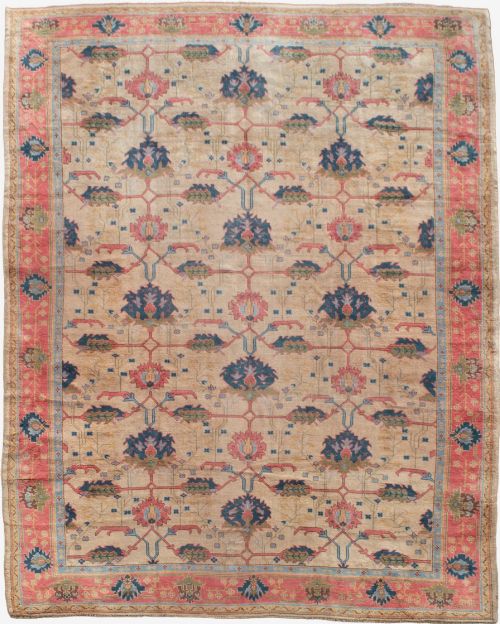
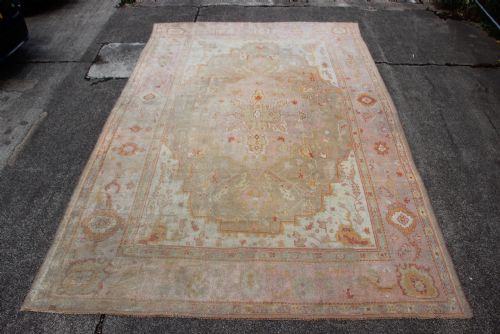
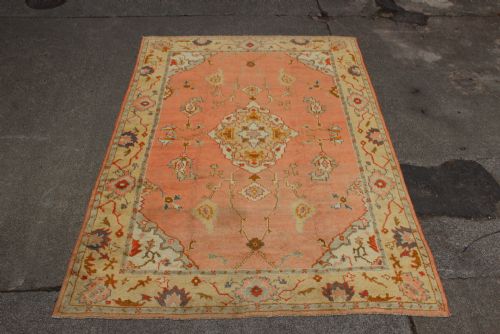
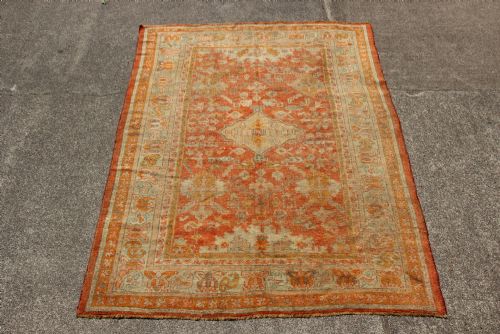
An antique oushak carpet brings subdued hues and large scale floral motifs into a room from western Turkish weaving traditions.
Antique Oushak Carpet
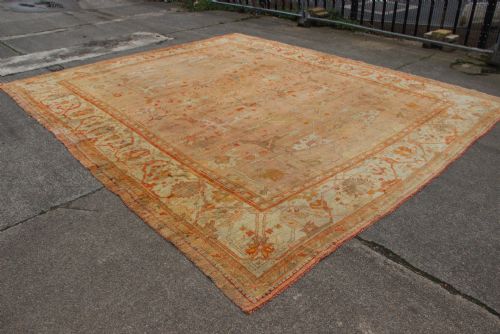
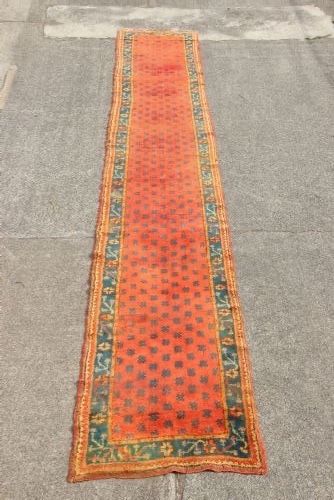
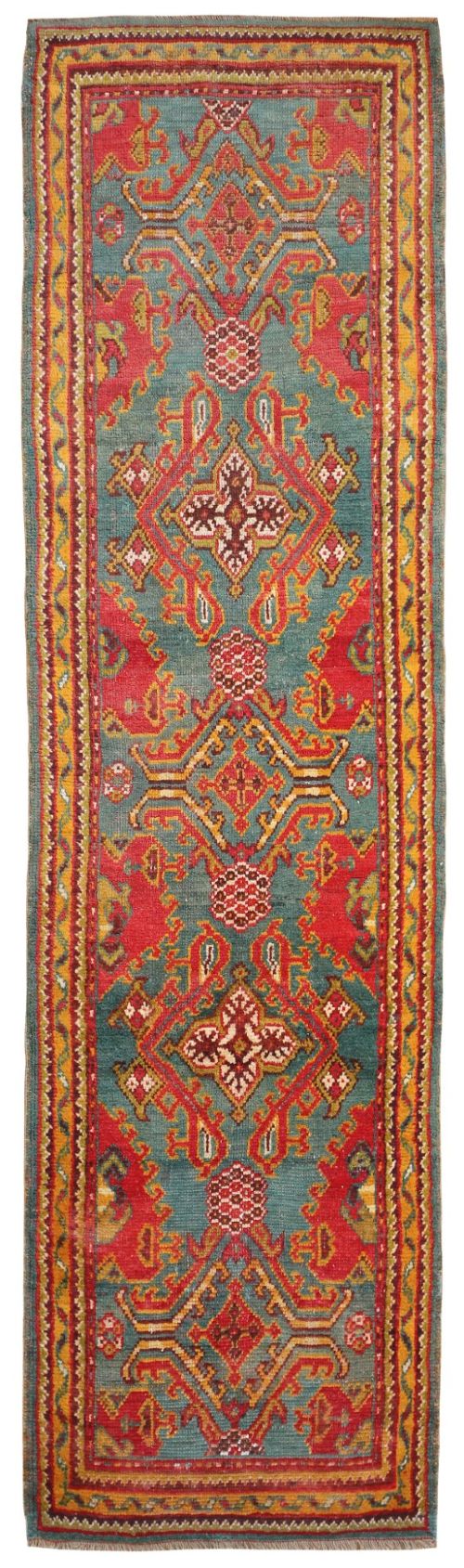
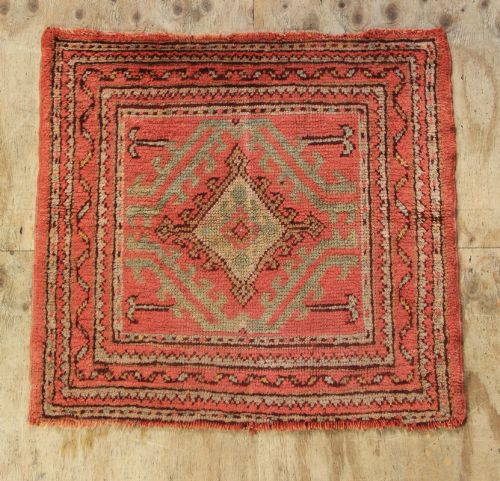
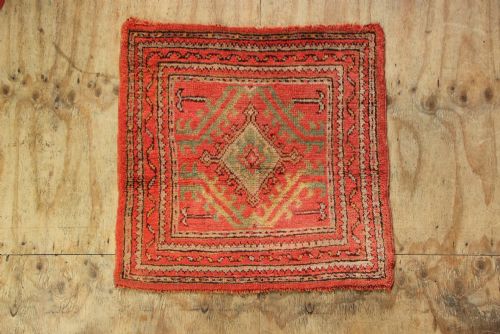
An antique oushak carpet is a woven floor covering originating from the town of Ushak in western Turkey, prized for its expansive field designs and muted palettes. Buyers searching for an antique oushak carpet encounter pieces ranging from room-sized carpets down to runners, squares, mats, and occasional kilims.
The selections span the late nineteenth century into the early twentieth century, encompassing Victorian-era productions alongside Ottoman and Anatolian traditions. Large decorative room formats and long narrow runners appear frequently across the available inventory.
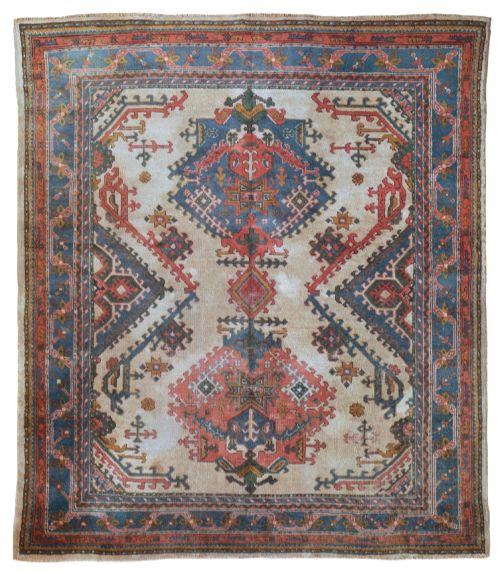
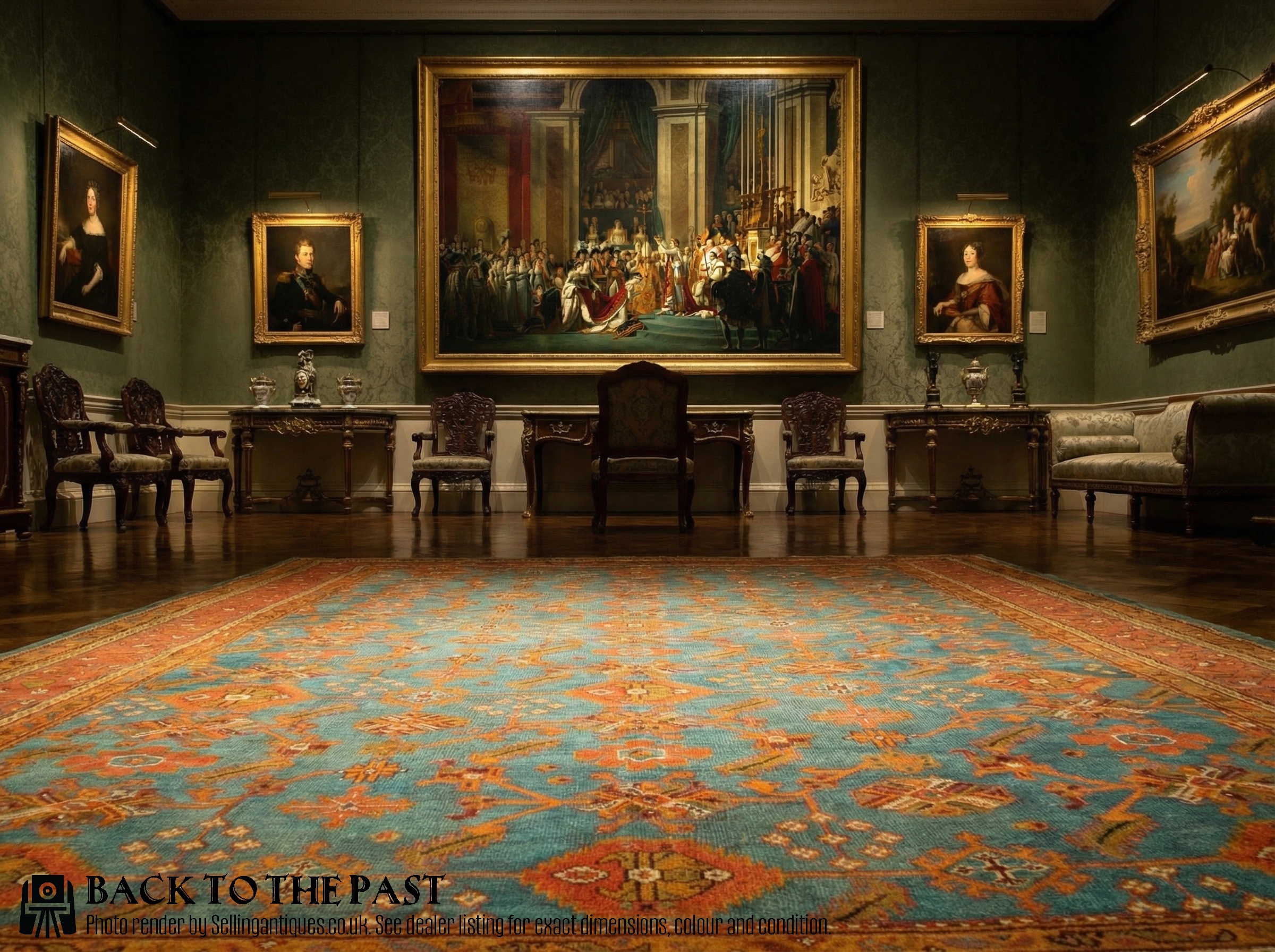
Makers utilised distinct regional variants, incorporating designs associated with Ghiordes, Kula, and Borlu alongside standard oushak patterns. These woven items serve as major focal points in country houses and drawing rooms alike.
How They Were Made
These floor coverings are hand knotted using wool and cotton foundations, occasionally incorporating softer angora wool for added pile texture. Artisans tied individual knots by hand onto vertical looms, building up dense pile surfaces designed to withstand generations of use.
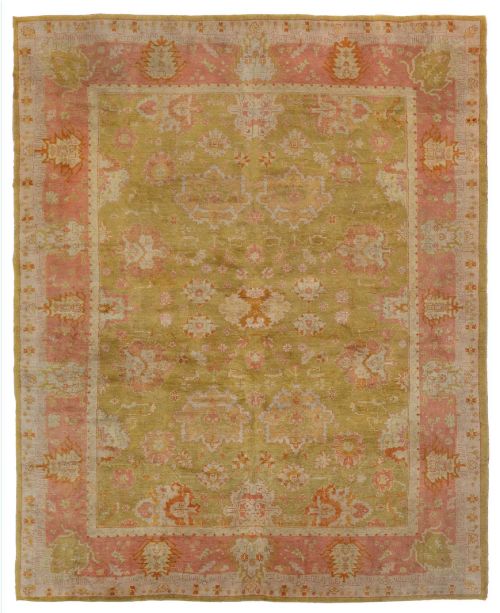
Dyers employed natural materials to achieve characteristic pale grounds, faded blues, soft pinks, and uncommon green fields. The resulting textiles exhibit a characteristic relaxed handling of scale in their floral and geometric motifs.
Antique Oushak Carpet Retail Price Guide 2026
Typical asking prices for oushak carpet among the pieces listed under this phrase on Sellingantiques today, from the lower quarter to the upper quarter. They describe what is for sale here now, not the wider market.
Listings feature items spanning from 1880 through 1920, incorporating wool, cotton, and angora wool materials.
What Varies in Quality
Quality rests upon the subtlety of the colour palette, the balance of the field design, and the integrity of the weave across large expanses. Faded surfaces and worn patination can enhance visual harmony when the underlying structure remains sound and undisturbed.
Unusual ground colours, such as scarce pinks or greens, elevate certain pieces above standard commercial production. Scale also dictates utility, with oversized formats and well-proportioned runners commanding different architectural roles than small square mats or border fragments.
The Antique Oushak Carpet Glossary
- Angora Wool
- A soft fleece material utilised in select pile carpets to impart a silkier handle and subtle sheen. It responds differently to natural dyes than standard sheep wool.
- Kilim
- A flatwoven textile produced without pile, featuring slit-woven geometric patterns. These pieces offer lighter floor coverings or wall hangings.
- Runner
- A long and narrow format designed for hallways, staircases, and galleries. Lengths often exceed four metres while keeping narrow widths.
- Ghiordes
- A regional Anatolian style influence appearing in western Turkish weaving centres. It frequently denotes specific prayer or field arrangements.
- Border Fragment
- A surviving section cut from a larger carpet, typically preserving decorative outer bands. These items serve as compact decorative accents.
Antique Oushak Carpet: Frequently Asked Questions
Where were oushak carpets made?
These textiles originate from Ushak and the surrounding region in western Turkey. Weavers in this geographic hub supplied major Ottoman and international markets.
Production spanned traditional workshops and village looms, carrying forward distinct Anatolian methods across decades.
How do I clean an antique carpet?
Professional specialist cleaning is essential for preserving fragile wool pile and natural dyes. Standard domestic cleaning methods can cause dye bleed or fibre degradation.
Gentle surface vacuuming without beater bars helps remove embedded grit between professional washes.
Can I place these rugs in high traffic areas?
Durable hand knotted wool construction allows these floor coverings to handle moderate foot traffic. Placing a suitable underlay beneath the carpet prevents slipping and reduces fibre wear.
Delicate or heavily worn examples benefit from placement in lower traffic drawing rooms or bedrooms.
How are different periods identified?
Dating relies on structural analysis, dye characteristics, and stylistic shifts observed across late nineteenth and early twentieth century examples. Victorian era imports often exhibit specific palette preferences tailored to British interiors.
Comparative study of knot density and wool preparation helps establish approximate decade ranges.