


Antique Orientalist Vase
An antique orientalist vase brings richly decorated foreign motifs into nineteenth-century interiors through glazed ceramic, porcelain, or metalwork.
Antique Orientalist Vase
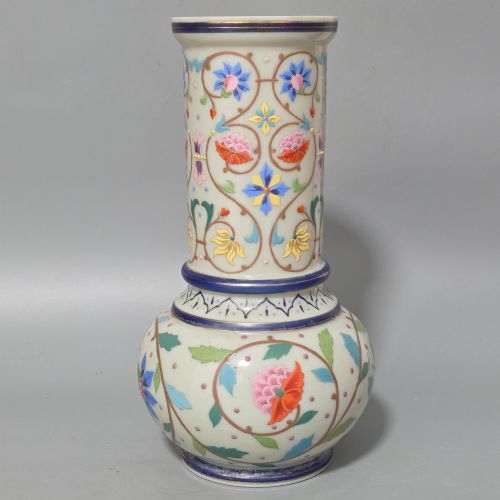
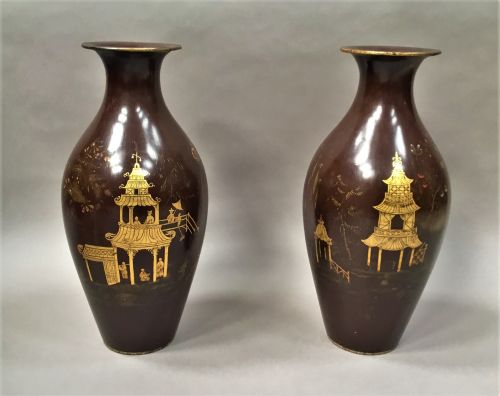
An antique orientalist vase covers nineteenth-century vessels drawing upon Middle Eastern, Asian, and North African decorative traditions. You will most frequently encounter earthenware and porcelain examples from the Victorian era, spanning styles from Iznik revival to Chinoiserie and Moroccan design.
The forms vary widely, ranging from large umbrella stands and covered garnitures to slender table lamps and decorative mantle vases. Makers across Britain and continental Europe interpreted foreign motifs through local manufacturing techniques, resulting in diverse decorative objects.
These pieces reflect nineteenth-century European fascination with distant cultures, often blending traditional shapes with exotic surface patterns. The physical evidence shows materials such as terracotta, copper, and papier-mâché decorated with intricate glazes and metallic leaf.
Materials and methods
Potters and artisans utilised earthenware, terracotta, and porcelain as the primary foundational bodies for shaping these vessels. Surfaces were then finished with coloured glazes, enamel, or applied gold leaf to build up complex decorative schemes.
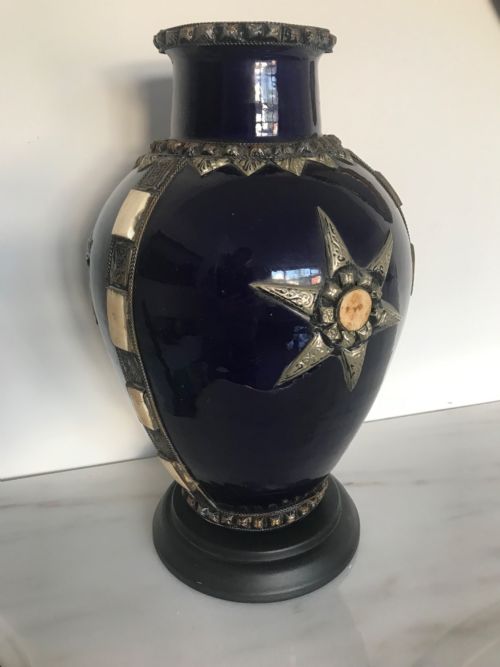
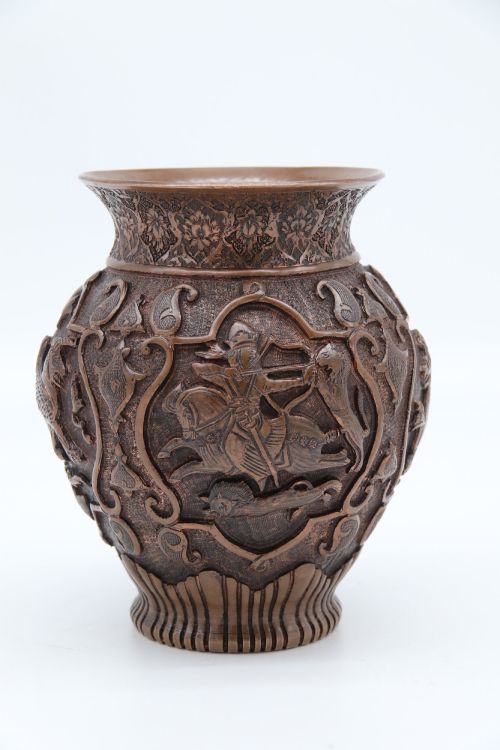
Metalworking techniques also appear among these pieces, including repoussé copper and silver mounts fitted to ceramic bodies. Jennens and Bettridge utilised lacquered papier-mâché to form lightweight vases with smooth painted finishes.
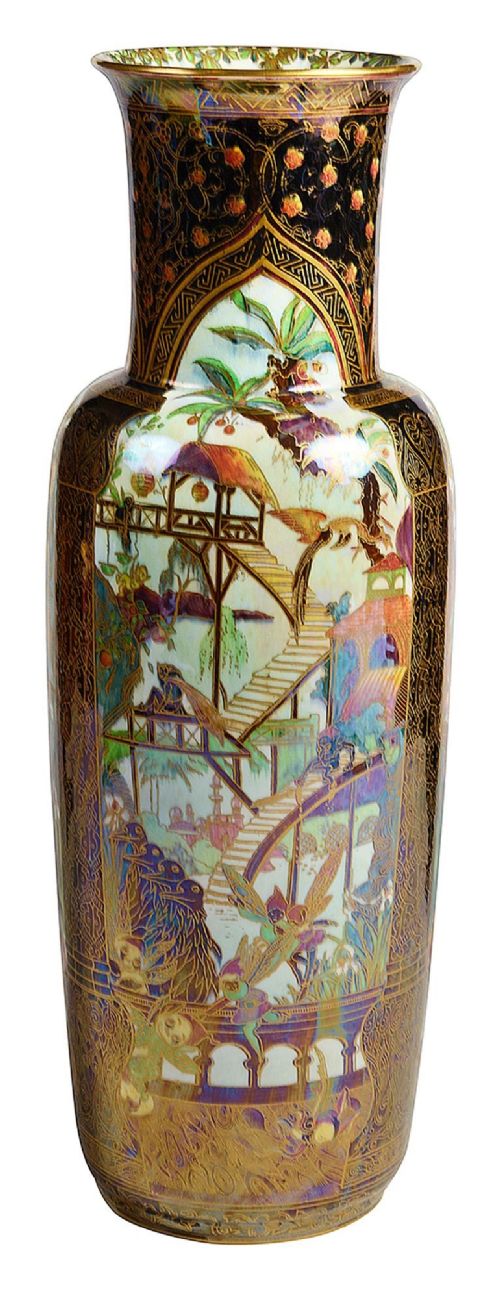
Firing and glazing methods defined the final appearance, from glossy colourful enamel to crackled ceramic surfaces. Artists applied hand-painted details over glazes to imitate traditional Middle Eastern and Asian aesthetics.
Materials appearing across these listings span earthenware, terracotta, porcelain, copper, and lacquered papier-mâché.
Judging the work
The distinction between standard production and masterwork output rests on the execution of the surface design and glaze control. Hand-painted decorative details by known designers show precise brushwork and thoughtful colour integration compared to basic commercial output.
Material application also dictates standing, particularly where precious metals, thick gold leaf, or specialised enamel work are integrated into the body. Structural additions such as silver mounts or cast metal fittings elevate the construction standard of the piece.
Attribution to documented makers or factories provides a clear indication of high-tier production value within nineteenth-century ceramics and metalwork. Pieces bearing distinct factory marks or artist signatures demonstrate superior workshop standards.
Théodore Deck·Thomas Webb·Minton·Wedgwood·Jennens & Bettridge
The Antique Orientalist Vase Glossary
- Iznik Revival
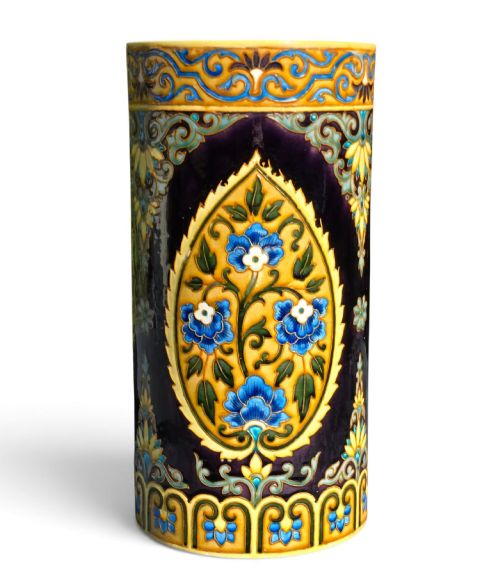
- A late nineteenth-century European style mimicking sixteenth-century Turkish ceramics. It typically employs vibrant blue, turquoise, and red floral motifs on a white ground.
- Repoussé
- A metalworking technique where the metal is hammered from the reverse side to form a raised design in relief. This method appears on nineteenth-century copper vessels.
- Garniture
- A set of matching ceramic or metallic vases and urns designed to be displayed together on a mantelpiece or sideboard. These sets usually consist of three or more graduated pieces.
- Cloisonné
- An enamel technique where metal wire is soldered to a metal base to create compartments filled with enamel paste. The object is then fired and polished smooth.
- Faience
- Tin-glazed earthenware produced in Europe, particularly associated with French and continental pottery traditions. The opaque white glaze provides a smooth base for painted decoration.
Antique Orientalist Vase: Frequently Asked Questions
What defines an orientalist vase?
An orientalist vase is a nineteenth-century decorative vessel that incorporates artistic motifs and styles from Islamic, Asian, or North African cultures. European and British makers produced these pieces during a period of intense fascination with eastern aesthetics.
These designs often merge traditional foreign patterns with local ceramic or metalworking techniques. They range from Iznik-revival earthenware to Japanese-inspired cloisonné and lacquered papier-mâché.
Where were these vases displayed?
Nineteenth-century households placed these decorative vessels in prominent reception rooms, hallways, and drawing rooms to signal cultural sophistication. Large examples such as umbrella stands served functional roles in entrance halls.
Smaller garniture sets and mantle vases sat atop fireplaces, sideboards, and occasional tables as purely decorative focal points. Their vibrant colours and exotic patterns suited the eclectic taste of Victorian interior design.
How do I identify the period?
Identifying the period involves examining the material composition, manufacturing marks, and stylistic indicators typical of the nineteenth century. Many pieces bear impressed factory stamps, designer signatures, or registration marks dating the manufacture.
Stylistic movements such as the Aesthetic Movement, Iznik Revival, and Victorian Chinoiserie provide strong chronological anchors. The specific application of glazes and enamels also aligns with nineteenth-century European industrial capabilities.
How do I care for antique ceramic vases?
Caring for antique ceramic and earthenware vessels requires gentle dusting with a soft, dry cloth to prevent surface abrasion. Avoid using water or liquid cleaning agents, particularly on pieces with delicate enamel, gold leaf, or metal mounts.
Keep these objects away from direct sunlight and areas subject to sudden temperature fluctuations. Stable indoor conditions protect fragile glazes and prevent the underlying materials from drying out or cracking.